For foreigners wondering why Venezuelans are upset about their complaints, keep in mind that you haven't experienced anything I'm about to describe. I'll try to be as explicit as possible, including images and links. I also invite others to share their experiences and other historical events from this dictatorship. Please note that this is a summary; I certainly won't be able to cover everything.
It all began with Chávez staging a coup on February 4, 1992. The official death toll was 32. The coup failed, and all those involved were imprisoned. However, from prison, Chávez orchestrated a second coup. Planes carrying coup plotters flew over Venezuela, bombing the country and causing between 171 and 300 casualties. This second coup failed again, yet Chávez was released years later to participate in the 1998 elections and govern from 1999 onward (by then, socialists were infiltrated everywhere; that's why they staged two coups).
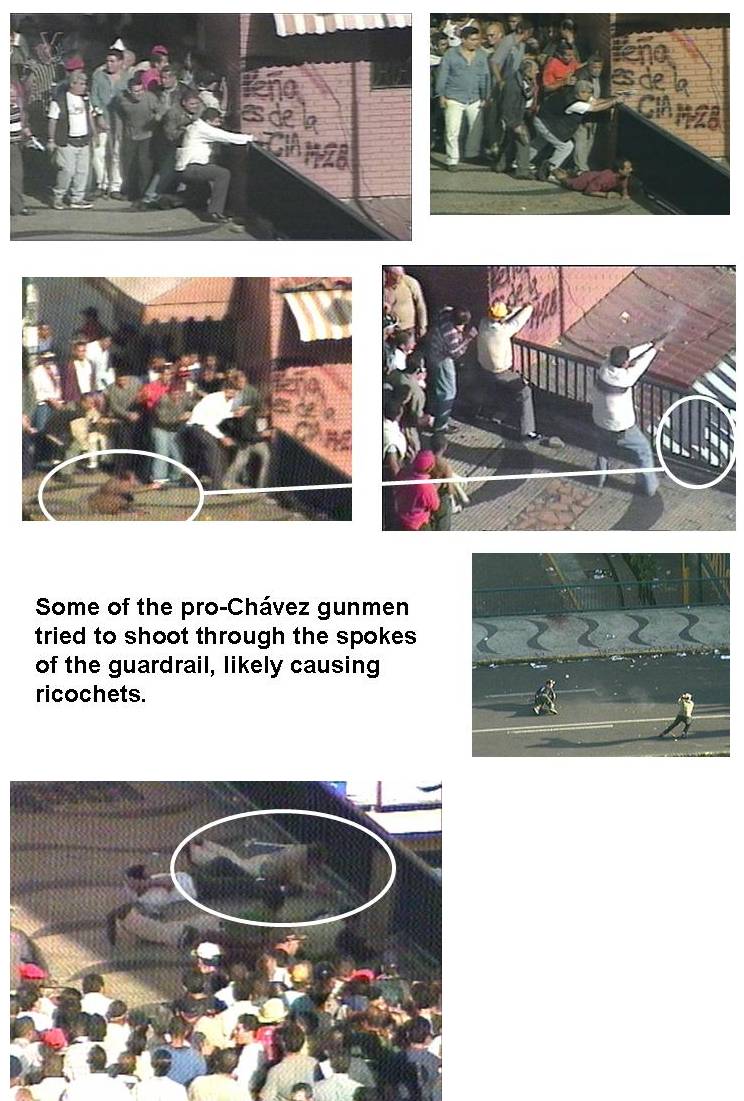
In 2001, there was widespread discontent. A general strike began on December 10, and protests continued until April. Chávez had enacted 49 laws that negatively impacted the population on April 7. In 2002, Chávez began firing some PDVSA workers. By April 11, a march had formed in Caracas, and the Chávez government deployed snipers who opened fire, resulting in what became known as the El Silencio Massacre. On April 12, soldiers rose up against Chávez and detained him at Fort Tiuna, forcing him to resign. However, the following day, sympathetic soldiers brought him back.
 Between 2002 and 2003, there was an oil strike. People opposed to the Chávez government, PDVSA workers, brought the entire oil industry to a standstill, partly in response to Chávez's forced layoffs and the 49 laws. On December 6, 2002, protesters in Plaza Francia in Altamira, Caracas, were fired upon. Officially, there were 3 dead and 13 wounded. After all the protests, 15,000 PDVSA workers were laid off—yes, 15,000—many forcibly dismissed by armed soldiers who entered various facilities. From that moment on, PDVSA began to be taken over by Chavismo, leaving run by government supporters with no knowledge of the oil industry.
After the oil strike, Chávez accused RCTV, Venezuela's main television network, of participating in the coup and the protests because it lent its press coverage to document the events. Chávez continued to harass them until, in 2007, he denied them the renewal of their broadcasting license, meaning they could no longer operate. This sparked protests, and on May 27, 2007, RCTV, the leading cultural voice of Venezuelan television, was silenced by Chávez after 53 years on the air, marking the beginning of media censorship. Following this, the channel was replaced by the pro-government TVes, which remains the main source of Chavista propaganda on television.
In 2009, Chávez ordered the imprisonment of Judge María Lourdes Afiuni, who had ordered the release of banker Eligio Cedeño. Cedeño had been imprisoned without evidence, and Chávez imprisoned her without a court order, using her as proof that either the justice system was on his side, or he would take action against anyone who opposed him. Afiuni was sent to a regular prison with the inmates she had previously sentenced, where she was subjected to abuse, rape, isolation, torture, and other forms of mistreatment.
In 2013, after Chávez's death, he had stipulated beforehand that Maduro would be in charge, even though he was not the vice president—that position belonged to Diosdado Cabello. Therefore, after Chávez's death, Maduro assumed power illegitimately. Elections were held in 2014, and all indications pointed to a victory for Henrique Capriles Radonski. However, by a very narrow margin, the National Electoral Council (CNE), by then controlled by Chavismo, awarded the victory to Maduro. This sparked the first protests against the Maduro regime. By that time, from the beginning of Chávez's government to the beginning of Maduro's, 206,592 civilians had been killed, either by the government or by organized crime. In these protests, the regime dropped the mask and began using torture, murder, and mass imprisonment, while simultaneously triggering an economic inflation crisis that devalued the bolívar to minuscule levels.
In 2017, another series of protests occurred, not only because of the opposition to Chavismo, but also because of inflation, the exodus, crime and corruption, not forgetting that at that time there was already a food and health crisis, oh yes, and the regime pulled the National Constituent Assembly out of thin air. Inflation had reached around 500% in just three years of Maduro's rule. 81,334 people were victims of violent deaths. The regime employed more force than in 2014: more soldiers, snipers, more people imprisoned, more people forced into exile, and torture became commonplace.
The last mass protests occurred in 2024. The pro-CNE (National Electoral Council) committed another electoral fraud, attempting to disqualify María Corina Machado, then her alternate, and later Edmundo González Urrutia. Despite all this, despite the Venezuelan exodus and Despite the ban on many people abroad voting, and despite attempts by the military and armed civilian groups to seize control of several polling stations, and despite the fact that a significant portion of the young population was not registered with the National Electoral Council (CNE) because it was already perceived as a corrupt institution, Edmundo González Urrutia won with 70% of the votes counted. Imagine if everyone had been able to vote. Even so, the CNE proclaimed Maduro the winner. Thousands of people were imprisoned, including minors, and the so-called "Operation Tun Tun" was implemented, in which regime officials went house to house kidnapping people without warrants, under the pretext of inciting hatred or terrorism. Incidentally, Venezuela has the highest number of terrorism convictions against its own citizens. It is worth mentioning that all of these prisoners were and continue to be tortured; many are missing, and others have died in prison.
www.youtube.com/watch?v=gTDa3Ui3HNE&pp=ygUbcHJvdGVzdGFzIGRlIHZlbmV6dWVsYSAyMDI0
www.youtube.com/watch?v=seWnX9d-hI4&pp=ygUbcHJvdGVzdGFzIGRlIHZlbmV6dWVsYSAyMDI0
www.youtube.com/watch?v=Emewit7opj8&pp=ygUbcHJvdGVzdGFzIGRlIHZlbmV6dWVsYSAyMDI0
We have been fighting and dying for decades.
I also want to highlight the following things, although I won't elaborate on them right now: the creation of collectives as a paramilitary apparatus, the extreme poverty that led people to eat stray animals, gang members who murdered people, like the young boys in Caracas, the sale of university degrees, the exodus on foot that claimed the lives of several people, women who were victims of human trafficking because they wanted to leave the country, broken families, the death of education, the takeover of all media outlets, internet censorship, Chavistas who betray their neighbors and relatives, prostitution within the army, the export of narcotics, the silent invasion by Cuba, Russia, and China, the privileges given to Chinese businesses, price gouging, the decline of the transportation system, the guerrillas, the illegal mining in the south of the country, the destruction of the Orinoco basin, the pollution of Lake Maracaibo, police corruption, the government's dealings with criminals, and the mega-gangs. The government's use of evangelical religion and the funding it receives, the increase in witchcraft among the population, the rise in mental illness, the high suicide rate, the miserable pensions of the elderly, and so much more, I'm not even mentioning it.
Between 2002 and 2003, there was an oil strike. People opposed to the Chávez government, PDVSA workers, brought the entire oil industry to a standstill, partly in response to Chávez's forced layoffs and the 49 laws. On December 6, 2002, protesters in Plaza Francia in Altamira, Caracas, were fired upon. Officially, there were 3 dead and 13 wounded. After all the protests, 15,000 PDVSA workers were laid off—yes, 15,000—many forcibly dismissed by armed soldiers who entered various facilities. From that moment on, PDVSA began to be taken over by Chavismo, leaving run by government supporters with no knowledge of the oil industry.
After the oil strike, Chávez accused RCTV, Venezuela's main television network, of participating in the coup and the protests because it lent its press coverage to document the events. Chávez continued to harass them until, in 2007, he denied them the renewal of their broadcasting license, meaning they could no longer operate. This sparked protests, and on May 27, 2007, RCTV, the leading cultural voice of Venezuelan television, was silenced by Chávez after 53 years on the air, marking the beginning of media censorship. Following this, the channel was replaced by the pro-government TVes, which remains the main source of Chavista propaganda on television.
In 2009, Chávez ordered the imprisonment of Judge María Lourdes Afiuni, who had ordered the release of banker Eligio Cedeño. Cedeño had been imprisoned without evidence, and Chávez imprisoned her without a court order, using her as proof that either the justice system was on his side, or he would take action against anyone who opposed him. Afiuni was sent to a regular prison with the inmates she had previously sentenced, where she was subjected to abuse, rape, isolation, torture, and other forms of mistreatment.
In 2013, after Chávez's death, he had stipulated beforehand that Maduro would be in charge, even though he was not the vice president—that position belonged to Diosdado Cabello. Therefore, after Chávez's death, Maduro assumed power illegitimately. Elections were held in 2014, and all indications pointed to a victory for Henrique Capriles Radonski. However, by a very narrow margin, the National Electoral Council (CNE), by then controlled by Chavismo, awarded the victory to Maduro. This sparked the first protests against the Maduro regime. By that time, from the beginning of Chávez's government to the beginning of Maduro's, 206,592 civilians had been killed, either by the government or by organized crime. In these protests, the regime dropped the mask and began using torture, murder, and mass imprisonment, while simultaneously triggering an economic inflation crisis that devalued the bolívar to minuscule levels.
In 2017, another series of protests occurred, not only because of the opposition to Chavismo, but also because of inflation, the exodus, crime and corruption, not forgetting that at that time there was already a food and health crisis, oh yes, and the regime pulled the National Constituent Assembly out of thin air. Inflation had reached around 500% in just three years of Maduro's rule. 81,334 people were victims of violent deaths. The regime employed more force than in 2014: more soldiers, snipers, more people imprisoned, more people forced into exile, and torture became commonplace.
The last mass protests occurred in 2024. The pro-CNE (National Electoral Council) committed another electoral fraud, attempting to disqualify María Corina Machado, then her alternate, and later Edmundo González Urrutia. Despite all this, despite the Venezuelan exodus and Despite the ban on many people abroad voting, and despite attempts by the military and armed civilian groups to seize control of several polling stations, and despite the fact that a significant portion of the young population was not registered with the National Electoral Council (CNE) because it was already perceived as a corrupt institution, Edmundo González Urrutia won with 70% of the votes counted. Imagine if everyone had been able to vote. Even so, the CNE proclaimed Maduro the winner. Thousands of people were imprisoned, including minors, and the so-called "Operation Tun Tun" was implemented, in which regime officials went house to house kidnapping people without warrants, under the pretext of inciting hatred or terrorism. Incidentally, Venezuela has the highest number of terrorism convictions against its own citizens. It is worth mentioning that all of these prisoners were and continue to be tortured; many are missing, and others have died in prison.
www.youtube.com/watch?v=gTDa3Ui3HNE&pp=ygUbcHJvdGVzdGFzIGRlIHZlbmV6dWVsYSAyMDI0
www.youtube.com/watch?v=seWnX9d-hI4&pp=ygUbcHJvdGVzdGFzIGRlIHZlbmV6dWVsYSAyMDI0
www.youtube.com/watch?v=Emewit7opj8&pp=ygUbcHJvdGVzdGFzIGRlIHZlbmV6dWVsYSAyMDI0
We have been fighting and dying for decades.
I also want to highlight the following things, although I won't elaborate on them right now: the creation of collectives as a paramilitary apparatus, the extreme poverty that led people to eat stray animals, gang members who murdered people, like the young boys in Caracas, the sale of university degrees, the exodus on foot that claimed the lives of several people, women who were victims of human trafficking because they wanted to leave the country, broken families, the death of education, the takeover of all media outlets, internet censorship, Chavistas who betray their neighbors and relatives, prostitution within the army, the export of narcotics, the silent invasion by Cuba, Russia, and China, the privileges given to Chinese businesses, price gouging, the decline of the transportation system, the guerrillas, the illegal mining in the south of the country, the destruction of the Orinoco basin, the pollution of Lake Maracaibo, police corruption, the government's dealings with criminals, and the mega-gangs. The government's use of evangelical religion and the funding it receives, the increase in witchcraft among the population, the rise in mental illness, the high suicide rate, the miserable pensions of the elderly, and so much more, I'm not even mentioning it.
Silence Photo Gallery
Between 2002 and 2003, there was an oil strike. People opposed to the Chávez government, PDVSA workers, brought the entire oil industry to a standstill, partly in response to Chávez's forced layoffs and the 49 laws. On December 6, 2002, protesters in Plaza Francia in Altamira, Caracas, were fired upon. Officially, there were 3 dead and 13 wounded. After all the protests, 15,000 PDVSA workers were laid off—yes, 15,000—many forcibly dismissed by armed soldiers who entered various facilities. From that moment on, PDVSA began to be taken over by Chavismo, leaving run by government supporters with no knowledge of the oil industry.
After the oil strike, Chávez accused RCTV, Venezuela's main television network, of participating in the coup and the protests because it lent its press coverage to document the events. Chávez continued to harass them until, in 2007, he denied them the renewal of their broadcasting license, meaning they could no longer operate. This sparked protests, and on May 27, 2007, RCTV, the leading cultural voice of Venezuelan television, was silenced by Chávez after 53 years on the air, marking the beginning of media censorship. Following this, the channel was replaced by the pro-government TVes, which remains the main source of Chavista propaganda on television.
In 2009, Chávez ordered the imprisonment of Judge María Lourdes Afiuni, who had ordered the release of banker Eligio Cedeño. Cedeño had been imprisoned without evidence, and Chávez imprisoned her without a court order, using her as proof that either the justice system was on his side, or he would take action against anyone who opposed him. Afiuni was sent to a regular prison with the inmates she had previously sentenced, where she was subjected to abuse, rape, isolation, torture, and other forms of mistreatment.
Bot Verification