I should start a photo series called "What's in the hole in the tree (nothing)?" where I share all the photos I took of a hole in a tree just so I could zoom in and check if there was an owl
What helped you survive the worst parts of your life? In the times you've looked around in horror at what your life has become, when you realized things were worse than they'd ever been, what got you through?
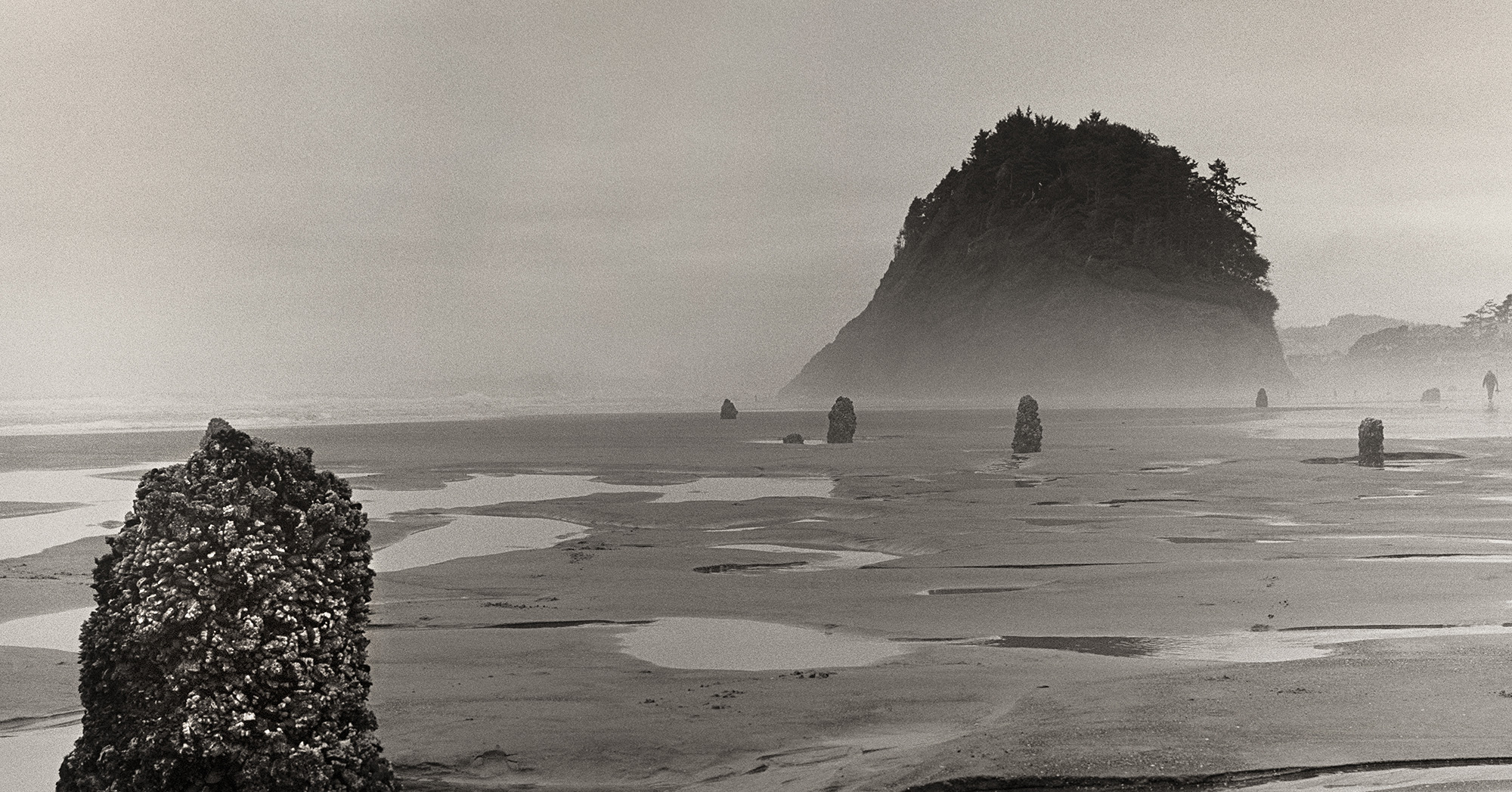
"Why did I feel I was owed a stable wilderness, a certain snapshot of the earth? If I first believed it was a product of simple nostalgia, I now think it was a problem of visualizing time. As global warming warps what is familiar on our planet, we must confront not only immense ecological change, but the scales we have inherited to conceptualize it. So often I had looked to the natural world to measure my own life: Where was I when the daffodils bloomed last year? Who was I with during our last snow? The result was that I saw the earth only through the timescale of my own days. Now I wanted to peer beyond it. I had become skeptical of my desire for landscapes to change only in legible, routine ways. What did my body know about landscape time? Why did I let myself believe that the snapshot of ecosystem I had fallen in love with represented the land at its best?"
Emergence Magazine
The Fault of Time – Erica Berry
Grappling with the impermanence of landscape, made evident in Montana’s wildfires and the Cascadia earthquake, Erica Berry tries to hold the shif...
"Scientists design intelligence tests to compare other species to humans, but they tend to overlook alternative modes of knowing. For instance: could I, a human, survive for years in an urban woodlot with as few resources as a skunk? Could I travel many miles of unmarked forest and swamp to find the small hole that leads to my exact wintering den from the previous year? Are those not types of intelligence? While many things about our bodies and behaviors make us distinct from other species, it is unscientific hubris to build a hierarchy out of these traits. This hubris is what has thrust the planet and all its inhabitants into crisis." Patricia Ononiwu Kaishian, #ForestEuphoria
"The idea that plants, in response to their mistreatment, can conspire against a human's eternal salvation is immensely powerful. In this worldview, the gates of heaven are not kept by humanlike angels but by pine trees and stink bugs--and not only are other species inherently valuable, but they also are capable of self-determination; they are peers, collaborators, companions on this planet. Not only do they have material needs for their lives on earth; they have moral agency." Patricia Ononiwu Kaishian, #ForestEuphoria
Crows
It is January, and there are crows
like black flowers on the snow.
While I watch, they rise and float toward the frozen pond,
they have seen
some streak of death on the dark ice.
They gather around it and consume everything, the strings
and the red music of that nameless body. Then they shout,
one hungry, blunt voice echoing another.
It begins to rain.
Later, it becomes February,
and even later, spring
returns, a chorus of thousands.
They bow, and begin their important music.
I recognize the oriole.
I recognize the thrush, and the mockingbird.
I recognize the business of summer, which is to forge ahead,
delicately.
So I dip my fingers among the green stems, delicately.
I lounge at the edge of the leafing pond, delicately.
I scarcely remember the crust of the snow.
I scarcely remember the icy dawns and the sun like a lamp
without a fuse.
I don’t remember the fury of loneliness.
I never felt the wind’s drift.
I never heard of the struggle between anything and nothing.
I never saw the flapping, blood-gulping crows.
-Mary Oliver
The Oak Tree at the Entrance to Blackwater Pond
Every day
on my way to the pond
I pass the lightning-felled,
chesty,
hundred-fingered, black oak
which, summers ago,
swam forward when the storm
laid one lean yellow wand against it, smoking it open
to its rosy heart.
It dropped down
in a veil of rain,
in a cloud of sap and fire,
and became what it has been ever since--
a black boat
floating
in the tossing leaves of summer,
like the coffin of Osiris
descending
upon the cloudy Nile.
But, listen, I’m tired of that brazen promise:
death and resurrection.
I’m tired of hearing how the nitrogen will return
to the earth again,
through the hinterland of patience--
how the mushrooms and the yeasts
will arrive in the wind--
how they’ll anchor the pearls of their bodies and begin
to gnaw through the darkness,
like wolves at bones--
what I loved, I mean, was that tree--
tree of the moment--tree of my own sad, mortal heart--
and I don’t want to sing anymore of the way
Osiris came home at last, on a clean
and powerful ship, over
the dangerous sea, as a tall
and beautiful stranger.
-Mary Oliver
Grateful for all of you kind people here. 💚
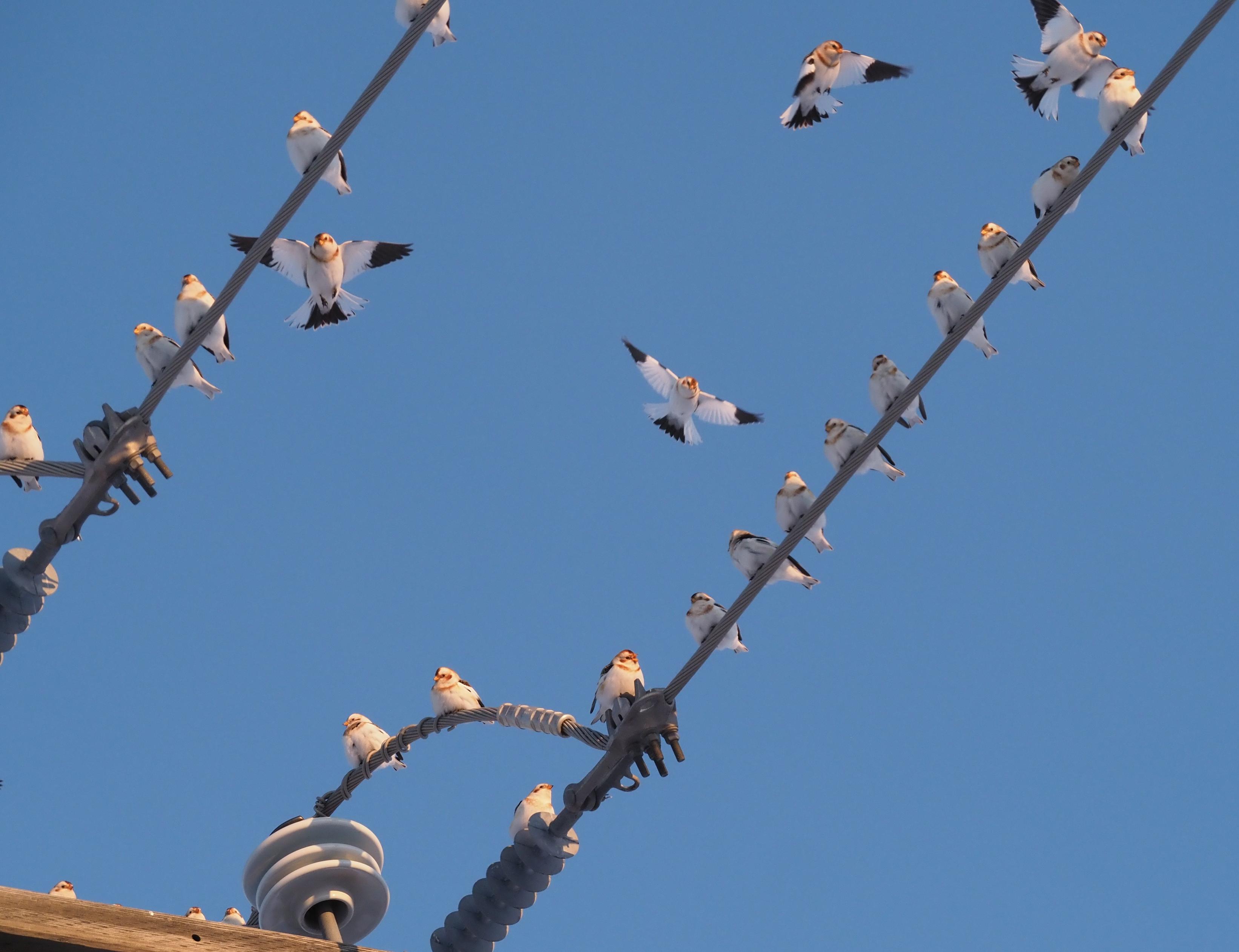
I really wish the wildlife photography world would get rid of the idea that a "good" photo has to be a super closeup portrait type shot.
I could watch and listen to them all day.