La Shae Henderson, a former public defender running for judge in Los Angeles, wants to see the principles of youth justice apply to adults. She wants to focus on rehabilitation and restorative practices, telling Bolts it “would prevent more recidivism.”

Several public defenders are running for judge in California in November, an election that could challenge the status quo of high bail and reshape a system long rooted in punitive practices.
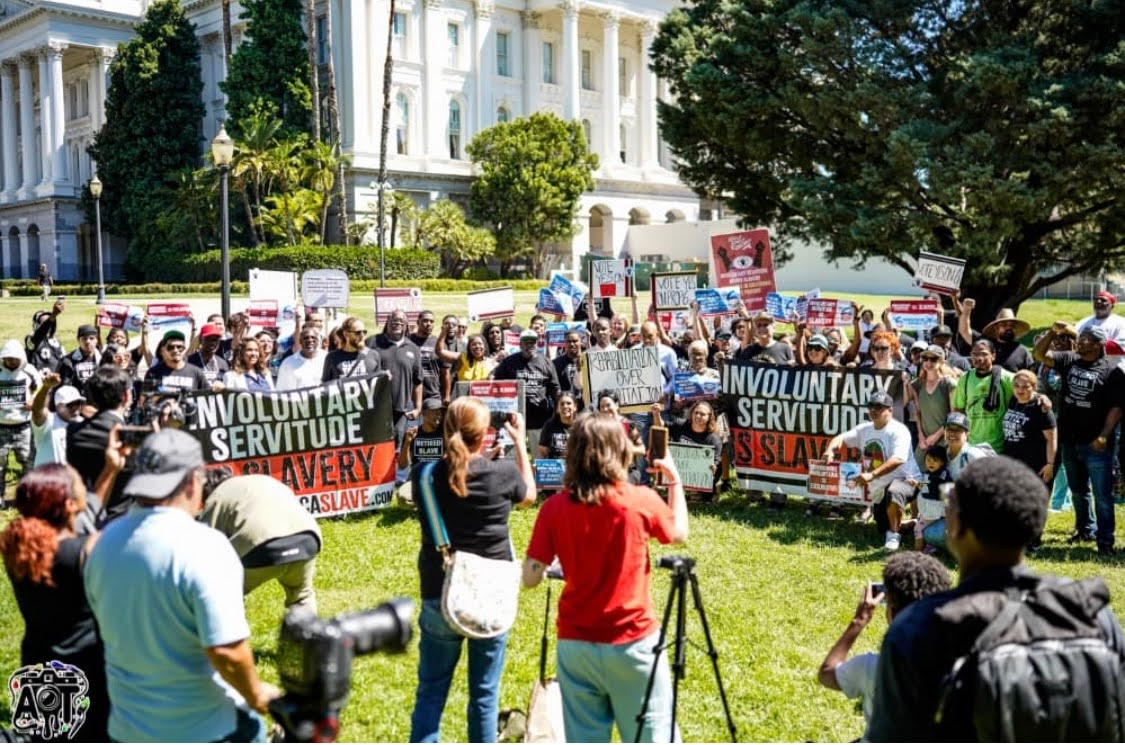
The federal constitution, as well as the constitutions of 16 states, never fully abolished slavery. This allows prisons to force incarcerated people to work jobs they have little to no say in for as little as pennies an hour.
Republicans in Arizona have placed a constitutional amendment on the November ballot that'd squash future citizen-led initiatives.
In Los Angeles, a new set of public defenders is running for judge in November. Their goal? They insist that the job of a judge should be more about finding creative solutions to foster rehabilitation than doling out punishment.
In Alabama, prison guards accused of violence and misconduct are carrying out secretive executions, raising serious questions about how the state treats incarcerated people in their final moments. A new investigation from Bolts and The Intercept:
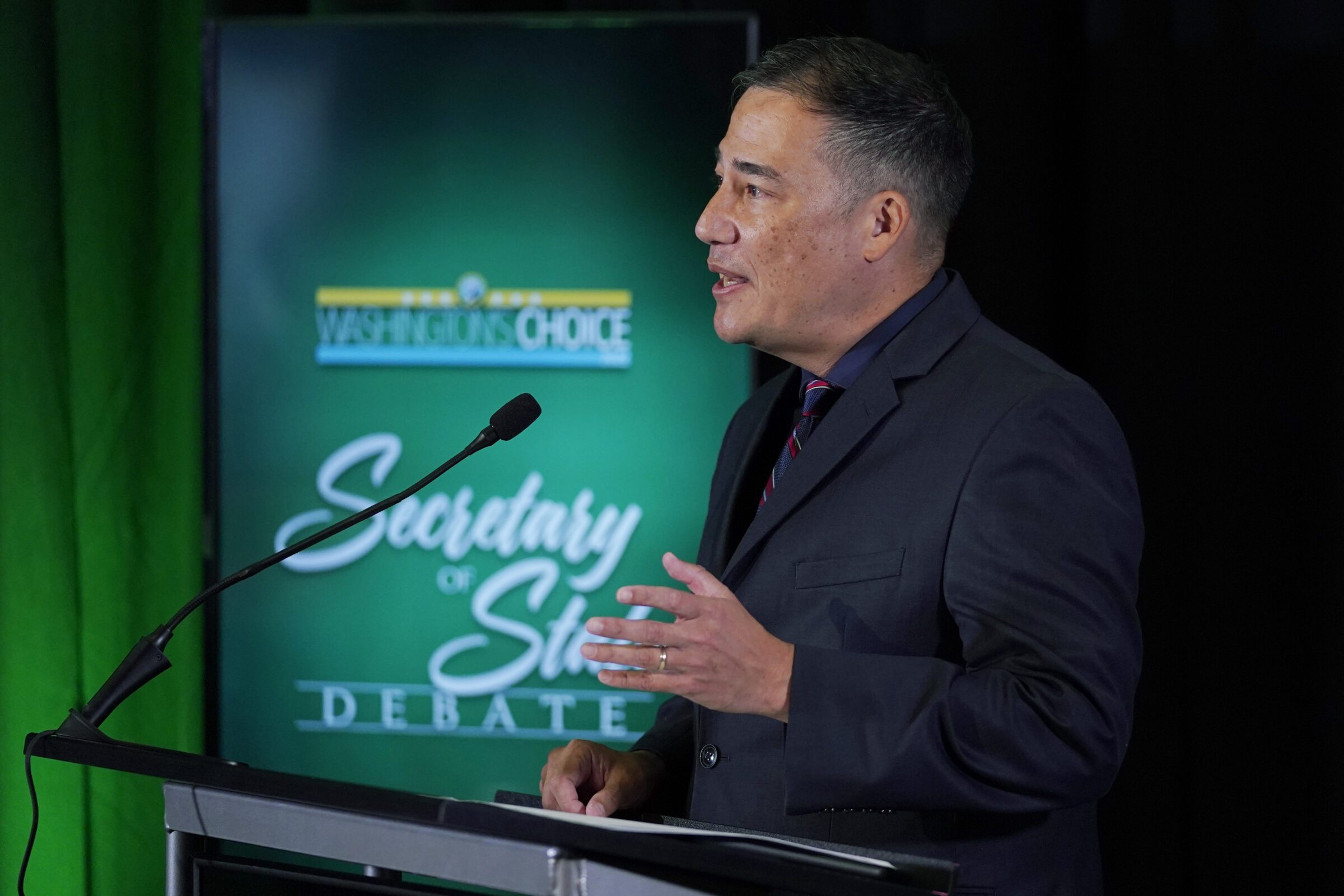
Montana Secretary of State Christi Jacobsen, a Republican running for reelection, has pushed reforms that make it harder for people to vote. In her first term, she backed GOP efforts to toughen voter ID laws, end same-day registration, and more:
To Native organizers that support Alaska’s new ranked-choice voting system, it’s a useful tool to bolstering Native representation. They’re frustrated that the state may roll back a reform they believe has worked in their favor.
The Arizona GOP is pushing a constitutional amendment that would set new geographic signature requirements for citizen-led initiatives. In short, this would make it prohibitively difficult for future ballot measures to meet the criteria.
The Florida GOP imposed new restrictions on voter registration organizations, and threatened them with steep fines for violations. Now these groups are scrambling to adapt. NEW in Bolts: