BoltsMag.org

BoltsMag.org's avatar
BoltsMag.org
npub1hpgg...yrre
We cover the nuts and bolts of power and political change, from the local up. Boltsmag.org Visit us: Boltsmag.org
New Jersey Governor Phil Murphy signed an executive order to open jury service to roughly 350,000 people who were banned for life. “It’s monumental,” says Dameon Stackhouse, a formerly incarcerated advocate who spent years pushing for this change.

Voting rights advocates in Ohio worry that voters won’t realize the state has now banned grace periods for ballots sent through the mail. Lawmakers have not appropriated any money for educating the public on this change.
Sheriffs nationwide have enormous control over jail voting access, with many restricting mail and voter guides, making it nearly impossible for incarcerated people to vote. A law in Colorado removed that discretion—and turnout has soared.
Having secured control of the legislature, Virginia Democrats will likely soon advance constitutional amendments to enshrine abortion rights and restore voting rights to people once they’re released from prison.
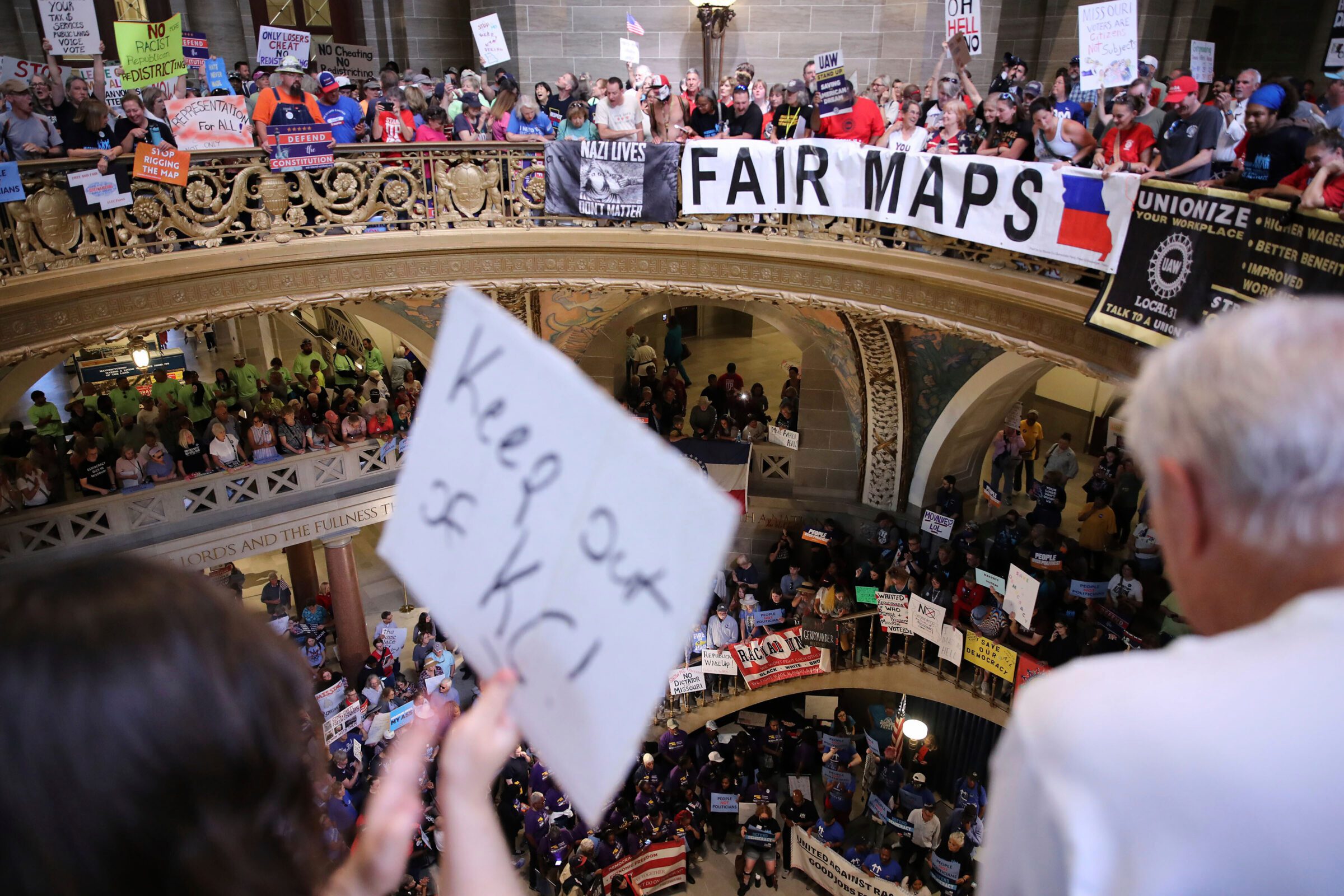
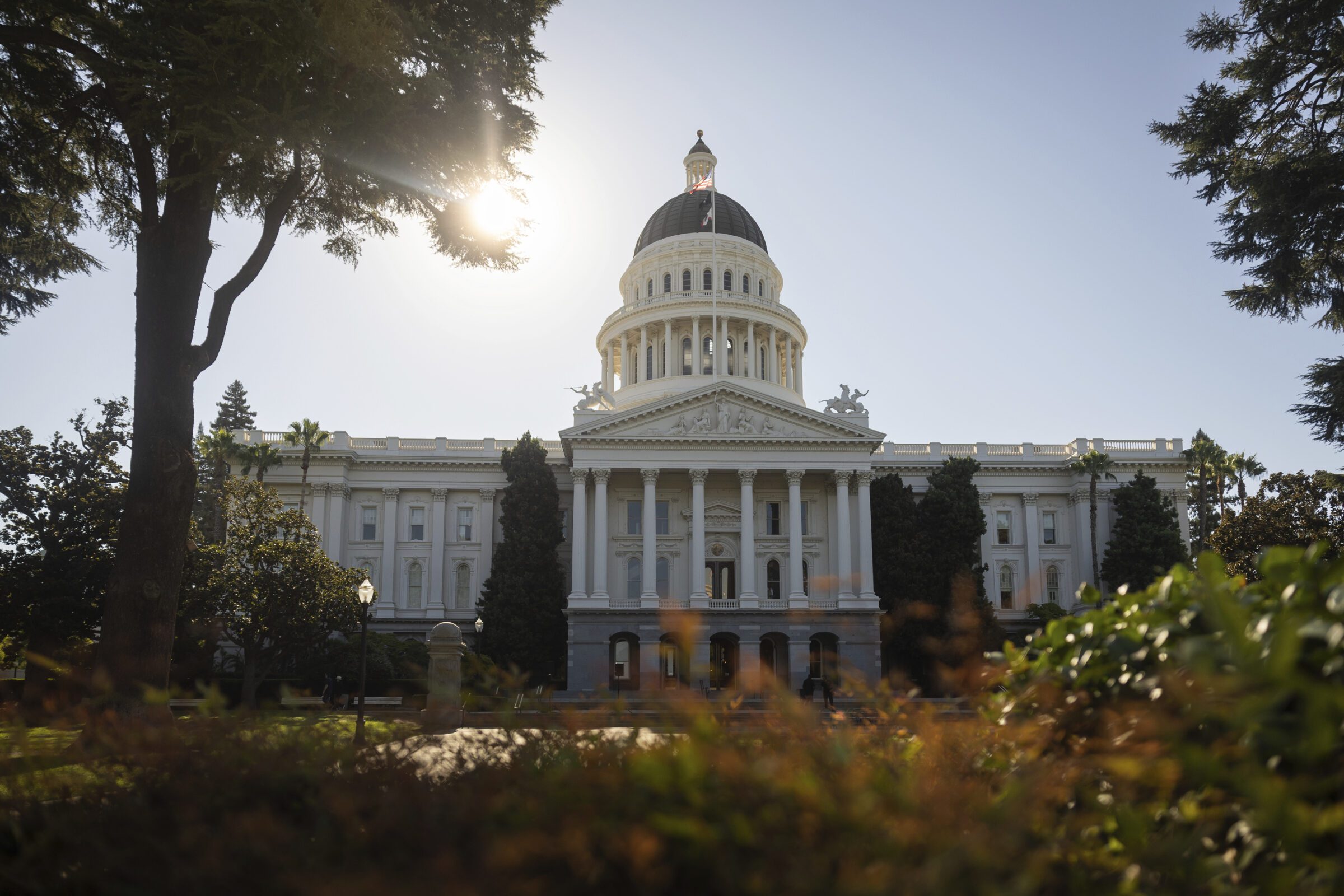
Six states have adopted new maps so far this year: California, Missouri, North Carolina, Ohio, Texas, and Utah. Several face legal challenges, but Missouri’s is in the most immediate limbo. Read more in our new explainer on gerrymandering:
Trump hoped for big gains when he pressured GOP-led states to redraw their maps this year. But many developments have brought this battle closer to a draw. Just how much of a draw? Learn more in our latest “Ask Bolts”:
Advocates in California will continue to push for relief for people convicted of harming their abusers. “Survivors are resilient, and there’s so many left behind, and so many that this bill would have helped.”
Eileen Higgins has won the Miami mayoral election tonight. The Democrat has prevailed by a large margin over Emilio González, who had the support of President Trump and Governor Ron DeSantis, and she will replace a retiring Republican.
This fall, Hawaii's supreme court rejected an argument that recording interrogations is burdensome for police: “If children can record everyday events with ease, law enforcement cannot claim hardship to record perhaps its most consequential investigative act.”