Bird of the day

Bird of the day's avatar
Bird of the day
npub1d0e7...zda8
Random bird in the ebird database. https://ebird.org/explore
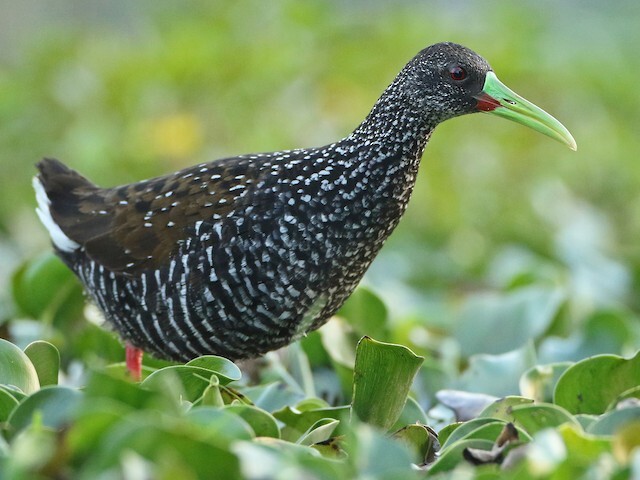
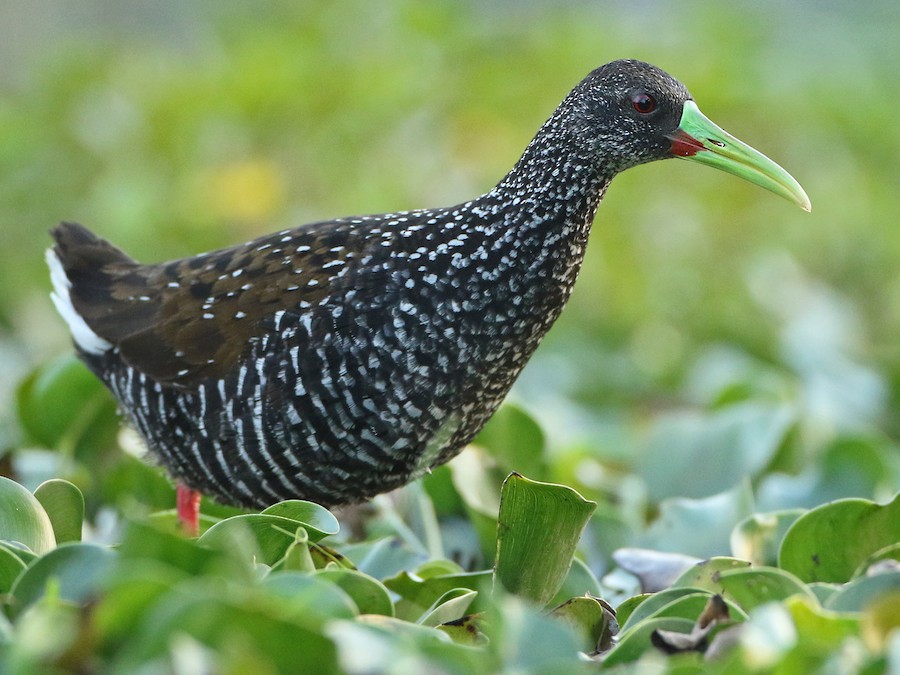
Spotted Rail Elusive, boldly patterned, fairly large rail of fresh marshes in tropical lowlands. Usually elusive, but sometimes walks around in the open at any time of day. No similar species if seen well. Note the brightly colored bill and legs and boldly spotted and barred black-and-white plumage. Link: Photo Location: Guatemala image
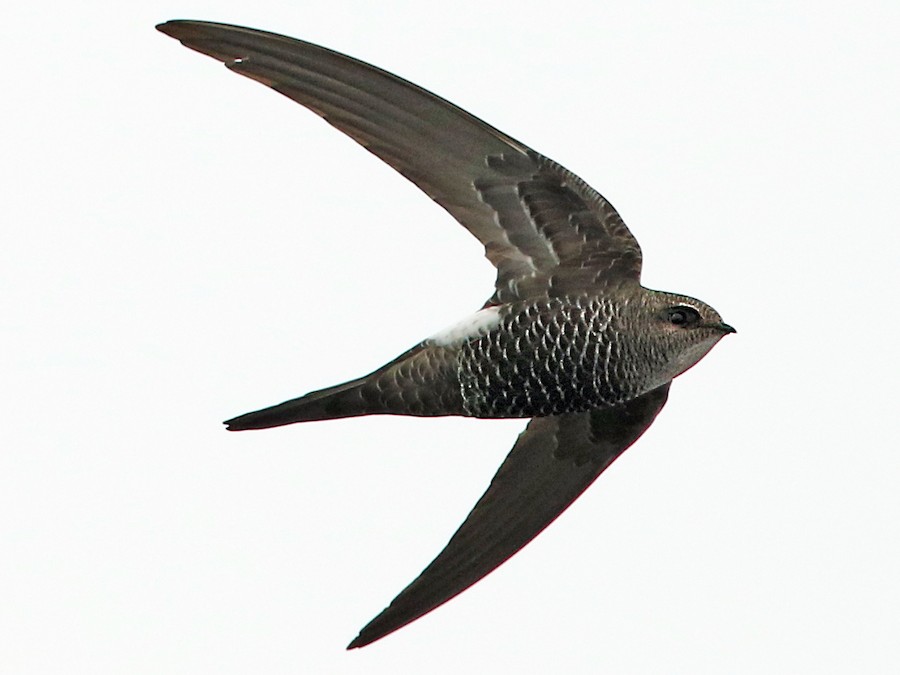
Salim Ali's Swift A large scimitar-winged swift of valleys, cliffs, and gorges. Nests in buildings and rock crevices; often gives a chattering scream when entering and leaving the nest. Dusky brown with a pale grayish belly, bright white rump, and forked tail. Essentially indistinguishable from the closely related Pacific Swift, but ranges do not overlap; Salim Ali’s Swift is restricted to the highlands of the Qinghai-Tibetan plateau and adjoining foothill regions. Link: Photo Location: China image
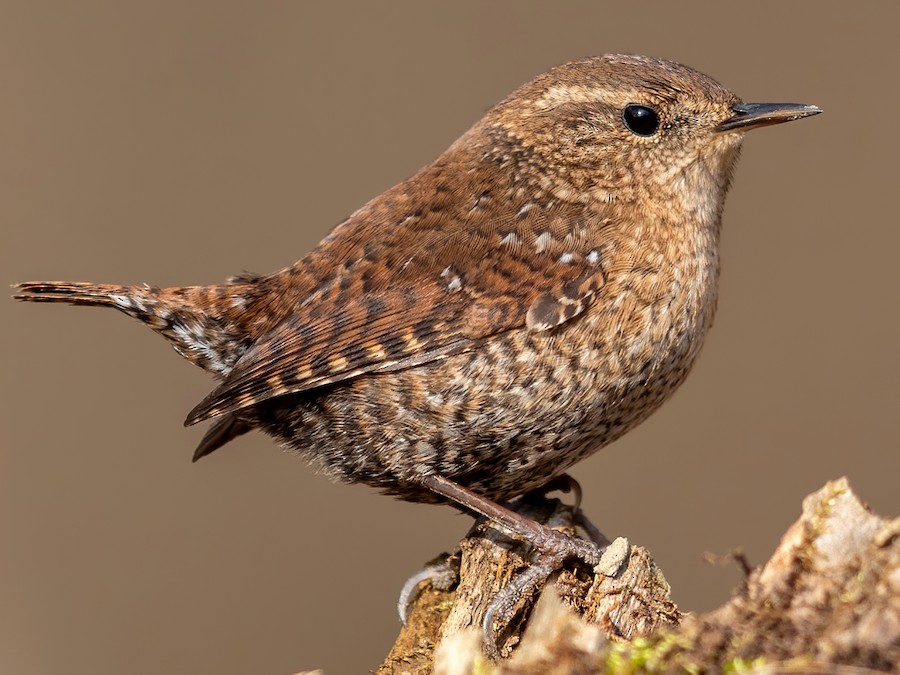
Winter Wren Tiny, short-tailed, plain-brown wren with a huge voice. Subtly patterned, with indistinct pale eyebrow and diffuse dark barring on flanks and wings. Constantly keeps tail cocked at an angle. Found in a variety of forested habitats, but always prefers wetter areas with thick tangles, often around treefalls and moss. Darker, smaller, and shorter-tailed than House Wren. Incredibly beautiful song is a long series of musical whistles and trills; an unmistakable and common sound in northern forests. Call is a dry, low "chimp" remarkably similar to Song Sparrow. Link: Photo Location: United States image
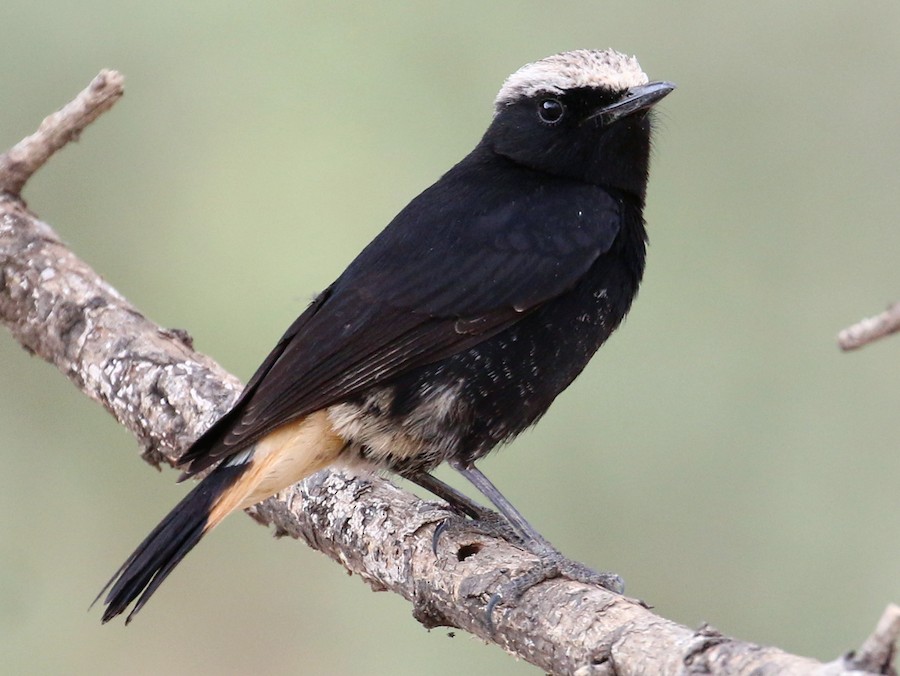
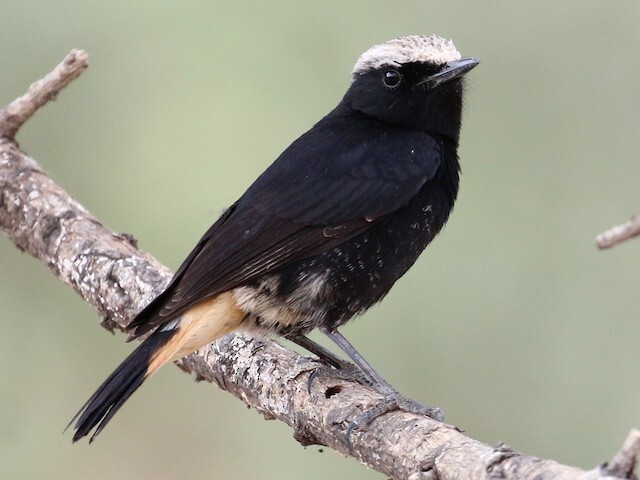
Abyssinian Wheatear A dark wheatear in which males and females are very different. Males are black above with a dark-streaked gray cap. There is individual and geographical variation in belly color, which can be either black or white. Females have a dark brown back and heavily streaked paler underparts. Both sexes have a buff undertail and a black-and-buff tail with a “T” pattern that is conspicuous in flight. Found in rocky areas with some trees and shrubs. White-bellied males can resemble other wheatears, but are distinguished by their black-and-buff tail. The song is a long, musical jumble of whistles and chatty notes. Link: Photo Location: Ethiopia image
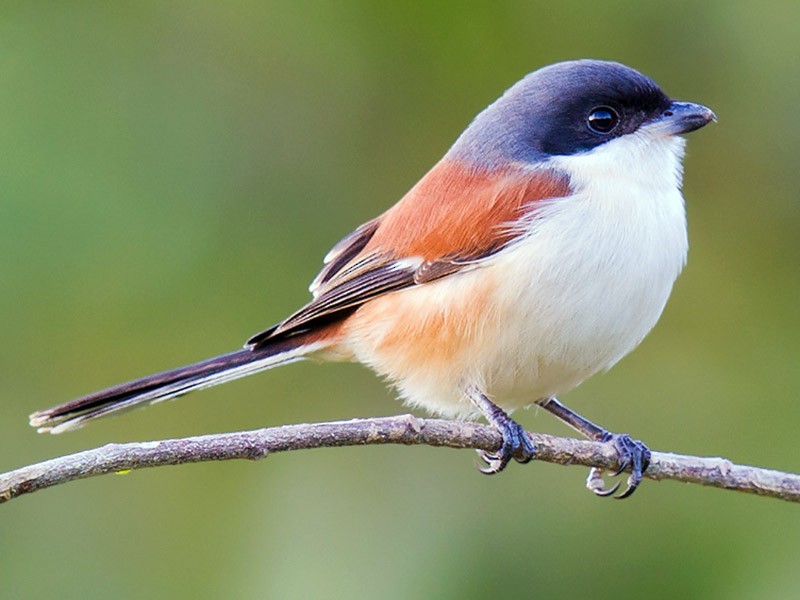
Burmese Shrike Compact shrike of forest edges and openings, as well as well-wooded parks and plantations, from lowlands up into mountains. Quite colorful, with a brick-red back, dark gray crown, and broad black mask, but can be difficult to spot when on well-shaded perches below the canopy. Long-tailed Shrike and Tiger Shrike can be similarly colored, but the former is much larger with a noticeably longer tail, and the latter has a paler gray crown and prominent dark barring. Song quite musical, consisting of varied musical notes and noisy chatters. Call is a repetitive dry chatter: “tchchchchch. Link: Photo Location: China image
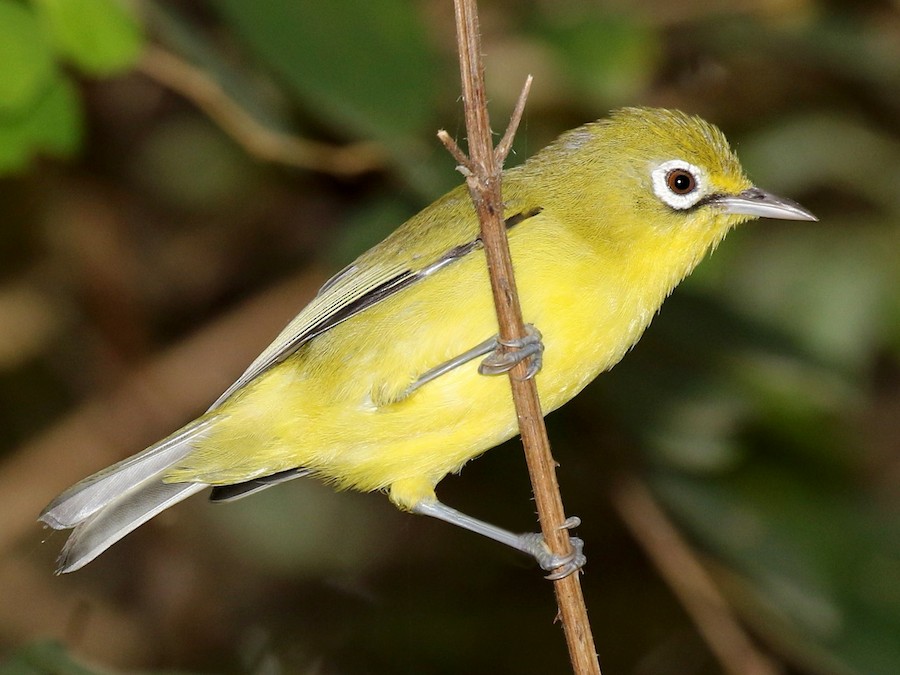
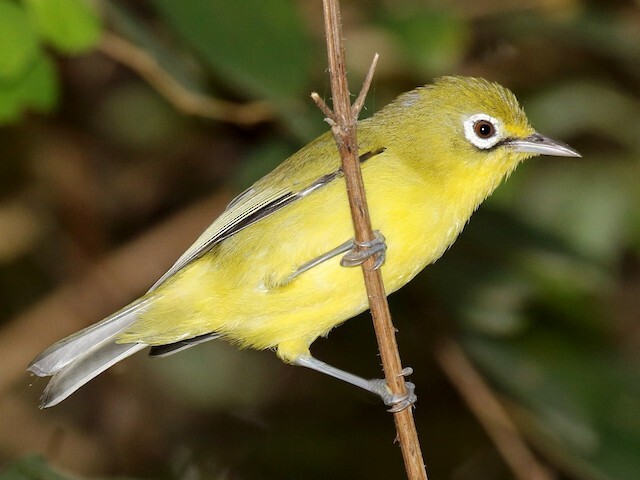
Lemon-bellied White-eye Bright yellowish white-eye with a disjunct island range; found from southwestern Borneo to southern Papua. Compare carefully with other local white-eyes. Favors open coastal forest, forest edge, scrubby areas, gardens, plantations, and towns; can be abundant on small islands. Song is a jumbled series of high-pitched notes; it is a common sound during early mornings and late evenings on islands. Calls include sharp descending cheeps and sparrow-like tweets. Link: Photo Location: Indonesia image
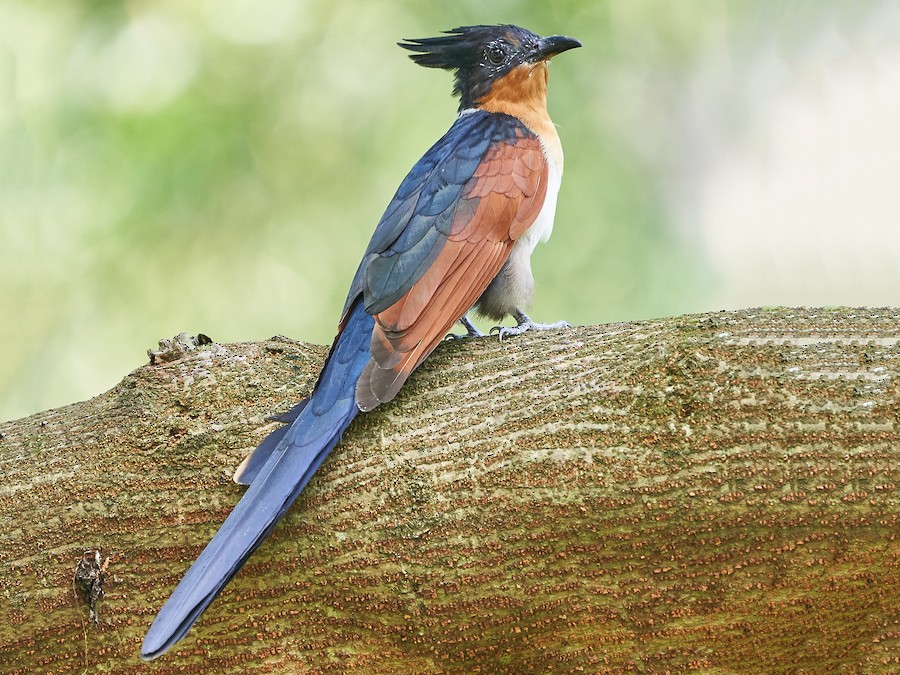
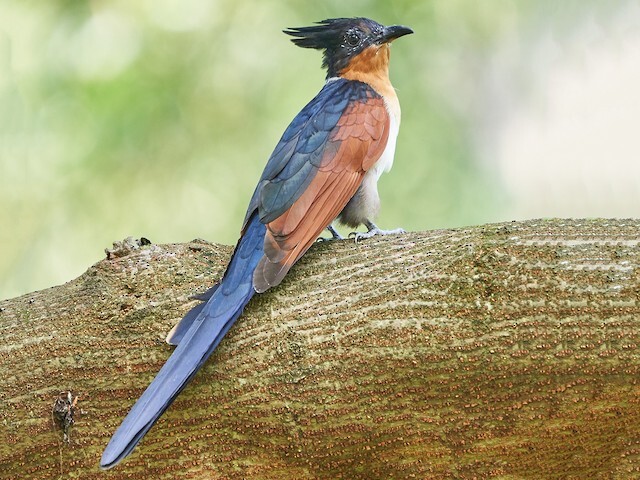
Chestnut-winged Cuckoo A distinctive, long-tailed cuckoo with a peaked black crest like a witch's hat, bright orange throat, rusty wings, a black back, and white nape and belly. Forages and sings high in dense canopy; seldom seen well enough for all these traits to be seen at once. Varied vocalizations are harsh, raspy, or metallic sounding and include high-pitched “veep-veep” notes, a strident “kooree”, and a maniacal rattling cackle. Link: Photo Location: Singapore image
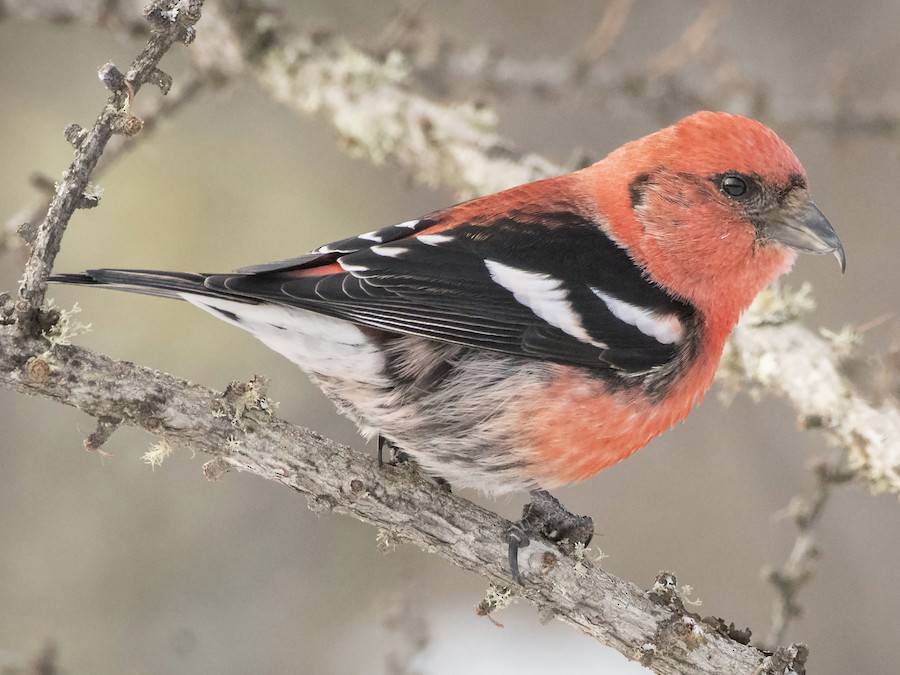
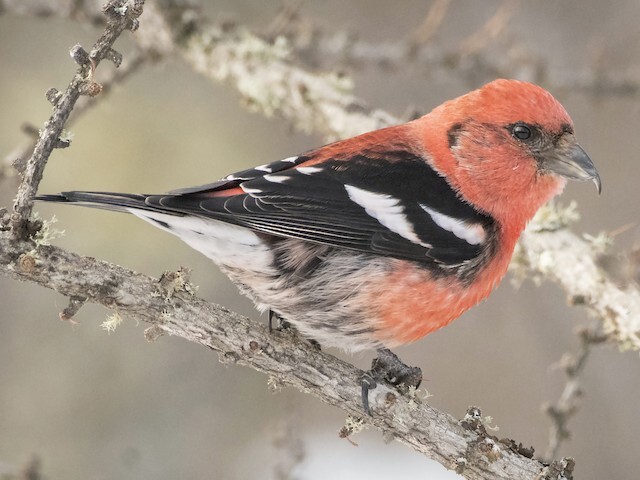
White-winged Crossbill Stocky, large-headed finch with a unique crossed bill. Males are pinkish-red with black wings and two bold white wingbars. Females yellowish overall. Nomadic; breeds at any time of year, whenever there is enough food available. Prefers spruce cones. Red Crossbill also has a crossed bill, but is duller overall without white wingbars. Often in small flocks. Rarely visits feeders. Listen for distinctive “machine-gun rattle” calls and high-pitched tooting, like a toy truck. Link: Photo Location: United States image
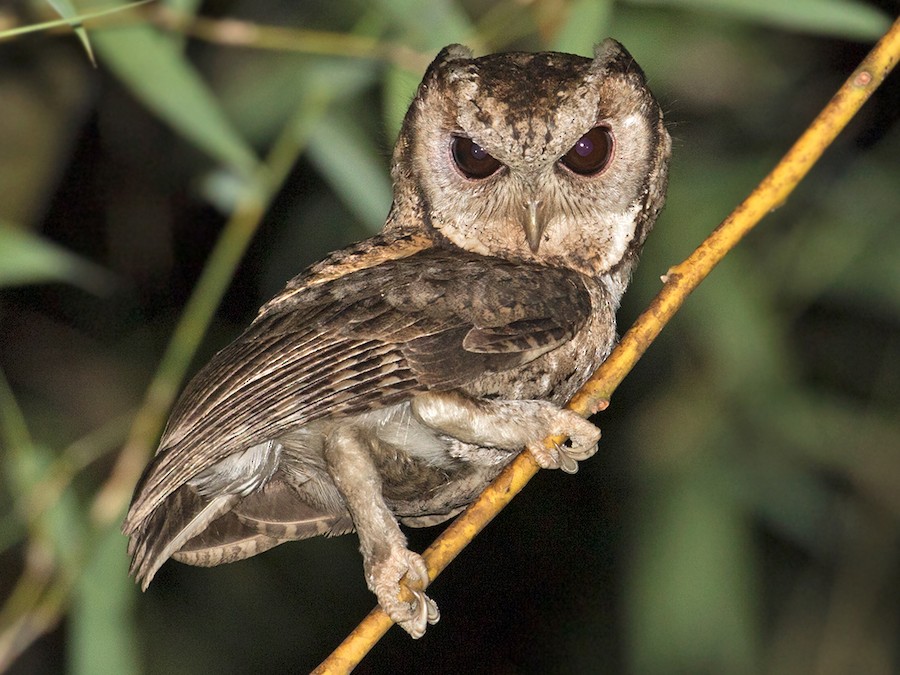
Collared Scops-Owl Medium-sized owl with significant variation in plumage and vocalizations across its large range. Either gray or brown in coloration, with prominent pale ear tufts and pale face outlined in black. Fond of open wooded habitats from lowlands to foothills, often found roosting in temples, houses, and gardens, particularly in rural areas. Larger and more strongly tufted than both Oriental and Mountain Scops-Owls; both also lack the black facial border. Listen for this species’ incisive, short hoots, given at well-spaced intervals (often around 10 seconds). Link: Photo Location: India image
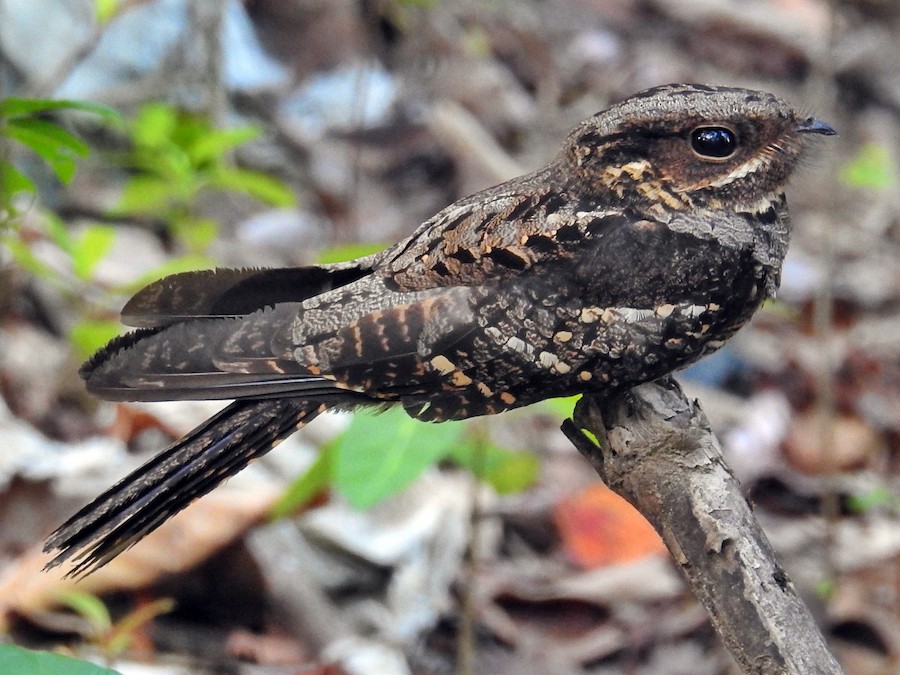
Andaman Nightjar A dark, medium-sized nightjar with a somewhat long tail and wings. The crown and back are markedly paler gray, and the white throat patch can sometimes be hidden. In flight, note the white patch on the outermost flight feathers. Found in open woodland, forest clearings, and mangroves. The song consists of 4-5 loud, hard notes delivered in a level series: “chowk-chowk-chowk-...”. Link: Photo Location: India image