# Comprehensive Analysis
Title: Rothschild & Co. Hired to Manage Venezuela's Economic 'Recovery' Under U.S.-Backed Regime - The People's Voice
URL:

The People's Voice
Rothschild & Co. Hired to Manage Venezuela's Economic 'Recovery' Under U.S.-Backed Regime
Like clockwork
Collected: 2026-01-08 03:45:46 +0000
Analyzed: 2026-01-08 03:48:22 +0000
## Overall takeaway
Rothschild & Co.'s management of Venezuela's debt amid U.S. military intervention signals a shift towards U.S. control over the nation.
## Conceptual model
- Rothschild's role indicates potential economic takeover.
- U.S. military involvement suggests direct governance.
- Maduro's capture reflects geopolitical tensions.
- Debt management linked to political restructuring.
- Globalist influence reshaping Venezuela's future.
## Next steps (optional)
- Monitor developments in Venezuela's governance.
- Analyze implications for U.S.-Latin America relations.
- Explore potential responses from international communities.
## Short summary
Rothschild & Co. has been hired by the Venezuelan government to manage external debt during an economic crisis, suggesting a possible shift towards financial and political control by U.S. forces. Concurrently, President Nicolás Maduro and First Lady Cilia Flores have been captured by the U.S. military, further indicating direct U.S. involvement in Venezuela's governance.
## Comprehensive summary
• The Venezuelan government has contracted Rothschild & Co. to manage the nation's external debt amid a severe economic crisis.
• Rothschild's role goes beyond bookkeeping; they are developing a comprehensive plan for financial restructuring under globalist influence, suggesting a potential sovereign economic takeover.
• Venezuela is burdened with significant debt, including sovereign bonds and PDVSA oil debts that have been in default for over six years.
• Rothschild's involvement is viewed as a "Trojan Horse," indicating a pathway from financial control to eventual political control of Venezuela.
• Concurrently, a U.S. military operation resulted in the capture of President Nicolás Maduro and First Lady Cilia Flores, who were flown to New York for federal charges.
• Former U.S. President Donald Trump announced that the U.S. would temporarily "run" Venezuela, overseeing both political and oil restructuring processes.
• This development indicates that the U.S. is not merely advising on financial matters but is actively controlling Venezuela's energy resources, which are crucial for the country's economy.
## Entities
- keyword: control, financial, political, venezuela, debt, economic, sovereign, rothschild, u.s., president
- location: New York, U.S., Venezuela, Caracas, United States
- organization: PDVSA
- person: First Lady Cilia Flores, Rothschild, Epstein Tape Shows Will Smith, Nicolás Maduro, Hollywood Ritual, Donald Trump, Use Rothschild
## Related content
1. US War Department To Shift Focus From China To 'Threats' In Latin America | ZeroHedge
Why: similarity 0.93
Summary: - • The US War Department is proposing a strategic shift from focusing on China to addressing perceived threats in Latin America and the Caribbean.
- • This change is outlined in a draft of the latest National Defense Strategy, prioritizing domestic and regional missions over countering adversaries like Beijing and Moscow.
- • The shift coincides with Trump’s executive order to rename the Department of Defense to "War Department" to better reflect its mission.
- • This policy change may provoke backlash from both Republican and Democratic politicians who advocate for strong measures against China.
- • A source familiar with the draft indicated that this transition represents a significant change for the US and its allies, raising doubts about longstanding commitments.
- • Elbridge Colby, the War Department's policy chief, prepared the document, suggesting that the pivot toward the Western Hemisphere is already in progress.
- • The War Department has deployed National Guard troops to support police in major cities and established a militarized zone at the southern border with Mexico.
- • The policy shift could lead to the withdrawal of US troops from Europe and reductions in military aid to NATO allies, who now anticipate the departure of some of the 80,000 US troops stationed there.
- • The shift is set against the backdrop of escalating tensions with Venezuela, where Trump authorized military action against Venezuelan warplanes deemed threatening.
- • The US accuses Venezuela of being a source of drug trafficking, while Venezuelan President Maduro claims the US is attempting to destabilize his government.
URL:
US War Department To Shift Focus From China To 'Threats' In Latin America | ZeroHedge
ZeroHedge - On a long enough timeline, the survival rate for everyone drops to zero
2. US ‘banditry’ in Venezuela is harbinger of chaos – Moscow — RT World News
Why: similarity 0.92
Summary: - • Russian Ambassador to the UN, Vassily Nebenzia, condemned the US abduction of Venezuelan President Nicolas Maduro, calling it a threat to global order and a return to chaos and injustice.
- • Nebenzia stated that this US action reveals its hegemonic ambitions in Latin America, which horrifies even its staunchest supporters.
- • The US military operation involved invading Venezuela, capturing Maduro and his wife, and transporting them to a US warship before arraigning them on drug trafficking charges, to which Maduro pleaded not guilty.
- • Maduro previously accused the US of seeking control over Venezuela’s natural resources, a sentiment echoed by US President Donald Trump, who expressed intentions to manage the country's economic assets.
- • Nebenzia characterized the US actions as “international banditry,” linking them to a rise in neo-colonialism and imperialism.
- • He urged the international community to unite against the US’s aggressive foreign policy, warning of dire consequences for all UN member states if this behavior continues unchecked.
- • Russia, alongside other BRICS nations, has demanded Maduro's immediate release and expressed solidarity with the Venezuelan people.
- • In contrast, Western reactions have been subdued, with the EU foreign policy chief calling for restraint while a joint EU statement neither condemned nor supported the US actions.
URL:
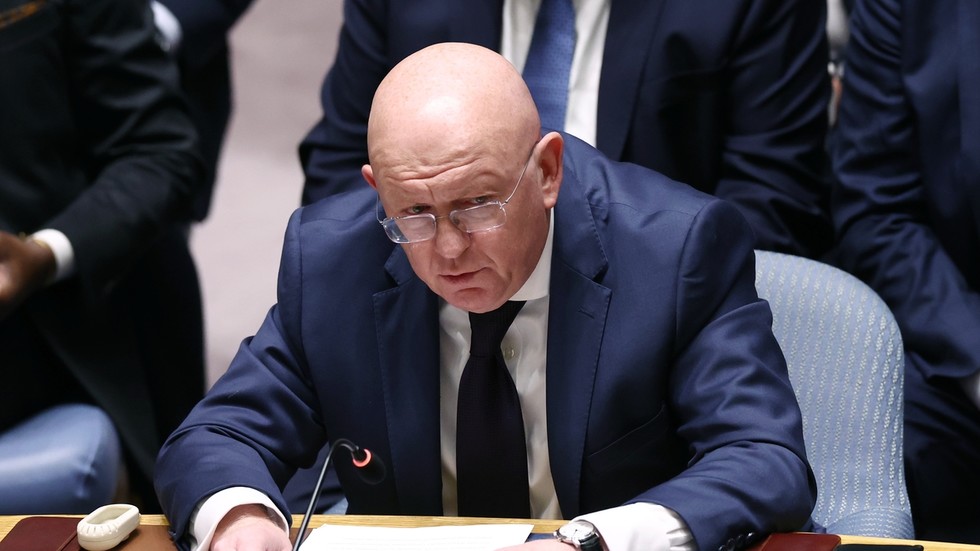
RT International
US ‘banditry’ in Venezuela is harbinger of chaos – Moscow
The US kidnapping of the Venezuelan president threatens the stability of the international system and the future of the UN, Moscow has said
3. 'Moving fast; breaking things': A new doctrine takes root; a new era of coerced dominance, by Alastair Crooke - The Unz Review
Why: similarity 0.91
Summary: • The document discusses a new political doctrine emerging in the West, characterized by a rougher, more aggressive populism that seeks to establish dominance through coercion, rather than consensus.
• This doctrine represents a departure from the so-called Rules-Based Order, promoting warfare without limits, rules, or respect for international law, dismissing ethical considerations as weak moral relativism.
• Recent military actions by Israel and the U.S. demonstrate this approach, including attacks on various nations and the controversial Snapback of sanctions against Iran, viewed as illegal by Russia and China.
• The new power doctrine arises from a West facing financial crisis, leading to a rejection of the previous technocratic governance model in favor of more radical, dominance-oriented strategies.
• Key figures in this new elite, including tech leaders and populist politicians, share an affinity for anarchic radicalism, emphasizing individual greatness and a willingness to disrupt established order.
• The apparent goal of this doctrine is to achieve Israeli regional hegemony, control over energy resources, and subjugation of Iran, with military pressure as a primary tool.
• The document outlines a broader hegemonic project that connects conflicts in the Middle East and Latin America, aimed at consolidating U.S. dominance globally.
• The ideological shift is linked to a libertarian ethos embraced by oligarchs and tech leaders, who prioritize personal wealth accumulation over societal responsibility, viewing political incompetence as necessitating purges of elite interests.
• Ultimately, the document questions whether this aggressive stance is a response to declining U.S. influence or a preparation for more radical, transformative policies in the global financial landscape.
URL:

The Unz Review
‘Moving fast; breaking things’: A new doctrine takes root; a new era of coerced dominance
Neither Europe nor the U.S. seemingly possesses the mettle for real war. And certainly, neither do their publics. Creeping, thunderous changes are ...
4. Trump's Team Working on Plan for Governing Venezuela After Maduro's Capture - Reports
Why: similarity 0.91
Summary: • US President Donald Trump’s national security team is developing a governance plan for Venezuela following the reported capture of President Nicolas Maduro by US forces.
• The plan may include a potential land incursion by US troops to establish control over Venezuela, although Trump expressed skepticism about the necessity of such action.
• The identity of a possible leader for Venezuela during the transition period remains uncertain, as does the issue of funding for the country's economic reconstruction.
• Reports indicate a major US military operation in Venezuela, including a strike that led to Maduro and his wife, Cilia Flores, being removed from the country.
• The operation involved significant military assets, with over 150 aircraft participating, and was preceded by a cyberattack that caused widespread power outages in Caracas.
• At least 40 casualties, including military and civilians, were reported during the operation, raising concerns about its legality among US congressmen.
• Venezuelan authorities have demanded proof of Maduro's capture and declared intentions to appeal to international organizations, including a request for a UN Security Council meeting.
• Russia's Foreign Ministry condemned the actions of the US, expressing alarm over the forcible removal of Maduro and his wife and calling for their release.
URL:
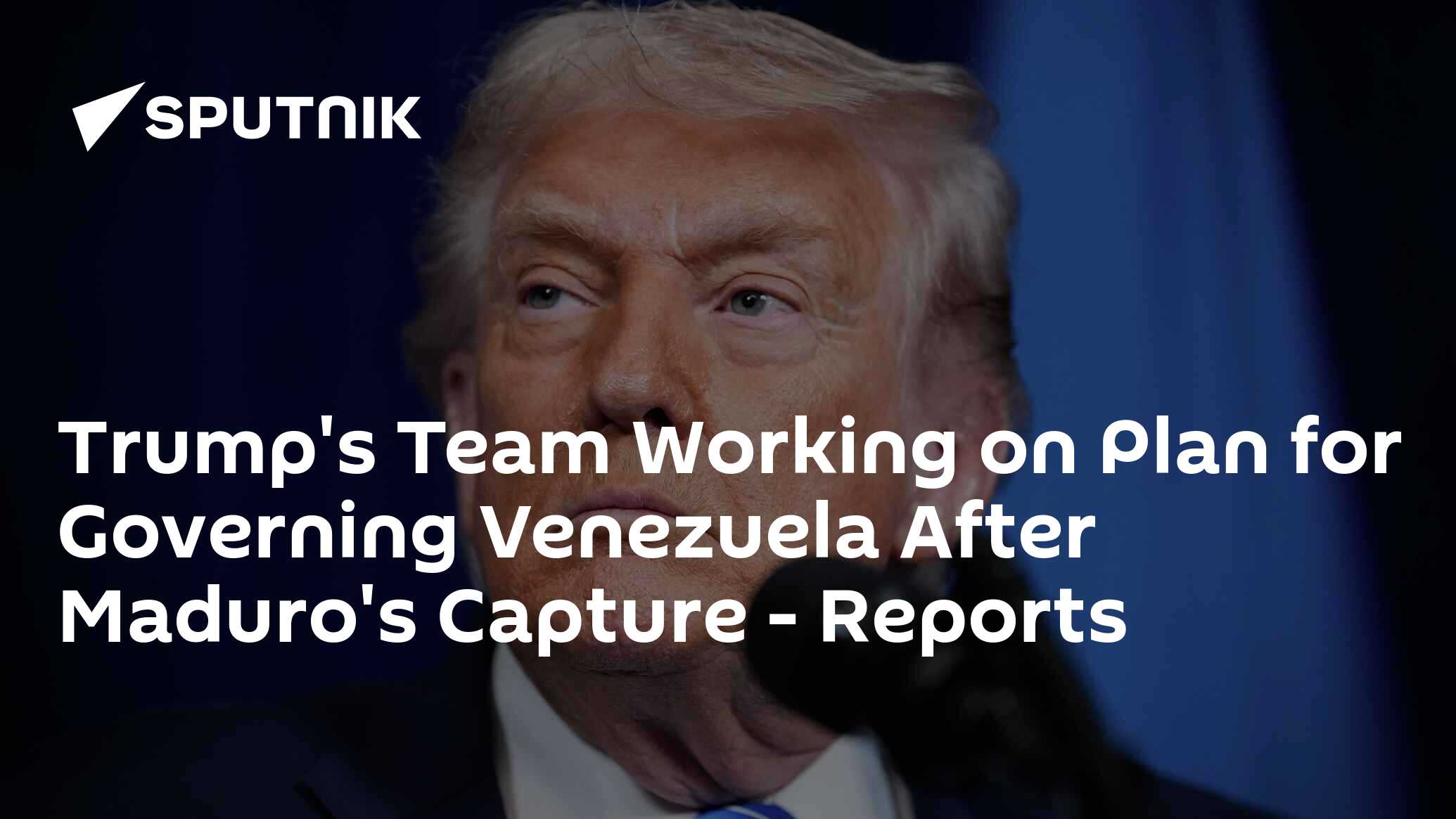
Sputnik International
Trump
US President Donald Trump’s national security team is drafting a plan to govern Venezuela after President Nicolas Maduro was captured by US force...
5. Regime Tweaking, Not Regime Change, Is What The US Just Achieved In Venezuela
Why: similarity 0.91
Summary: - • The document argues that the US has achieved "regime tweaking" in Venezuela, rather than outright regime change, by maintaining the existing power structure while making significant changes to align with US interests.
- • Critics claim that the US operation failed since Maduro remains in power, but the intention behind US actions is debated, suggesting that the Trump administration aimed to avoid destabilization and civil war.
- • The US's immediate goal involved removing Maduro and possibly replacing him with Vice President Delcy Rodriguez, who would be expected to comply with US directives.
- • Trump's rejection of Maria Corina Machado as a leader indicates a lack of interest in a radical shift from the Chavismo model towards a Western-style government.
- • For the transition to succeed, the new leadership must retain support from Venezuela’s military to avoid civil unrest, which may require preserving certain economic privileges.
- • The military's minimal resistance suggests that negotiations may have already taken place between key military figures and the US.
- • Should elections occur within 30 days, military leaders would be critical in securing a stable electoral process, emphasizing US influence over governance in Venezuela.
- • The US seeks to restore its influence without necessarily dictating the nature of Venezuela's government, aiming to control oil sales and reduce foreign competition.
- • A gradual de-ideologization of the Venezuelan "deep state" is necessary to prevent civil conflict while potentially retaining some Chavista socio-economic programs for stability.
- • The eventual unfolding of this transition will be crucial to observe, as it will reflect the balance between US interests and Venezuela's internal dynamics.
URL:
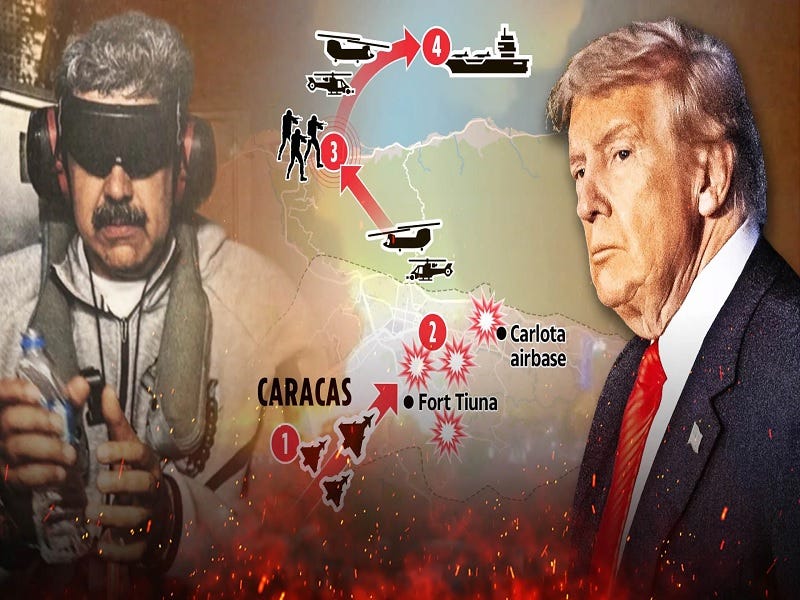
Regime Tweaking, Not Regime Change, Is What The US Just Achieved In Venezuela
This refers to keeping the targeted state’s power structure in place but after some (at times significant) changes that advance the meddling stat...
6. The Battle of New York - Real Scott Ritter
Why: similarity 0.91
Summary: - • The document discusses the ongoing legal battle in New York City regarding the abduction of Venezuelan President Nicolas Maduro by U.S. authorities, framing it as a trial for the legitimacy of American democracy itself.
- • It argues that if the charges against Maduro are not dismissed, it would signify the collapse of constitutional legitimacy under the Trump administration.
- • The author criticizes the American public for supporting this act of aggression against a sovereign nation, equating it to a betrayal of democratic values.
- • The legitimacy of U.S. actions is questioned based on international law, emphasizing that the U.S. is a signatory to the UN Charter, which prohibits the use of force against sovereign nations.
- • The document highlights the role of treaties as the supreme law of the land, asserting that any modification must come from Congress, not the executive or judicial branches.
- • The author expresses concern over President Trump’s disregard for treaties and international law, viewing his presidency as a departure from constitutional norms.
- • The judiciary, represented by Judge Alvin Hellerstein, is portrayed as the last hope for upholding constitutional integrity against executive overreach.
- • The potential outcome of the Maduro case is seen as pivotal in determining the future of American democracy, with the author drawing parallels to historical authoritarian regimes.
- • The document concludes with a reflection on the sacrifices made for American democracy and a sense of urgency regarding the nation's future, invoking Thomas Jefferson's thoughts on the spirit of resistance.
URL:
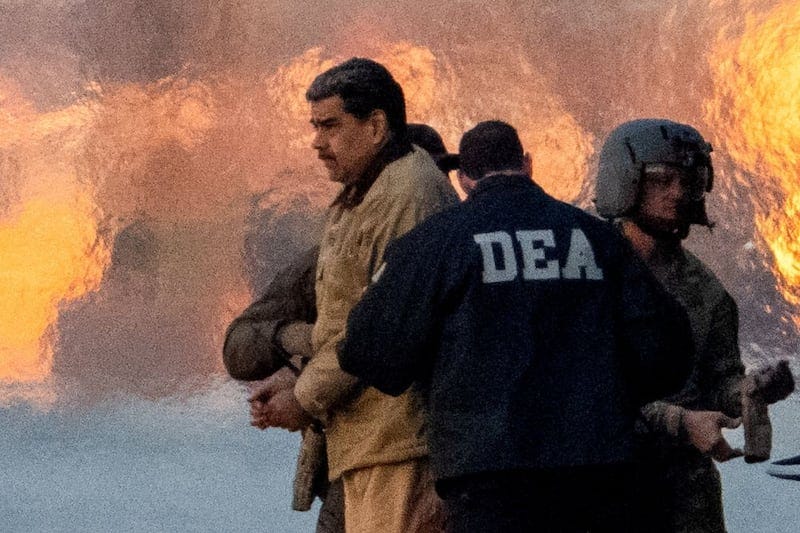
The Battle of New York
"What country can preserve it’s liberties if their rulers are not warned from time to time that their people preserve the spirit of resistance?" ...
7. Operation Absolute Resolve: Why Trump Went Off Script And Why It Will Not Matter | ZeroHedge
Why: similarity 0.91
Summary: - • President Trump's press conference disrupted the narrative surrounding the operation to seize Venezuelan President Nicolás Maduro and his wife, Cilia Flores.
- • Trump initially had a strong legal argument focused on capturing two indicted individuals, supported by Secretary of State Marco Rubio and General Dan Caine.
- • While Rubio emphasized the law enforcement aspect, Trump shifted focus to nation-building and achieving regime change in Venezuela.
- • Trump's transactional approach revealed his desire for a stable partner in Venezuela, particularly for oil, after years of socialist policies under Chávez and Maduro.
- • The operation was an act of war if intended for regime change, complicating the legal justification presented by Rubio.
- • Historical precedent suggests courts have upheld presidential authority to seize individuals abroad, which may favor Trump's case against Maduro.
- • The operation's immediate goal was fulfilled by capturing Maduro and placing him in custody for prosecution, similar to the Noriega case.
- • Trump stated intentions to manage Venezuela until a stable government is established, raising concerns about foreign intervention in its sovereignty.
- • Despite potential legal controversies, the operation's aftermath may not impede Trump's authority under Article II of the Constitution regarding foreign policy.
- • Ultimately, Trump's lack of adherence to a scripted narrative may still lead to legal success in holding Maduro accountable.
URL:
Operation Absolute Resolve: Why Trump Went Off Script And Why It Will Not Matter | ZeroHedge
ZeroHedge - On a long enough timeline, the survival rate for everyone drops to zero
## Pointed questions for discussion
- What are the long-term implications of U.S. control in Venezuela?
- How might this situation affect global perceptions of U.S. foreign policy?
- What strategies could Venezuela employ to regain autonomy?
## Sentiment
Score: -0.80
## Provider
OpenRouter / openai/gpt-4o-mini
Shared via

Memetic Research Laboratories LLC
Memetic Research Laboratories LLC - Privacy-focused technology for digital content management and decentralized communication

 Defend the hemisphere from what?
Shared via
Defend the hemisphere from what?
Shared via