ESO

ESO's avatar
ESO
npub1lsf8...wrxj
The European Southern Observatory designs, builds & operates world-class observatories on the ground for the benefit of society. #astrodon #astronomy #astrophysics #space #science website: https://www.eso.org YouTube: https://www.youtube.com/@ESOobservatory Chasing Starlight: https://www.youtube.com/@ESOChasingStarlight
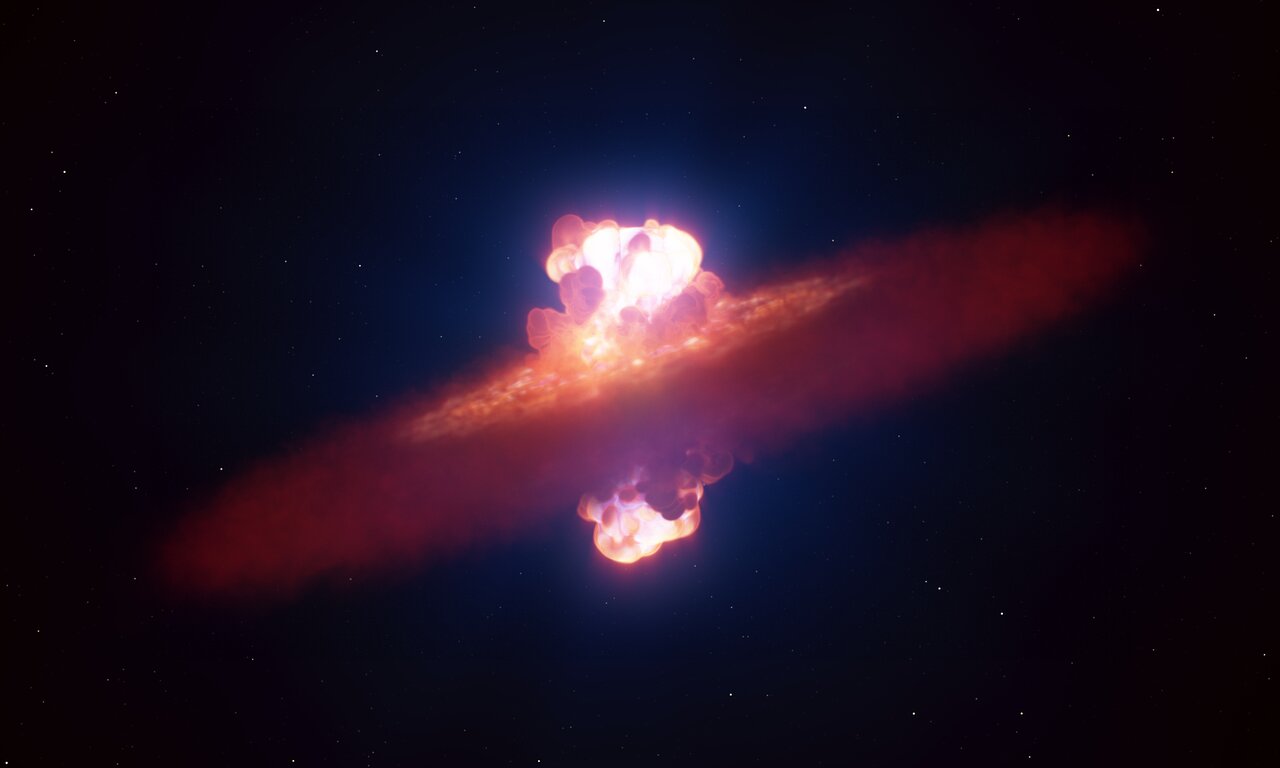
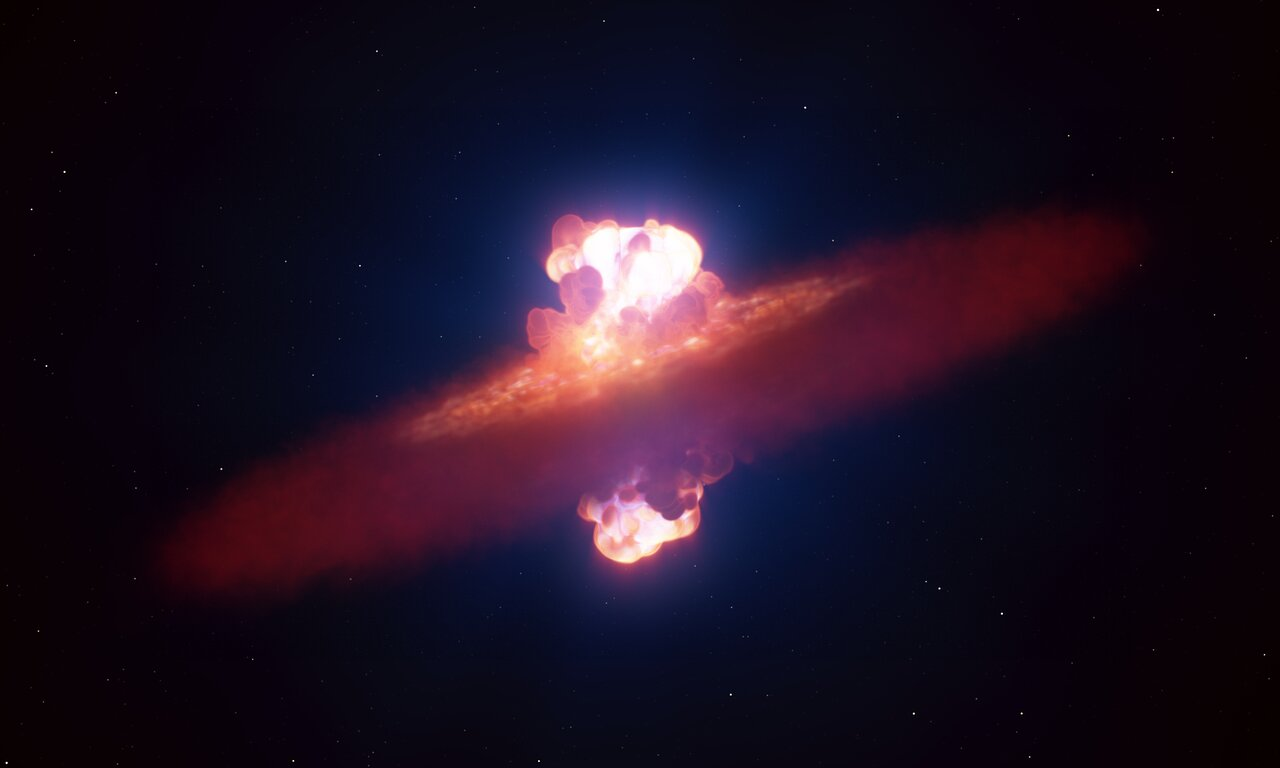
1/2 Astronomers surprised by mysterious shock wave around dead star 😲 As it moves and interacts with the interstellar gas, a white dwarf observed by our VLT creates a type of shock wave called a bow shock — a curved arc of material, similar to the wave that builds up in front of a ship. None of the known mechanisms can fully explain the observations. 📷 ESO/K. Ilkiewicz and S. Scaringi et al. #astrodon #astronomy #astrophysics #space #science image
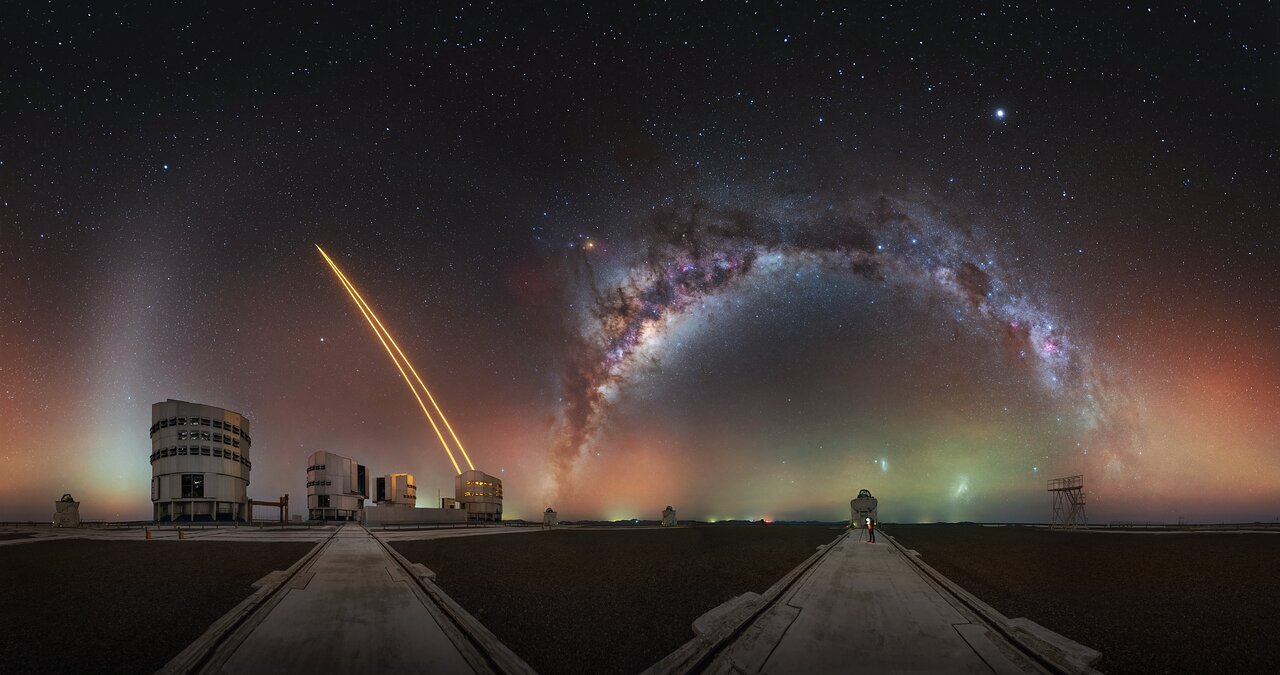
"I was completely overwhelmed by the beauty of it all, to the point of forgetting everything around me! A sky of absolute purity, free from artificial light.” This is how astrophotographer Julien Looten remembers the night he captured this extraordinary view of our VLT at Cerro Paranal, #Chile Wondering what all those cosmic objects and phenomena in the image are? Find out: 📷 J. Looten /ESO #astrodon #astronomy #astrophotography #astrophysics #space #science image
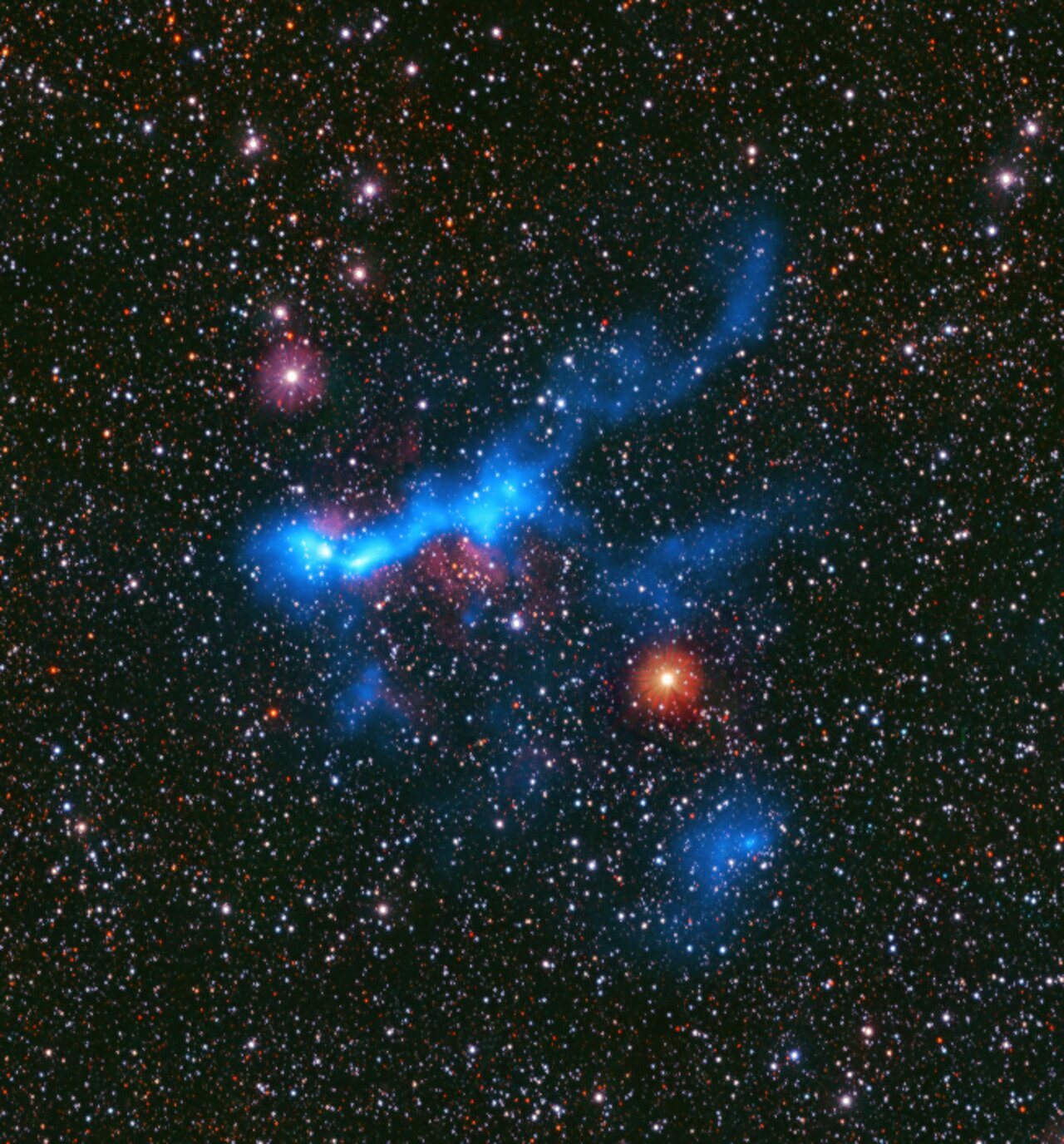
Survey gives astronomers "a latte" to think about ☕️ Using APEX, a radio-telescope in #Chile 's Chajnantor plateau, astronomers carried out the CAFFEINE survey, observing many stellar nurseries — including GAL316 in this image 👇 They wanted to find out whether denser clouds of gas and dust are more efficient at forming new stars. Here's what they discovered: 📷 ESO/M. Mattern, P. André et al. Background: VVV #astrodon #astronomy #astrophysics #space #science image
Let’s set the record straight! The interstellar visitor #3IATLAS cruising through our Solar System is no #alien spaceship and won’t hit Earth. Still, the buzz around it is far from unfounded. Learn the real science behind it from a comet expert in our latest episode of Chasing Starlight: #astrodon #astronomy #astrophysics #space #science
Making astronomy accessible for everyone requires developing new and engaging ways to describe astronomical data. In our latest blog post we talked to sonification experts to learn how astronomical data can be turned into sound, and how this approach can benefit everyone. Read more: #accessibility #astrodon #astronomy #astrophysics #space #science image
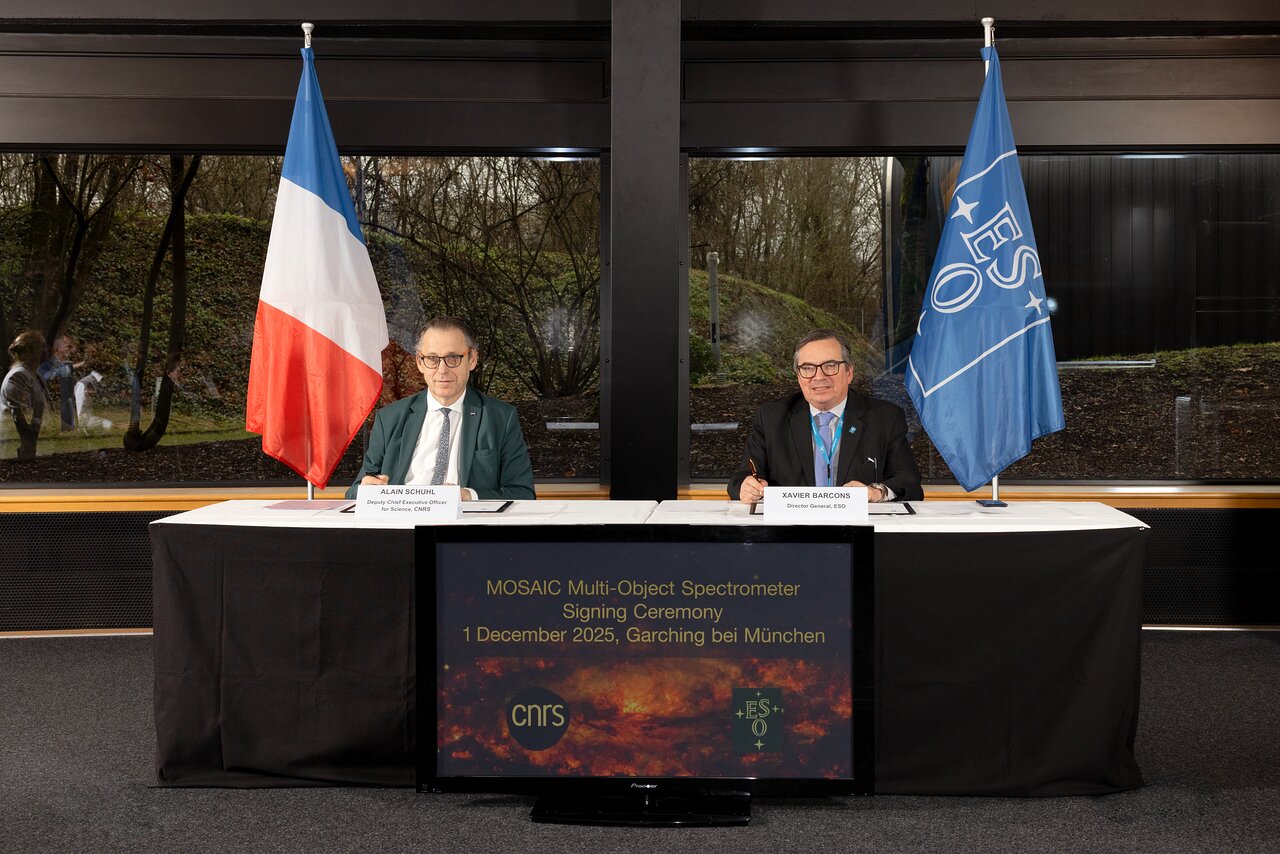
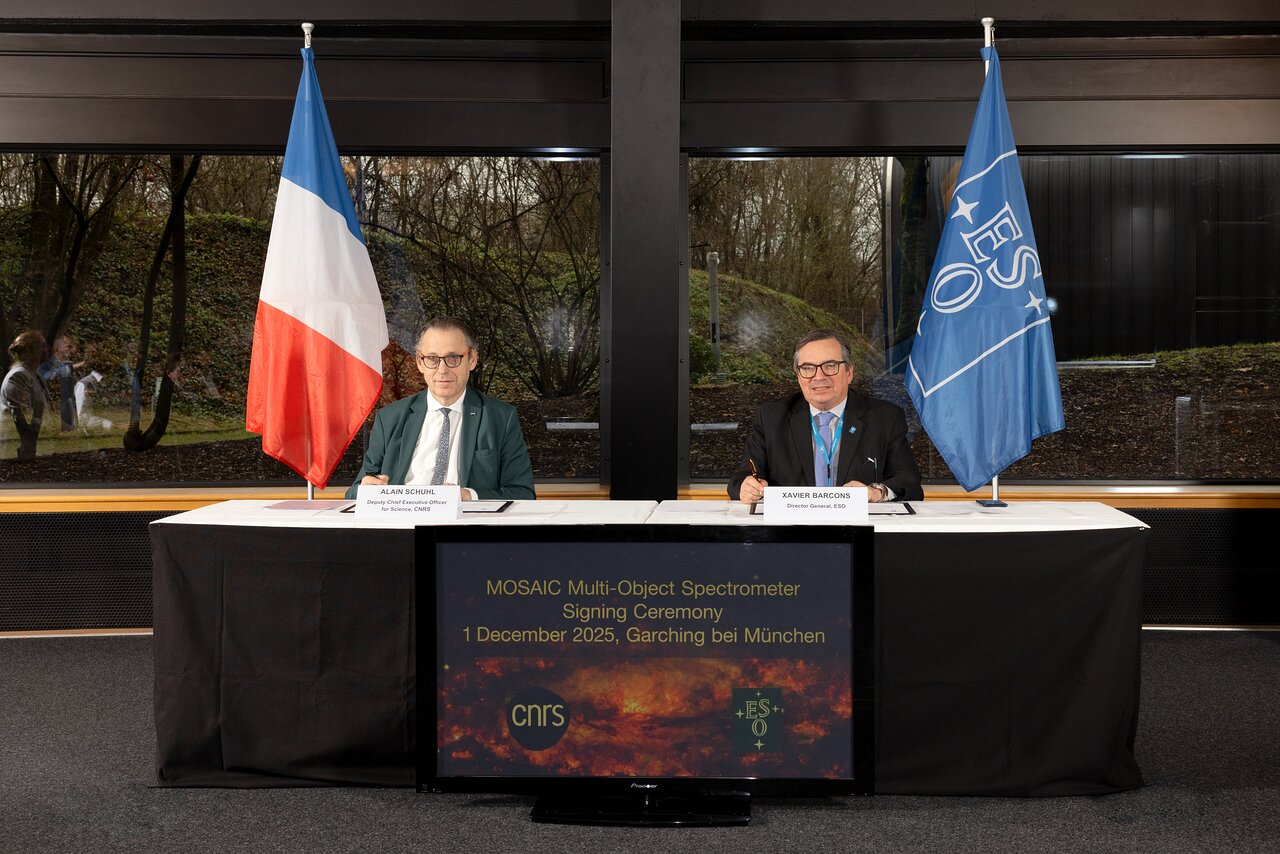
Yet another milestone reached by our Extremely Large Telescope! Today we signed an agreement with a large international consortium for the design and construction of MOSAIC, an instrument for the ELT. Able to measure the light from more than two hundred sources at the same time, MOSAIC will be used to trace the growth of galaxies and the distribution of matter from the Big Bang to the present day. Read more: #astrodon #astronomy #astrophysics #space #science image
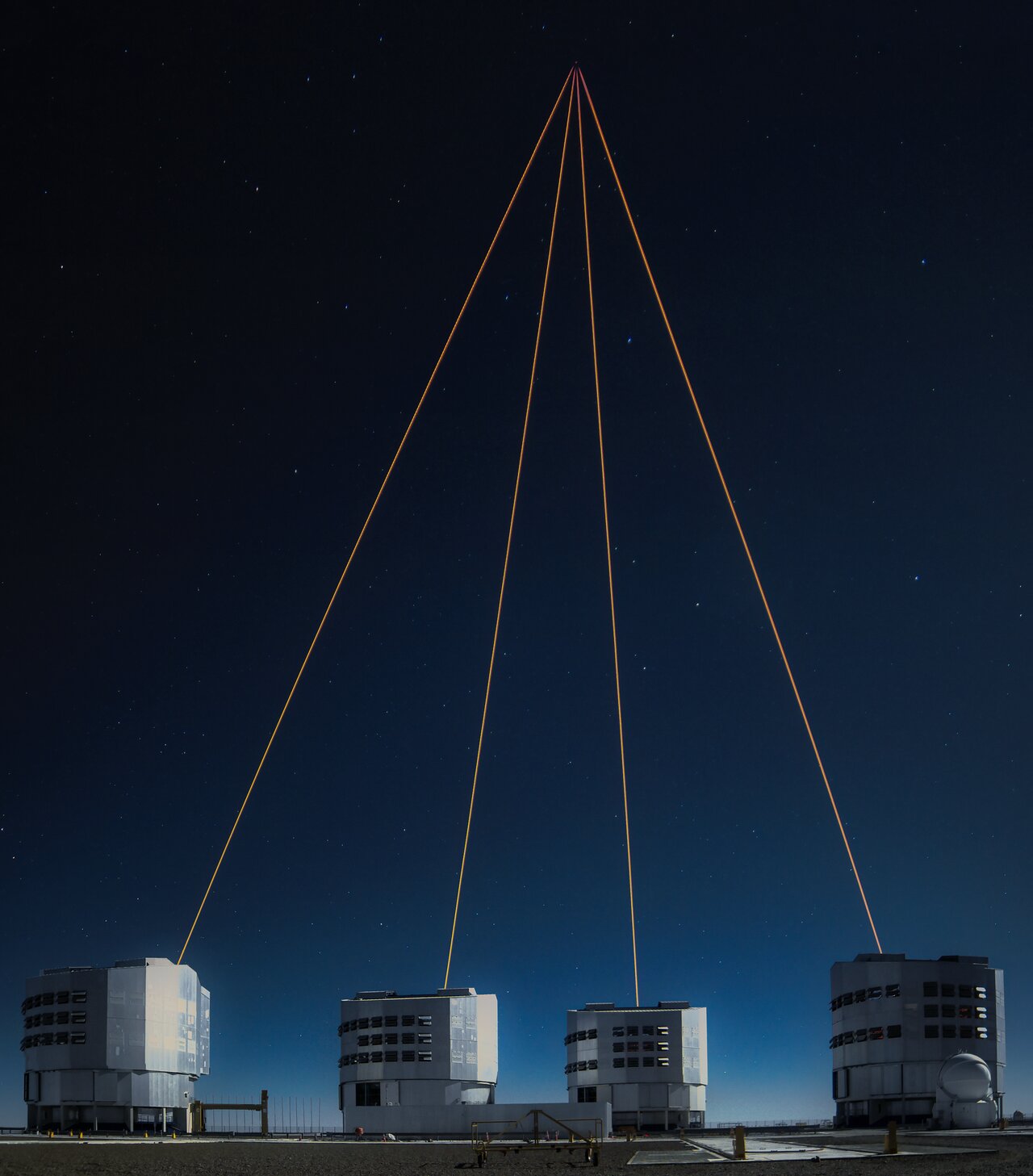
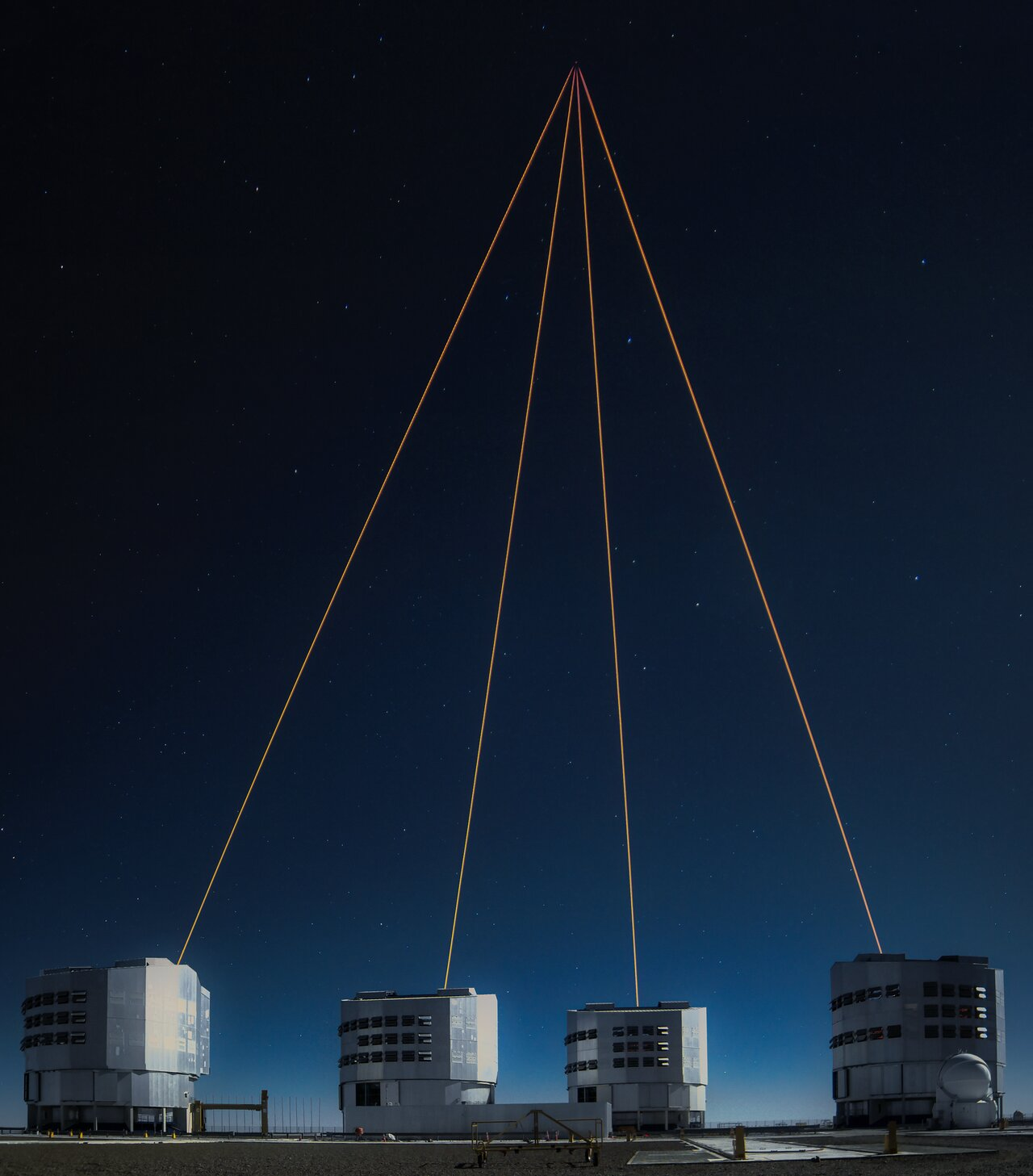
1/ A telescope fist bump in the sky 🤜 🤛 Only by working together can our Unit Telescopes become the Very Large Telescope Interferometer. By combining the light, the VLTI obtains the level of detail of a huge 130 m virtual telescope. Yet this requires correcting the effects of Earth’s atmosphere. So, new lasers were installed in the previously unequipped UTs as part of the GRAVITY+ upgrade. More: 📷 J. Beltrán/ESO #astrodon #astronomy #astrophysics #space #science image
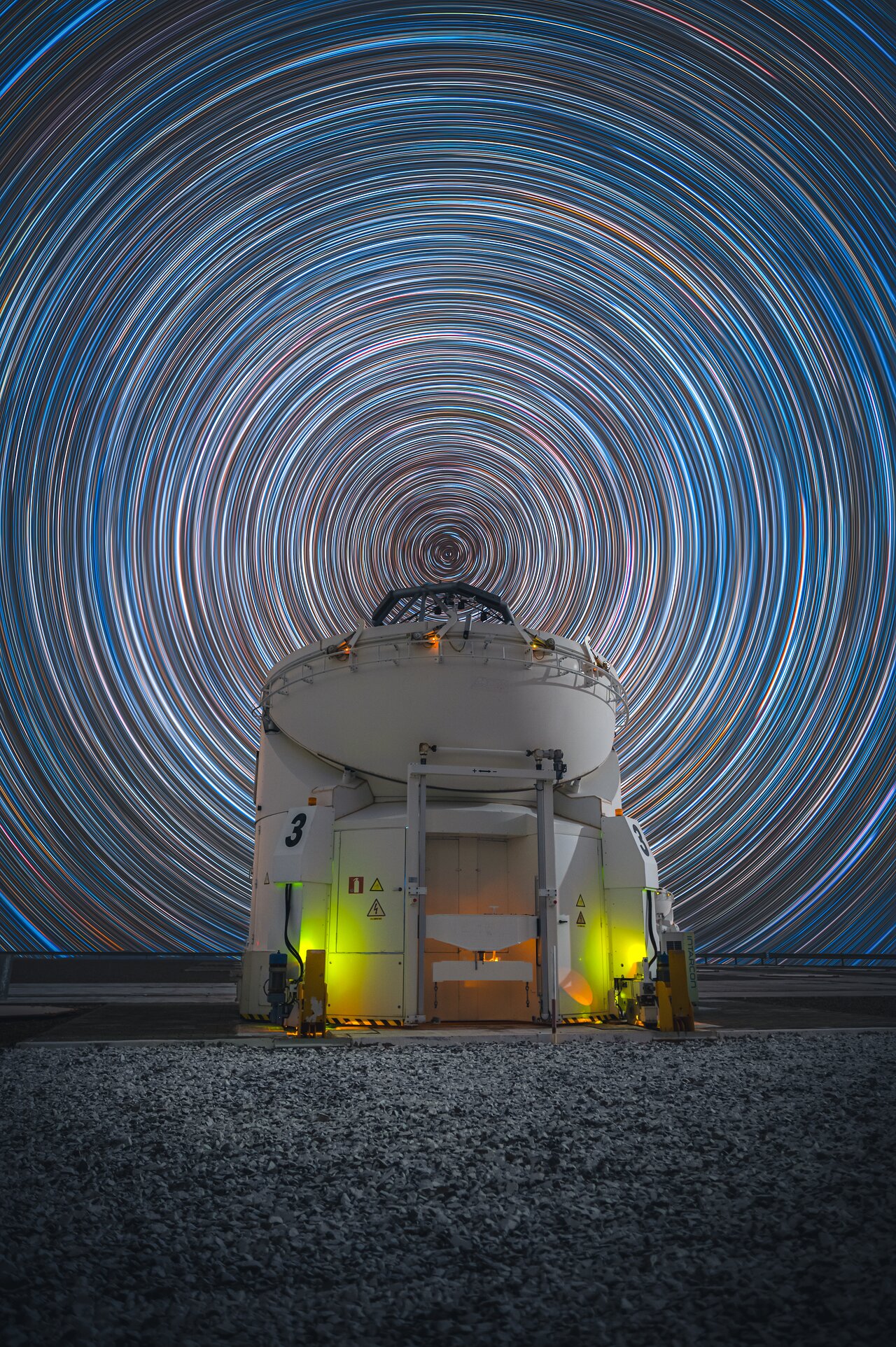
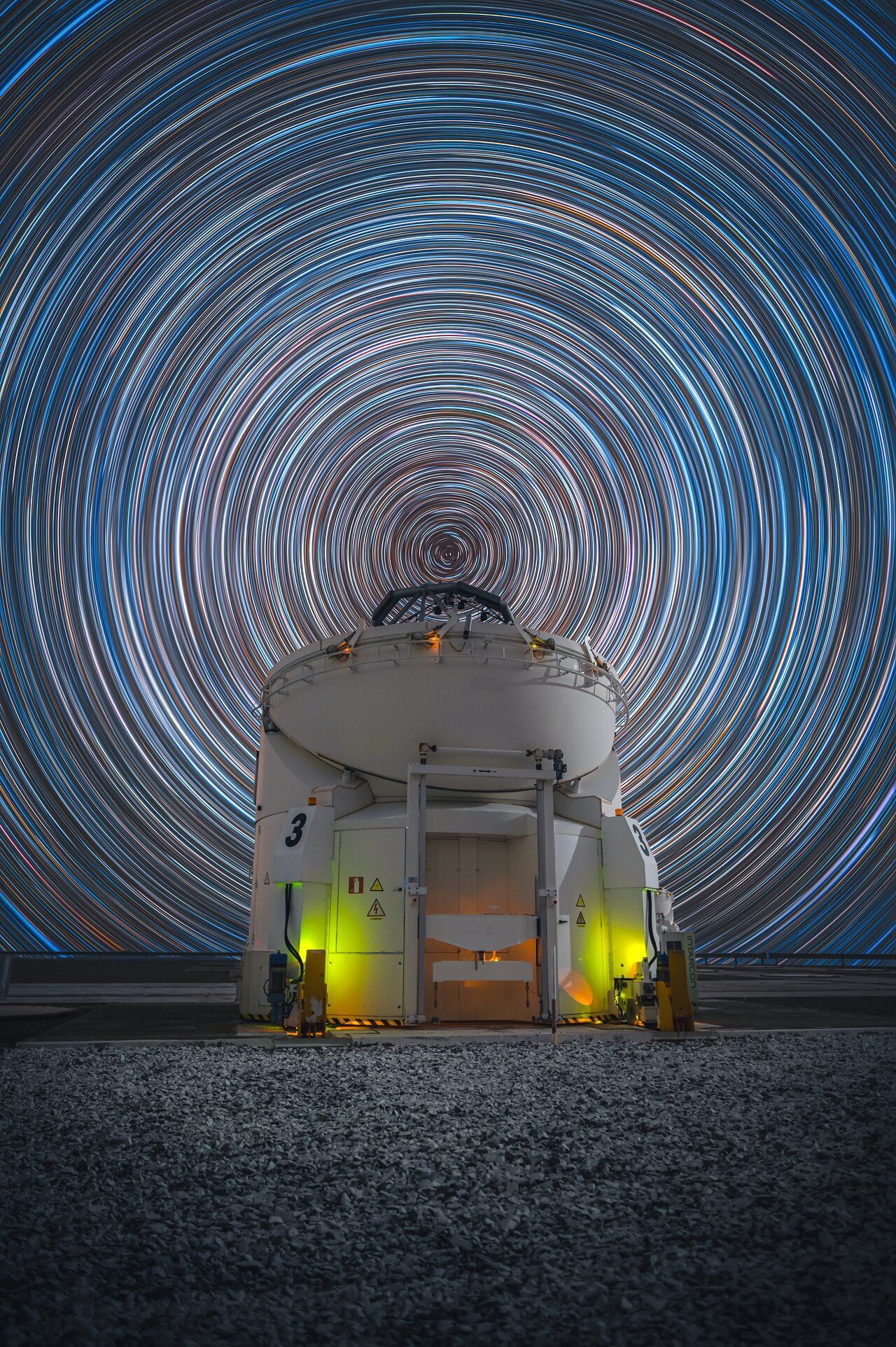
A hypnotising view of Paranal in #Chile! Yet the sky is not revolving around the tip of one of our Auxiliary Telescopes. This illusion is caused by the almost perfect alignment with the southern celestial pole, around which stars seem to trail due to Earth's rotation. Capturing these circular star trails is no easy task: a slight misalignment can completely ruin the outcome! 😲 Read more: 📷 O. Castillo/ESO #astrodon #astronomy #astrophysics #space #science image
For the first time ever, astronomers have unveiled the shape of a star’s explosion at its earliest stage. The feat was achieved by ESO's Very Large Telescope just a day after the detection of this supernova, as the blast was breaking through the star’s surface. This brief initial phase wouldn’t have been observable a day later. This will help shed light on how massive stars go supernova. Illustration: ESO/L. Calçada #astrodon #astronomy #astrophysics #space #science image
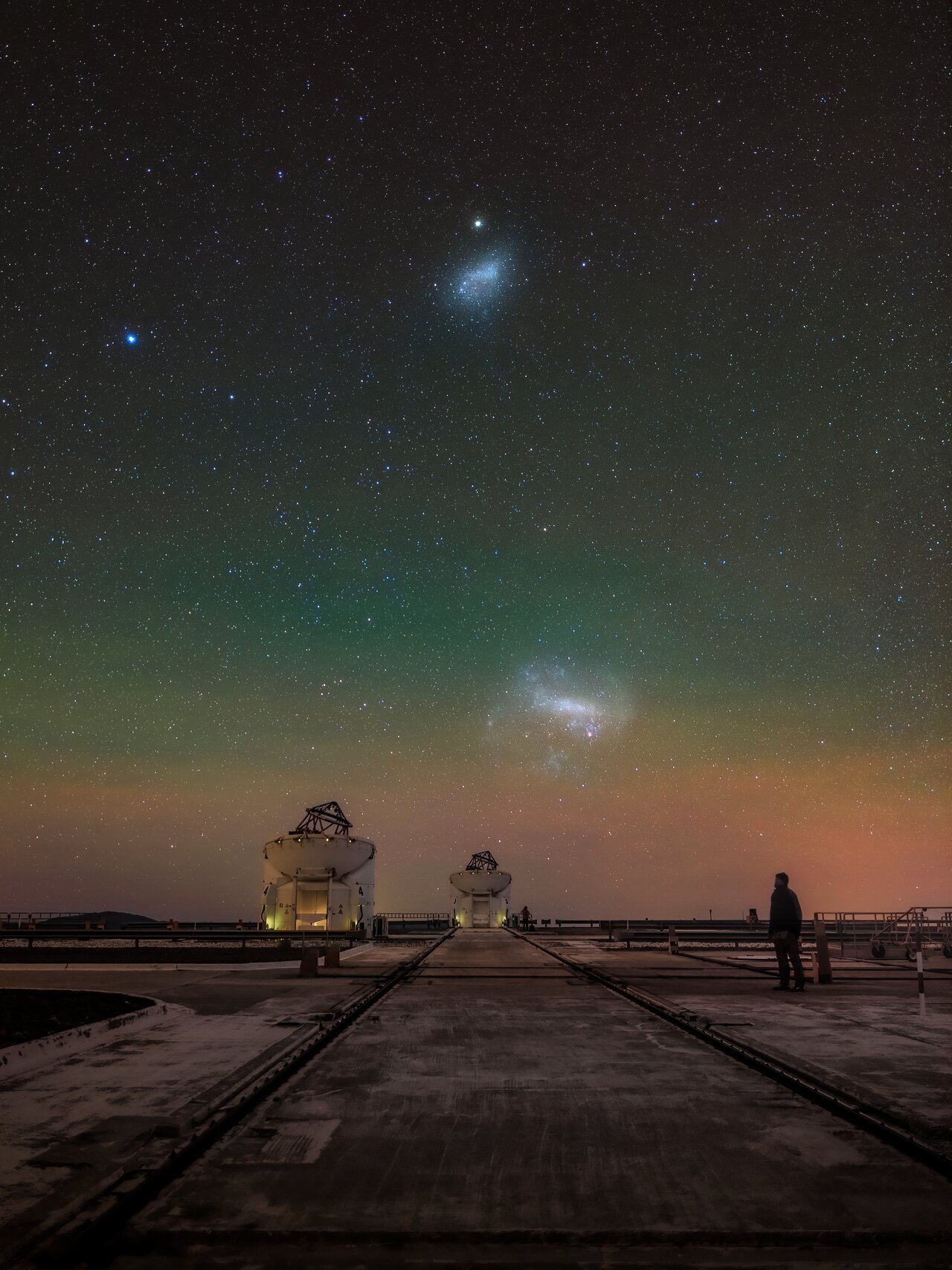
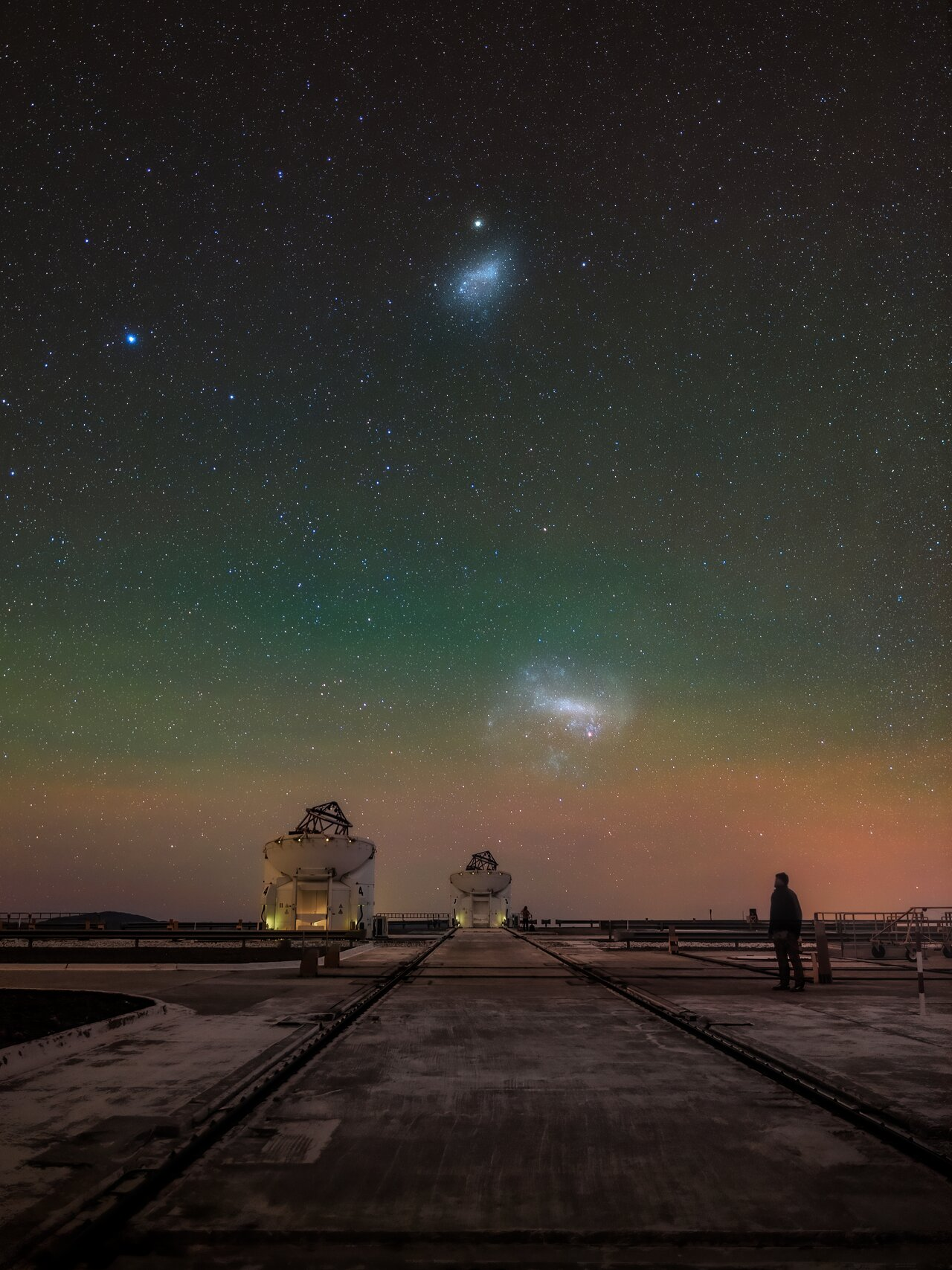
A dance of two pairs! While the two Magellanic Clouds shine upon the Atacama Desert in #Chile, two Auxiliary Telescopes of ESO’s Very Large Telescope Interferometer point up to the sky. Just like our cosmic neighbours move around the Milky Way, the Auxiliary Telescopes can be moved along rails and arranged in different configurations when observing the sky. Read more: 📷 J. Looten/ESO #astrodon #astronomy #astrophotography #astrophysics #space #science image