Electronic Frontier Foundation

Electronic Frontier Foundation's avatar
Electronic Frontier Foundation
npub1m24q...d9a3
We're the Electronic Frontier Foundation. We're a nonprofit that fights for your privacy and free speech online. Find all of EFF's social media accounts at eff.org/social. Website: https://www.eff.org
We've said it before and nine federal courts have made it clear as well — you have the right to film ICE. EFF has joined 12 other free speech organizations calling on the Trump Administration to stop spreading the false claim that it is "illegal" to record ICE agents.
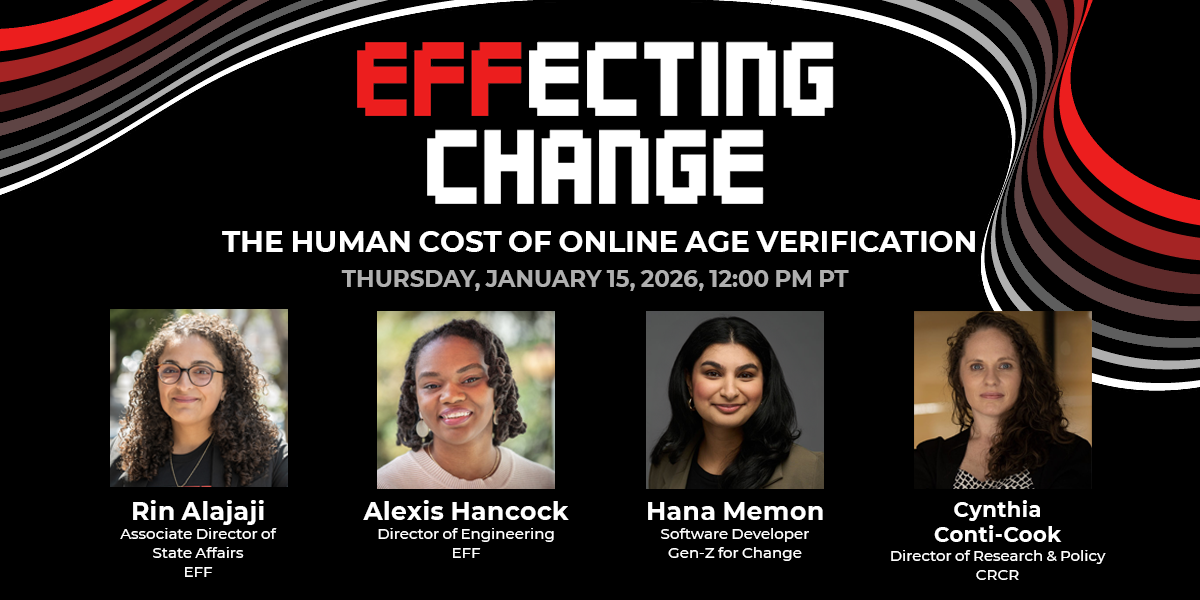
Age verification mandates are spreading rapidly, despite clear evidence that they do not work and actively harm the people they claim to protect. We're discussing these laws and how we're fighting back tomorrow at 12 PM PT. Join us live!
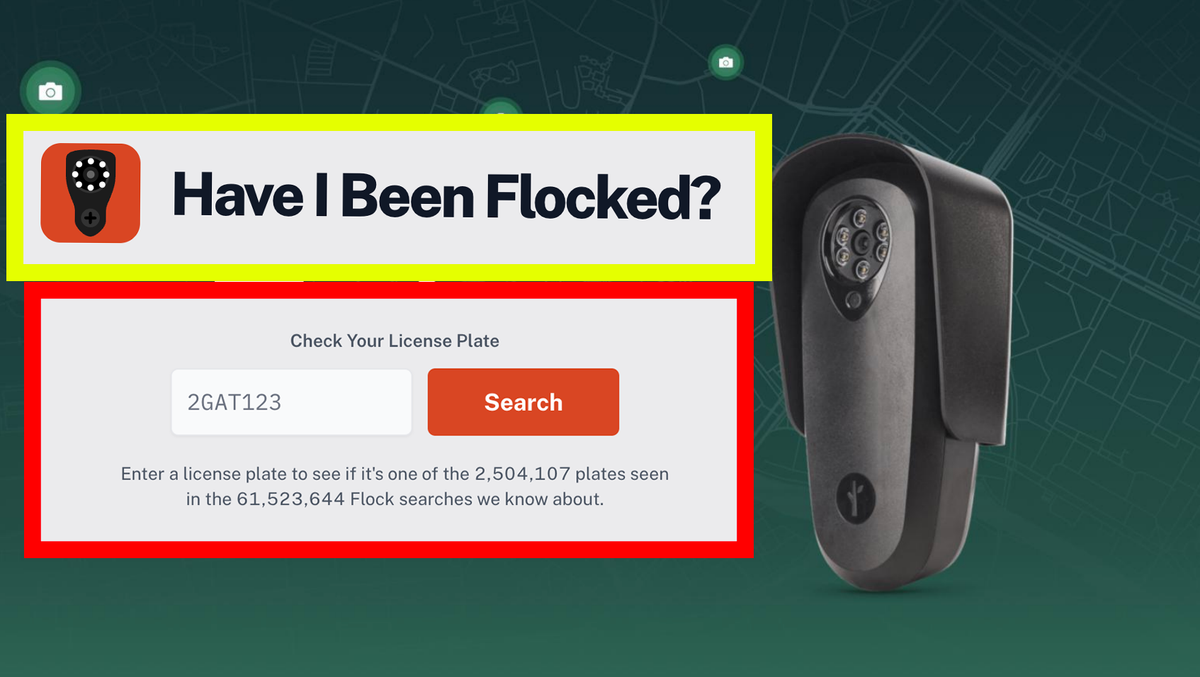
EFF didn’t share the unredacted data because “our policy is not to release data of surveillance victims,” EFF’s Cara Gagliano told @npub1psar...j5uh. But Flock’s demands that web hosts take it down “are bogus… It’s data obtained from public records.”
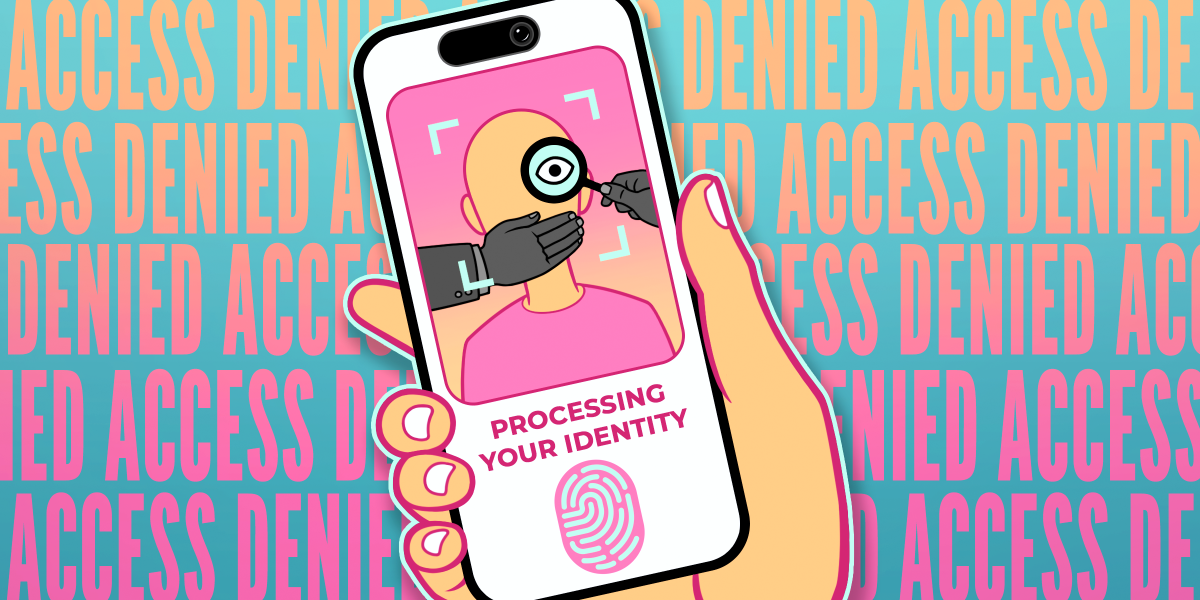
Wondering how likely it is for your ID to be leaked when you hand it over for an age check? Want to know how companies are guessing your age in the first place? Read all about it in our guide to age assurance technology.
If one looks closely at the actual data as well as the negative consequences of license plate readers, it becomes pretty clear that these are usually not a good deal for our communities,” EFF’s Adam Schwartz told @ArkTimes.
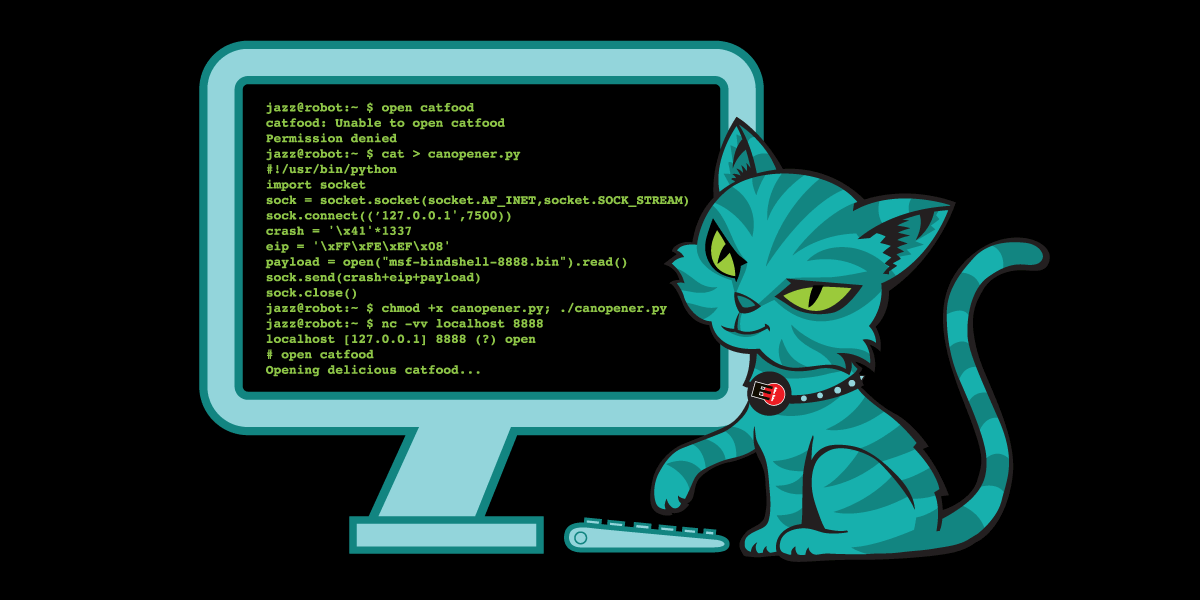
It can be hard to imagine how to defend oneself against an overwhelming force like ICE. But a few enterprising hackers have started projects to do counter-surveillance against ICE, and hopefully protect their communities through clever use of technology.
Google, Meta, and Amazon are among the top companies tracking you across the web. By automatically blocking their trackers, Privacy Badger makes it harder for Big Tech companies to profit from your personal information.
The issue of online safety is not solved through technology alone, and young people deserve a more intentional approach to protecting their safety and privacy online—not the lazy age verification strategies we saw implemented last year that cause more harm than they solve.
En 2025, la “verificación de edad” dejó de ser experimento y se volvió política masiva en EE. UU.: más censura, más vigilancia y más riesgos para privacidad y anonimato. La supuesta “seguridad” termina dañando a todos.
Age verification won't magically keep young people safer online, but that didn't prevent governments from spending 2025 implementing or attempting to introduce legislation requiring all online users to verify their ages before accessing the digital space. Here’s three ways we fought back last year.