A recently published study on Kanzi the bonobo found that he was able to track the location of people familiar to him, even when they were out of sight and could recognize the individual voices of his caretakers, a skill that has never before been tested in bonobos. Similar abilities to track groupmates have been observed in vervet and howler monkeys, but only one other great ape is known to share the bonobos’ tracking ability: humans. by Bobby Bascomb #news #bonobos
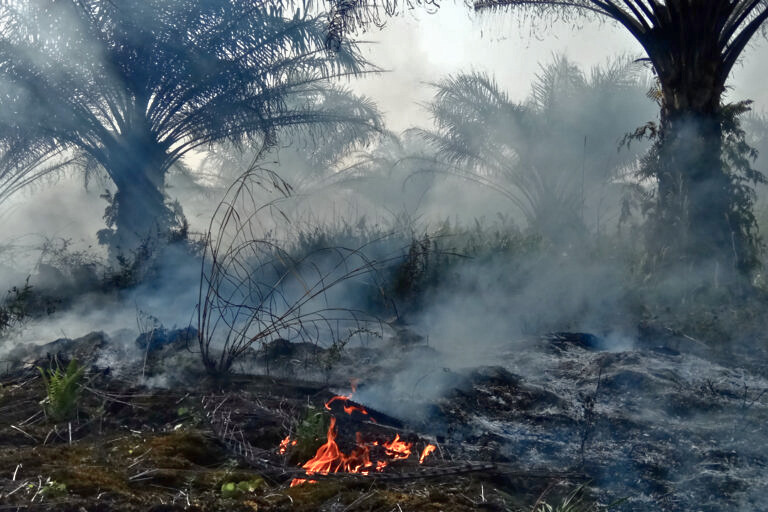
While Indonesia’s courts have fined plantation companies more than $21 trillion rupiah ($1.3 billion) for forest and peatland fires, almost none of that money has been collected. This fuels a cycle of impunity where fires continue to flare up in concessions already found guilty by court. Indonesia’s enforcement gaps also allow repeat offenders to continue operating unchecked, profiting from the very land they were banned from using. by Hans Nicholas Jong #news
For a long time, manta rays were considered a single species. In 1868, Australian Museum director Gerard Krefft suggested a second species, though, it was only in 2009 that a paper confirmed the reef manta ray as a valid species distinct from the giant oceanic manta ray. A recent study has now confirmed - there’s a third species of manta ray gracefully gliding through the seas. by Shreya Dasgupta #news #oceans #mantaray #newspecies
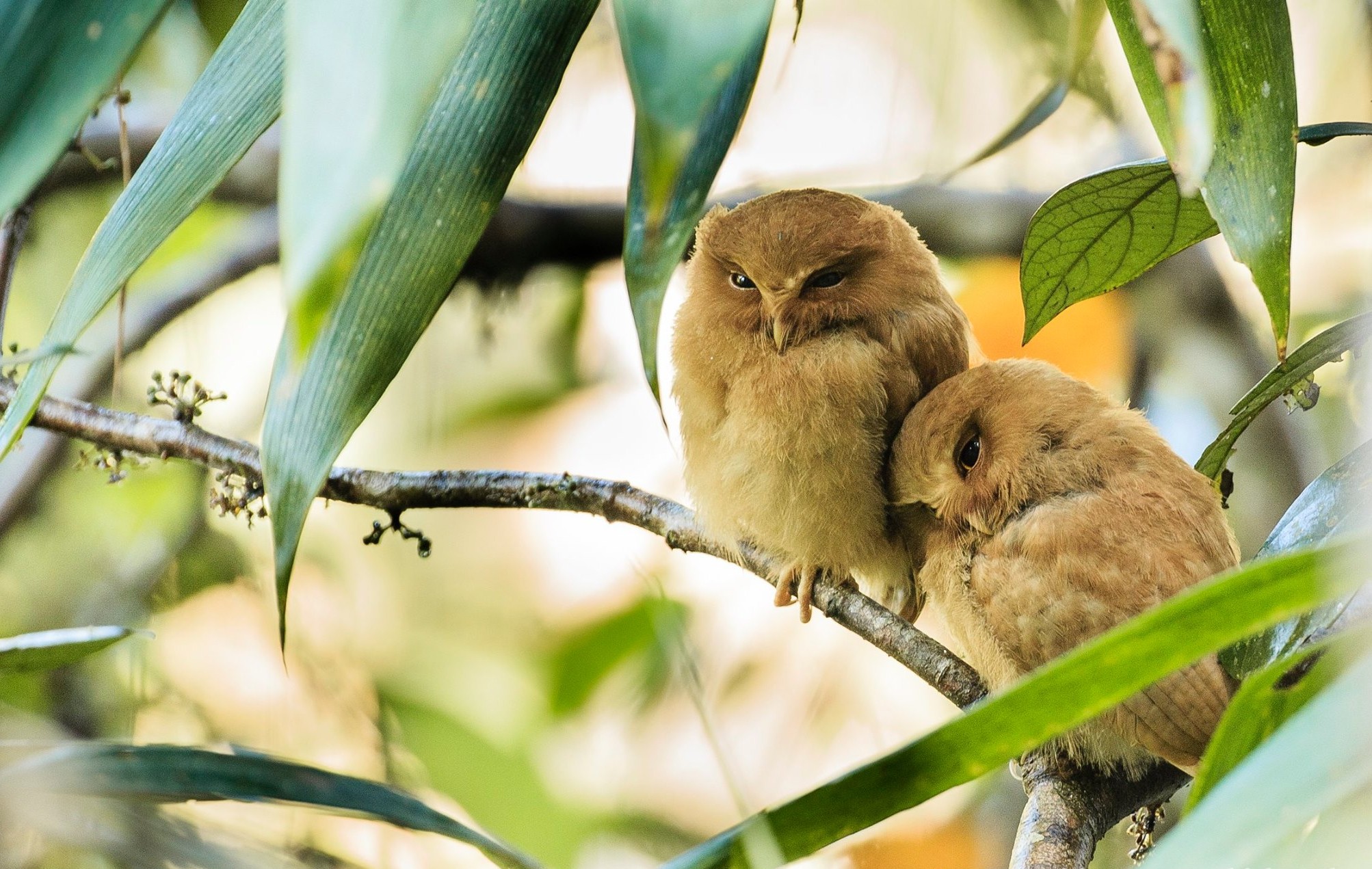
In Sri Lanka, volunteers and researchers survey owls at night along set routes to mark the International Owl Day. But what takes more effort is the public educational events to challenge deep-rooted superstitions about owls, which are generally viewed as a bad omen. This leads to persecution and eviction from nesting sites, even though species like barn owls provide valuable rodent control, hence being particularly useful in urban settings. by Malaka Rodrigo #news
The lion, with its majestic mane and the loudest growl of all the big cats, is today a vulnerable species with decreasing populations in extremely fragmented habitats. It once ranged widely throughout Africa and Eurasia; today, it’s restricted to parts of sub-Saharan Africa and one small area in western India. For #WorldLionDay on Aug. 10, Mongabay looks back at some of our coverage this year of the challenges that Panthera leo faces. Compiled by Kristine Sabillo
In 2024, the Sri Lankan government revoked the protected status of an ecologically important mangrove forest. Environmental groups challenged the decision in court, calling for reinstatement of its former conservation status. On July 26 this year, to mark World Mangrove Day, Sri Lanka declared several new mangrove areas protected, reinforcing its global recognition as the Commonwealth mangrove “champion.” by Malaka Rodrigo #news #conservation #mangrove #SriLanka
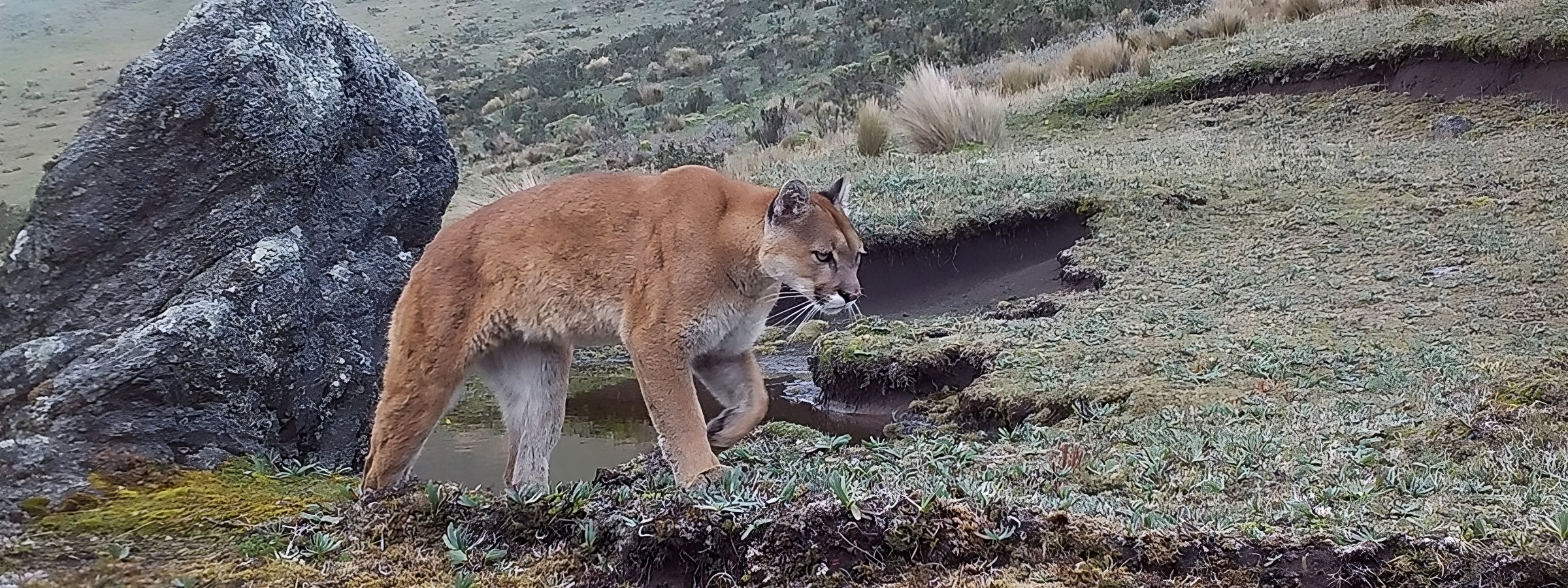
Ecuador’s Antisana páramo, southeast of Quito, was degraded for centuries by cattle ranches. In 2010, the Quito Water Conservation Fund and the Quito’s water utility secured funding to buy one of the most heavily impacted properties. Once non-native livestock were removed and restoration began, native vegetation, wetlands and species like deer, rabbits and foxes returned. by Ana Cristina Alvarado #news #restoration #conservation #environment #nature
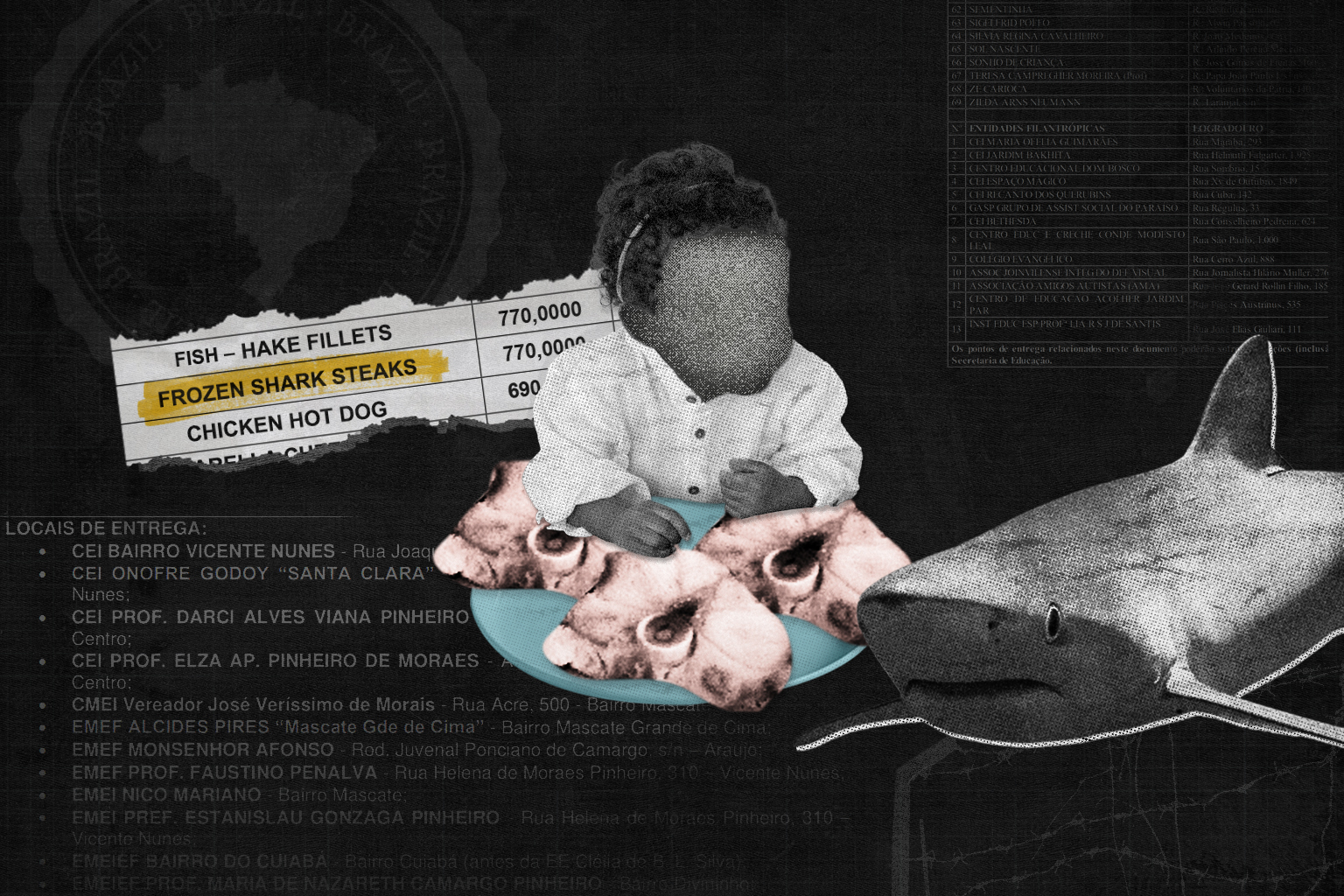
Brazil, the world’s top importer of shark meat, is feeding much of it to preschoolers, hospital patients and more via government procurements, Mongabay has found. This influx of shark meat into public buildings is exposing infants and other vulnerable groups to high levels of mercury and arsenic, which accumulate in sharks. by Philip Jacobson, Karla Mendes and Kuang Keng Keuk Ser * This story was supported by the Pulitzer Center’s Ocean Reporting Network.
They are not yet gone. But for thousands of species, the Earth is already holding its breath. A new review published in Nature Reviews Earth & Environment confirms what conservationists have long suspected: more than 10,000 species now sit on the precipice, listed on the IUCN, the global wildlife conservation authority, as critically endangered (CR) — the final designation before vanishing from the wild entirely. Founder's Brief by Rhett A. Butler #news #conservation
Investments made in the Guianas, including Venezuela as a bordering and Amazonian country, are not in line with the federal model of countries such as Brazil. In Venezuela, which is seen today as a failed state, military rule was declared in several states. In Suriname & Guyana, despite centralization in their limited territories, the national government can generate policies and provide basic services through local jurisdictions. by Timothy J. Killeen #news #Amazon