The Society of Resentment As the inequalities and discriminations of neoliberalism increase, we will increasingly live in societies of resentment: total fragmentation of feelings of injustice, the intensification of conflicts between victims and the impossibility of articulating struggles against capitalist, colonialist and patriarchal domination. These struggles leave the real aggressor unscathed and relieved by the fact that the forces and reasons for resistance and struggle against him are divided and effectively diverted from the targets that could benefit him. One of the dangers of the proliferation of the society of resentment is this: the perpetuation of the power that causes it. The other danger is the increased difficulty in distinguishing real damage from illusory damage, real causes from illusory causes, and real victims and aggressors from illusory victims and aggressors. This makes it more difficult to effectively punish, in a substantive and procedurally fair way, the real damage suffered by real victims against the real aggressors. Resentment puts an end to hope for a fairer society. Resentment replaces the Spinozist dialectic between fear and hope with the dialectic between hatred and revenge. Revenge aspires to the transfer of power, not the transformation of power. Without this transformation, there will be no hope for a better world.
In the early days of Z’s existence, a few contributors were invaluable to the impact of the project. We’re proud to count both @Chomsky and Zinn among them and to lean on their timeless insights today. note1ue58k42806hp6fsnf786hghxgkrl40pynzx24ggd7n335qvkd7hq0eu0vp Do not despair. Organize.
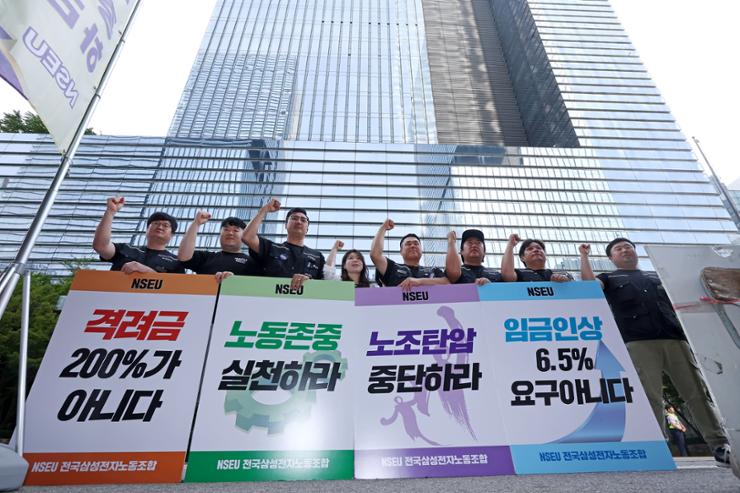
Why Did Samsung Workers Stage Their First-Ever Strike? Samsung workers went on strike demanding fair wages, transparent bonuses, and improved working conditions amid ongoing unionization challenges. By Pranjal Pandey
Stop Trying to ‘Save’ Democracy And stop waiting on politicians to do it for you. Instead, practice it—at work, school, and Little League
Open Letter to Young People on World War III “I know that most young people, when they look to the future, have a lot of fear and little hope. If they want to have more hope, they need to be prepared to instill fear in the powerful of this world who, apparently, are no longer afraid of their enemies and live in an orgy of hope.â€
Our strategy must-read for this weekend… What We Are Up Against Exposing the secret history of the making of the climate crisis should change everything about how we act to stop it. By Julia Steinberger
New from longtime peace activists and scholars Medea Benjamin & Nicolas Davies
The clarity and accuracy of @Chomsky ‘s analysis is as good now as it was in 1970. We have more than enough material wealth to render the pursuit of further aggregate growth, for its own sake, counterproductive to social and ecological indicators. What we need instead is a serious and democratic pursuit of redistribution and a redirecting of our collective creativity and work towards actual well-being within healthy, safe ecology. This will require social innovation and political will. note1mxexjx3cewratppg3hg50hpcvdz9ly6e3ejegy6vrydzw69fuz8sehscdk image
The rumors circulated today that Noam Chomsky had passed away are NOT true. This has been confirmed by his wife, Valeria, in our phone conversation today. A few major publications have taken down their obviously pre-prepared Chomsky "memorial" articles that were posted hours ago. A little rigor & decency is in order above the race to be first. Let's honor Chomsky's example in this way.
To make a rapid, far-reaching, and unrelenting break with our fossil-fuel dependency — 79% of the nation’s energy is now drawn from fossil fuels — a national mobilization would be needed, and it would have to be a genuine all-of-society effort. Fortunately, there is a historical precedent for just such a comprehensive mobilization of government and citizenry in dire circumstances…