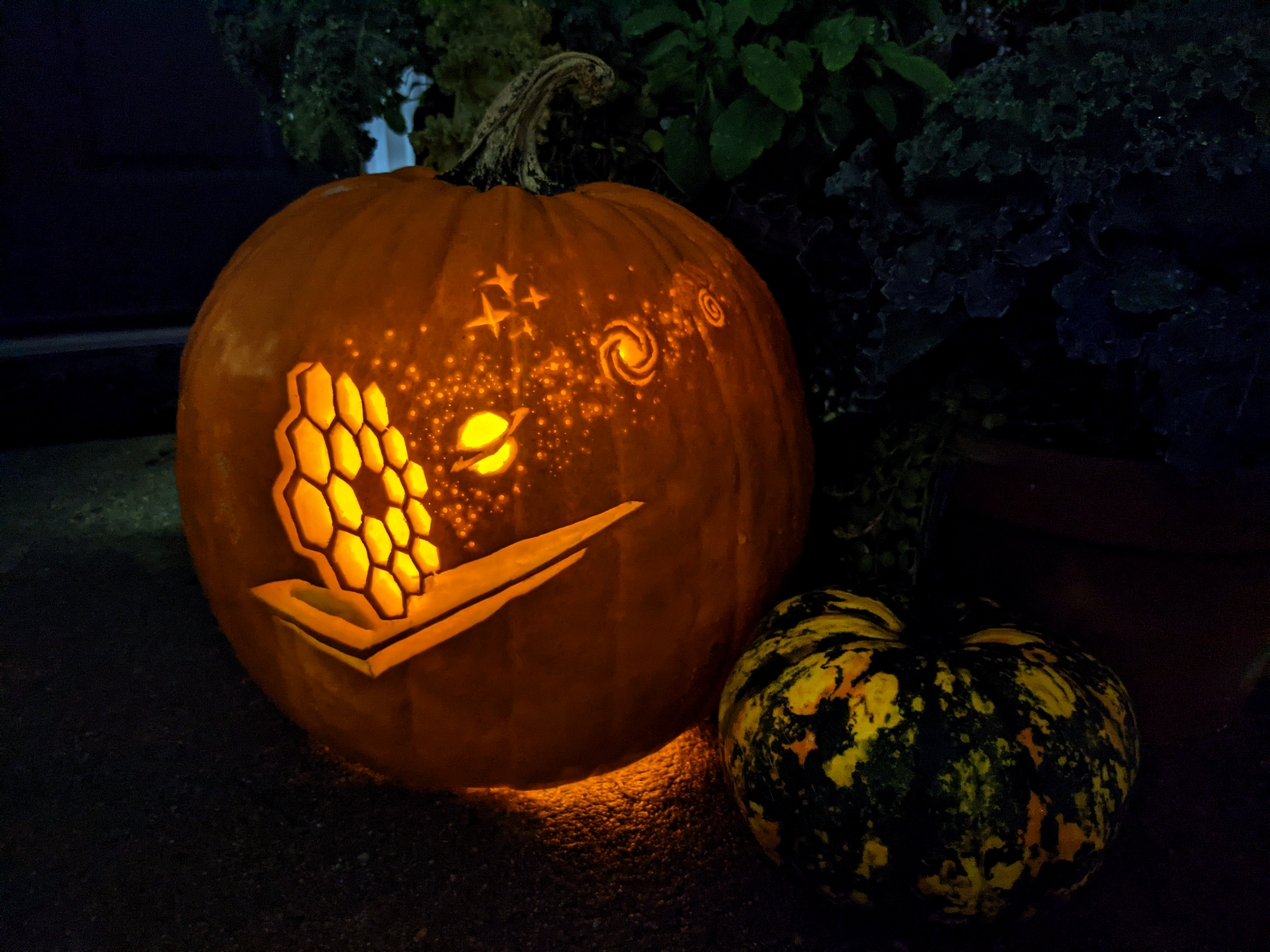
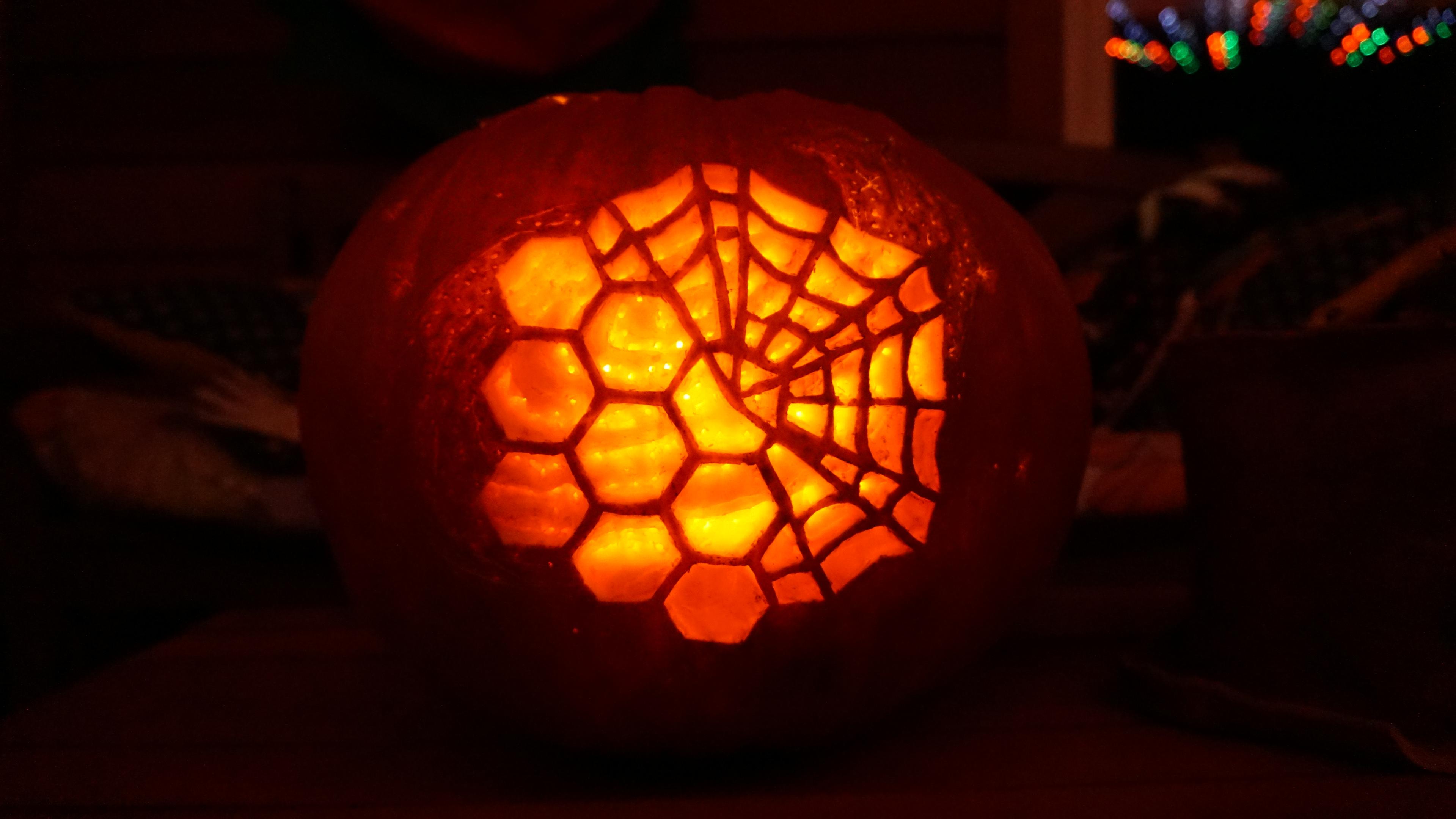
Happy Launch Anniversary JWST!
Also, thanks to Ariane Space for the great ride and for putting cameras on the Ariane 5’s upper stage so we could all say goodbye and good luck as JWST began it's 1.5 million km journey to L2.
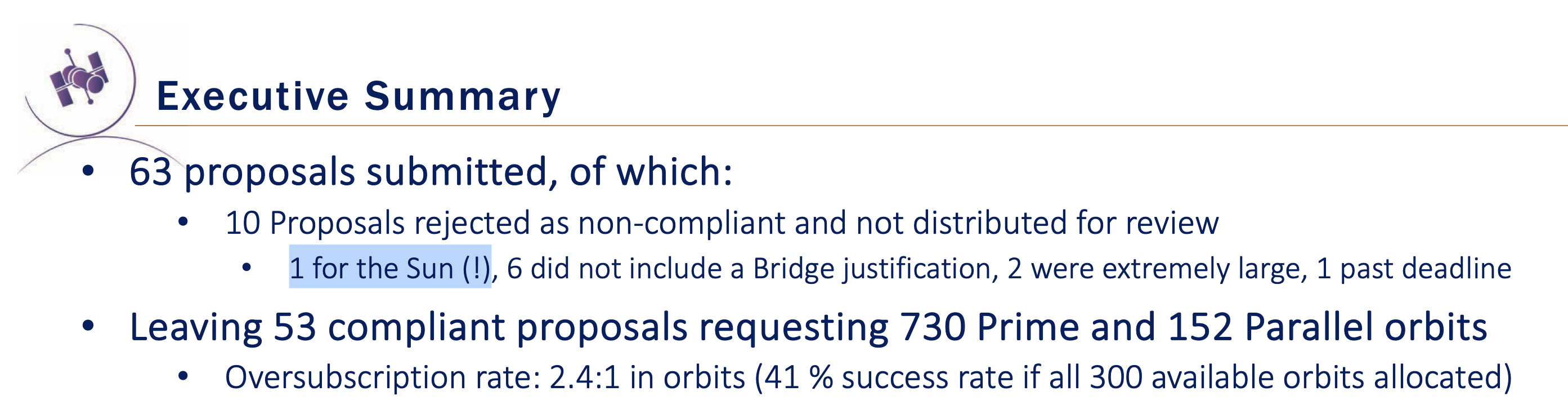
I appreciate the person who submitted a "Let's Point Hubble at the Sun!" proposal to the HST Cycle 32 Bridge Program.
(Which is very funny, but would also fry the telescope)
#Astrodon
For a while, I had a gig answering astronomy questions online.
When I got "what is that bright thing I saw in the sky?" questions, I'd guess "Venus" and then go look it up, putting their location and the time and direction of the observation into Stellarium. I'd say 98% of the time that guess was right.
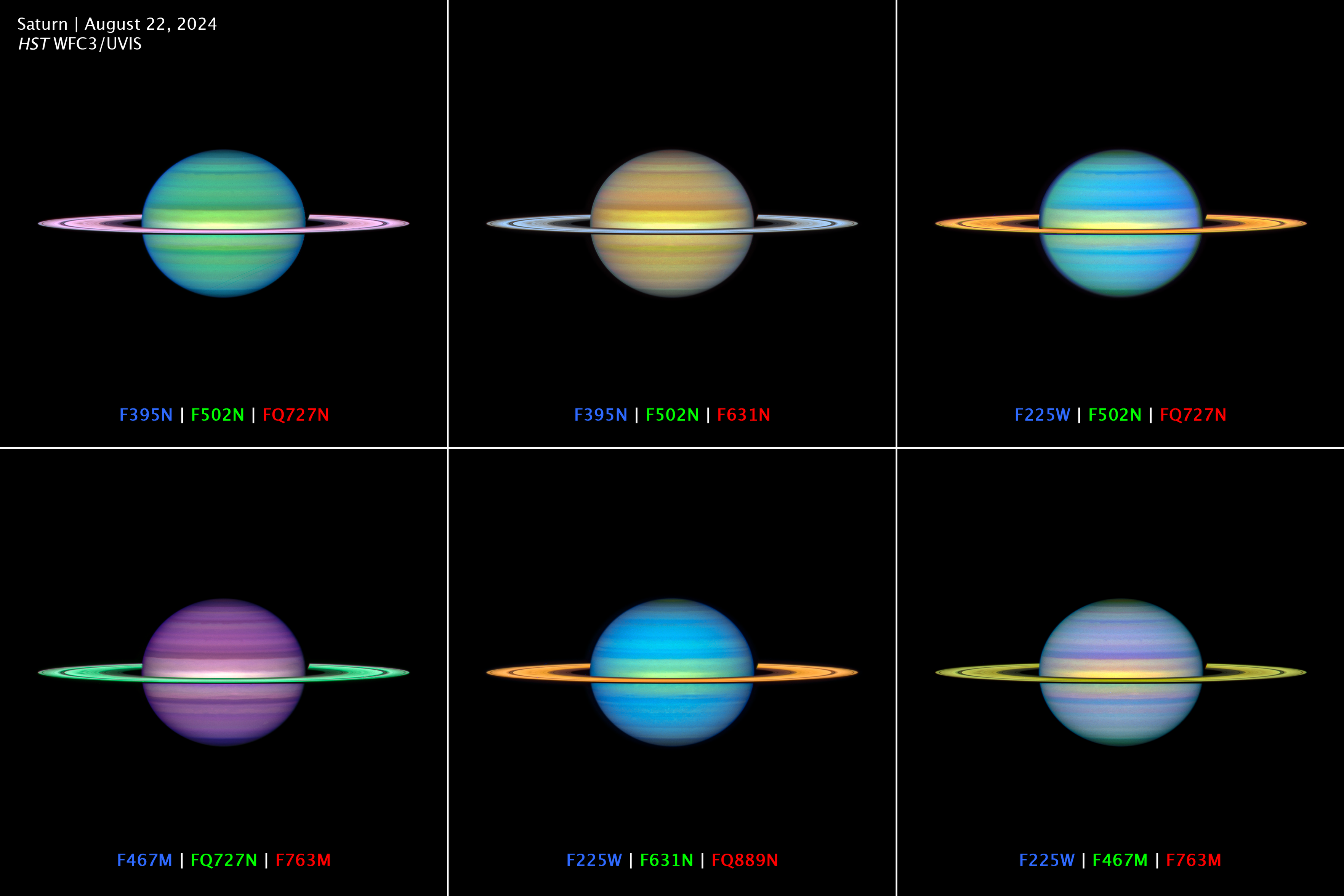
Six views of Saturn from the Hubble Space Telescope in different filters.
While this looks like a piece of pop art, these images show Saturn in different combinations of filters, mapped to red, green, and blue colors. The planet and its rings shift hues based on how strongly the planet reflects light at different wavelengths. Each filter combination emphasizes subtle differences in cloud altitude or composition.
Zoom into JWST's latest image of the star cluster NGC 602.
Located near the outskirts of the Small Magellanic Cloud, a satellite galaxy of the Milky Way, the cluster provides us with a good view of an area of relatively isolated star formation.
The local environment of this cluster is an analog of what existed in the early Universe, with very low abundances of elements heavier than hydrogen and helium.
Timeline cleanse
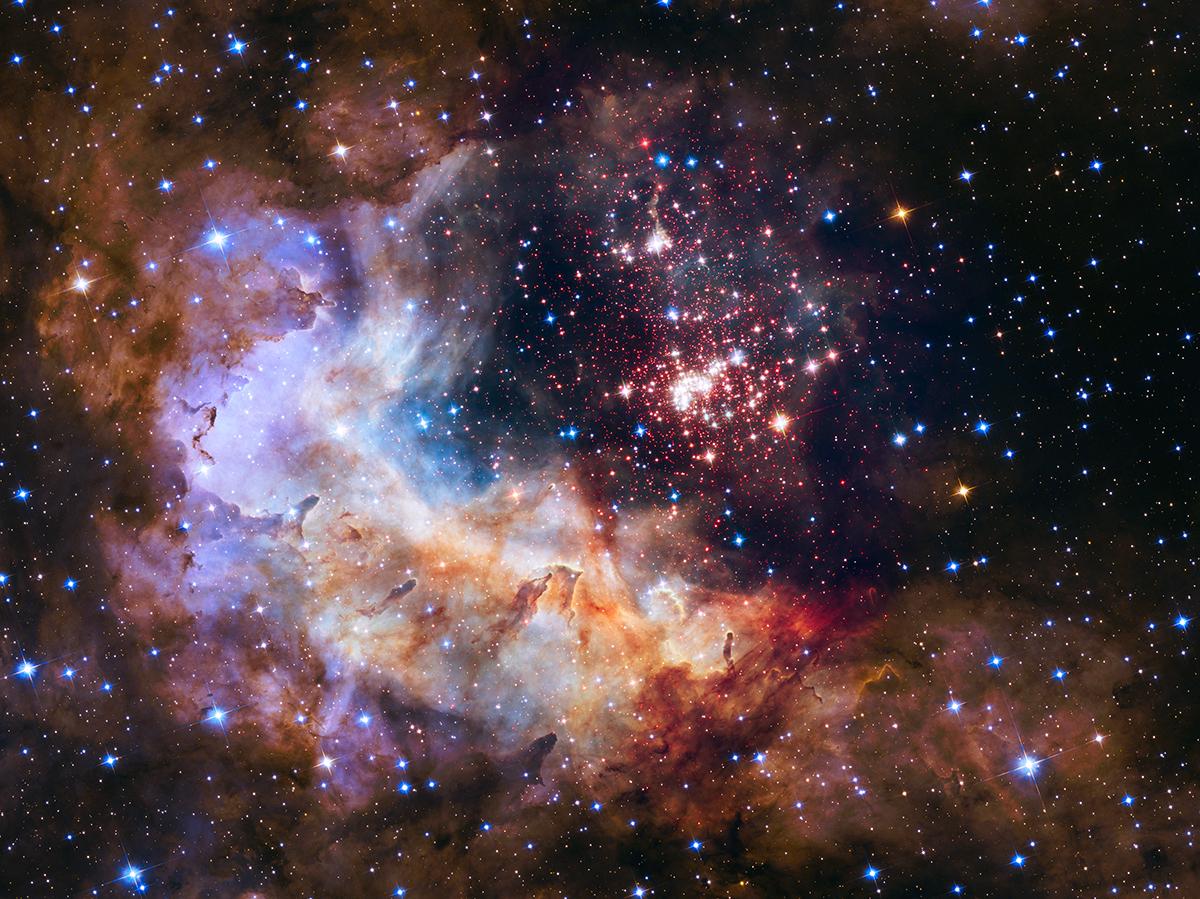
Westerlund 2 is a giant cluster of about 3,000 stars located 20,000 light-years away from Earth in the constellation Carina. These stars sculpt the surrounding nebula, carving out a cavity lined with a fantasy landscape of pillars, ridges, and valleys. The pillars, composed of dense gas and dust, are incubators for new stars. They are a few light-years tall and point to the central star cluster.
1/3
📷
Happy Halloween!
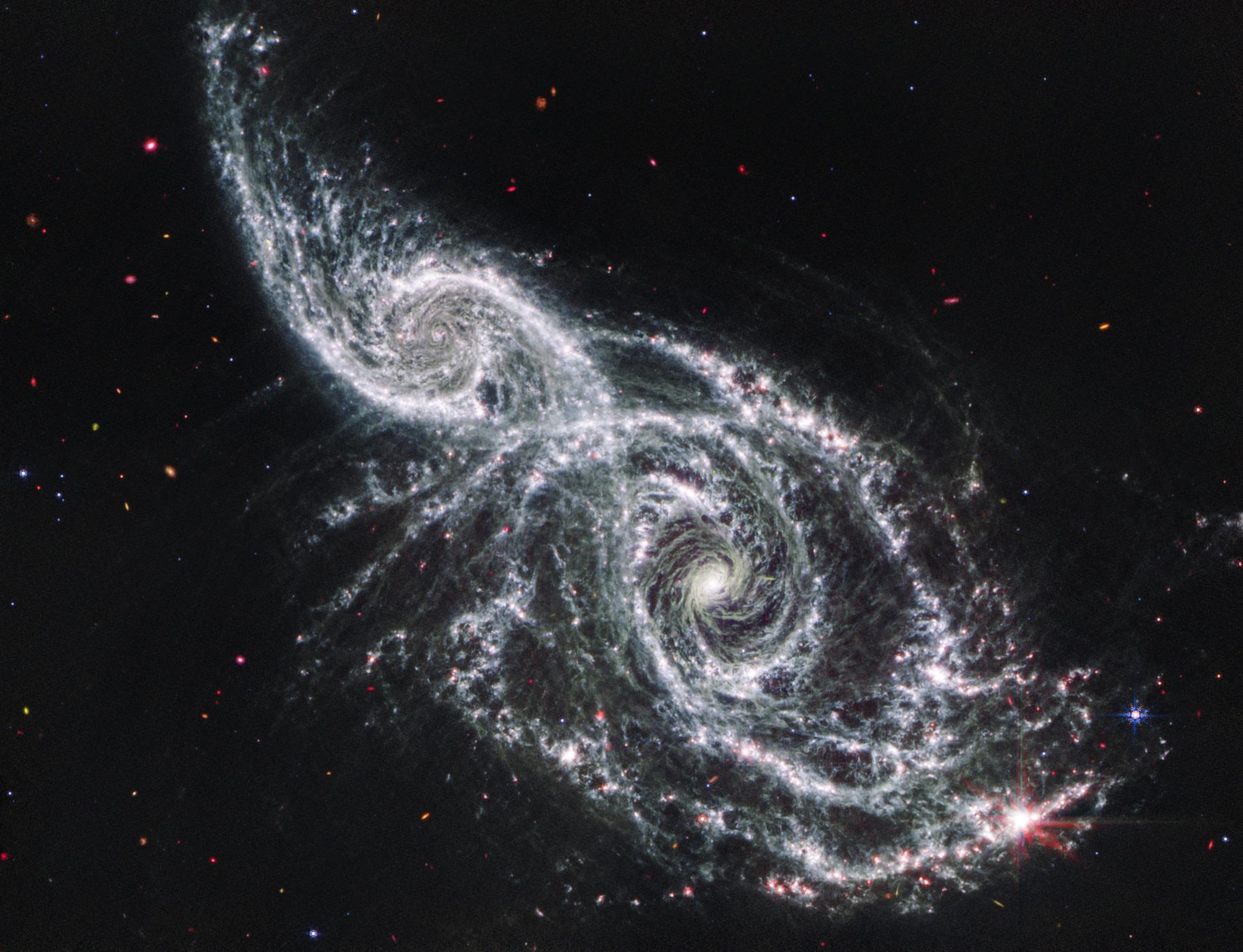
In this new mid-infrared image from #JWST, a pair of interacting galaxies, IC 2163 and NGC 2207, look like they are making direct eye contact, which is unsettling to me.
Learn more:
Happy Halloween 🎃
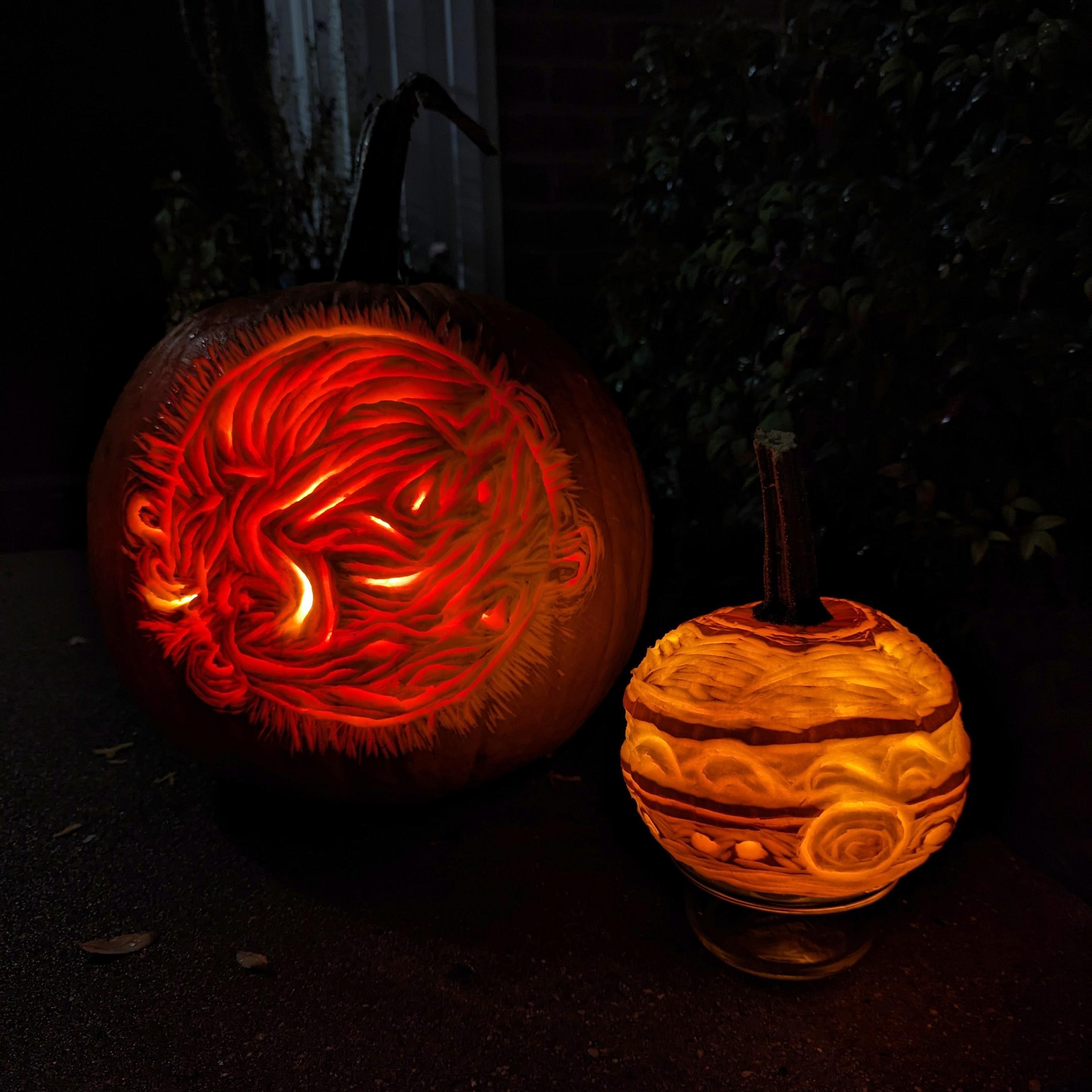
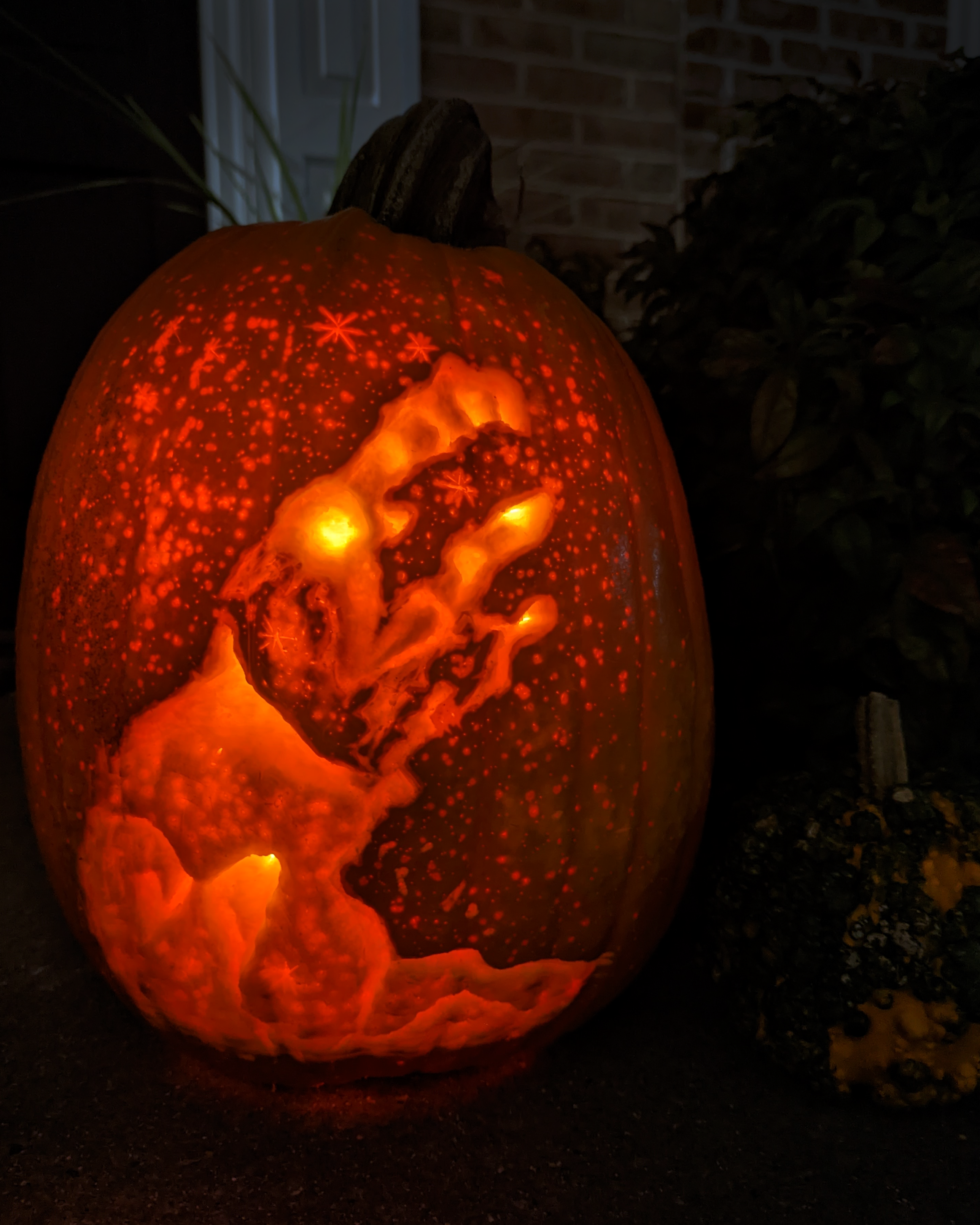
I didn't have time to carve anything this year, so enjoy my 2023, 2022, 2021, and 2020 pumpkins.
#halloween #pumpkin #JackOLantern #JWST #sciart
One of my favorite #JWST images, the Cosmic Cliffs in the Carina Nebula in molecular hydrogen.
This is the edge of a cavity within the nearby star-forming region NGC 3324 in the outskirts of the Carina Nebula, about 7,600 light-years away.
It was carved by a few extremely massive, hot, young stars located just above the frame. This image selects narrowband filters from the original "Cosmic Cliffs" image to highlight the shocks and outflows from forming stars.