GM Central PA Bitcoiners! Join us for our quarterly educational meetup tomorrow! It's at the Simpson Library in Mechanicsburg at 1pm, on Saturday March 29th. The topic is "bitcoin vs crypto". As we approach this phase of bitcoin's cycle, the noise can get louder and louder, with new projects and voices vying for both your attention and your value. Arm yourself with knowledge and resources that'll help you parse the signal from the noise. Beginners are welcome and encouraged to attend! @Lonelypumpkins @Central Pennsylvania Bitcoiners
Greetings Central PA Bitcoiners! The United States made the Louisiana Purchase in 1803, purchasing a third of the area of the current US (828,000 square miles) from France, for $15m. Whether or not it was France's to sell in the first place is up for debate, but nevertheless, the trade with the US happened, and it paved the way for expansion west. It was perilous for settlers willing to head west via such routes as the Oregon and California Trails, but there were incentives for doing so. The Homestead Acts gave away 250,000 square miles of land, which is about 10% of the area of the US. They were more generous at the beginning: 640 acres of farmland was available to every couple who applied initially. Over time, this amount decreased to 320 acres, then 160, then went away. Thereafter, if you wanted land, you'd have to pay for it. Making the journey in the early years was a treacherous endeavor, and had a high mortality rate for early settlers. In the beginning, settlers were comprised of the most rugged of mountain men, who set up primitive infrastructure. As time passed, the paths became more passable, and the journey became less formidable. Better infrastructure was put in place, and new settlers enjoyed increasingly better amenities. Contrast this with early bitcoiners. One could be paid 50 new bitcoin per block in the early years, known as the first mining epoch. The infrastructure was much less built out: you'd have to either learn how to mine yourself, or sign up with a sketchy foreign exchange to trade fiat for bitcoin. Either way, the easy to use and secure self-custody tools we enjoy today, hardware wallets, didn't exist yet, so you were on your own securing those coins. If you order a mining rig today, there's a very high chance that you're going to receive it, and when promised. In the early days, if you wanted to order a mining rig, the one you order might arrive 6 months late, after which time the network difficulty has doubled, or it might never arrive at all. After four years, that mining reward dropped from 50 new bitcoin per block, down to 25, 12.5, 6.25, and now sits at 3.125. Eventually, the West approached parity with the East in terms of civil engineering, city life, the arts, and lifestyle. As Bitcoin's ecosystem gets more built out, it becomes less treacherous of a journey and less treacherous of a destination to become a bitcoiner. We're in a place now where amazing tools exist for those hungry enough to learn to use them, at the same time that bitcoin's market cap only makes up less than 0.2% of global assets. In the 19th century, we had "go west, young man". In the 21st century, it's "stay humble, stack sats". Hope to see you at one of our March meetups! We have a coffee meetup at 1pm on Sunday the 23rd at Denim Coffee in Mechanicsburg, and an educational meetup at 1pm on Saturday the 29th at Simpson Library, with the topic "Bitcoin vs Crypto". @Lonelypumpkins @Central Pennsylvania Bitcoiners
Our next meetup will be on February 23rd from 1:00pm to 3:00pm at Denim Coffee in Mechanicsburg, Pennsylvania. We hope to see you there! #Bitcoin #Meetup
The next @Central Pennsylvania Bitcoiners Meetup is scheduled for this upcoming Sunday (2025-01-26) at Denim Coffee in Mechanicsburg, Pennsylvania from 13:00 to 15:00
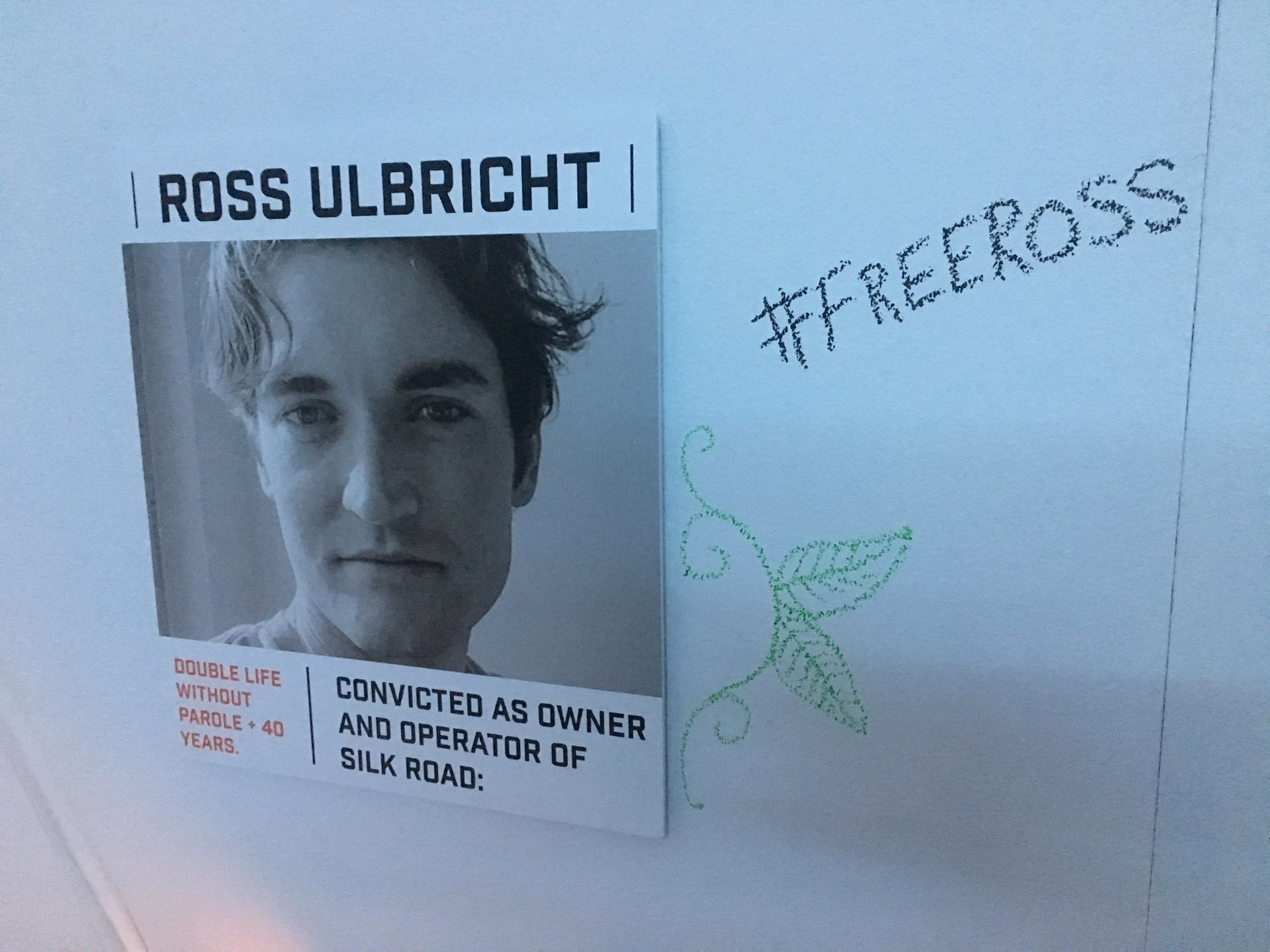
Greetings Central PA Bitcoiners! Last night we learned that Ross Ulbricht, creator of the original Silk Road marketplace, is receiving a full pardon. This is a case that was closely watched by many bitcoiners and libertarians. The Silk Road was an online marketplace that was only accessible by using the tor browser, also known as a dark net market. This site served as an eBay for illicit items, mostly drugs. Like eBay, it used a user reputation system as well as an escrow system, minimizing the risk of purchasers getting scammed. Also, bitcoin served as the method of payment and escrow. Visa, Mastercard, Paypal and (if it had existed then) Venmo aren't options in such places on the internet. Bitcoin has come a long way since its days keeping the Silk Road machine running over a decade ago. Many nocoiners still bring up its historic association with dark net markets as a negative, as something that should make people reluctant to acquire or interact with bitcoin. Silk Road, as seemingly negative an association as it might be, was instrumental in bitcoin finding a use case early on in its history. The best money shouldn't pass judgement on what it's being used for, whether that's making a purchase on the Silk Road, donating to protesting Canadian truckers, paying a female employee in much of the Arab world, or buying a Bible in North Korea. Local laws prohibit those transactions, and third party payment companies won't facilitate them for you. Is your money really yours if you have to ask someone else's permission on who you can pay with it, or what you can spend it on? Fast forward 12 years from the Silk Road days, and both federal and state governments are making moves to add bitcoin onto their treasury balance sheets. California, Massachusetts, and Wyoming are the most recent announcements. As more and more entities recognize and admit that their cash reserves are consistently getting hammered by inflation, they'll want to adopt a similar strategy. Looking forward to our next meetup, which is at 1pm on this Sunday, Jan 26th, at Denim Coffee in Mechanicsburg. Hope to see you there! @Lonelypumpkins @Central Pennsylvania Bitcoiners