All Protocol Observed Welcome to Issue 181 of The Continent. Trump is back: on the African continent we must build the post-American world order we want; the sun is setting on liberators in southern Africa; and rebuilding limbs in post-war Tigray. Read the full issue here: https://bit.ly/TC181 image
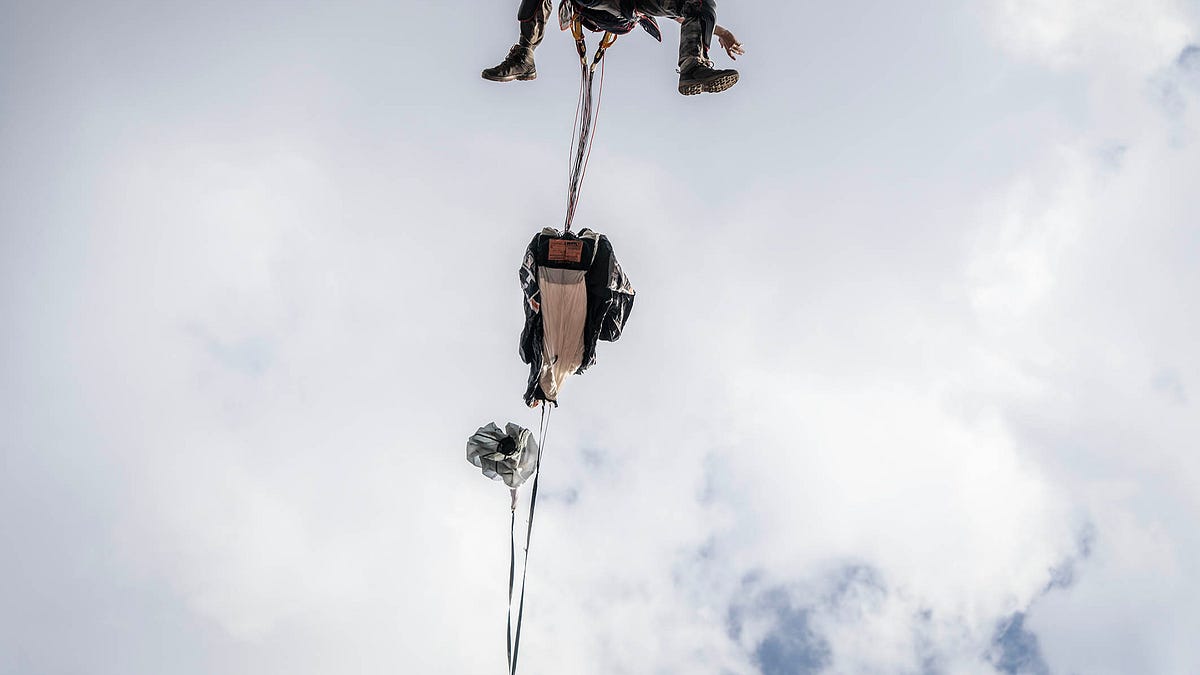
While base jumping is unregulated in South Africa, regulatory bodies are starting to form elsewhere. The Swiss Base Association, for example, works with authorities, locals and other air sport parties such as paragliders to keep the sport safe for everyone involved.
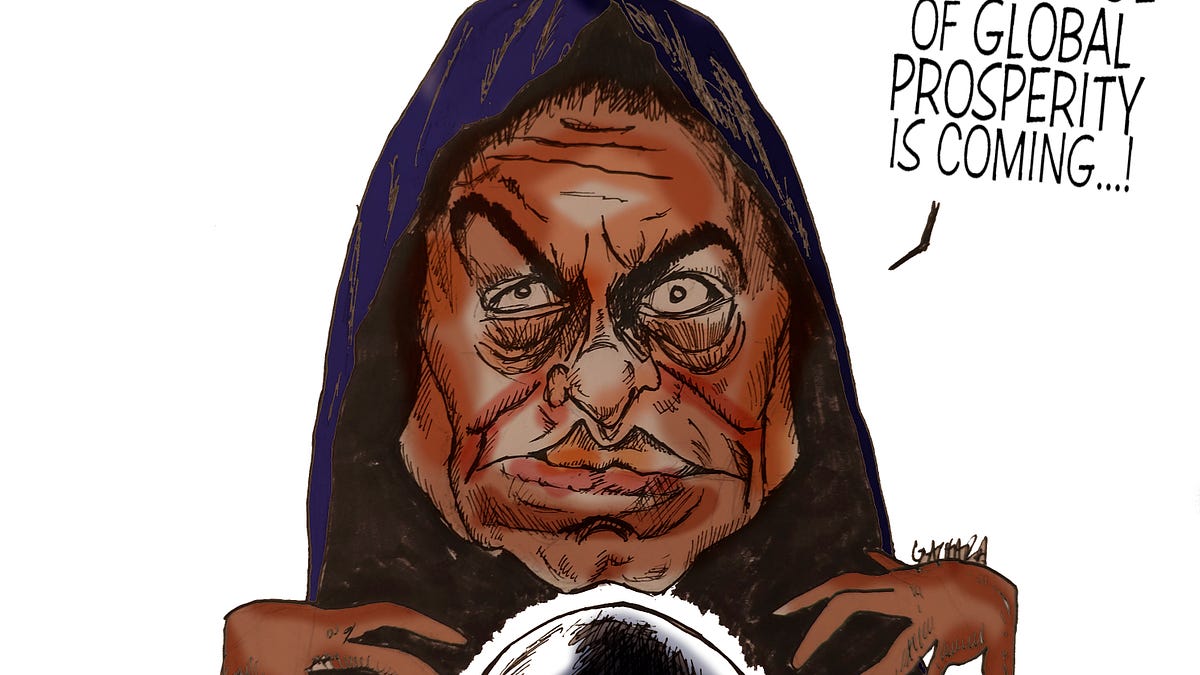
COMMENT: Sure, the US is still the premier military power on the planet and has demonstrated that it can hold the UN Security Council hostage on votes over Gaza. But politically, the US has probably never been more isolated and derided than it is today. And it only has itself, not the rest, to blame.
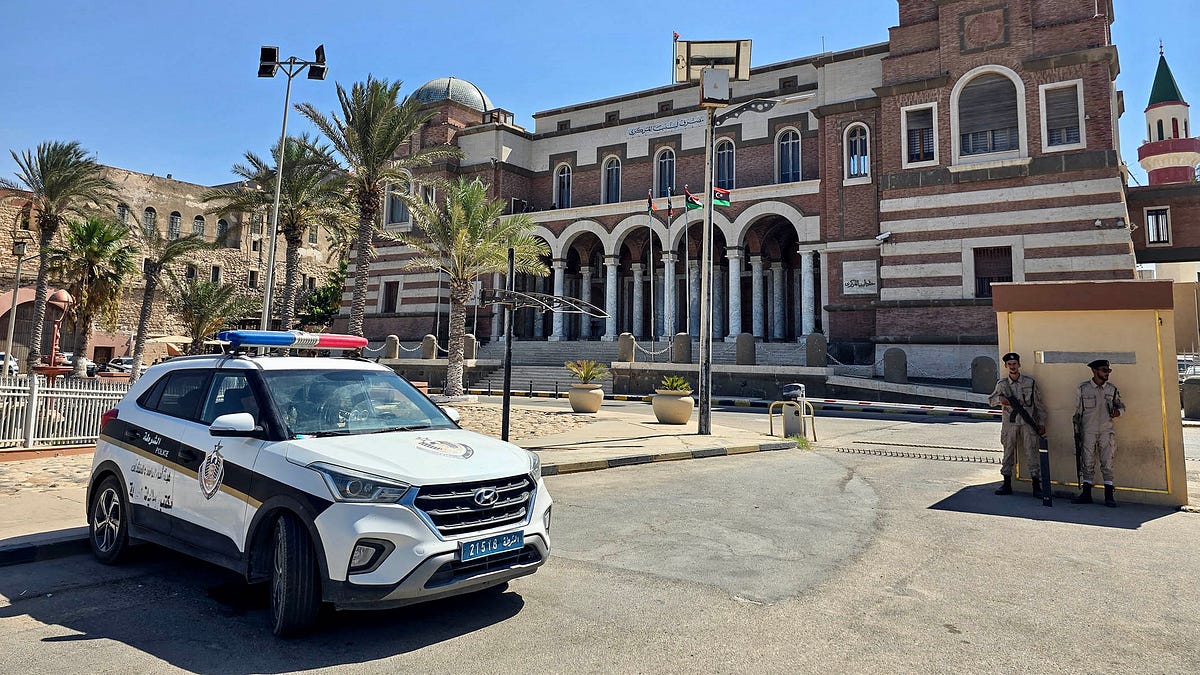
No one can afford a war that directly hits the central bank. Not even Libya’s militias, which – like everyone else – get their money from it. That calculation may be all that saved the country from another civil war.
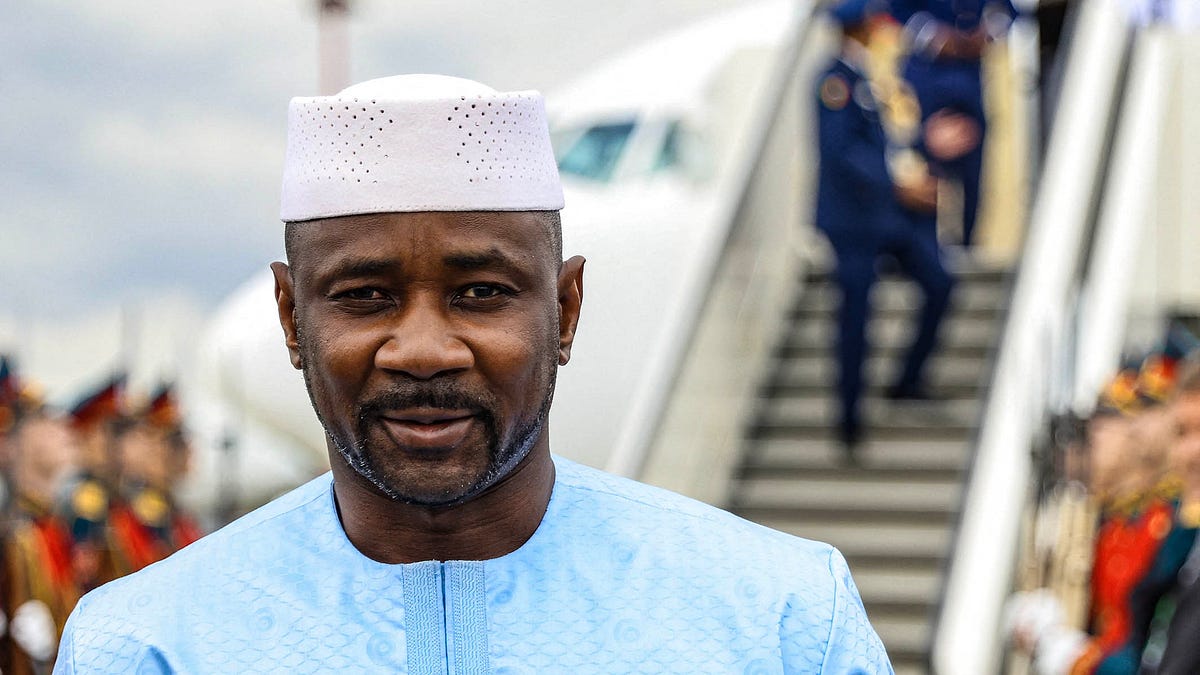
ANALYSIS: Technically, Colonel Assimi Goïta does not have to hold elections in Mali any time soon. But he has a tactical incentive to do so now: battlefield difficulties are hollowing out his promise to secure the country, writes [@beverly_ochieng]( )
The last tim Cameroonian president Paul Biya was seen in public anywhere in the world was on 8 September in Beijing, after attending the Forum on China-Africa Cooperation. He was conspicuously absent from the UN General Assembly meeting in the US weeks later, and from the Francophonie summit in Paris this month.
All Protocol Observed Welcome to Issue 178 of The Continent. His aides insist that Paul Biya, the nonagenarian president of Cameroon, is not dead. But he's not been seen in public for weeks, and he was already starting to look a bit frail. Cameroonians are worried: not so much for the longtime president himself, who is not especially popular, but for the future of a fragile country that has no clear succession plan – and lots of hungry pretenders. Read it here: https://bit.ly/TC178 image
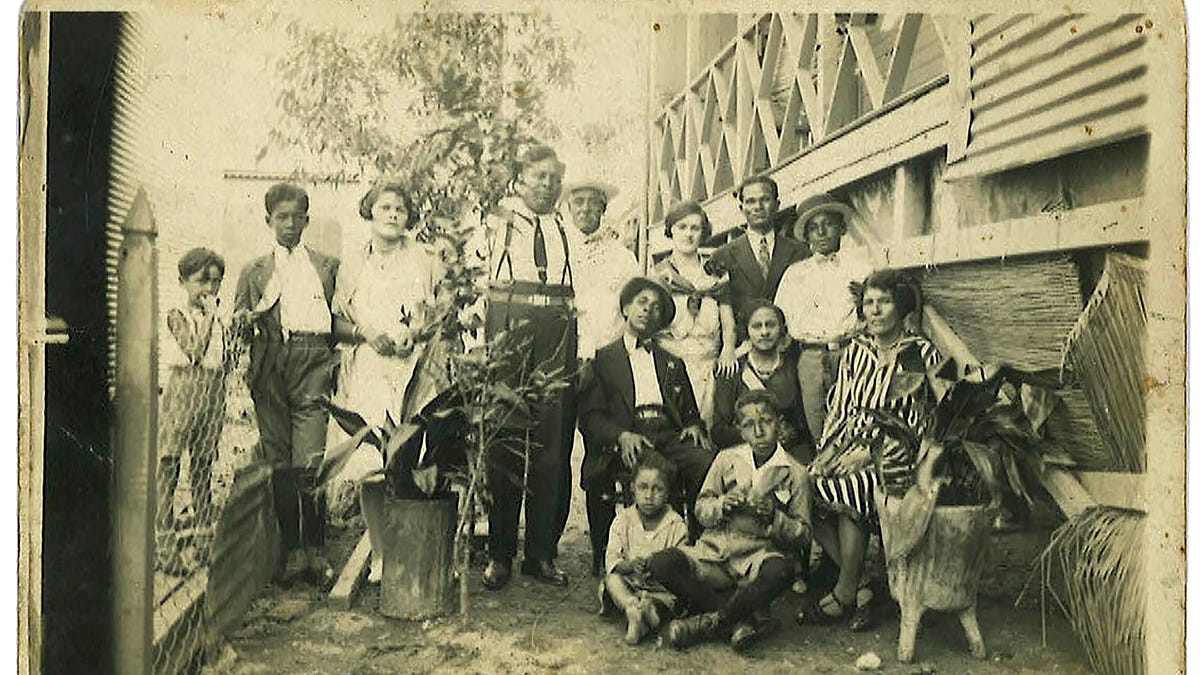
Cabo Verdeans first arrived in Argentina in the late 19th century to work in the whaling fleets. Later migrations followed in the 1920s and 30s, with another surge during Cabo Verde’s devastating 1946-48 famine.
Big Pic Holy waters: Oromo Ethiopians in Addis Ababa this Saturday past splash themselves with water to mark Irreecha, the annual festival held to express gratitude for the blessings of Waaqa, the creator. Photo: Michele Spatari/AFP image
The better question is why the hell do US journalists go to the political circus, asks Patrick Gathara.