This is a major upgrade to Bridgy Fed that has been in the works for a while. Really exciting to see it live! RE: View quoted note β†’

The 19th is looking for a full-stack engineer! It's a lovely team doing important work. If you're looking for a mission-driven, US-based full-stack role, this is the one. [19thnews.org/full-stack-e...]( ) [We’re hiring a full stack engi...]( )
I published my most in-depth post ever today. It’s about funding the open social web platforms that have the potential to unseat democracy-eroding services like X. I’d love your feedback. [werd.io/2025/lets-fu...]( ) [Let's fund the open social web]( )
The tension between idealism and sustainability is holding back the open social web. It needs funding infrastructure as thoughtfully designed as its protocols. In this final piece in my series about open social web business models, I propose one way to solve the problem: [werd.io/2025/lets-fu...]( ) [Let's fund the open social web]( )
File under "maybe pay your support contractors more". [www.cnbc.com/2025/05/15/c...]( ) [Coinbase says hackers bribed s...]( )
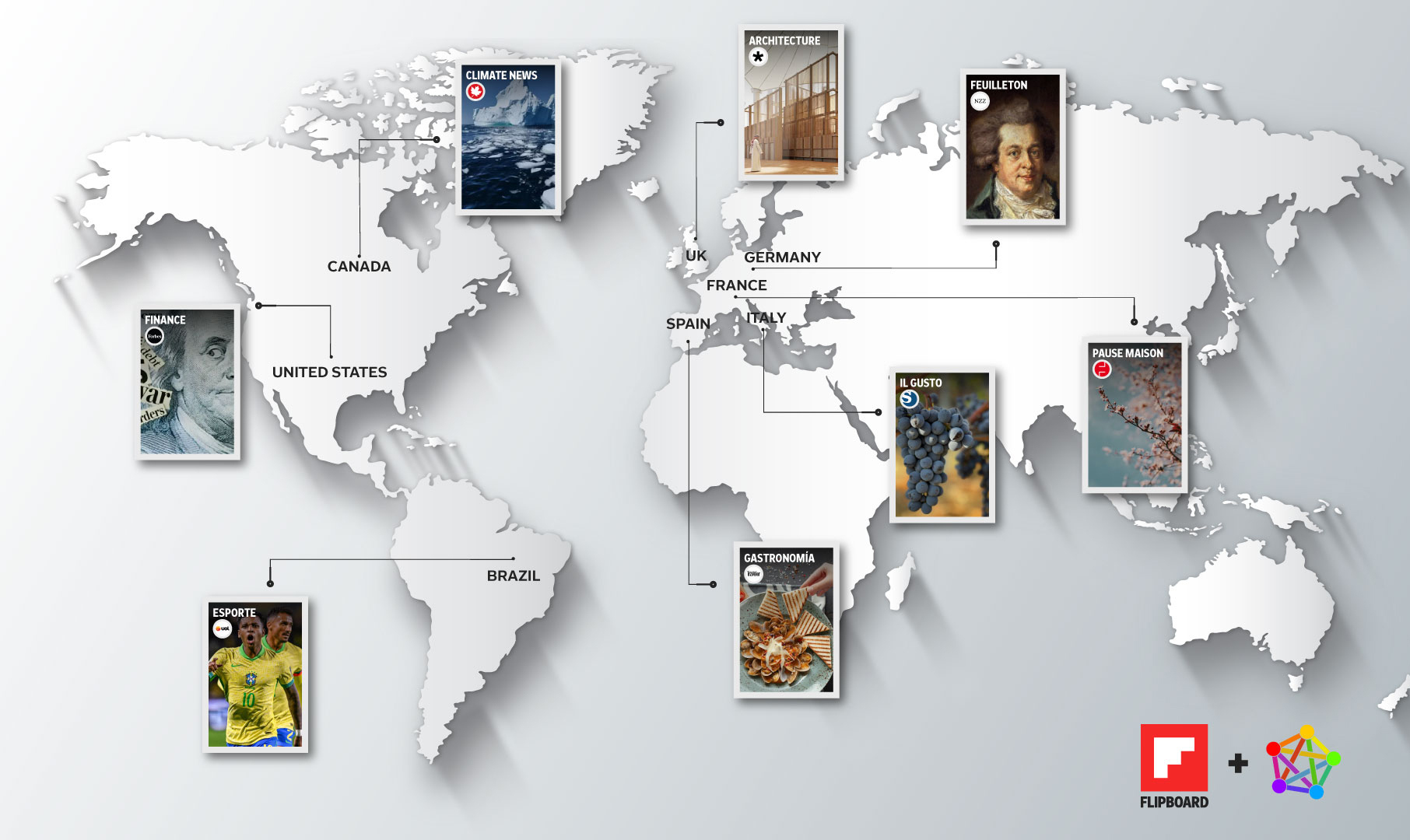
Flipboard just launched 124 new publishers to the Fediverse - bringing the total number it hosts to 1,241. #Fediverse [about.flipboard.com/fediverse/fl...]( ) [Flipboard Expands Publisher Fe...]( )
I'm working on a fourth part in my series about open social web / fediverse business models. This one's from the perspective of funders: what would I do if I was *funding* the open social web? Which leads me to this question: how do *you* think the open social web should be funded?
I’ve written before about what I’d do if I ran Bluesky or Mastodon. But what if I started from scratch? What would it look like to build a new open social platform - one that's private-by-default, human-centered, and sustainable from day one? Here’s the blueprint I’d follow: [werd.io/2025/if-i-st...]( ) [If I started fresh]( )
This is obvious, but if people broadly rely on a black box to give them answers that help them understand the world, whoever controls the black box controls those answers and therefore the understanding that comes from them. Openness is safety.
The Holocaust was organized on IBM punch cards. Hitler gave the head of IBM, Watson, a medal for his services. Later, they named their AI tech after him. Anyway, in unrelated news: #Democracy [www.wired.com/story/doge-c...]( ) [DOGE Is Building a Master Data...]( )