The Verifiable Credentials WG published 7 documents as W3C Proposed Recommendations: Verifiable Credentials Data Model v2.0 Verifiable Credential Data Integrity 1.0 Data Integrity EdDSA Cryptosuites v1.0 Data Integrity ECDSA Cryptosuites v1.0 Securing Verifiable Credentials using JOSE and COSE Controlled Identifiers v1.0 Bitstring Status List v1.0 Verifiable Credentials make exchanging credentials that have been verified by a 3rd party easier and more secure on the Web

Today is the anniversary of the invention of the World Wide Web in 1989 by Tim Berners-Lee. W3C has continued to expand on what the web does by our mission to make the web work, for everyone. We bring together global stakeholders to develop open standards that enable a World Wide Web that connects and empowers humanity.
Welcome back our Chinese friends in the web community after the vibrant celebrations of the Year of the Snake. May the qualities of the Snake—wisdom, agility, power, grace, and determination—inspire us all to embrace change and innovation as we navigate the opportunities and challenges ahead. We wish everyone a prosperous start in 2025! image
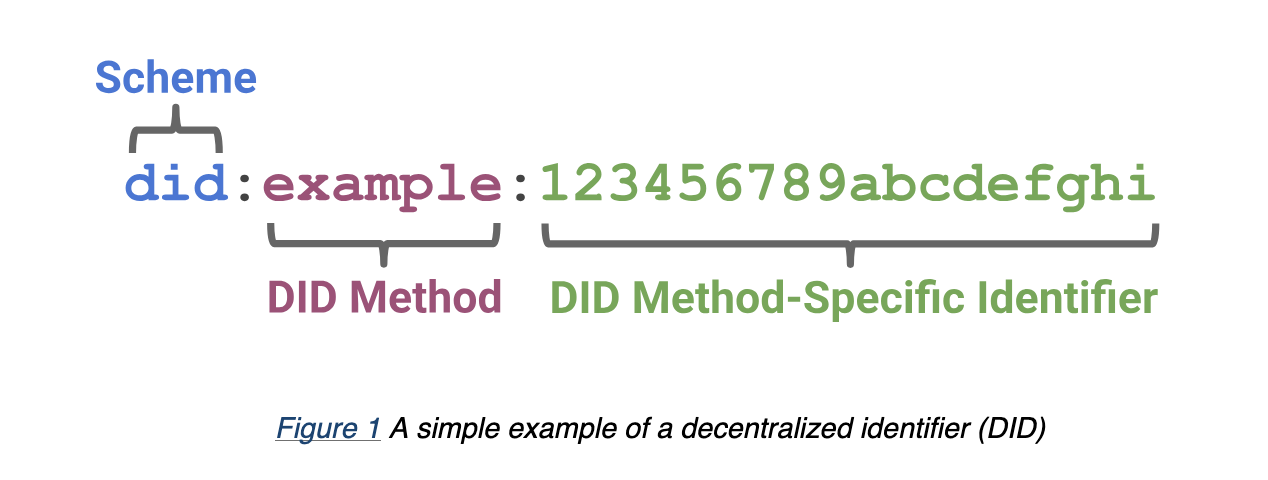
The Decentralized Identifier WG has published a First Public Working Draft of Decentralized Identifiers (DIDs) v1.1. This document specifies the DID syntax, a common data model, core properties, serialized representations, DID operations, and an explanation of the process of resolving DIDs to the resources that they represent. DIDs are a new type of identifier that enables verifiable, decentralized digital identity. image
Our role is to get people to agree. We can't police. We don't legislate. Adoption of our Web Standards is voluntary. Web Standards are free for all to adopt. We are working with Members and the public on how the web CAN work, for everyone. #aboutW3C
The W3C @npub1zekl...2tug has published a Statement of Ethical Web Principles to guide the community to build a better web. @Daniel Appelquist and @Yves Lafon noted: The web is a fundamental part of our lives, shaping how we work, connect, and learn. We understand that with this profound impact comes the responsibility to ensure that the web serves as a platform that benefits people and delivers positive social outcomes. 1/4
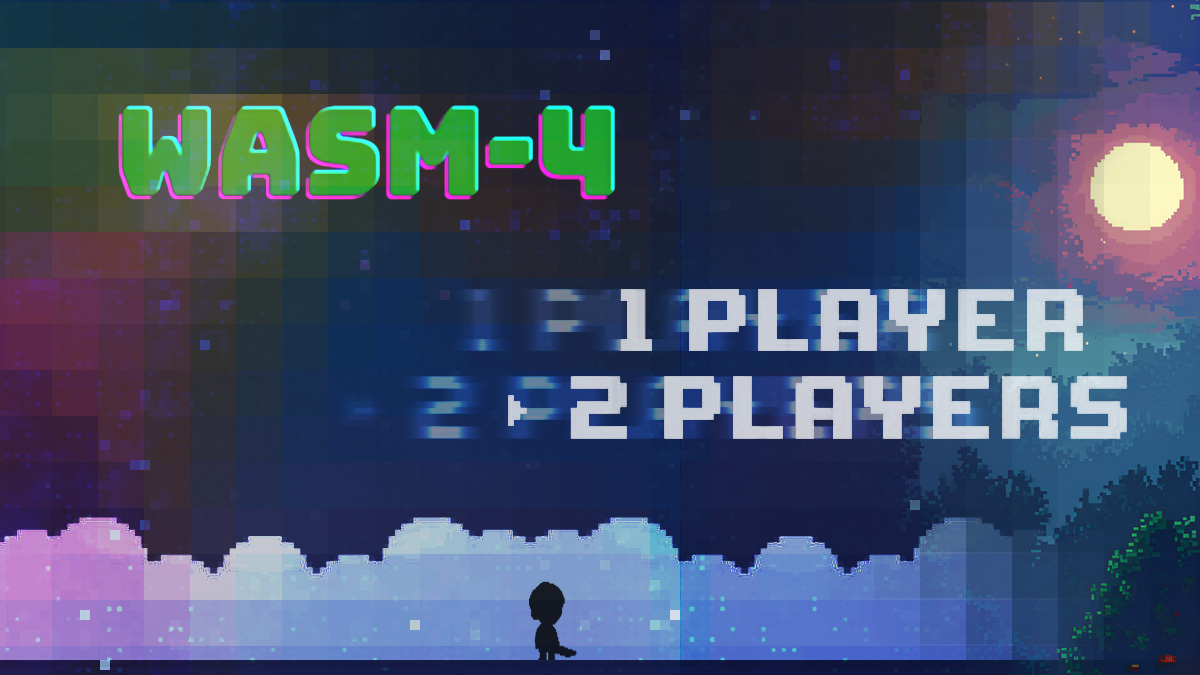
W3C tech on the web "WASM-4: Retro Game Dev Right In Your Browser" "Born from the WebAssembly ecosystem, this console accepts “cartridges” in .wasm format. Any language that compiles to WebAssembly—be it Rust, Go, or AssemblyScript—can build games for it. The console’s emphasis on portability, with plans for microcontroller support, positions it as a playground for minimalist game developers. Multiplayer support? Check. Retro vibes? Double-check." #WebAssembly #Games image
The Privacy Working Group has published the First Public Working Draft of Global Privacy Control (GPC). This specification provides a way to signal, through an HTTP header or the DOM, a person's assertion of their applicable rights to prevent the sale of their data, the sharing of their data with third parties, and the use of their data for cross-site targeted advertising." #privacy
☞ today November 30 is the 17th Blue Beanie Day, an annual international celebration and support of Web standards. Thanks to all who help develop standards, promote the open web, and thanks to @npub1zpyd...je3a for starting it in 2007! Listen to our Founder, Web inventor Sir Tim Berners-Lee, on what part of W3C he's most proud of: Watch "Web standards for the future" for the reasons for Web standards #BlueBeanieDay #bbd17 #WebStandards
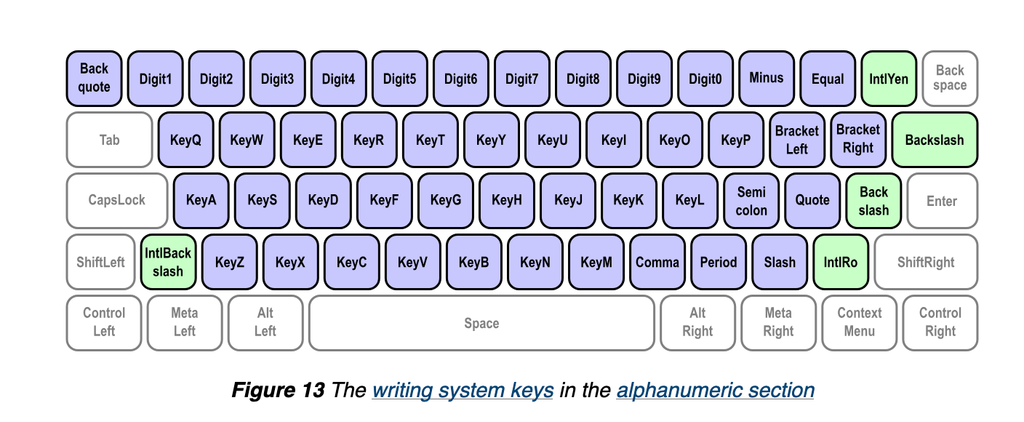
The Web Applications Working Group published the following two documents as W3C Proposed Recommendations: UI Events KeyboardEvent code Values which defines the values for the KeyboardEvent.code attribute and UI Events KeyboardEvent key Values which defines the key attribute values that must be used for KeyboardEvent's key attribute image