#capybara Capybara Fact: They have a slow metabolic rate, which is why they can survive on a diet of low-nutrient grasses. image
#capybara Capybara Fact: They use their large, sharp incisors to dig for roots and bulbs. image
#capybara Capybara Fact: Unlike other rodents, capybaras do not hoard their food. image
#capybara Capybara Fact: Female capybaras are often larger than males. image
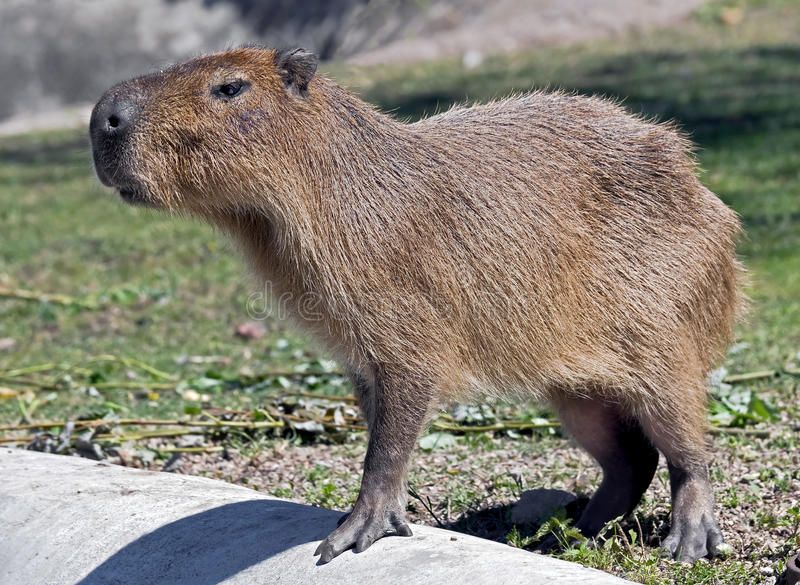
#capybara Capybara Fact: Their ears are lined with soft, white fur. image
#capybara Capybara Fact: Their jaws are powerful and can easily tear through tough grass and aquatic plants. image
#capybara Capybara Fact: They're not great jumpers, but they can jump over obstacles that are about 3-4 feet high. image
#capybara Capybara Fact: They have a unique digestive adaptation called coprophagy where they consume their feces to extract maximum nutritional value from food. image
#capybara Capybara Fact: Capybaras are known to form symbiotic relationships with other animals. For example, birds eat insects off their backs. image
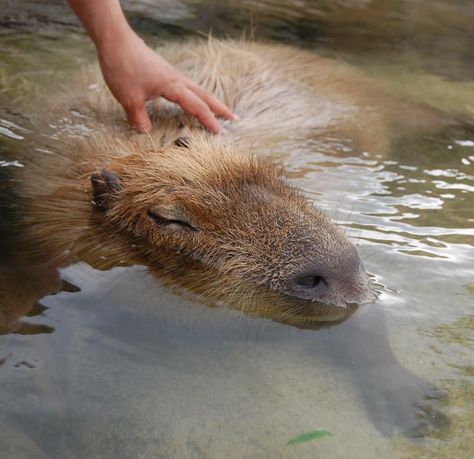
#capybara Capybara Fact: Their eyes, ears, and nostrils are all positioned high on their head so they can remain alert to predators even when they're in the water. image