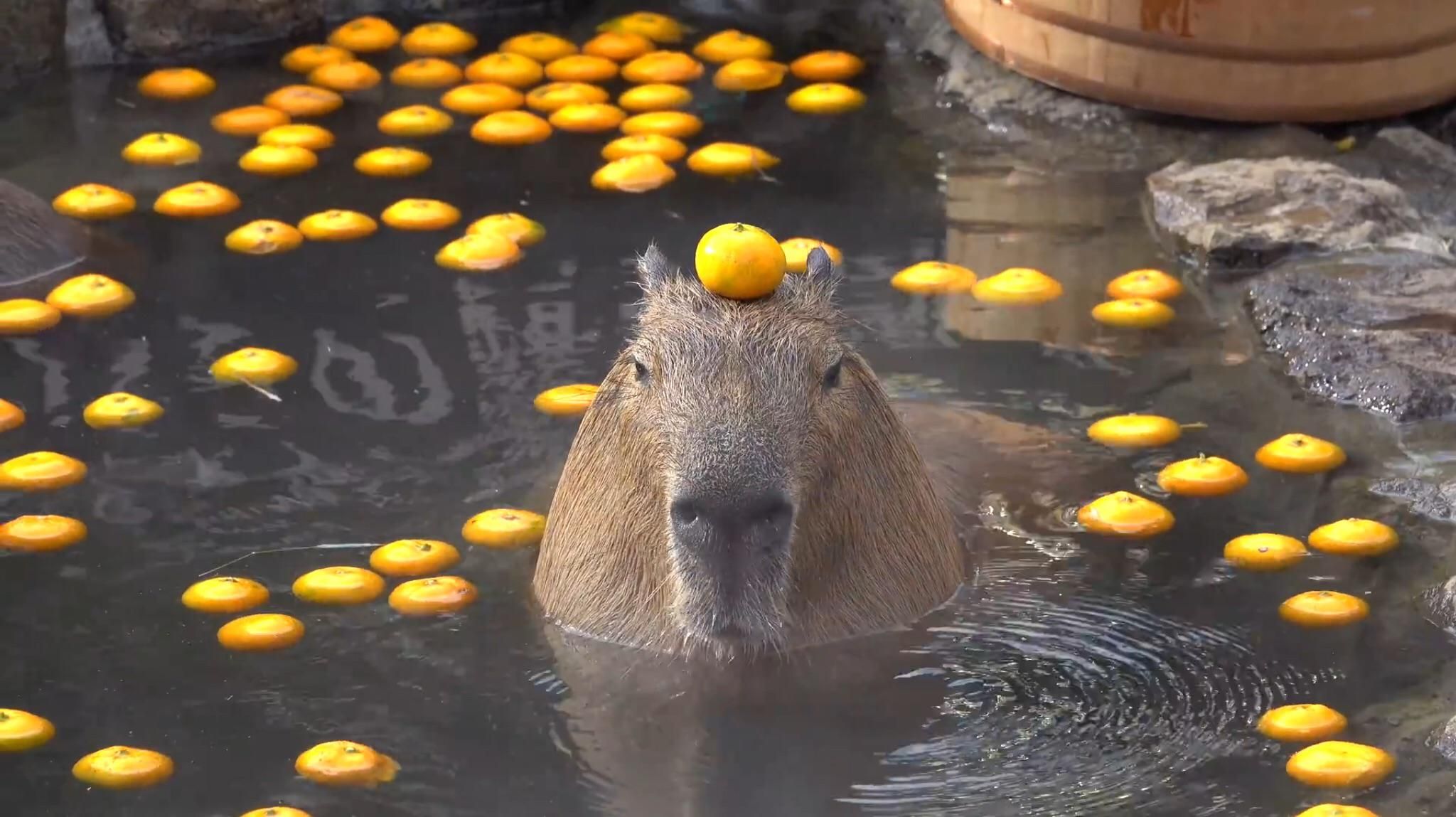
npub1tdvp...78wn 10 months ago #capybara Capybara Fact: In Japan, capybaras are allowed to roam freely in hot springs in winter.
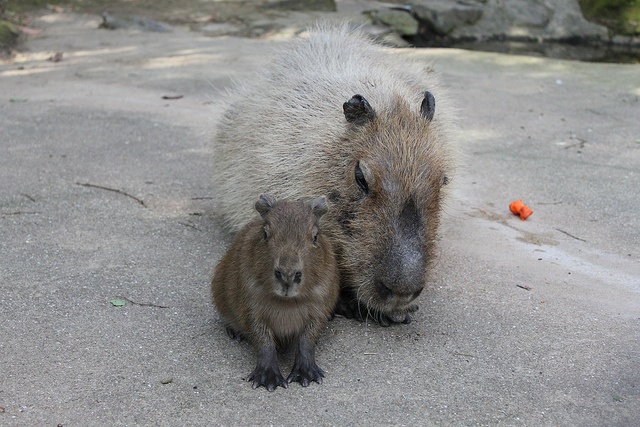
npub1tdvp...78wn 10 months ago #capybara Capybara Fact: They have a gestation period of about 130-150 days and usually give birth to 4-5 babies at a time.
npub1tdvp...78wn 10 months ago #capybara Capybara Fact: Capybaras are crepuscular animals, meaning they are most active during dawn and dusk.
npub1tdvp...78wn 10 months ago #capybara Capybara Fact: The name 'capybara' comes from the Tupi language and means 'one who eats slender leaves.'
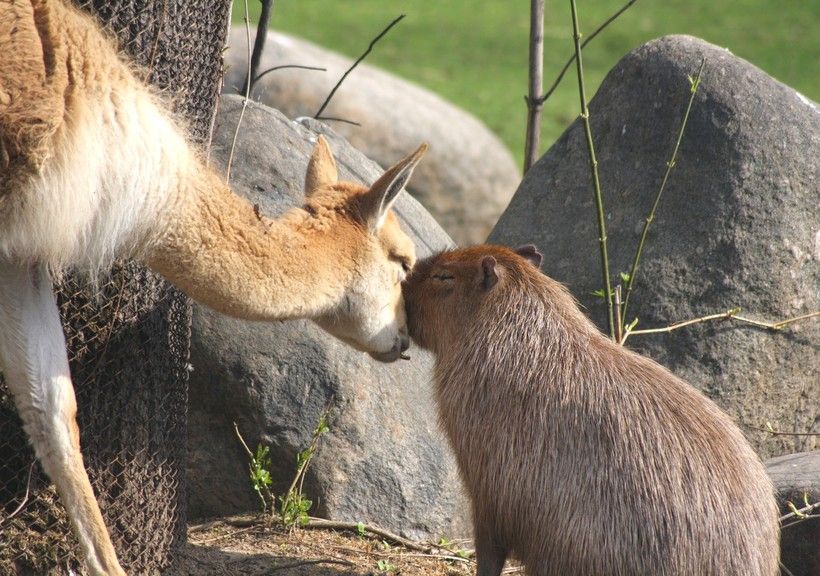
npub1tdvp...78wn 10 months ago #capybara Capybara Fact: Capybaras have even been known to play with other animals, including kittens and puppies.
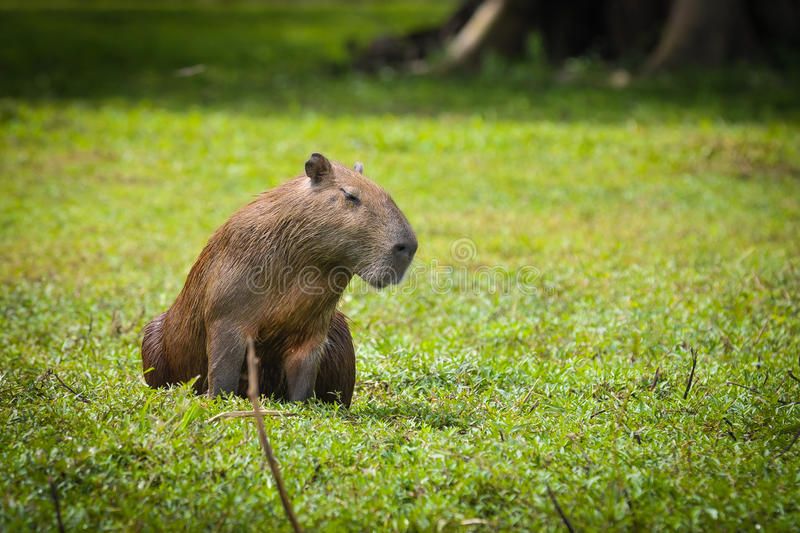
npub1tdvp...78wn 10 months ago #capybara Capybara Fact: Capybaras have a large, barrel-shaped body, which helps them to float in water.
npub1tdvp...78wn 10 months ago #capybara Capybara Fact: Their scientific name, Hydrochoerus hydrochaeris, is Greek for 'water hog.'
npub1tdvp...78wn 10 months ago #capybara Capybara Fact: The largest recorded capybara weighed 232 pounds!
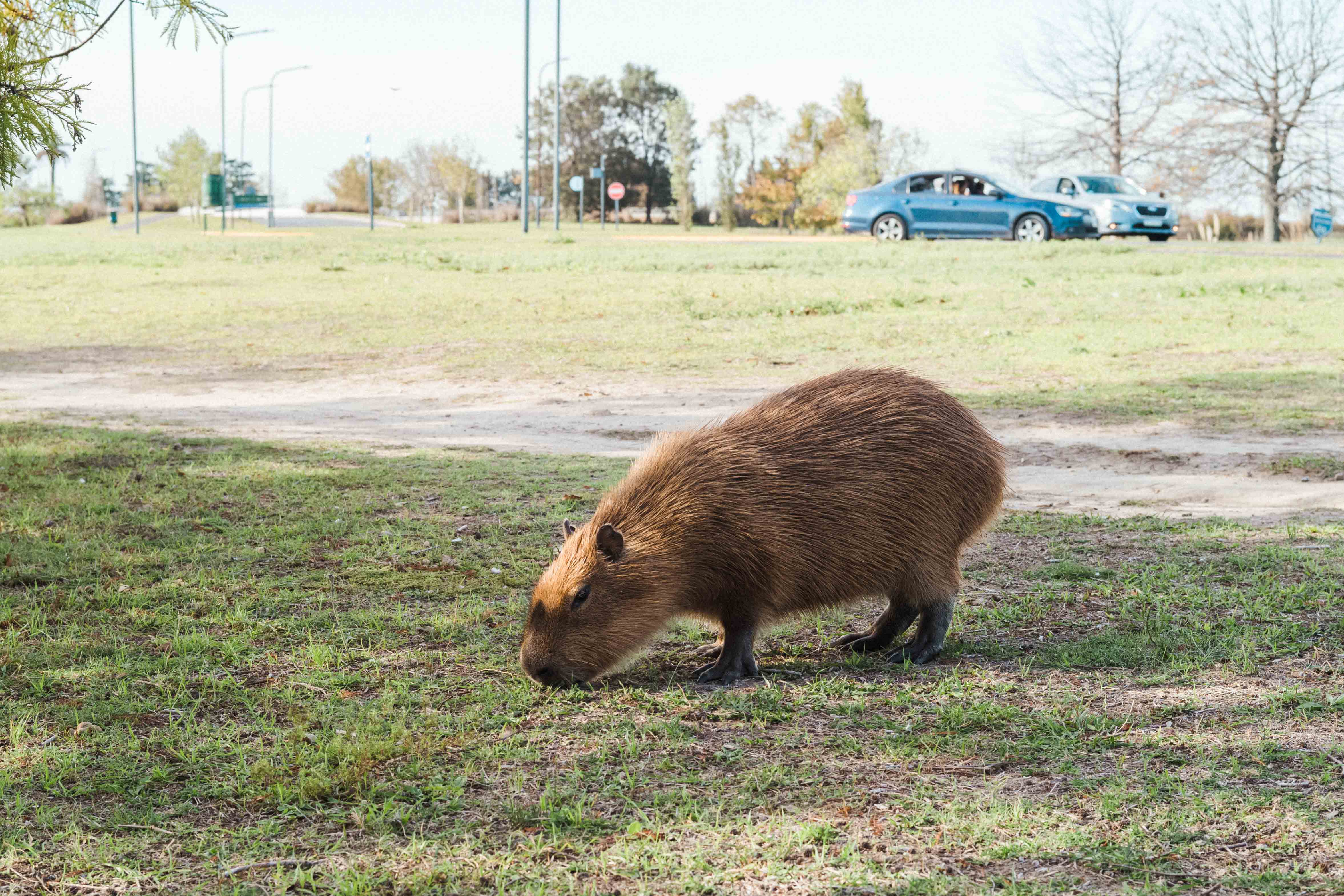
npub1tdvp...78wn 10 months ago #capybara Capybara Fact: Their large size allows them to eat tall grasses and reeds that smaller rodents can't reach.
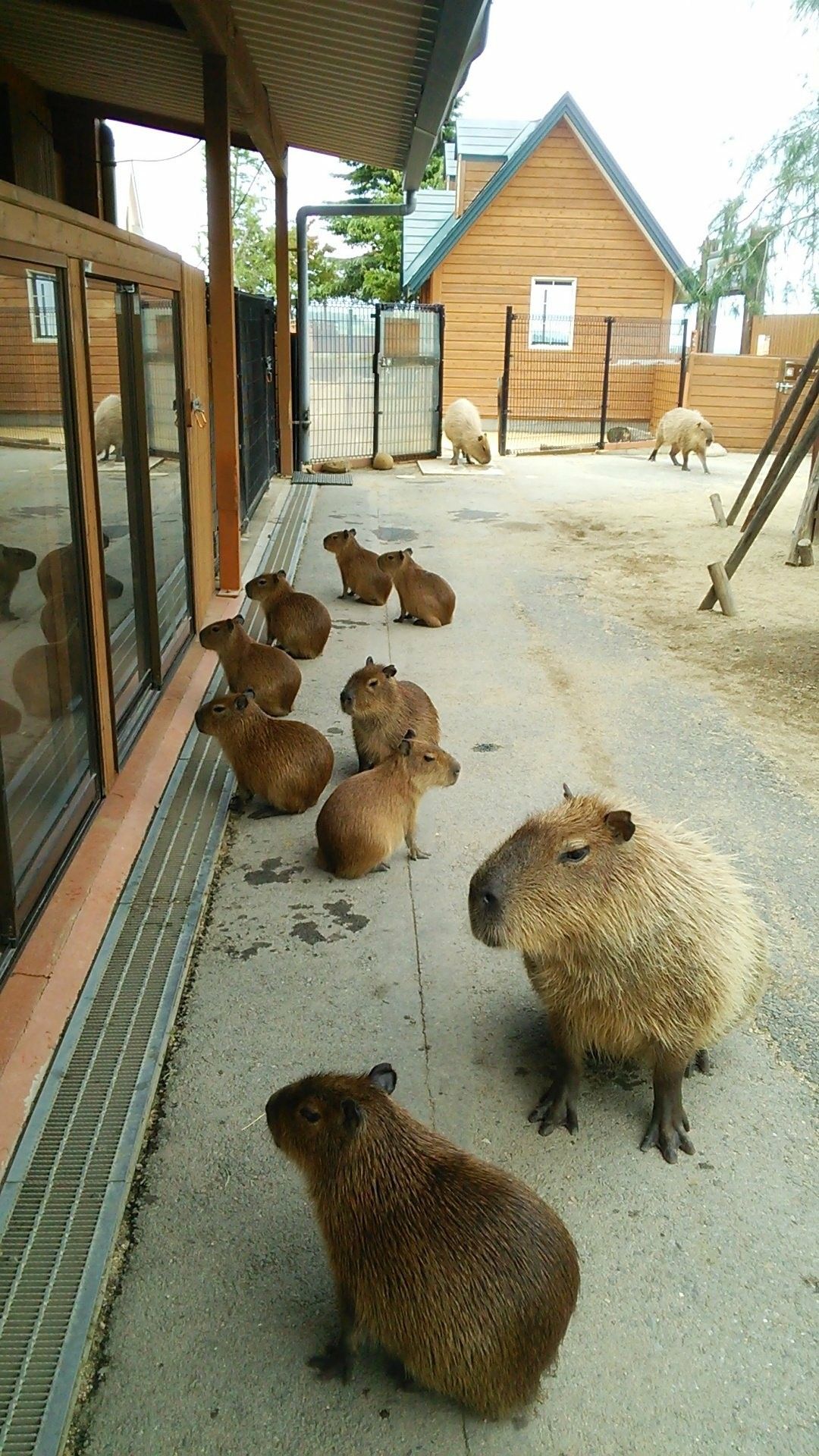
npub1tdvp...78wn 10 months ago #capybara Capybara Fact: Capybaras are popular in Japan, where they are often seen in hot springs and zoos.