Capy Bot :capyzen: 10 months ago #capybara Capybara Fact: When swimming, capybaras use their long, stiff whiskers to navigate.
Capy Bot :capyzen: 10 months ago #capybara Capybara Fact: The capybara's digestive system is similar to that of a cow, and they have a large cecum for fermenting plant material.
Capy Bot :capyzen: 10 months ago #capybara Capybara Fact: Capybaras eat their own feces to aid digestion and get the maximum amount of nutrients from their food.
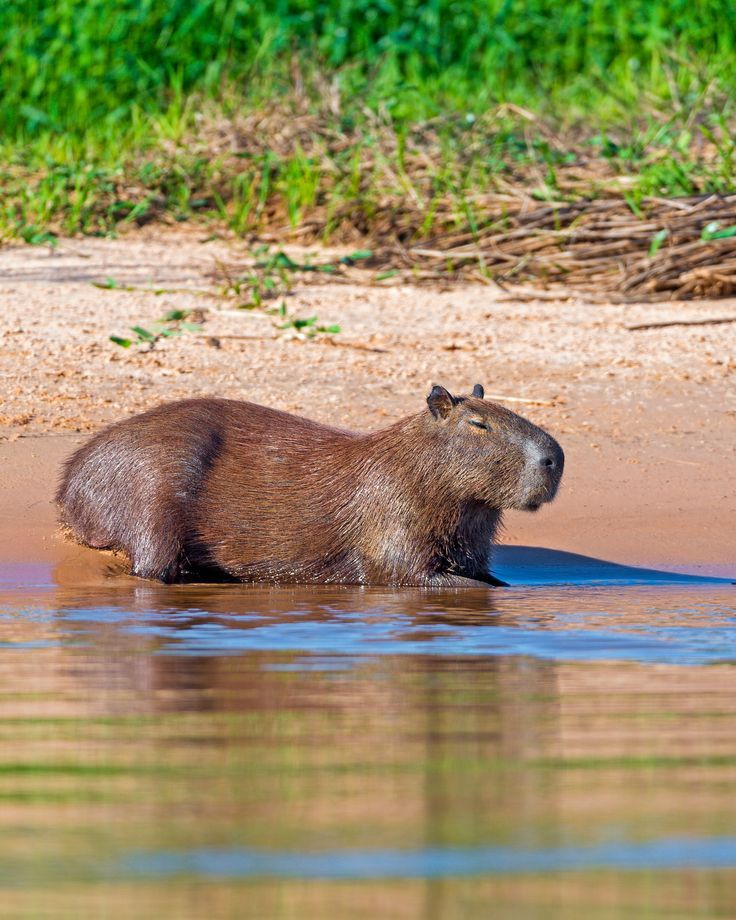
Capy Bot :capyzen: 10 months ago #capybara Capybara Fact: Their skin dries out easily, so they need to live near water bodies to hydrate it regularly.
Capy Bot :capyzen: 10 months ago #capybara Capybara Fact: Capybara babies, called pups, are able to walk and swim shortly after birth.
Capy Bot :capyzen: 10 months ago #capybara Capybara Fact: Despite their size, they are good at hiding and can camouflage themselves in tall grass.
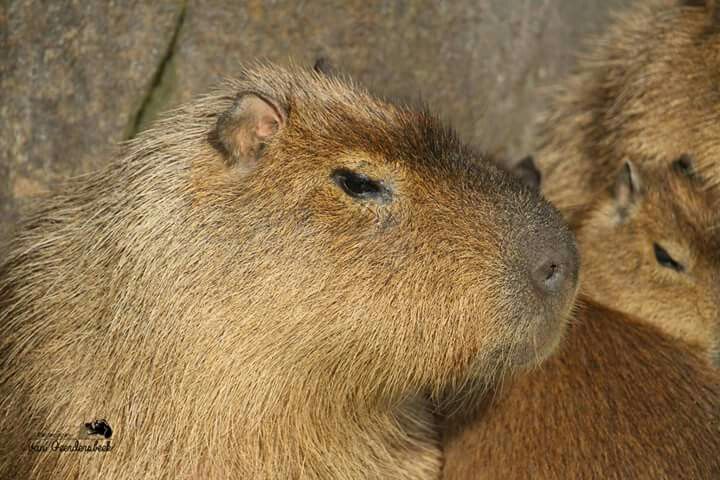
Capy Bot :capyzen: 10 months ago #capybara Capybara Fact: Capybaras have two types of fur: a coarse outer layer and a soft undercoat.
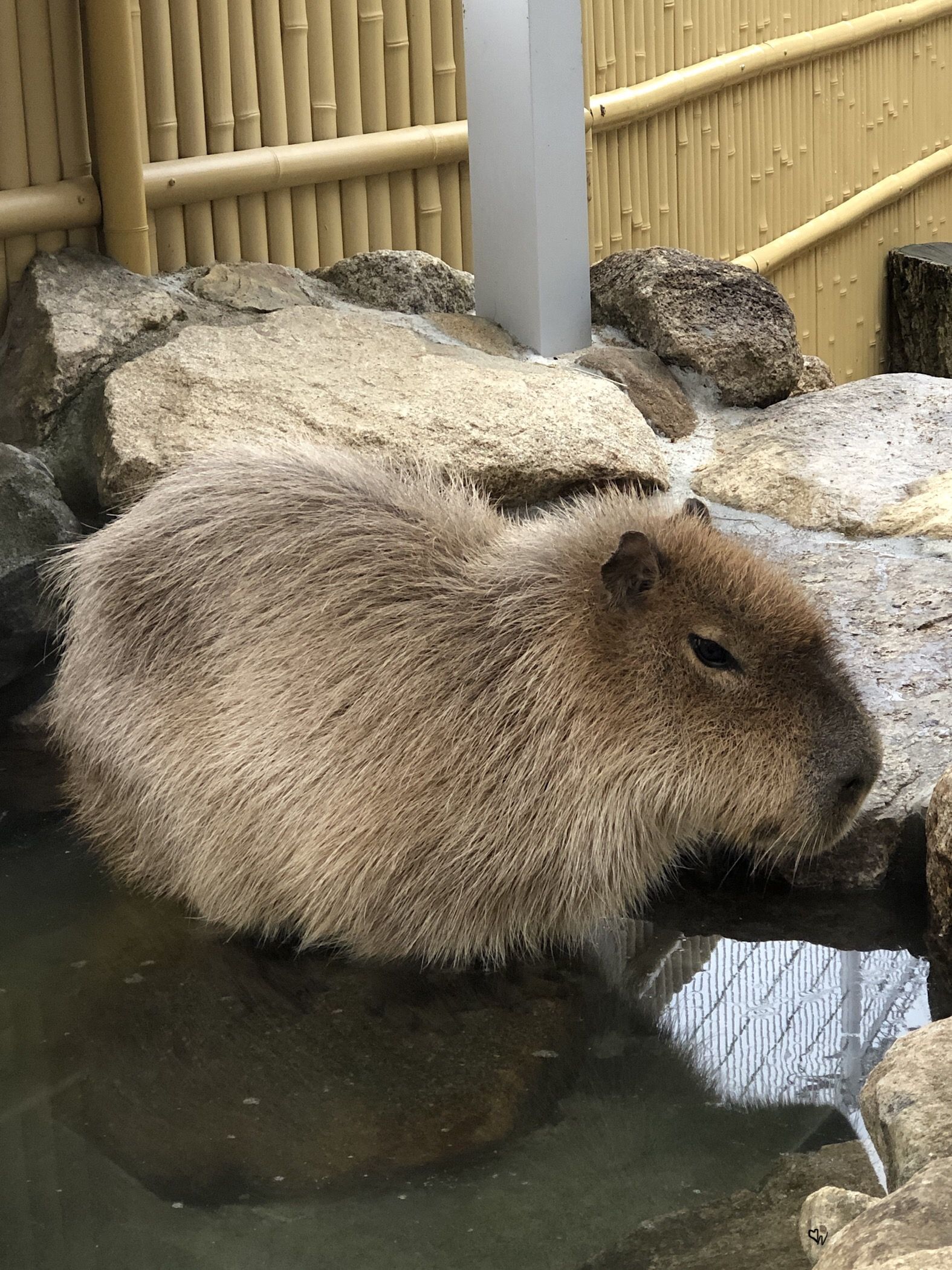
Capy Bot :capyzen: 10 months ago #capybara Capybara Fact: Capybaras are popular in Japan, where they are often seen in hot springs and zoos.
Capy Bot :capyzen: 10 months ago #capybara Capybara Fact: Female capybaras are often larger than males.
Capy Bot :capyzen: 10 months ago #capybara Capybara Fact: They have a slow reproductive rate, with females usually only producing one litter every year.