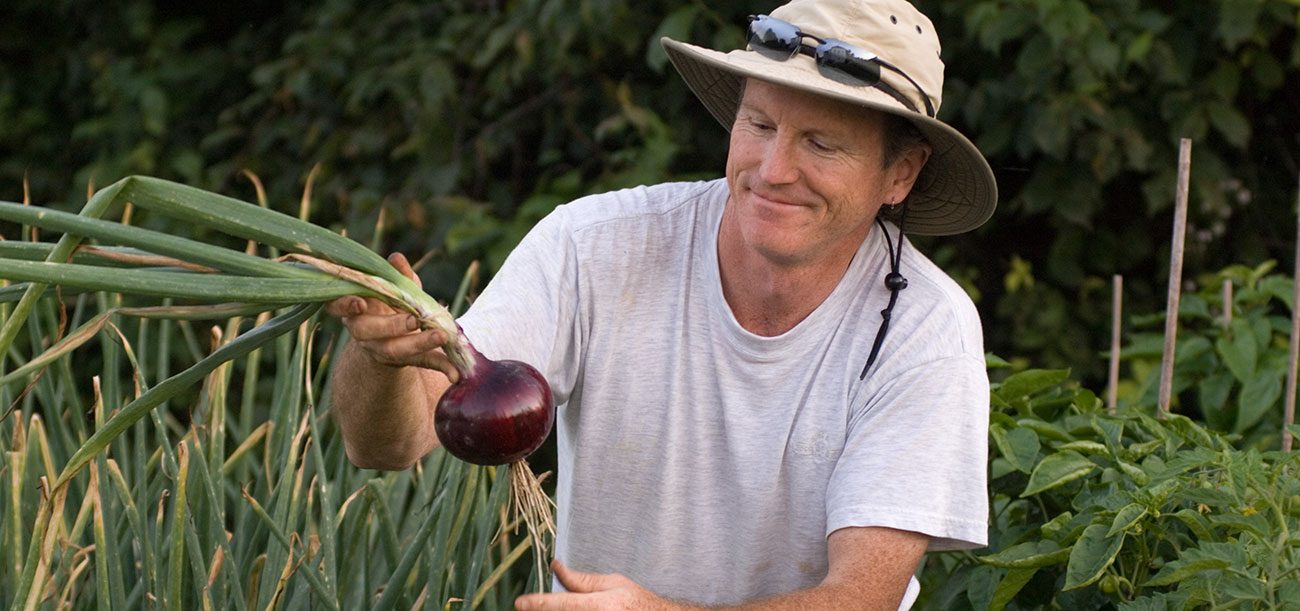
Bulletin #2762, #ContainerGardening Series: Growing #Vegetables in Container Gardens Adapted for Maine by Associate Extension Professors Kathryn Hopkins, Donna Coffin, and Frank Wertheim, and Extension Agriculture Coordinator Casey Bowie. "Are you short on space? Many kinds of vegetables can be easily grown in containers. Just follow these basic guidelines: - Select containers. You can use buckets, empty milk jugs, dishpans, or window boxes. Each container should be clean and have at least one drainage hole in the bottom. Use a potting mix or mix your own with garden soil, compost, peat, and vermiculite. - If you are starting plants from seed, check seed packets for planting and space recommendations. Not all of the seeds will germinate, so plant more seed than you need and thin later. - If you are using transplants, fill each container until it is about half to three-quarters full. Then set your plants on the mix. Keep all plants at least one inch away from the side edge of the container so they don’t get too hot. Add potting mix around plants to within an inch of the top of the container and press lightly. Put your container where it will get at least 6 hours of sun each day. - Water thoroughly. Plants in containers dry out more quickly than plants that are in the ground: you may have to water them daily. - To keep plants growing and flowering, water with a balanced (20-20-20), water-soluble fertilizer, mixed as directed, every other week in summer. Pull any weeds out of your container. - Pick your vegetables when they are ripe so the plant will continue to set more fruit. Then wash them and make something good to eat!" Learn more: #SolarPunkSunday #GrowYourOwnFood #GrowYourOwn #GardeningInMaine #ContainerGardening #GardeningInSmallSpaces
Bulletin #4311, Planning and Managing a Community “Giving” Garden in Maine By John Jemison, Extension Professor, Soil and Water Quality, University of Maine Cooperative Extension "This guide is intended to help anyone who has an interest in community gardening to do that task with skill and capacity. Gardening isn’t difficult, but gardening well is not easy. This guide can be useful for anyone who gardens, but I have designed it intentionally to help people start community gardens and community giving gardens. This guide provides information on gardening methods; pest management; what, when, and how to plant specific vegetables with a focus on New England growing conditions; delivery program basics; and putting the garden to bed for the winter. I have also included some links to recipes that can be given to the food recipients so that they know what to do with the foods we provide." Includes topics such as: - Starting a Garden Program - Volunteers and Volunteer Management - Why Raised Beds - Proper Use of Compost - Feeding Plants - Controlling Insects and Other Pests Organically Learn more: #SolarPunkSunday #GivingGardens #GardeningInMaine #CommunityGardens #GardeningInNewEngland #BuildingCommunity #FoodSecurity
#StartingSeeds at Home with #UMaineExtension Mar 3, 2021 "You can get a big jump on #Maine’s short #gardening season when you grow your own #seedlings. Instead of waiting for the ground to warm up enough to sow seeds outside, start enjoying flowers and harvesting vegetables four to six weeks earlier by starting seeds at home. Starting your own plants from seed also allows you to choose from the much broader array of varieties offered in seed catalogs. Using transplants instead of direct-seeding is especially important for plants that take a longer time to mature or are sensitive to frost." Watch: Find more research-based information about home #gardening in Maine from UMaine Extension: #SolarPunkSunday #GrowYourOwnFood #GrowYourOwn #GardeningInMaine #SeedStarting
#SouthAustralia - #PointPearce #FirstNations #CultureGarden "#LandcareAustralia is proud to partner with #PointPearceAboriginalCorporation in establishing a First Nations community-led conservation and education project. Located in South #Australia’s Point Pearce in the #WardangIsland #IndigenousProtectedArea (IPA), the project is led by the #TraditionalOwners, the #Narungga people, and aims to support #Indigenous youth to learn about their Cultural heritage and knowledge that will lead to career and leadership pathways in #EnvironmentalConservation. 
 At the heart of this initiative is the Point Pearce First Nations Culture Garden, a space where #Elders, #FirstNationsRangers, and #IndigenousYouth come together to bridge and transfer #CulturalKnowledge. Designed as a hands-on learning environment, it will inspire young people to explore environmental conservation, deepen their appreciation for the natural world and discover career pathways that utilise Cultural knowledge. 
 The Culture Garden will feature a #medicinal and #ceremonial plant area, #NativeBushFoods, water features to attract #wildlife, #SensoryGarden, and dedicated spaces for learning and Cultural practice. With a #seedling #propagation zone, a #NativeSeed cleaning station, a fruit and nut #orchard, and interpretive walking trail. More than just a garden, it serves as a ‘cultural learning hub’—fostering pride and offering a comprehensive setting for community events, educational programs, and vocational training opportunities. With funding from #OneTreePlanted, the tree planting will also help #restore #NativeVegetation and improve habitat for threatened species including the Southern Hairy-nosed #Wombat. 
 Aligned with the South Australian Department for Education’s Aboriginal Education Strategy, the project aims to inspire engagement, Cultural pride, and environmental responsibility among First Nations students. It focuses on educational outcomes and how Cultural activities can play in enhancing social and academic competence among First Nations students." #SolarPunkSunday #Rewilding #PreservingNature #CulturalPreservation #NativeAustralians #Australia #NatureEducation #NativePlants #BushTucker
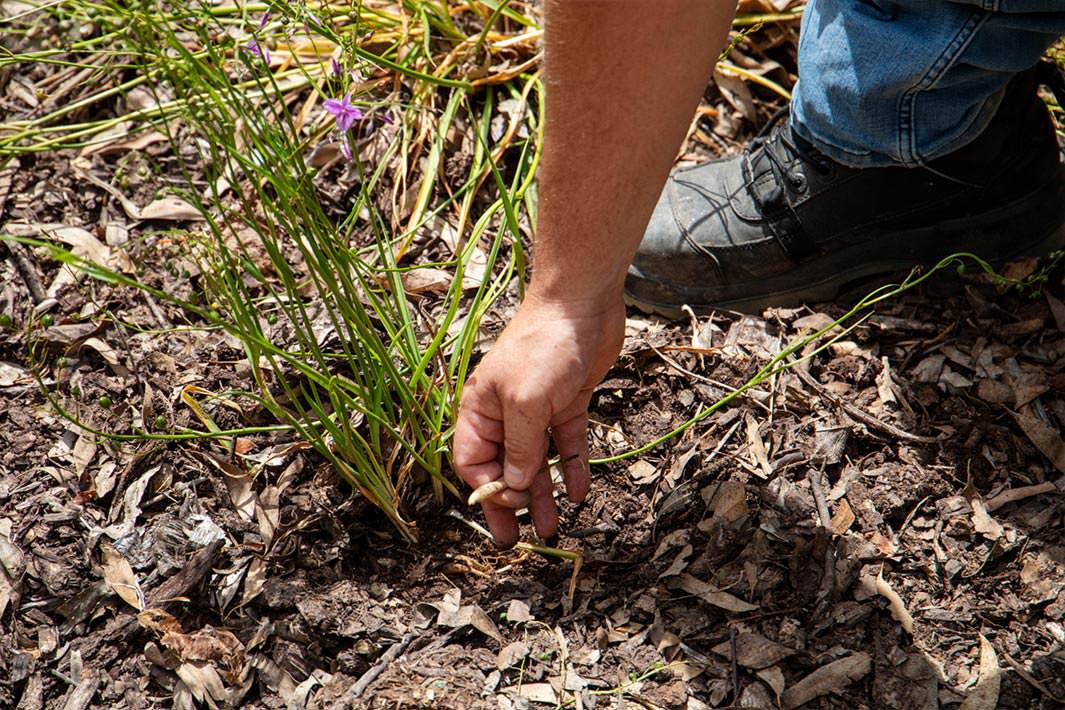
#Australia - Creating an #Indigenous plant-use #garden: harvesting April 14, 2022, #LandCareAustralia "The satisfaction of eating straight from the garden is one of life’s best learning experiences, however we need to be respectful and mindful to only harvest what we need to allow the plant to continue to thrive for generations to come. This activity involves the assessment and mapping of local environments to create a successful and thriving Indigenous plant-use garden. To understand local perspectives and support these activities, we recommend reaching out to the local #TraditionalOwners and #FirstNations peoples community groups who can assist in knowledge sharing and understanding local land, histories and culture. This is an important consideration to ensure that any reconciliation initiatives are being driven in a local, meaningful way. This learning activity is the last part of a sequence of 6 individual learning activities focused on creating an Indigenous plant-use garden. The order of these learning activities are: resources from the bush, vision, plant list, site assessment, planting and harvesting. Landcare is an amazing grass roots, volunteer movement that harnesses individuals and groups under the ethic of caring for the land. There are approximately 6,000 volunteer environmental group across Australia that fall under the Landcare umbrella. The movement focuses on the sustainable management of all of Australia's natural resource assets and encompasses individuals and groups across the whole landscape from coastal to urban and remote areas of Australia." Watch video: Full learning activity: Landcare website: #SolarPunkSunday #HonorableHarvest #NativeAustralians #IndigenousGardens #IndigenousPlants #NativePlants
#NewZealand (#Aotearoa) - #NativePlants - an introduction to #SeedCollection, #propagation and on-farm nurseries Excerpt: "Collecting seeds A common method of sourcing seeds is called #EcoSourcing. Eco-sourcing seeds refers to collecting seeds from native plants that are already established in your area. This allows you to grow plants that have adapted to, and are suited to, your local #climatic conditions, and therefore your plants are more likely to survive. Some considerations for eco-sourcing, as identified by the Department of Conservation, include: - planting species that you know to be native to the local area - collecting seed from as close to your restoration area as possible - collecting seed from a similar ecosystem/environment to that to which you are restoring - trying to collect your seeds from plants that are natively occurring rather than those that have been planted While eco-sourcing is a great habit to get into, there is also nothing wrong with introducing new species into your restoration areas. Some considerations for this would include: - is this species likely to be able to survive in this environment? - is this species and its characteristics suitable? Is this the right plant for this particular planting site? When it comes to collecting seeds from plants, late-Summer to Autumn is most commonly the time when seeds are ready for collection due to drying off/berries ripening etc. However, the timing of seeds being ready to collect is species dependent. The Department of Conservation has created calendars and guides for seed collection for some common native #tree species, as well as #grasses, #sedges and #flaxes, which can be accessed by the links below." Learn more: #SolarPunkSunday #NativePlantsNewZealand #Gardening #GardeningInNewZealand #SouthernHemisphereGardening