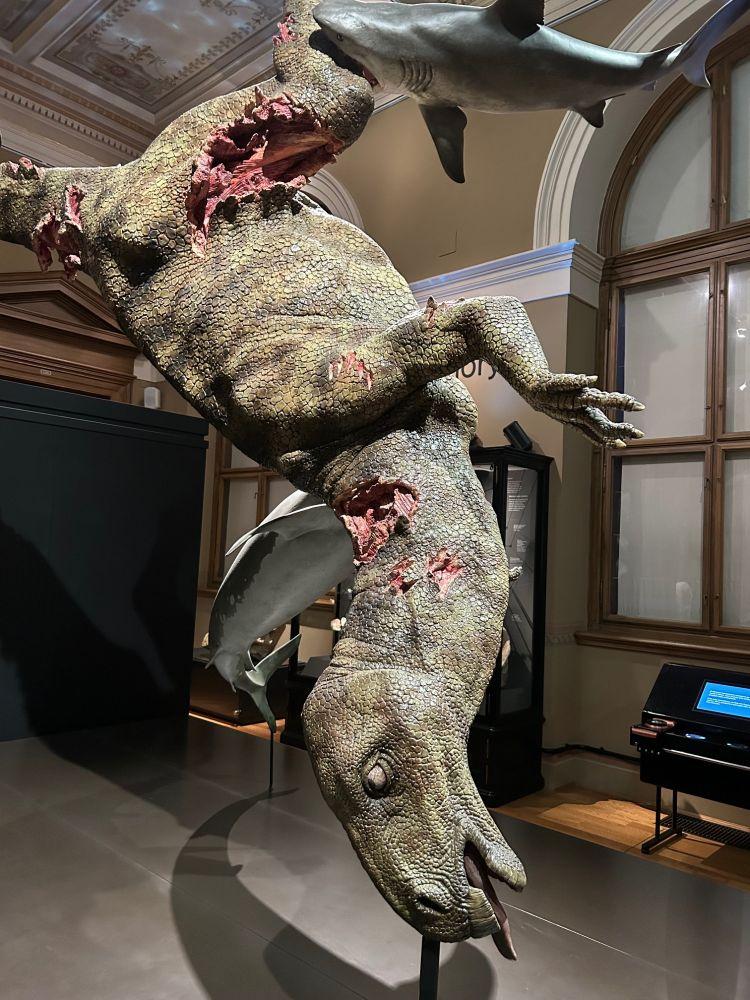
#Sharks eating #dinosaurs! At the charming National Museum in #Prague.
Totally morbid paleoart. But based on one of the few Czech dinosaur fossils, an ornithopod bone crisscrossed with the razor blade bites of sharks.
@stevebrusatte.bsky.social
It's looking frosty! ❄️
As the temperature continues to drop, we're sharing a selection of the snowy scenes from the 60th edition of the Wildlife Photographer of the Year exhibition.
Which one is your favourite? 🌨️
@nhm_wpy #winter #photography #Wildlife
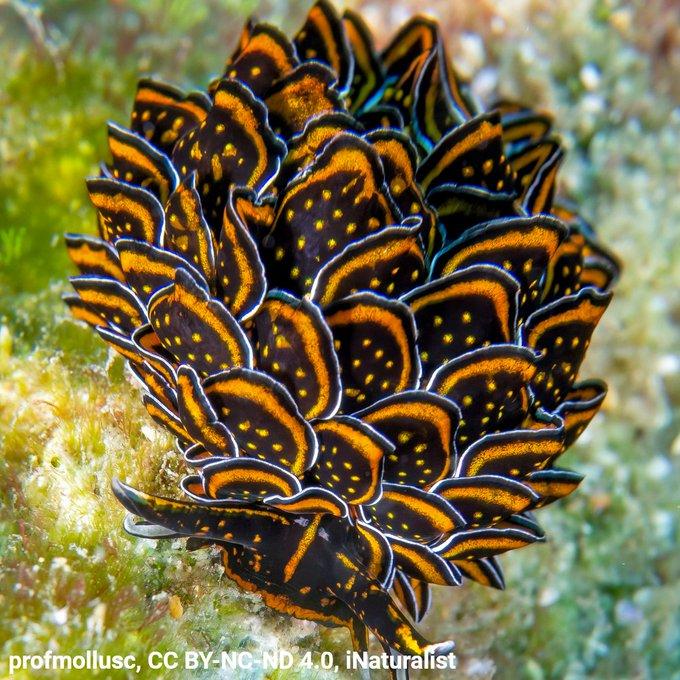
Behold the dazzling colors of the black-and-gold sapsucking slug. This sea slug secretes an unappetizing mucus to dissuade predators & can drop its colorful cerata, or leaf-like outgrowths, to create a distraction. This species is found in the western Indian and Pacific Oceans.
@AMNH #seaslug #marineanimals #Pacific
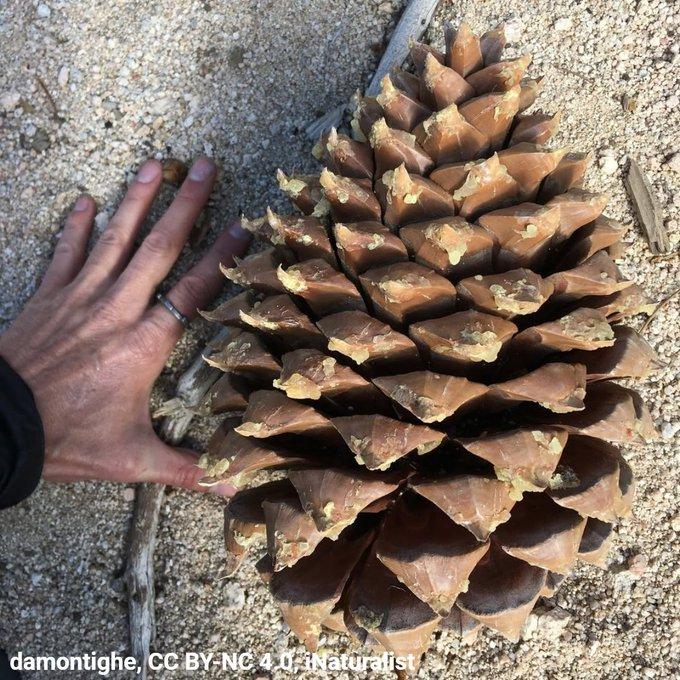
Have you ever seen a bigger pinecone?
This giant belongs to the coulter pine! It can be found in California & Mexico. Nicknamed “the widowmaker,” it produces some of the world's largest pinecones—which can weigh ~11 lbs (5 kg) & plummet to the ground with deadly force!
@AMNH #pinetree #pinecone #nature
In 1958, renowned photographer Berenice Abbott captured a pivotal moment in the history of #technology—an engineer carefully wiring one of IBM's early #computers. The image reflects the meticulous, hands-on nature of computing in its infancy, a time when computers were massive machines requiring intricate manual labor to operate. The engineer’s focused expression and the complex wiring highlight the early stages of a technological revolution that would transform industries and society.
Born this day in 1884, on Neskuchnoye estate in Ukraine, the marvelous painter Zinaida Serebriakova. Here by herself at mirror in 1909. #art #painting #womenartists #Ukraine
@PP_Rubens
The Medieval mason who did this definitely had quite a sense of humor 🫣😃
(Abbey of Sainte Foy, Conques, France, 1050 AD)
#drthehistories #medieval #masonery #stonemason #religion #history
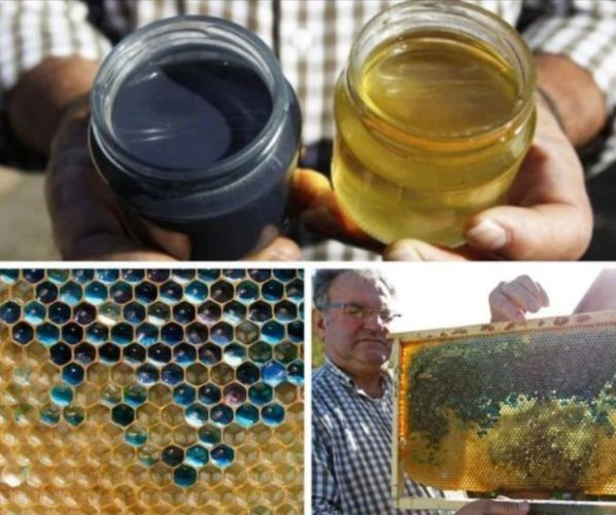
In 2012, French beekeepers encountered an unusual phenomenon when they discovered blue and green #honey in their hives. This strange coloration immediately aroused the interest and curiosity of beekeepers, and they went in search of the cause. In their investigations, they found that the bees were collecting colored sugar from a nearby M&M factory.
The factory had left remnants of colored sugar in the candy manufacturing process, and the bees had used this sugar as a food source.