In-group bias is the tendency to favor people who belong to our own group while viewing outsiders with suspicion or negativity. This bias can influence everything from workplace decisions to social relationships, often without us even realizing it. We can get really tribal my dudes. image
Time Isn’t Just a Line—It’s a Cycle In “The Fourth Turning”, Strauss and Howe challenge a fundamental assumption of modern life: that time is linear. In a linear view of time, history progresses steadily forward. Each generation builds on the last. Problems are solved, society advances, and the past is largely behind us. It’s a comforting, even optimistic idea—progress is inevitable. But “The Fourth Turning” offers a very different framework: time is cyclical. History moves through repeating seasons—High, Awakening, Unraveling, Crisis. Just like nature’s seasons, these historical “turnings” are predictable, patterned, and inevitable. In this cyclical model, the present isn’t entirely new—it’s a return. Crises echo past crises. Awakenings stir the same kinds of upheaval across centuries. What feels unprecedented is often deeply familiar to those who understand the cycle. This perspective changes how we understand the moment we’re living in. If we’re in a Fourth Turning—the crisis phase—then we’re not just experiencing chaos; we’re living through a necessary transformation, one that could give birth to a new societal order, just as it has in cycles before. The question isn’t whether we’ll escape the cycle—but how we’ll respond to it. Do we resist the change? Or do we engage it with wisdom, knowing that what comes next depends on how we act now? History doesn't just move forward. It turns.
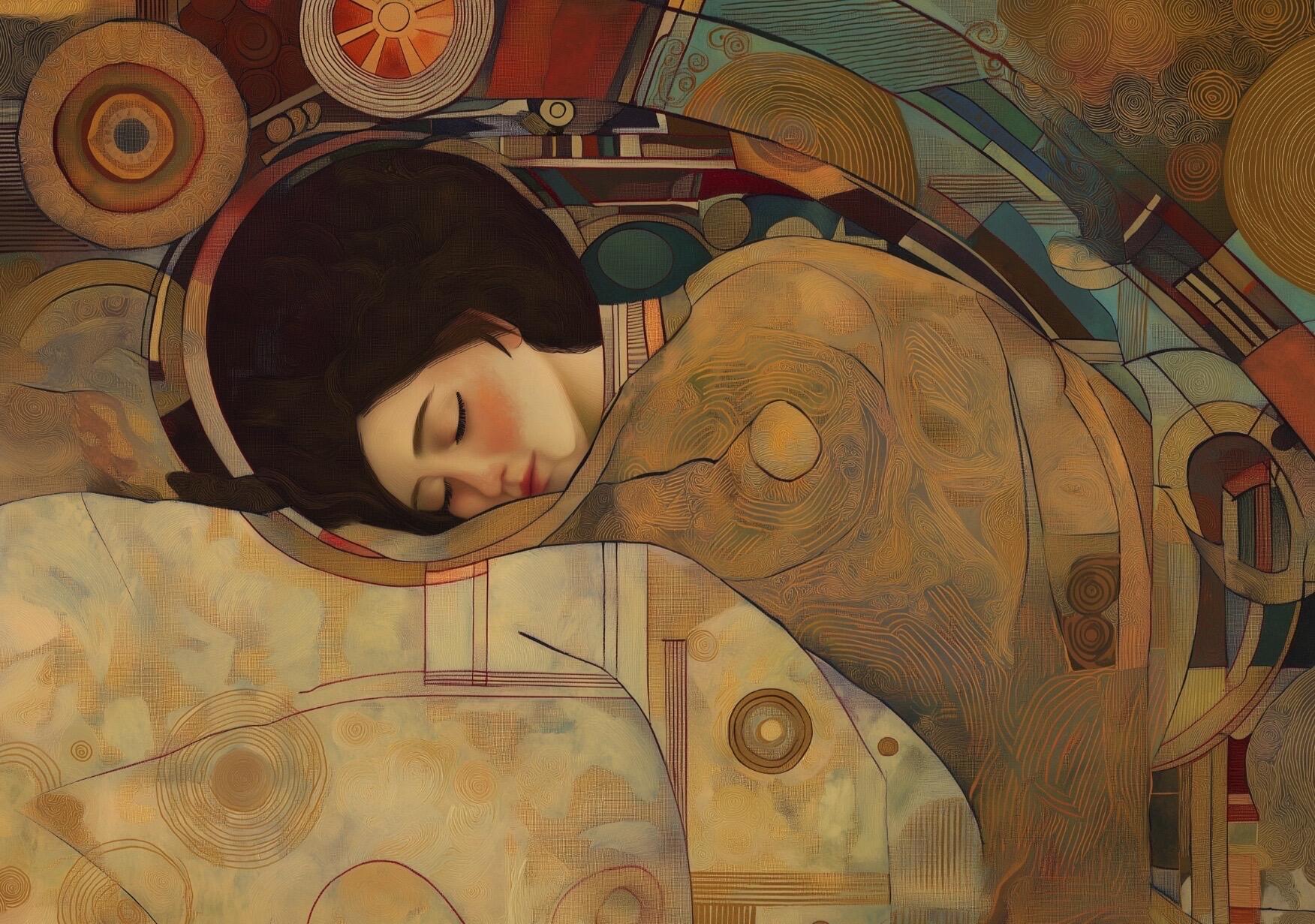
Too Hot or Too Cold? How Room Temperature Impacts Your Sleep Struggling to fall or stay asleep? Your room temperature might be to blame. Why Temperature Matters: Your body naturally cools down as you fall asleep. This drop in core temperature helps signal that it's time to rest. If your room is too warm or too cold, it can disrupt this process and lead to poor sleep quality. The Sweet Spot: Most experts recommend keeping your bedroom between 60°F and 67°F (15.5°C–19.5°C) for optimal sleep. This range supports your body’s natural cooling process and helps promote deeper, more restorative sleep. Too Hot? Overheating at night can cause you to wake up frequently, sweat, or feel restless. It can also reduce REM sleep—the stage where your brain and body recover most deeply. Too Cold? Being too cold can make it harder to fall asleep and may lead to more frequent awakenings as your body works harder to maintain warmth. Quick Tips: - Use breathable bedding and moisture-wicking fabrics. - Consider a fan, cooling mattress pad, or adjusting your thermostat. - Layer blankets so you can adjust as needed through the night. Bottom Line: Small changes to your sleep environment—especially temperature—can make a big difference in how well you sleep. If you’re waking up tired, it might be time to check the thermostat. #WhyWeSleep image
The Hidden Cost of Poor Sleep in Aging: A Silent Contributor to Disease As we age, sleep changes—often in subtle but impactful ways. Unfortunately, poor sleep remains one of the most underappreciated factors contributing to cognitive and physical decline in older adults. From increased risks of diabetes, depression, chronic pain, stroke, cardiovascular disease, to Alzheimer’s disease, the quality of sleep plays a powerful and often overlooked role in determining our long-term health. One major shift that occurs with age is a natural change in circadian rhythm—our internal body clock. Older adults often feel sleepy earlier in the evening and wake up earlier in the morning. While this is a normal biological shift, it can clash with social schedules or personal habits, leading to inconsistent sleep patterns. Another common but disruptive issue is sleep fragmentation—frequent waking during the night. A major cause of this is nocturia (waking to urinate), which may result from a weakened bladder, enlarged prostate in men, or other age-related changes. Even brief awakenings can interrupt the restorative stages of sleep, leaving individuals feeling fatigued and mentally foggy during the day. Fortunately, simple behavioral changes can make a difference. One effective strategy is limiting fluid intake in the hours leading up to bedtime—particularly alcohol or caffeine, which can increase nighttime urination and disturb sleep architecture. Improving sleep in older age isn’t just about feeling rested—it’s a crucial part of protecting your brain, mood, and body from the inside out. Talk with your doctor if you or a loved one are experiencing persistent sleep issues. Better sleep may be one of the most powerful tools we have to age well. #WhyWeSleep image