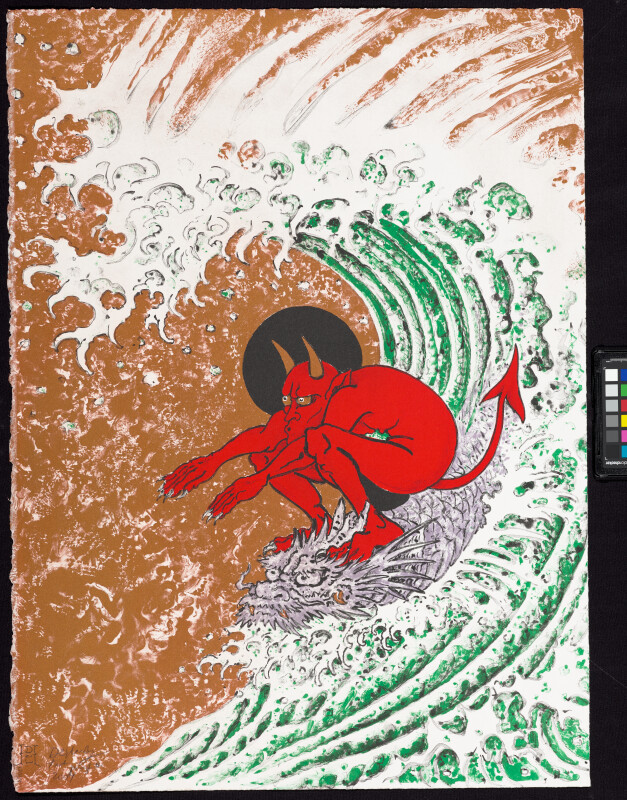
The Greater Key of Solomon, is a pseudepigraphical grimoire attributed to King Solomon. It probably dates back to the 14th or 15th century Italian Renaissance. It presents a typical example of Renaissance magic.
People who advocate for the removal of privacy seem to accept five simple assumptions:
- The government always has good intentions
- The government always has good policies
- The government never makes mistakes
- The government leaders and workers never individually abuse their positions
- The government will retain the above properties over historical timescales (i.e. centuries, not years/decades)
The people who believe all these assumptions don't understand the real world, and certainly haven't based these assumptions on any current, historical or theoretical form of government that I can name.
But that doesn't stop them from making assumptions that don't align with reality, or (too often successfully) pushing policies to take away the rights of others.
I believe one should only read those books which bite and sting. If the book we are reading does not wake us up with a blow to the head, then why read the book? To make us happy, as you write? My God, we would be just as happy if we had no books, and those books that make us happy, we could write ourselves if necessary. But we need the books that affect us like a disaster, that hurts us deeply, like the death of someone we loved more than ourselves, like if we were being driven into forests, away from all people, like a suicide, a book must be the axe for the frozen sea inside us.
Kafka