
Just finishing the Booth Series on the "What is Money Podcast"
Such a great series that talks about so many things from AI, exponential growth, game theory and how fundamentals are changing.
A must listen for each and everyone!
 Short History
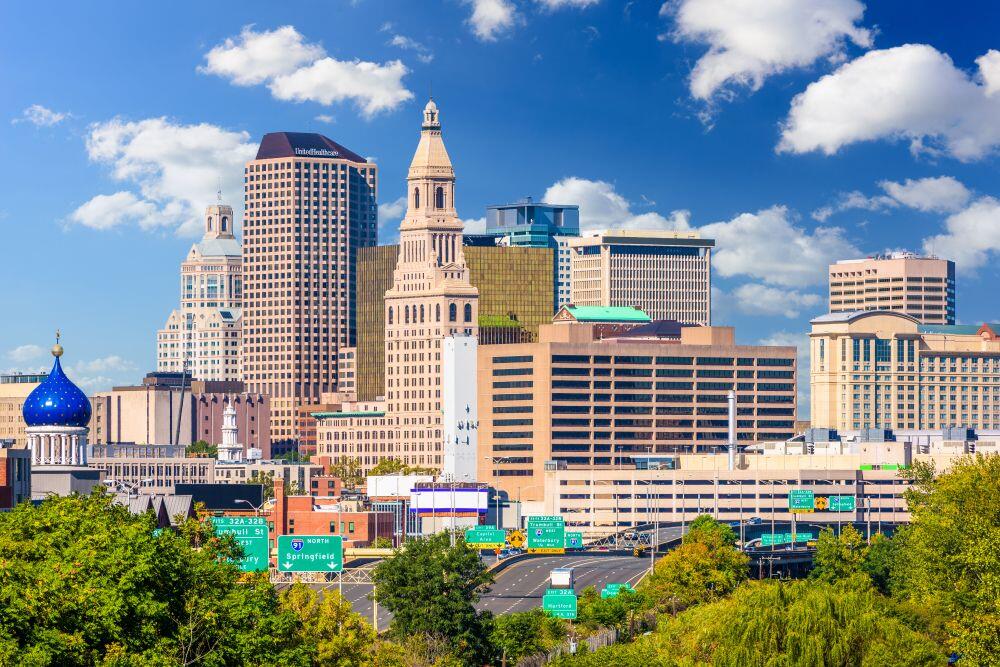
In the early history of Hartford, Connecticut, a group of Puritans led by Reverend Thomas Hooker founded the settlement in June 1636, after journeying from Cambridge, Massachusetts. This group, consisting of about 100 people, established the settlement on the banks of the Connecticut River, laying the foundation for what would become a significant city in the history of the United States.
The early years of Hartford were marked by the development of a new form of government. Hooker delivered a sermon in 1638 that emphasized the consent of the governed and the separation of powers, which became the basis for the Fundamental Orders of Connecticut. This document is considered by some as the world's first written constitution and served as a model for the U.S. Constitution. The early settlers faced challenges from the local Native American tribes and Dutch traders, who had established a fort in the area in 1633. However, the settlement persisted and grew, with Hartford becoming a center for trade and commerce, and later, for manufacturing and industry.
Here are a few interesting facts about Hartford.
1. Did you know that Hartford is the capital of Connecticut? It's like the big cheese of the state, sitting there all high and mighty.
2. Speaking of firsts, Hartford is also home to the oldest continuously published newspaper in the United States, The Hartford Courant. It's been delivering the news since 1764. That's a lot of paper cuts!
3. Hartford is also known as the "Insurance Capital of the World." It's like the Las Vegas of insurance, but instead of gambling on cards, they gamble on whether your house will burn down or not. (Hartford would benefit from a little #Bitcoin insurance)
4. And finally, the city was named after the English town of Hertford in Hertfordshire, which was the home of one of the original settlers, Samuel Stone.
5. Bonus fun fact: Nearby Springfield Massachusetts is the birthplace of the renowned children's author, Theodor Geisel, better known as Dr. Seuss
Some helpful resources while traveling
Coinmap.org
Bitcoinwide.com
Prominent Connecticut Bitcoin Advocate
- Mark Moss
Things to do around Hartford
1. The city is home to Mark Twain House & Museum, where Samuel Clemens wrote his most enduring novels, including "Adventures of Huckleberry Finn" and "The Adventures of Tom Sawyer".
2. Discover the Titanic Museum, run by the official Titanic Historical Society, with artifacts including life jackets, ship blueprints, china, and pieces of the boat's railing.
3. Enjoy the Six Flags New England, with famous rides such as Superman the Ride and Wicked Cyclone.
4. Nearby is The Naismith Memorial Basketball Hall of Fame, located in Springfield, Massachusetts, is a tribute to basketball's history.
Resources on regulation and guidance in Connecticut on Bitcoin.
Connecticut Department of Banking: The Department of Banking is responsible for regulating financial institutions and services, including virtual currency activities in the state. Their website offers information on the Money Transmission Act and guidance on virtual currency regulations.
Short History
In the early history of Hartford, Connecticut, a group of Puritans led by Reverend Thomas Hooker founded the settlement in June 1636, after journeying from Cambridge, Massachusetts. This group, consisting of about 100 people, established the settlement on the banks of the Connecticut River, laying the foundation for what would become a significant city in the history of the United States.
The early years of Hartford were marked by the development of a new form of government. Hooker delivered a sermon in 1638 that emphasized the consent of the governed and the separation of powers, which became the basis for the Fundamental Orders of Connecticut. This document is considered by some as the world's first written constitution and served as a model for the U.S. Constitution. The early settlers faced challenges from the local Native American tribes and Dutch traders, who had established a fort in the area in 1633. However, the settlement persisted and grew, with Hartford becoming a center for trade and commerce, and later, for manufacturing and industry.
Here are a few interesting facts about Hartford.
1. Did you know that Hartford is the capital of Connecticut? It's like the big cheese of the state, sitting there all high and mighty.
2. Speaking of firsts, Hartford is also home to the oldest continuously published newspaper in the United States, The Hartford Courant. It's been delivering the news since 1764. That's a lot of paper cuts!
3. Hartford is also known as the "Insurance Capital of the World." It's like the Las Vegas of insurance, but instead of gambling on cards, they gamble on whether your house will burn down or not. (Hartford would benefit from a little #Bitcoin insurance)
4. And finally, the city was named after the English town of Hertford in Hertfordshire, which was the home of one of the original settlers, Samuel Stone.
5. Bonus fun fact: Nearby Springfield Massachusetts is the birthplace of the renowned children's author, Theodor Geisel, better known as Dr. Seuss
Some helpful resources while traveling
Coinmap.org
Bitcoinwide.com
Prominent Connecticut Bitcoin Advocate
- Mark Moss
Things to do around Hartford
1. The city is home to Mark Twain House & Museum, where Samuel Clemens wrote his most enduring novels, including "Adventures of Huckleberry Finn" and "The Adventures of Tom Sawyer".
2. Discover the Titanic Museum, run by the official Titanic Historical Society, with artifacts including life jackets, ship blueprints, china, and pieces of the boat's railing.
3. Enjoy the Six Flags New England, with famous rides such as Superman the Ride and Wicked Cyclone.
4. Nearby is The Naismith Memorial Basketball Hall of Fame, located in Springfield, Massachusetts, is a tribute to basketball's history.
Resources on regulation and guidance in Connecticut on Bitcoin.
Connecticut Department of Banking: The Department of Banking is responsible for regulating financial institutions and services, including virtual currency activities in the state. Their website offers information on the Money Transmission Act and guidance on virtual currency regulations.
 Short History Of Dallas
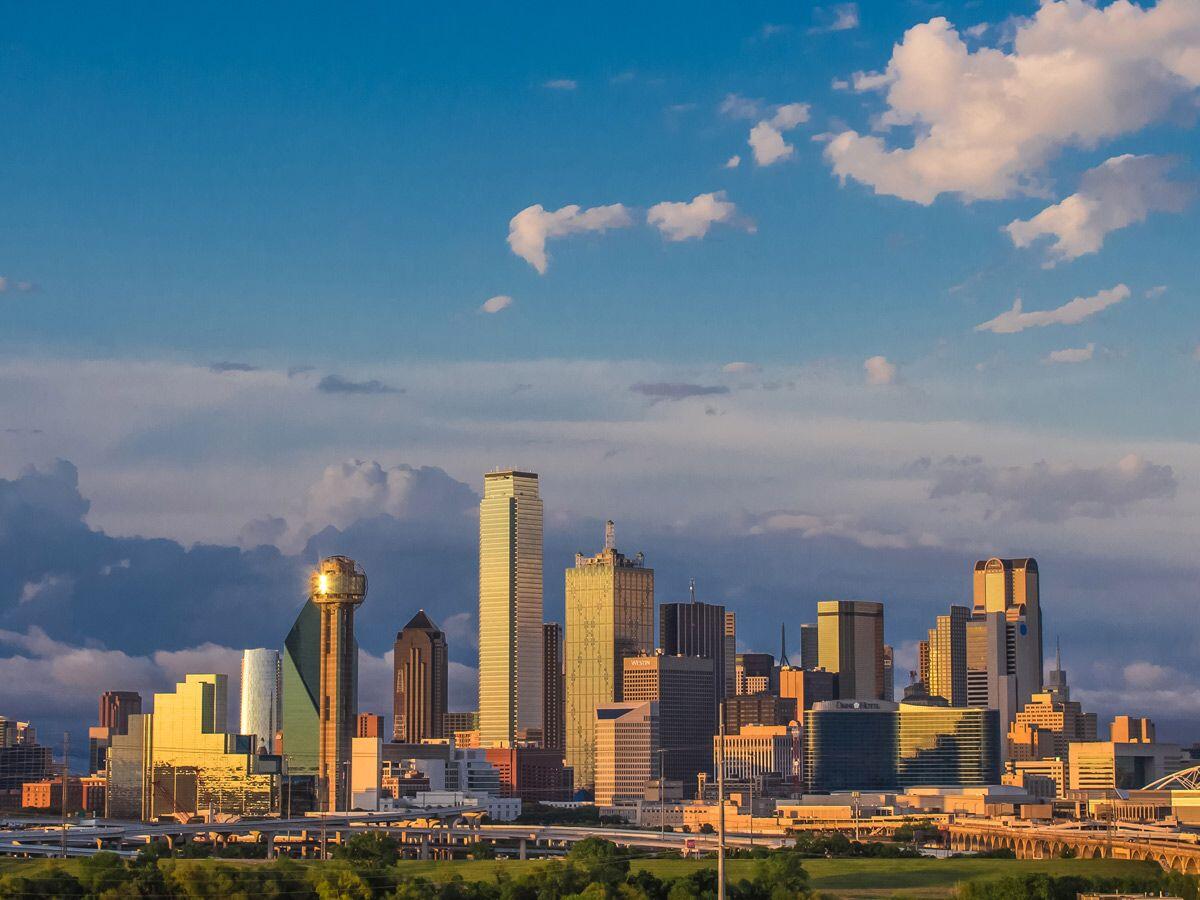
Dallas, Texas has a rich history dating back to the 1840s when it was founded by John Neely Bryan. The city's location along the Trinity River made it an ideal spot for trade and transportation. Over the years, Dallas became a center for the oil and cotton industries, and its population grew rapidly.
The city played a significant role in the Civil Rights Movement, with notable events such as the desegregation of schools in the 1960s and the establishment of the Dallas Civil Rights Museum. Today, Dallas is known for its diverse economy, which includes telecommunications, technology, and finance, as well as its vibrant arts and culture scene.
Some helpful resources while traveling
Coinmap.org
Bitcoinwide.com
Prominent Texas Bitcoin Advocates
Jimmy Song
Lyn Alden
Ted Cruz
Interesting things about Dallas Texas.
In 1844, the first group of settlers arrived in the area, which was then known as the Three Forks. A year later, the settlement was officially named Dallas, after George Mifflin Dallas, the 11th Vice President of the United States under President James K. Polk.
Dallas is the 4th largest metropolitan area in in the USA.
Dallas is home to the largest urban arts district in the United States, spanning 68 acres and housing several performing arts venues, museums, and galleries.
Things to do in and around Dallas
The Sixth Floor Museum at Dealey Plaza: This museum is a must-visit for history buffs, as it focuses on the life, times, assassination, and legacy of President John F. Kennedy.
Six Flags Over Texas: Thrill-seekers, rejoice! This amusement park offers roller coasters and rides for all ages, making it a great family destination.
Southfork Ranch is a historic site in Texas, known for its popularity on the TV show 'Dallas'. The ranch covers 357 acres and features a mansion with 63 rooms, built in 1970.
Best of Dallas Sightseeing Bus Tour: This bus tour is a relaxing way to see Dallas's top attractions, such as the Dallas Arboretum and Botanical Garden, Reunion Tower, and the George W. Bush Presidential Library and Museum.
Dallas is home to several professional sports teams, including the Dallas Cowboys in the NFL, the Dallas Mavericks in the NBA, the Texas Rangers in MLB, and the Dallas Stars in the NHL. Experience a game or two on your visit also.
Resources relating to Texas Bitcoin regulations:
Texas State Legislature website (www.capitol.texas.gov): This website provides information on current and past legislation, including bills related to Bitcoin and cryptocurrency. You can search for specific bills or browse through the relevant categories to find relevant information.
Texas Department of Banking (www.dob.texas.gov): The Texas Department of Banking offers guidance on the regulation of virtual currency, including Bitcoin. You can find relevant information on their website, including press releases and regulatory guidance.
Coin Center (www.coincenter.org): Coin Center is a non-profit research and advocacy center focused on the public policy issues facing cryptocurrency and decentralized computing technologies like Bitcoin. Their website offers in-depth analysis of regulatory developments in Texas and other states, as well as resources for understanding the legal and regulatory landscape.
CoinDesk (www.coindesk.com): CoinDesk is a leading news and information website focused on Bitcoin, digital currencies, and blockchain technology. Their coverage includes regulatory developments in Texas and other states, as well as analysis of the broader implications of these developments for the cryptocurrency industry.
Short History Of Dallas
Dallas, Texas has a rich history dating back to the 1840s when it was founded by John Neely Bryan. The city's location along the Trinity River made it an ideal spot for trade and transportation. Over the years, Dallas became a center for the oil and cotton industries, and its population grew rapidly.
The city played a significant role in the Civil Rights Movement, with notable events such as the desegregation of schools in the 1960s and the establishment of the Dallas Civil Rights Museum. Today, Dallas is known for its diverse economy, which includes telecommunications, technology, and finance, as well as its vibrant arts and culture scene.
Some helpful resources while traveling
Coinmap.org
Bitcoinwide.com
Prominent Texas Bitcoin Advocates
Jimmy Song
Lyn Alden
Ted Cruz
Interesting things about Dallas Texas.
In 1844, the first group of settlers arrived in the area, which was then known as the Three Forks. A year later, the settlement was officially named Dallas, after George Mifflin Dallas, the 11th Vice President of the United States under President James K. Polk.
Dallas is the 4th largest metropolitan area in in the USA.
Dallas is home to the largest urban arts district in the United States, spanning 68 acres and housing several performing arts venues, museums, and galleries.
Things to do in and around Dallas
The Sixth Floor Museum at Dealey Plaza: This museum is a must-visit for history buffs, as it focuses on the life, times, assassination, and legacy of President John F. Kennedy.
Six Flags Over Texas: Thrill-seekers, rejoice! This amusement park offers roller coasters and rides for all ages, making it a great family destination.
Southfork Ranch is a historic site in Texas, known for its popularity on the TV show 'Dallas'. The ranch covers 357 acres and features a mansion with 63 rooms, built in 1970.
Best of Dallas Sightseeing Bus Tour: This bus tour is a relaxing way to see Dallas's top attractions, such as the Dallas Arboretum and Botanical Garden, Reunion Tower, and the George W. Bush Presidential Library and Museum.
Dallas is home to several professional sports teams, including the Dallas Cowboys in the NFL, the Dallas Mavericks in the NBA, the Texas Rangers in MLB, and the Dallas Stars in the NHL. Experience a game or two on your visit also.
Resources relating to Texas Bitcoin regulations:
Texas State Legislature website (www.capitol.texas.gov): This website provides information on current and past legislation, including bills related to Bitcoin and cryptocurrency. You can search for specific bills or browse through the relevant categories to find relevant information.
Texas Department of Banking (www.dob.texas.gov): The Texas Department of Banking offers guidance on the regulation of virtual currency, including Bitcoin. You can find relevant information on their website, including press releases and regulatory guidance.
Coin Center (www.coincenter.org): Coin Center is a non-profit research and advocacy center focused on the public policy issues facing cryptocurrency and decentralized computing technologies like Bitcoin. Their website offers in-depth analysis of regulatory developments in Texas and other states, as well as resources for understanding the legal and regulatory landscape.
CoinDesk (www.coindesk.com): CoinDesk is a leading news and information website focused on Bitcoin, digital currencies, and blockchain technology. Their coverage includes regulatory developments in Texas and other states, as well as analysis of the broader implications of these developments for the cryptocurrency industry.