We’ve covered eight tips so far in #OptOutOctober but there’s still plenty of time to catch up and take back some of your privacy.
License plate readers were sold as tools for finding stolen cars, but records have now shown that they're being used in abortion investigations. States must ban law enforcement from using ALPRs to investigate healthcare decisions and prohibit sharing data across state lines.
Take some time this weekend to get caught up in our #OptOutOctober series, where we’re providing daily tips to reclaim your privacy, one small task at a time.
Protecting your privacy doesn't have to be scary. Check out our Surveillance Self-Defense guides for step-by-step tutorials for keeping your data and devices secure.
Want an introduction to digital surveillance, and how to protect your communications with others? Check out our Surveillance Self-Defense write-up.
Huge thanks to the Roxie Theater for partnering with us on last night's screening of 1984! And thank you to everyone who came out to support EFF, chat with us, and enjoy Orwell's classic on the big screen 👁️
If you want to start taking steps to enhance your digital security, it can be hard to know where to start. Here are some simple concepts and tips.
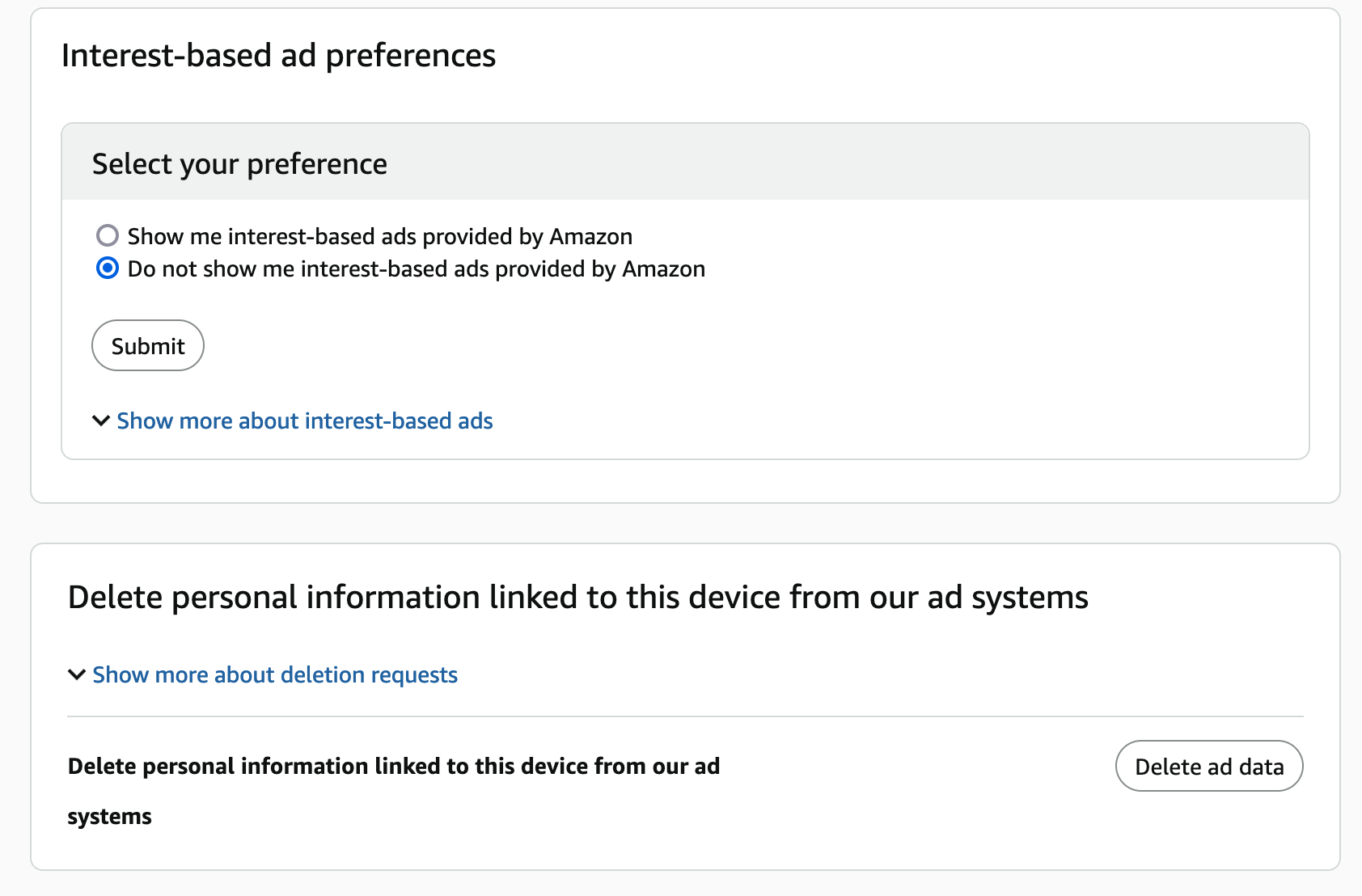
Happy Amazon Prime Day! Amazon collects mountains of data about how you use the service, but there is a setting you can change to make it harder for the company to use that data to sell you more things. #OptOutOctober image
Newly obtained documents confirm what law enforcement and Flock Safety tried to deny: A Texas sheriff’s office used license plate readers while investigating a woman’s self-managed abortion, not to find a “missing person."
“If (AI crime prediction is) paired with invasive technologies such as face recognition, which itself reflects biases and makes errors that have led to false arrests, the potential harm is exponential," EFF’s Matthew Guariglia told Mashable.