Setting a passcode for your lockscreen is an important step, but it's not the end of the story for securing your phone.
Google, Meta, and Amazon are among the top companies tracking you across the web. By automatically blocking their trackers, Privacy Badger makes it harder for Big Tech companies to profit from your personal information.
Every Wyoming parent now has the right to sue any website, big or small, that contains a single, sexual, NSFW picture, passage, audio file, or video and doesn't use age verification.
Choosing your security and privacy tools is an ongoing process, not a one-time purchase or download.
Protecting your privacy doesn't have to be scary. Check out our Surveillance Self-Defense guides for step-by-step tutorials for keeping your data and devices secure.
Wyoming’s new age-verification law deputizes parents to enforce internet censorship through lawsuits—no oversight, no standards, just lawsuits.
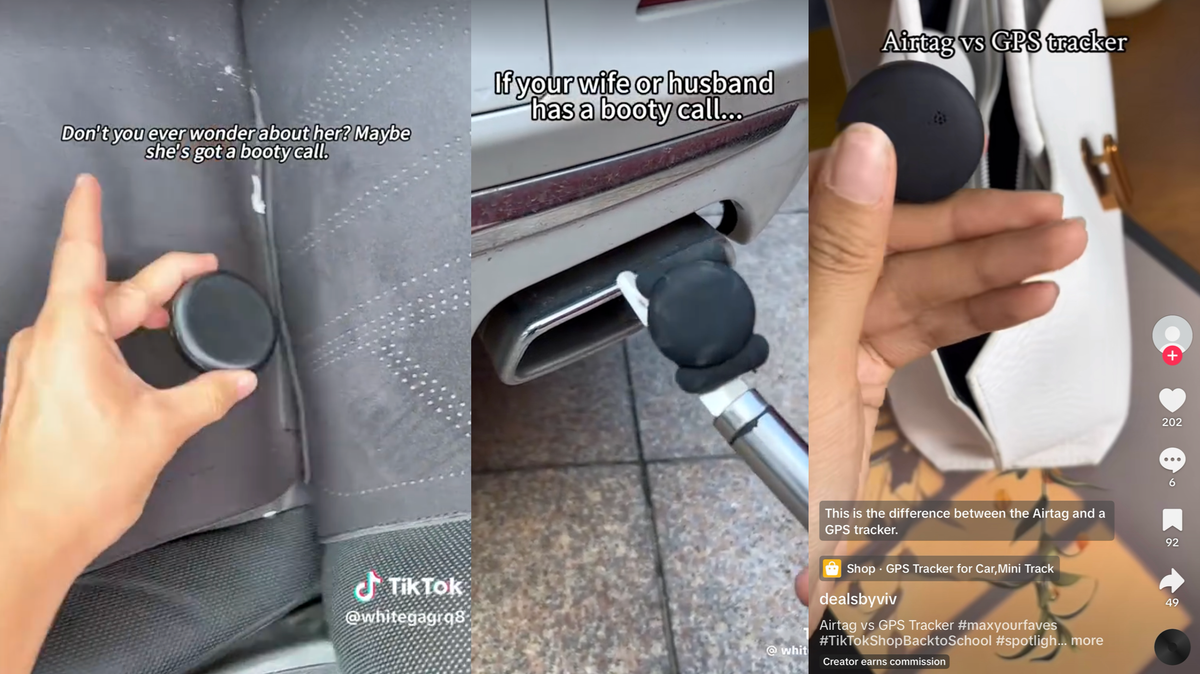
“This is absolutely being framed as a tool of abuse,” EFF’s [@evacide]( ) told @404 Media. “Anything where the justification is ‘catch your partner cheating’ or ‘get peace of mind about your partner’ is enabling coercive control.”
“There’s a lack of imagination for the worst case scenario,” EFF’s Beryl Lipton told Government Technology News. The only way to definitively keep this data from those who aren't supposed to have it is by not collecting and storing it in the first place.
From breaking down how location tracking works to the various types of malware, here’s everything to know about your phone’s privacy vulnerabilities.
"What is harmful content is subjective and arbitrary. It can come to target LGBTQ+ discourse, educational content on women’s health, or trans rights speech," EFF's Paige Collings told Le Monde. (in French) https://www.lemonde.fr/pixels/article/2025/08/11/pourquoi-la-generalisation-du-controle-de-l-age-inquiete-les-defenseurs-des-libertes-numeriques_6628036_4408996.html