For Syrian users, the lifting of tech sanctions is more than a bureaucratic change—it’s a door, long closed, beginning to open.

Safety matters—but so do privacy, access to information, and the fundamental rights of all users. Online safety for young people must not come at the expense of rights. Read our recent submission to the European Commission here:
ICE Block “is not uploading your location at all, when you make a report that report isn’t associated with your device in any way, and there are no third party services that it talks to or sends data to,” EFF’s @Exploit Code Not People told @404 Media.
Hackers unite! We're excited to see some of you wearing this limited NSA Eagle badge at #DEFCON33. Help EFF fight dystopia and grab one for yourself today!
“We’re proud to be a place that is safe for immigrants, people seeking abortion, & people who are seeking gender-affirming healthcare,” EFF’s [@Adam_D_Schwartz]( ) told @npub1pz8p...np0r but “to be fully a sanctuary state, we also have to be a data sanctuary state.”
Over the last 39 months, a data broker harvested 1 billion flight records from commercial airline customers, and sold it to border guards and ICE.
“A lot of our privacy … rests on tech companies saying ‘no’ ... when the government comes with an illegal order,” EFF’s Cindy Cohn told Mercury News. If they don’t, “it can really empower the government to do a lot of surveillance and a lot of repression.”
EFF has talked to public defenders who worry how the proliferation of AI-generated police reports is "going to affect cross-examination" by potentially giving cops an easy scapegoat when accused of lying on the stand, EFF’s Matthew Guariglia told @Ars Technica.
EFF has filed a brief with a Virginia appeals court explaining that police can’t make search engines hand over information about every user that looks up certain terms.
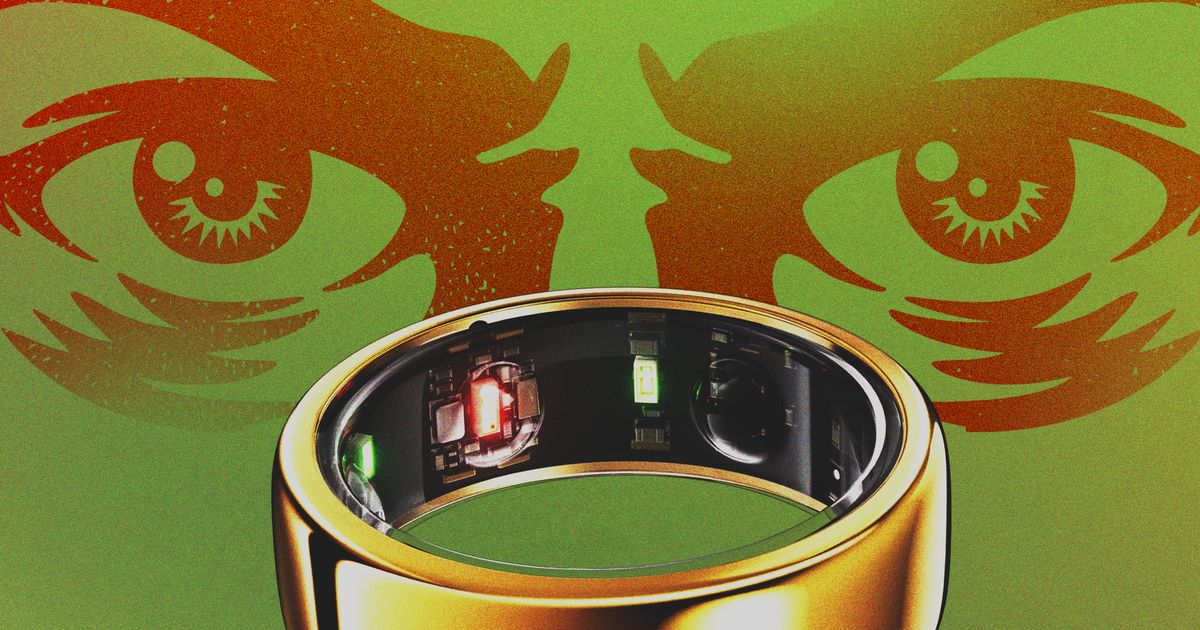
“Whenever you have a lot of very personal data like that, it usually ends up becoming a target for someone, whether that is hackers, bad actors who want to compromise your device, or even law enforcement,” EFF's Matthew Guariglia told The Cut about wearables.