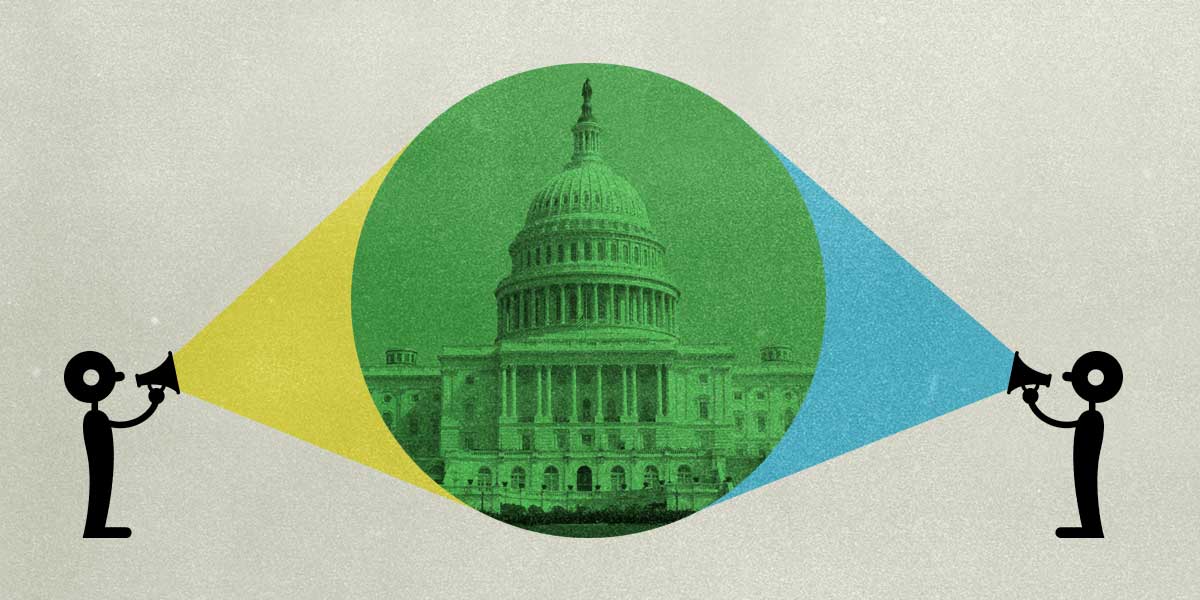
An independent infosec community is fundamental to protecting our democracy, and to the profession itself.

For decades, "one of the first principles of data privacy has been if government collects data for one purpose, government should not use that data for another purpose without permission of the data subject,” EFF’s [@Adam_D_Schwartz]( ) told @404 Media.
Powering off your phone or laptop erases the key that unlocks its encryption, and so protects against unwanted searches, EFF’s Will Greenberg told AP. “This is why a border agent can’t simply turn a device on to use a tool like Cellebrite.”
FADPA is internet censorship by private companies and other power players. EFF is fighting back.
Rampant use of police surveillance tech “really comes down to a question of, do we want to live in a city where all of us – all of us, not just 'criminals,' but all of us - are watched & listened to everywhere we go?” EFF's @npub1ey8m...dsjp told NBC Bay Area.
Congress is considering bills that let content owners block entire websites, even if they contain lawful content. It’s a huge overreach.
Tell companies to stop tracking you by installing Privacy Badger today!
There's a more secure alternative to texting via your phone's native messaging app. Signal is a free app that employs end-to-end encryption and we have a step-by-step guide to help you learn how to use it.
EFF’s @npub1l3xy...v4qu told [@huffingtonpost]( ) he tends to shut off automation features on his devices “because I find them unpredictable and unhelpful.” He advises everyone to “take a beat to consider what risks these sorts of errors might result in for them.“
“Lots of tools are helpful for police,” EFF’s Hannah Zhao told ABC 7 Chicago. “I bet that the Big Brother system in '1984' would be super helpful because it surveils everyone, but I don't think that's the kind of state we want to live in."