
#siamstr #rightshift #piriya #btc #bitcoin #nostr
 #siamstr #btc #bitcoin #nostr
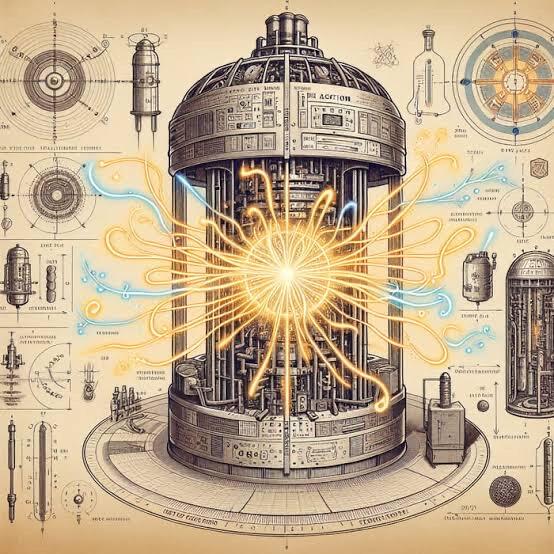 Nuclear and water (hydropower) energy are seen as key alternatives to hydrocarbons in anti-fiat perspectives. These energy sources promote energy independence and sovereignty, reducing reliance on volatile global oil and gas markets. Both nuclear and hydropower offer sustainability by minimizing carbon emissions and pollution, aligning with anti-fiat goals for cleaner, long-term solutions.
Nuclear and hydropower energy also support decentralization by enabling local energy production, particularly with small-scale hydropower. They provide cost stability, shielding users from the fluctuations of fossil fuel prices. As technologies like small modular reactors and efficient hydropower systems advance, they align with anti-fiat values of innovation, self-reliance, and reduced exposure to inflation-prone fiat currencies.
#btc #bitcoin #siamstr #nostr
Nuclear and water (hydropower) energy are seen as key alternatives to hydrocarbons in anti-fiat perspectives. These energy sources promote energy independence and sovereignty, reducing reliance on volatile global oil and gas markets. Both nuclear and hydropower offer sustainability by minimizing carbon emissions and pollution, aligning with anti-fiat goals for cleaner, long-term solutions.
Nuclear and hydropower energy also support decentralization by enabling local energy production, particularly with small-scale hydropower. They provide cost stability, shielding users from the fluctuations of fossil fuel prices. As technologies like small modular reactors and efficient hydropower systems advance, they align with anti-fiat values of innovation, self-reliance, and reduced exposure to inflation-prone fiat currencies.
#btc #bitcoin #siamstr #nostr
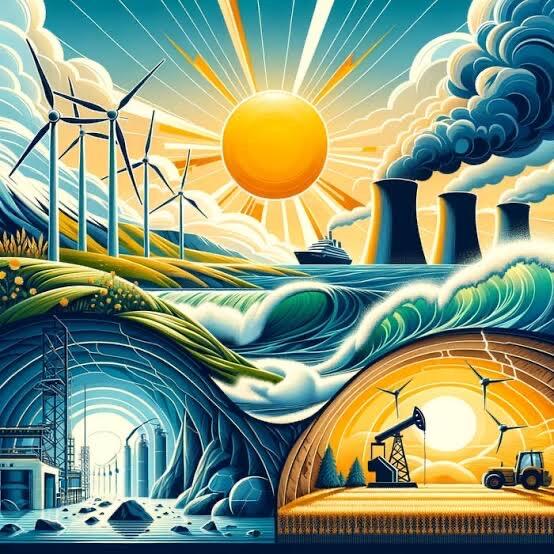 Solar energy, while often marketed as a clean alternative, is still highly costly due to its dependence on expensive manufacturing processes and raw materials. Producing solar panels requires significant energy input, often derived from fossil fuels, including coal and natural gas, which undermines the environmental benefits. The need for carbon-intensive resources in the production and transportation of solar technology makes it less “green” than many assume.
In addition to the high upfront costs, solar energy also faces challenges in efficiency and storage. The production of solar panels and the batteries needed for energy storage relies heavily on materials like lithium and cobalt, which have environmental and social costs. Despite being a renewable source of energy, solar’s reliance on carbon-based resources and high production costs makes it a complex and costly solution compared to hydrocarbons, which have a more developed and cost-efficient infrastructure.
#siamstr #btc #bitcoin #nostr #asknostr
Solar energy, while often marketed as a clean alternative, is still highly costly due to its dependence on expensive manufacturing processes and raw materials. Producing solar panels requires significant energy input, often derived from fossil fuels, including coal and natural gas, which undermines the environmental benefits. The need for carbon-intensive resources in the production and transportation of solar technology makes it less “green” than many assume.
In addition to the high upfront costs, solar energy also faces challenges in efficiency and storage. The production of solar panels and the batteries needed for energy storage relies heavily on materials like lithium and cobalt, which have environmental and social costs. Despite being a renewable source of energy, solar’s reliance on carbon-based resources and high production costs makes it a complex and costly solution compared to hydrocarbons, which have a more developed and cost-efficient infrastructure.
#siamstr #btc #bitcoin #nostr #asknostr
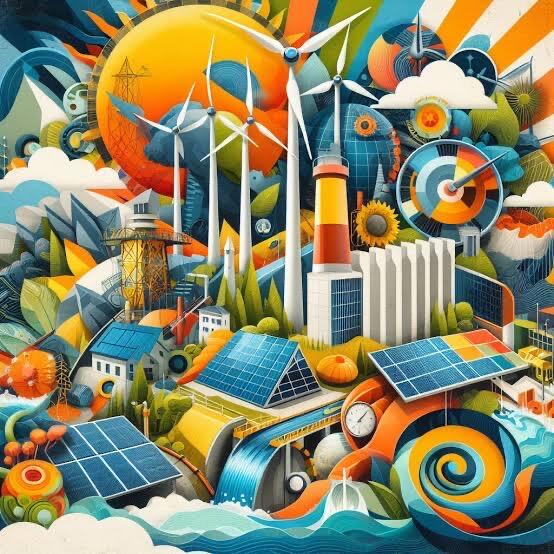 From an Austrian economic perspective, hydrocarbons are often favored over solar energy due to their intrinsic value and market-driven efficiency. Austrian economics emphasizes the importance of real, tangible assets for energy production. Hydrocarbons, deeply embedded in global markets, are seen as more reliable and efficient for creating wealth, unlike fiat-backed, government-controlled energy sources. Solar energy, in comparison, is often viewed as dependent on subsidies and interventions, lacking the same market-driven value.
Anti-fiat advocates criticize the reliance on government-backed energy systems, including solar, which are often funded by state incentives and monetary policies that inflate fiat currencies. In contrast, hydrocarbons are considered more “sound” in economic terms because they rely on tangible, market-driven forces. As the push for decentralized energy grows, the future may see greater emphasis on energy systems that align with Austrian principles of value, market competition, and minimal state intervention.
From an Austrian economic perspective, hydrocarbons are often favored over solar energy due to their intrinsic value and market-driven efficiency. Austrian economics emphasizes the importance of real, tangible assets for energy production. Hydrocarbons, deeply embedded in global markets, are seen as more reliable and efficient for creating wealth, unlike fiat-backed, government-controlled energy sources. Solar energy, in comparison, is often viewed as dependent on subsidies and interventions, lacking the same market-driven value.
Anti-fiat advocates criticize the reliance on government-backed energy systems, including solar, which are often funded by state incentives and monetary policies that inflate fiat currencies. In contrast, hydrocarbons are considered more “sound” in economic terms because they rely on tangible, market-driven forces. As the push for decentralized energy grows, the future may see greater emphasis on energy systems that align with Austrian principles of value, market competition, and minimal state intervention.
 White Elephant government projects often fail due to unclear goals, inflated benefits, high costs with low returns, corruption, mismanagement, and lack of public interest. These initiatives burden taxpayers without addressing real needs, often leading to environmental and social issues.
A global example is Greece’s abandoned Olympic venues from the 2004 Games. Billions were spent on infrastructure that remains unused, highlighting poor planning and lack of long-term vision. This underscores the need for government projects to prioritize transparency, feasibility, and real public benefit.
#siamstr #btc #bitcoin #nostr
White Elephant government projects often fail due to unclear goals, inflated benefits, high costs with low returns, corruption, mismanagement, and lack of public interest. These initiatives burden taxpayers without addressing real needs, often leading to environmental and social issues.
A global example is Greece’s abandoned Olympic venues from the 2004 Games. Billions were spent on infrastructure that remains unused, highlighting poor planning and lack of long-term vision. This underscores the need for government projects to prioritize transparency, feasibility, and real public benefit.
#siamstr #btc #bitcoin #nostr
 Steven Koonin critiques the direct link between carbon dioxide (CO₂) emissions and morbid mortality, arguing that such connections are often overstated or oversimplified. He highlights the distinction between correlation and causation, suggesting that rising CO₂ levels alone cannot be blamed for increased mortality without considering other factors like socioeconomic conditions, healthcare infrastructure, and adaptation capabilities. Koonin also points out that advancements in technology and public health have historically reduced vulnerability to climate impacts, even as CO₂ levels have risen. He frequently emphasizes the uncertainties in climate models, arguing that their predictions about mortality are less precise than often portrayed in public discourse.
However, most climate scientists counter that while CO₂ itself does not directly cause mortality, its role in driving climate change exacerbates risks like heatwaves, extreme weather, and disease outbreaks, which disproportionately affect vulnerable populations. Critics of Koonin argue that his focus on adaptation downplays the urgency of reducing emissions to prevent long-term, systemic harm. While Koonin’s critiques are seen as a valuable reminder to refine climate models and policies, the broader consensus supports the view that CO₂-driven climate change poses significant health risks that require immediate and coordinated action.
#siamstr #nostr #btc #bitcoin
Steven Koonin critiques the direct link between carbon dioxide (CO₂) emissions and morbid mortality, arguing that such connections are often overstated or oversimplified. He highlights the distinction between correlation and causation, suggesting that rising CO₂ levels alone cannot be blamed for increased mortality without considering other factors like socioeconomic conditions, healthcare infrastructure, and adaptation capabilities. Koonin also points out that advancements in technology and public health have historically reduced vulnerability to climate impacts, even as CO₂ levels have risen. He frequently emphasizes the uncertainties in climate models, arguing that their predictions about mortality are less precise than often portrayed in public discourse.
However, most climate scientists counter that while CO₂ itself does not directly cause mortality, its role in driving climate change exacerbates risks like heatwaves, extreme weather, and disease outbreaks, which disproportionately affect vulnerable populations. Critics of Koonin argue that his focus on adaptation downplays the urgency of reducing emissions to prevent long-term, systemic harm. While Koonin’s critiques are seen as a valuable reminder to refine climate models and policies, the broader consensus supports the view that CO₂-driven climate change poses significant health risks that require immediate and coordinated action.
#siamstr #nostr #btc #bitcoin