This iconic photograph captures the massive ash cloud from the catastrophic 1980 eruption of Mount St. Helens..... The photo was taken on May 18, 1980, by Richard Lasher, a Boeing employee who was on his way to ride his dirt bike near Spirit Lake. As the ash cloud rapidly approached, Lasher was forced to abandon his red Ford Pinto and escape on his motorcycle. The eruption was a lateral blast, considered the most disastrous volcanic eruption in U.S. history. #archaeohistories image
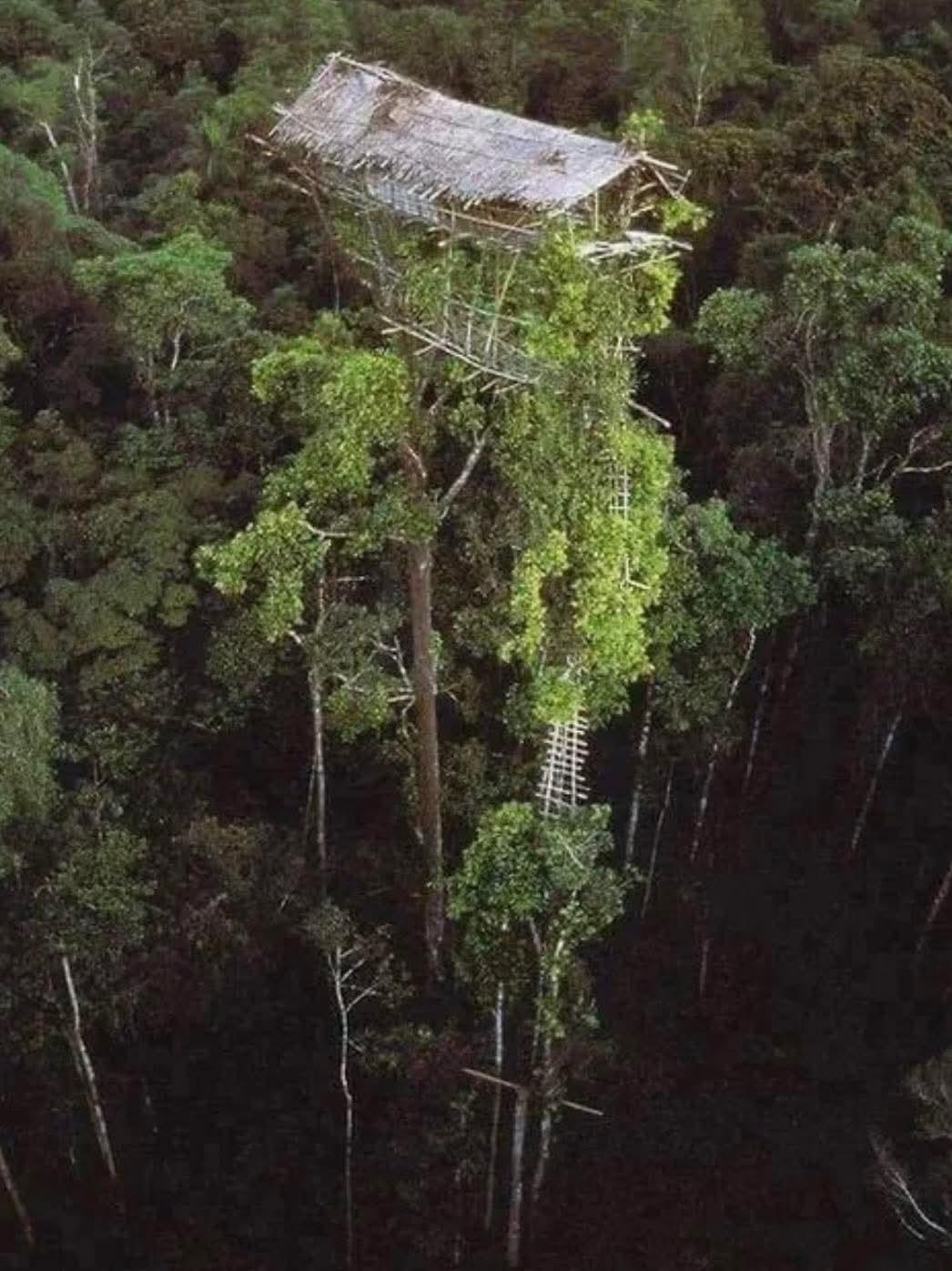
A traditional tree house built by Korowai people of Papua, Indonesia. These unique dwellings are a form of architectural adaptation to dense rainforest environment.  Houses are constructed using natural materials like timber, vines and palm leaves. They are built high above the ground, sometimes over 40m high, to protect against floods, wild animals, insects, and evil spirits. The height is also used to spot enemies or intruders from afar.  #archaeohistories image
A Russian fisherman named Nikolay Tarasov was fishing in the Dudet River near Tisul in Siberia when his net snagged something that at first looked like an ordinary stone. On closer inspection and after washing off the mud he realised it was a small carved figurine rather than a rock. Thinking it might be just odd at first he nearly threw it back, but instead took it to the Tisul History Museum. #archaeohistories image
In 1959, a cement mixer with a full load of cement, wrecked near Winganon, Oklahoma 🇺🇸 By the time a tow truck came to haul it away, all of cement had hardened inside of mixer. Tow truck was not able to remove all wreckage at same time because of weight, and decided to haul only cab/frame and would come back for detached mixer later, which never happened. Today, 67 years later, it still sits where it fell. Locals have painted it and added "rocket thrusters" to make it look like a space capsule. image
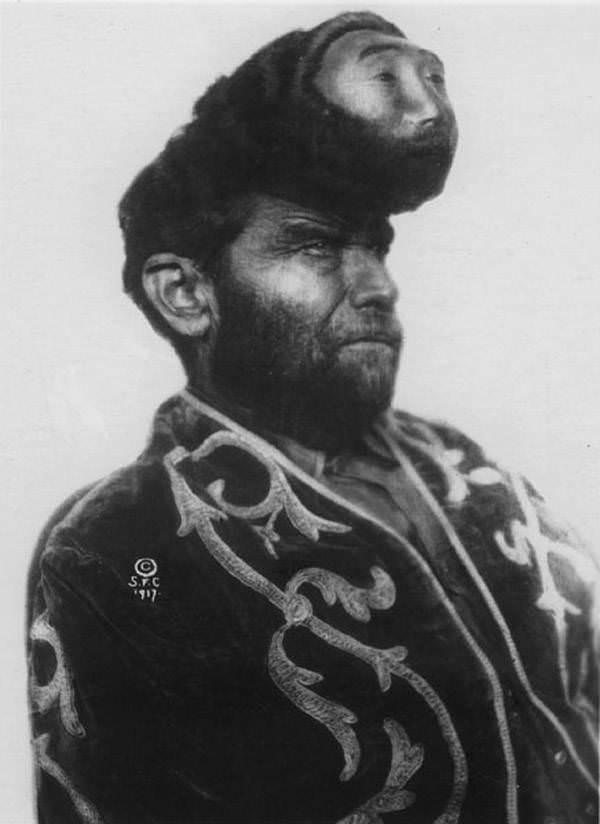
Pasqual Piñón (1889-1929), also known as "The Two-Headed Mexican". He was a performer with the Sells-Floto Circus in the early 1900s... Piñón was a railroad worker from Texas discovered by a sideshow promoter who noticed a large, benign cyst or tumor on his forehead. The "second head" was reportedly a fake made from wax, created by the circus promoter to enhance the sideshow act. #archaeohistories image
Greek Terracotta Figure (perhaps a toy) in the form of a woman, perhaps preparing food, articulated at waist and shoulders, resting on a rectangular panel, traces of white slip and black and red colour survive; the one wooden element (a rolling-pin), a modern replacement (450 BC), from Rhodes - Greece 🇬🇷 (H. 11.40cm; W. 8.10cm; D. 11.20cm; Wt. 287g) British Museum #archaeohistories image
The brick that changed the world... The Motorola DynaTAC 8000X, launched in 1983, the world's first commercially available handheld cellular phone. It weighed around 1 kg (2.2 lbs) and was nicknamed the "brick phone". A full charge took 10 hours and provided only 30 minutes of talk time. The launch price was \$3,995, equivalent to over \$12,000 today. © Reddit #archaeohistories image
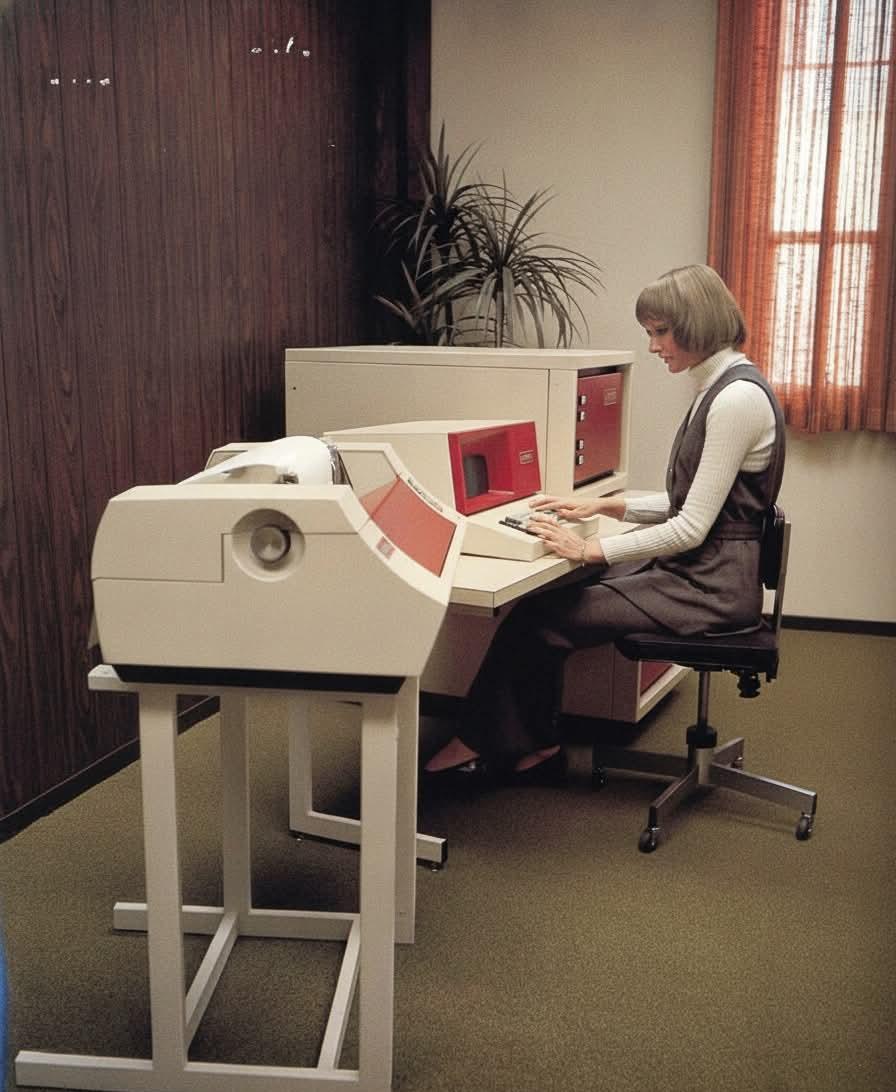
1970s Office.... A flashback to the corporate world of the 1970s. This office scene captures the era's distinct aesthetic, characterized by heavy beige technology, wood paneling, and an abundance of earth tones. © Reddit #archaeohistories image
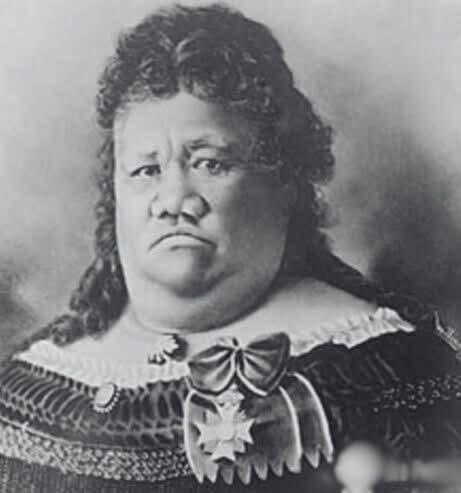
A portrait of Princess Ruth Keʻelikōlani. Also known as Luka Keʻelikōlani, she was a high-ranking member of the House of Kamehameha and a direct descendant of Kamehameha I, the leader who united the Hawaiian Islands. She was a steadfast protector of Hawaiian culture, language, and traditions during a period of significant change and foreign influence. #archaeohistories image
Two local farmers working in a field in Bamiyan Valley of Afghanistan, 1992.... The two monumental statues, known as Buddhas of Bamiyan, were carved into the sandstone cliffs around 6th Century CE. They were once tallest standing Buddha statues in the world, measuring 115ft and 174ft in height. The statues were a significant example of the Gandharan school of Buddhist art, blending Indian, Persian and Greco-Roman artistic styles. © History Pictures #archaeohistories image