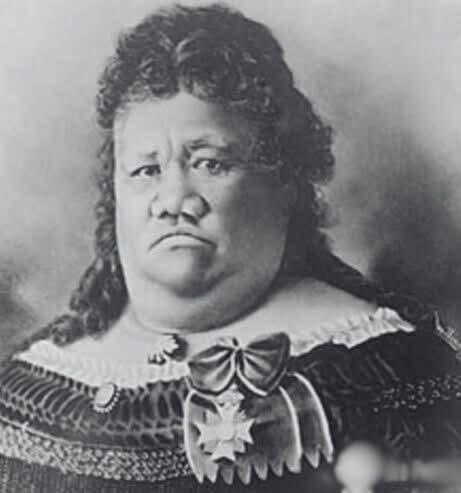
A portrait of Princess Ruth Keʻelikōlani. Also known as Luka Keʻelikōlani, she was a high-ranking member of the House of Kamehameha and a direct descendant of Kamehameha I, the leader who united the Hawaiian Islands. She was a steadfast protector of Hawaiian culture, language, and traditions during a period of significant change and foreign influence. #archaeohistories image
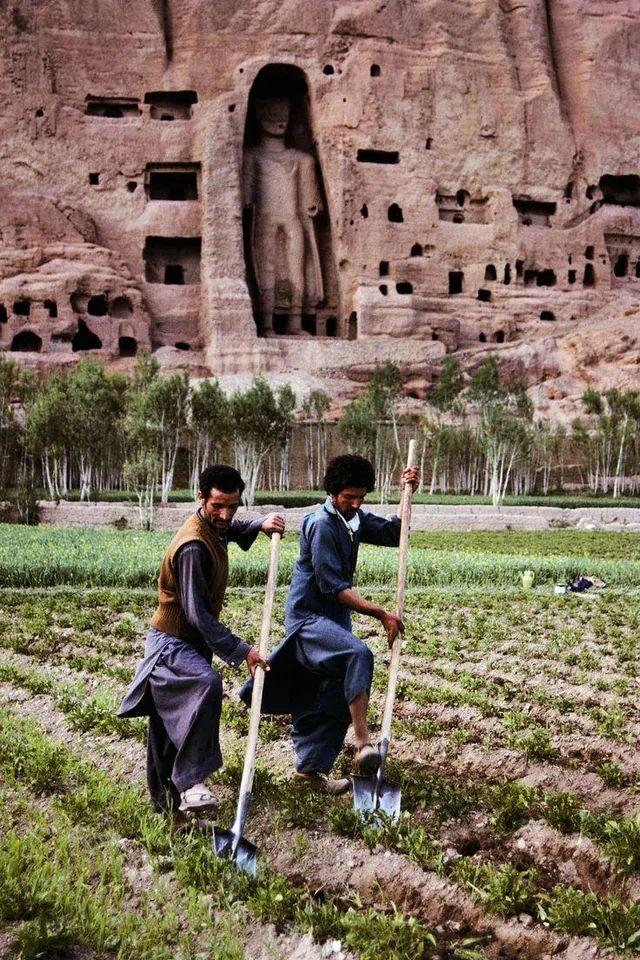
Two local farmers working in a field in Bamiyan Valley of Afghanistan, 1992.... The two monumental statues, known as Buddhas of Bamiyan, were carved into the sandstone cliffs around 6th Century CE. They were once tallest standing Buddha statues in the world, measuring 115ft and 174ft in height. The statues were a significant example of the Gandharan school of Buddhist art, blending Indian, Persian and Greco-Roman artistic styles. © History Pictures #archaeohistories image
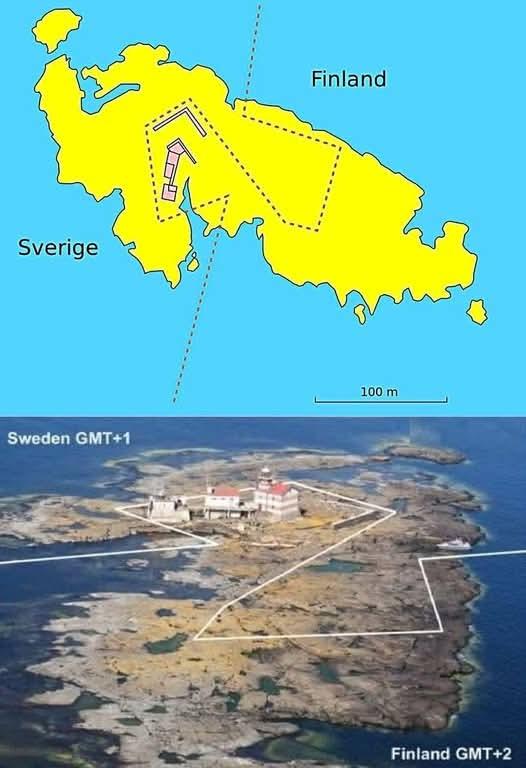
Märket, world's smallest island split between two nations, a 3.3-hectare Baltic islet shared by Sweden and Finland. The border, originally a straight line from an 1809 treaty, was redrawn in zigzag pattern in 1985. This adjustment was made to ensure a lighthouse, accidentally built on Swedish side in 1885, was placed within Finnish territory, without either country losing land overall. The island is uninhabited and home to an automated lighthouse, attracting visitors due to its unique history. image
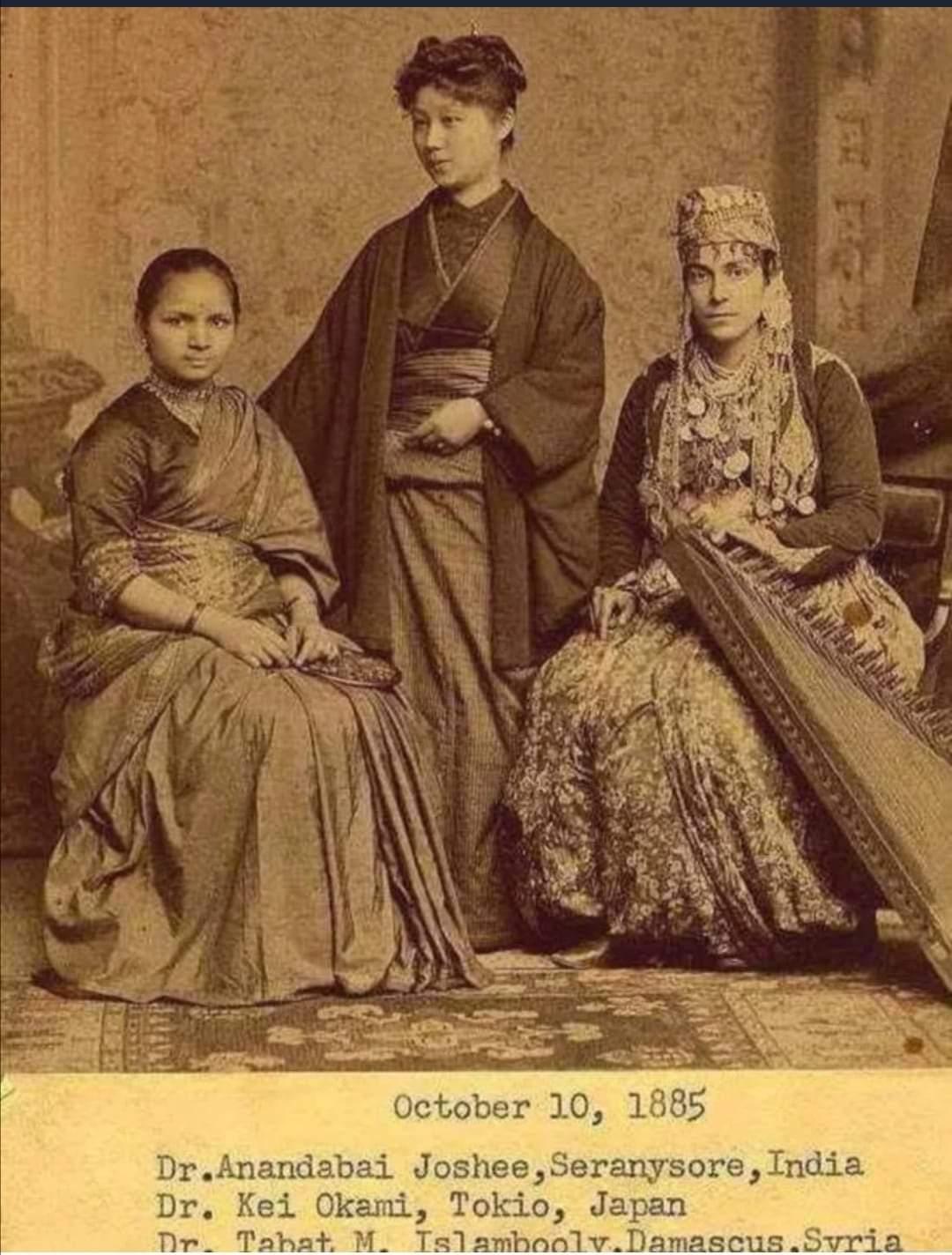
This incredible photograph from 1885 AD, of Anandibai Joshi of India, Keiko Okami of Japan, and Sabat Islambouli of Syria, who each became the first licensed female doctors in their respective countries. The three were students at the Woman’s Medical College of Pennsylvania; one of the only places in the world at the time where women could study medicine. © Historical Photos #archaeohistories image
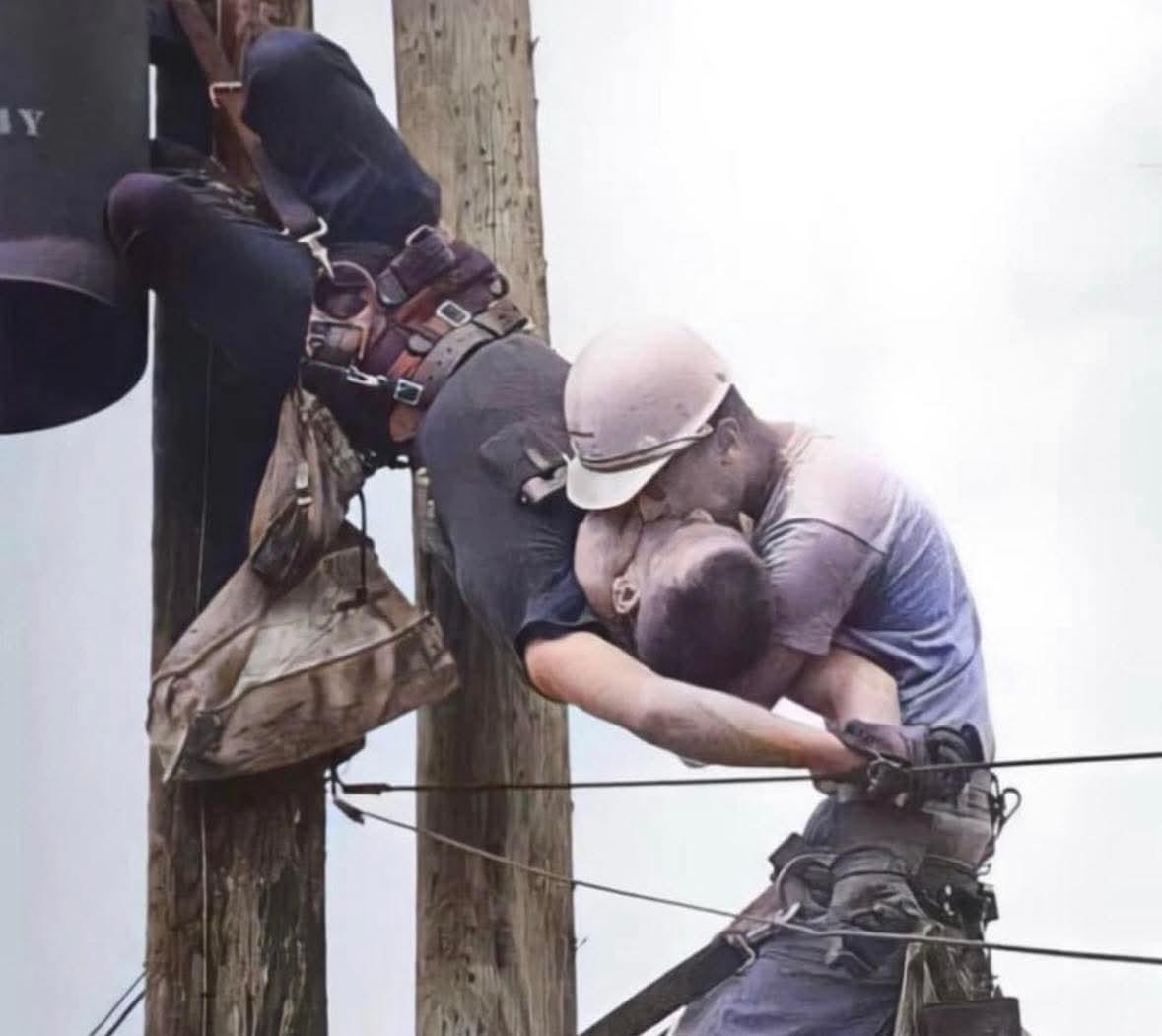
Randall Champion was already dead when this photo was taken. He had been electrocuted while working on a utility pole in 1967, his heart stopped mid-shift. His colleague J.D. Thompson, without hesitation, climbed up and gave him mouth-to-mouth resuscitation while both were still strapped to the pole. The image, later dubbed “The Kiss of Life,” captured a moment of pure instinct and heroism. Champion survived the incident and lived for nearly 40 more years. 📷© Rocco Morabito #archaeohistories image
😁😁😁 #archaeohistories image
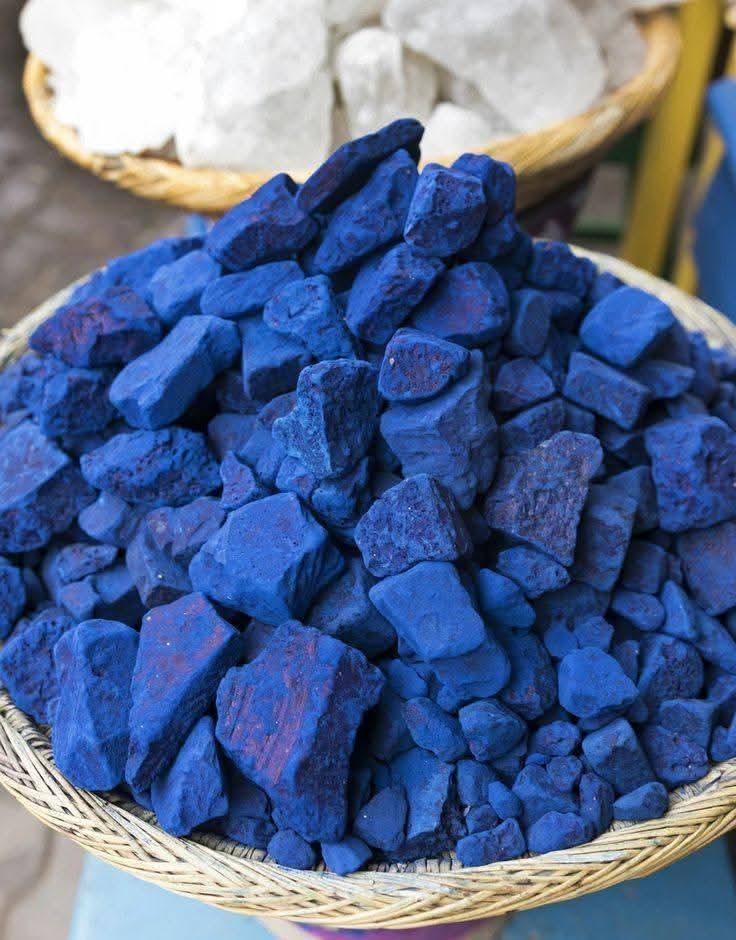
For over 6000 years, Afghanistan’s mountains have hidden one of the world’s most prized treasures: Lapis Lazuli... From the rugged Sar-e Sang mines in Badakhshan came this mesmerizing semi precious blue stone — the source of the pigment ultramarine. It's more than just a gem, it became a symbol of power, spirituality, and beauty. #archaeohistories image
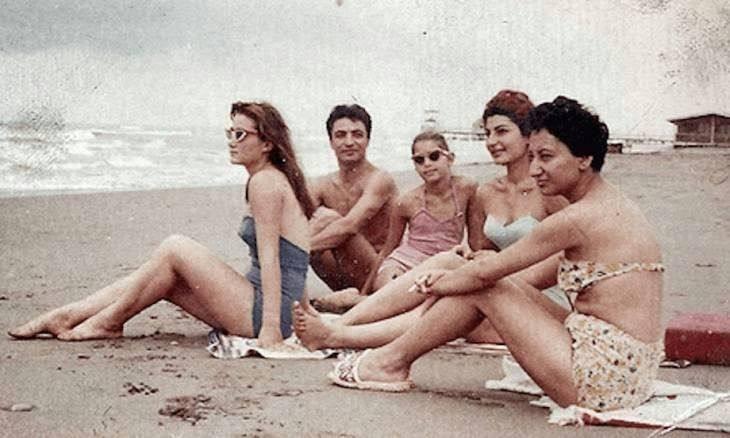
Women at the beach, in Iran 1970s ... Iran was a very different country, pre-1979, to what it is now, both economically and socially. Mohammad Reza Pahlavi ruled as Shah, having been given strengthened monarchical powers by the US-UK backed 1953 coup, and he introduced wide-spread social changes, particularly after the 1963 White Revolution. These included radical reforms of the social system, secularism and a re-distribution of wealth. #archaeohistories image
A replica of military bicycle from early 20th Century, equipped with spring-loaded wheels, a fascinating example of innovation in military equipment design of the time. This model, dating back to the 1900s, featured a spring suspension system in the wheels, designed to enhance mobility across rough and uneven terrain. The spring-loaded wheels helped absorb shocks, making the bicycle more effective for soldiers navigating challenging environments. #archaeohistories image
😆😆😆 #archaeohistories image