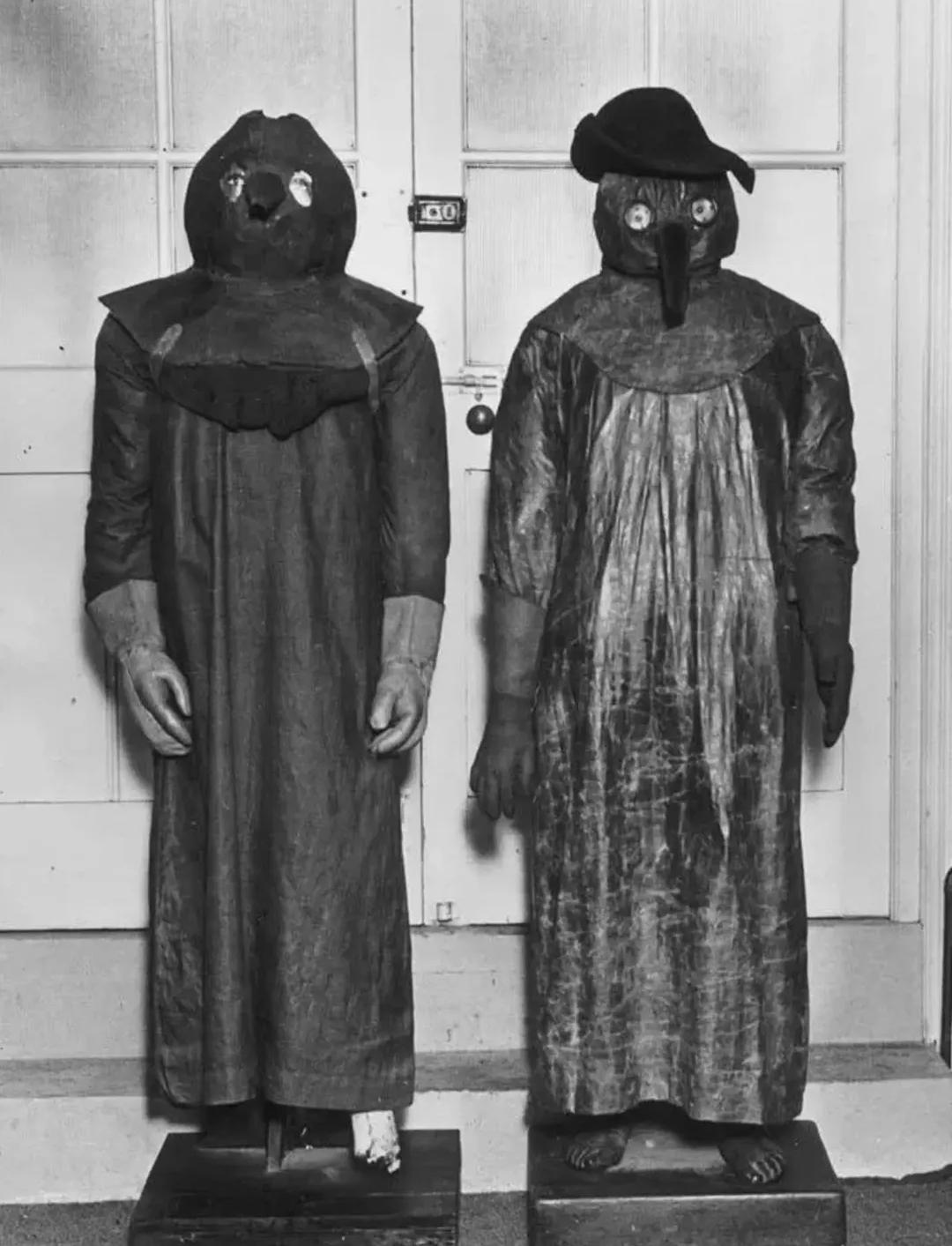
These are the real-life outfits doctors would wear to treat plague patients in 1600s... The eerie beaked masks you see here belonged to plague doctors of 1600s, who worked in Europe during outbreaks of bubonic plague. Their appearance has become iconic, but the design was rooted in medical theories of the time. Long beak was stuffed with herbs, flowers, and spices, things like lavender, cloves or mint, which doctors believed could filter out โ€œmiasma,โ€ or bad air, thought to spread disease. image
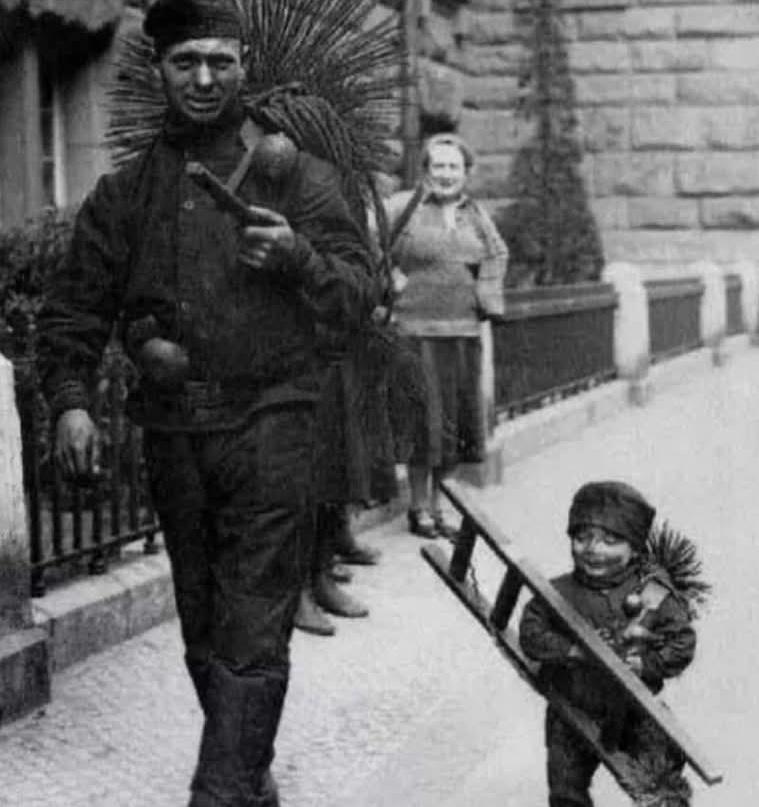
In late 17th Century CE, England, response to Great Fire of London was to make chimneys much narrower. Children were employed to be human chimney sweeps. Child labor was common in chimney sweeping industry for over 200 years because children were small enough to fit into the narrow flues. Typical age was between 5-10 years of age. Some as young as 4 years old. Master sweeps bought children from orphanages, took homeless young boys or from destitute parents. #archaeohistories image
An elderly woman from Kalash community..... Kalash people are an indigenous ethnic group living in Chitral district of Khyber Pakhtunkhwa province, Pakistan ๐Ÿ‡ต๐Ÿ‡ฐ They are known for their unique culture, language, and traditions, which differ from those of the majority Pakistani population. Some members of Kalash community have distinctive physical features, such as blond hair and blue eyes, which has led to unconfirmed speculation that they are descended from the army of Alexander the Great. image
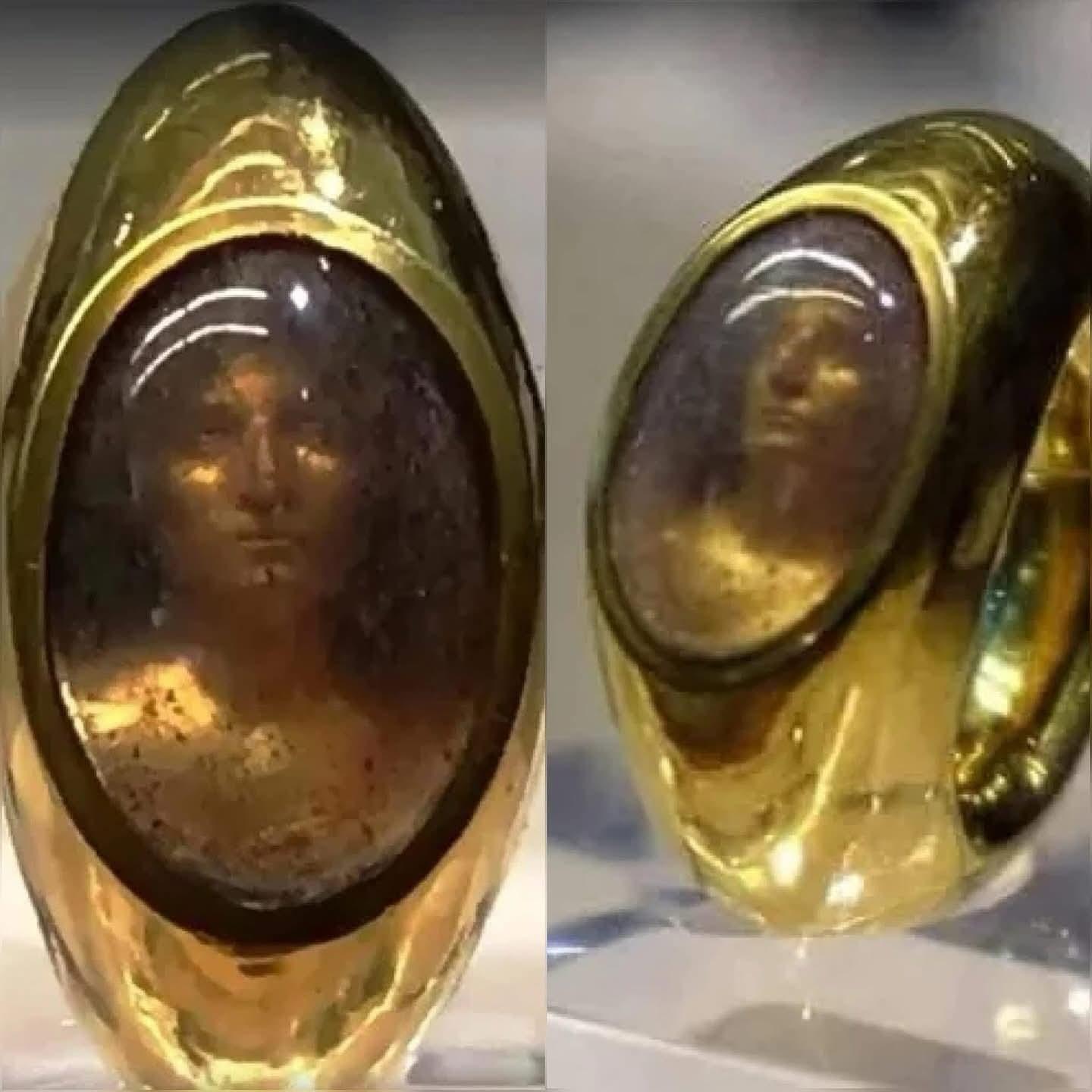
A 2,000-year-old Roman gold ring, engraved with what looks like a holographic image, was discovered in tomb of Aebutia Quarta near Rome ๐Ÿ‡ฎ๐Ÿ‡น The ring features a rock crystal carved with a portrait of her son, Titus Carvilius Gemello. The engraving, done on the reverse side of the crystal, bends and refracts light, creating a three dimensional effect that makes image appear lifelike. this artifact showcases the intricate craftsmanship of ancient Rome. Museo Archeologico Nazionale di Palestrina image
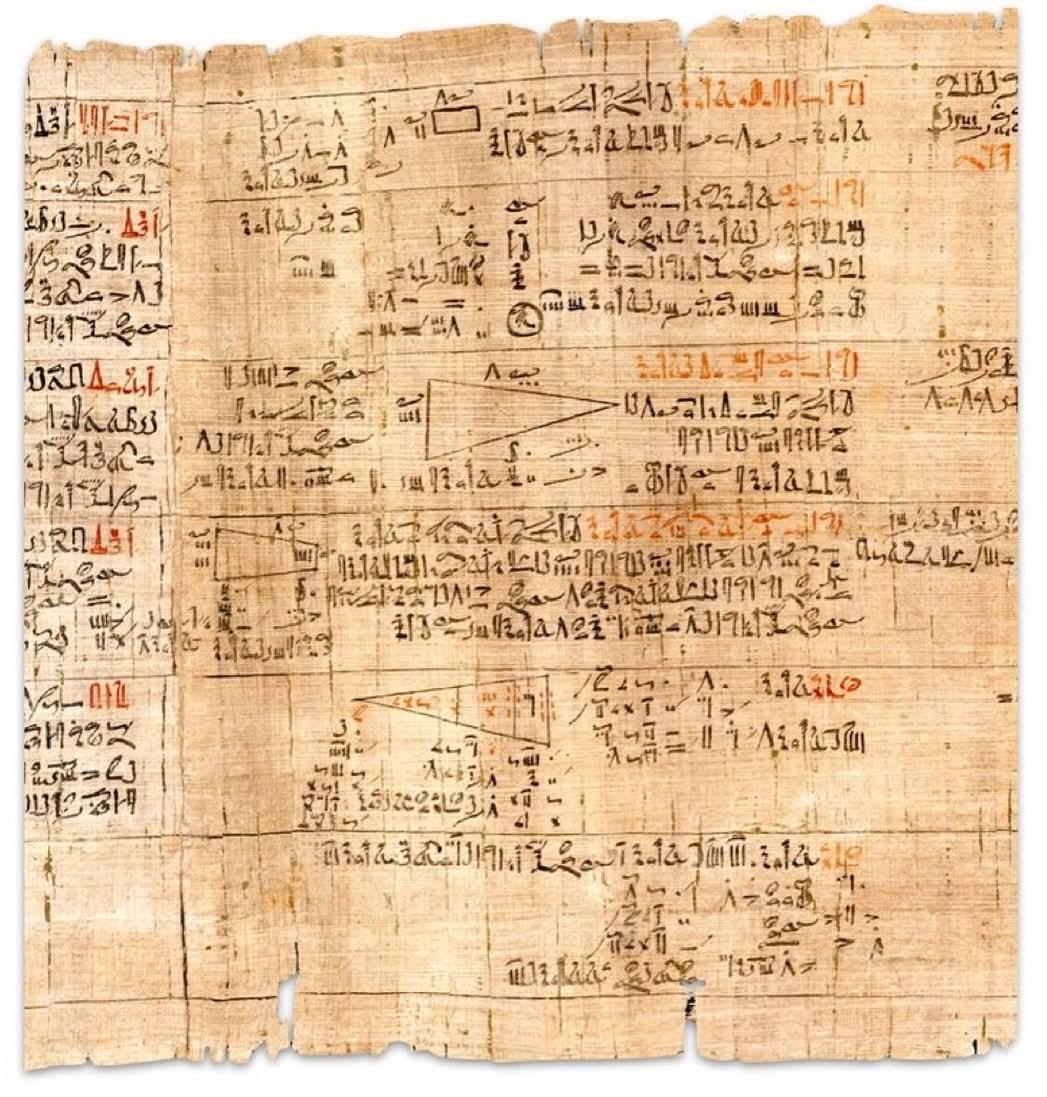
Rhind Mathematical Papyrus, written around 1650 BC, is one of oldest known math texts in human history and shows that ancient Egyptians had a surprisingly advanced understanding of mathematics. It includes methods for solving linear equations, working with fractions, calculating areas and volumes, and using geometric progressions. The papyrus was purchased by Scottish antiquarian Alexander Henry Rhind in 1858 in Luxor, and parts of it are now housed in the British Museum.ย  #archaeohistories image