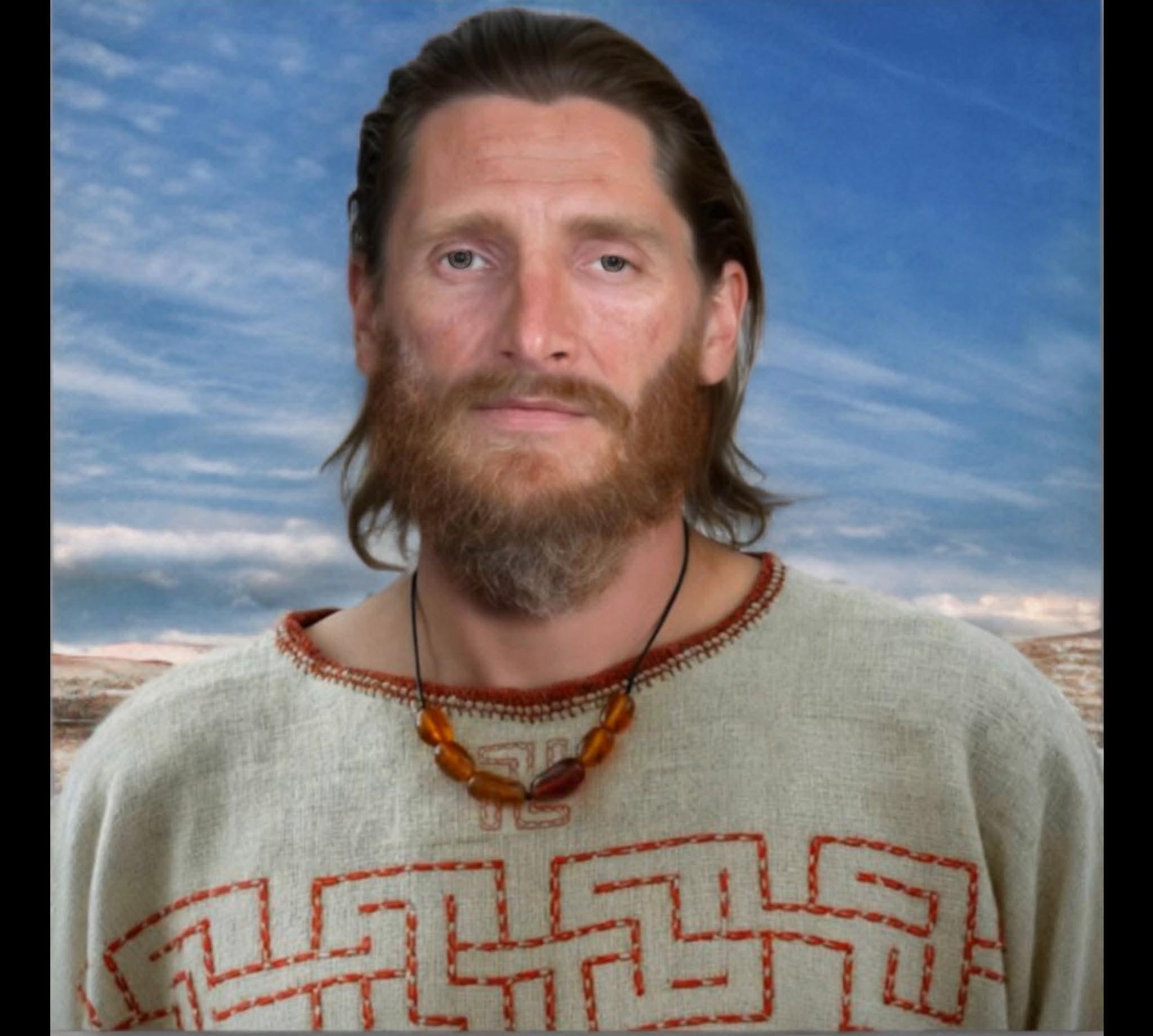
Modern Reconstruction of the Middle Bronze Age Indo-Iranian (Aryan) man from Kokcha, ancient Khwarazm. Belonging to Tazabagyab culture, an Andronovo-derived horizon, dated to 1600–1200 BC. His face has been sculpturally reconstructed by Taisia Surnina, based directly on the original skull. The clothing, necklace, and beard shown are based on archaeological parallels from the region, with the final styling remaining genetically and statistically informed. #archaeohistories image
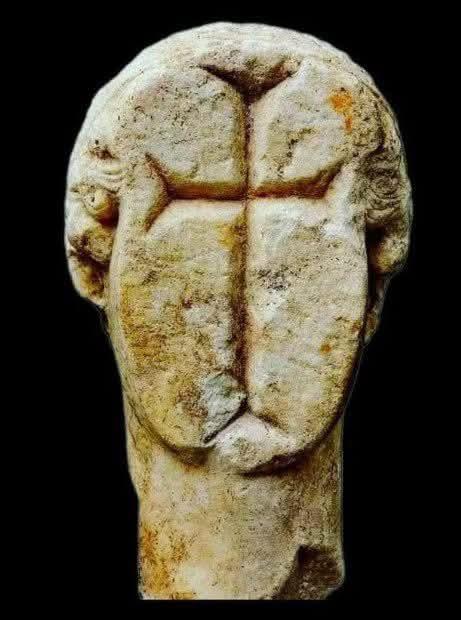
A Hellenic or Roman marble head of a goddess statue, defaced with a Christian cross during the Late Antique period. The statue dates back to 2nd-1st Century BC. Defaced during late Antiquity (2nd-7th Century AD). Archaeological Museum of Samos, Greece #archaeohistories image
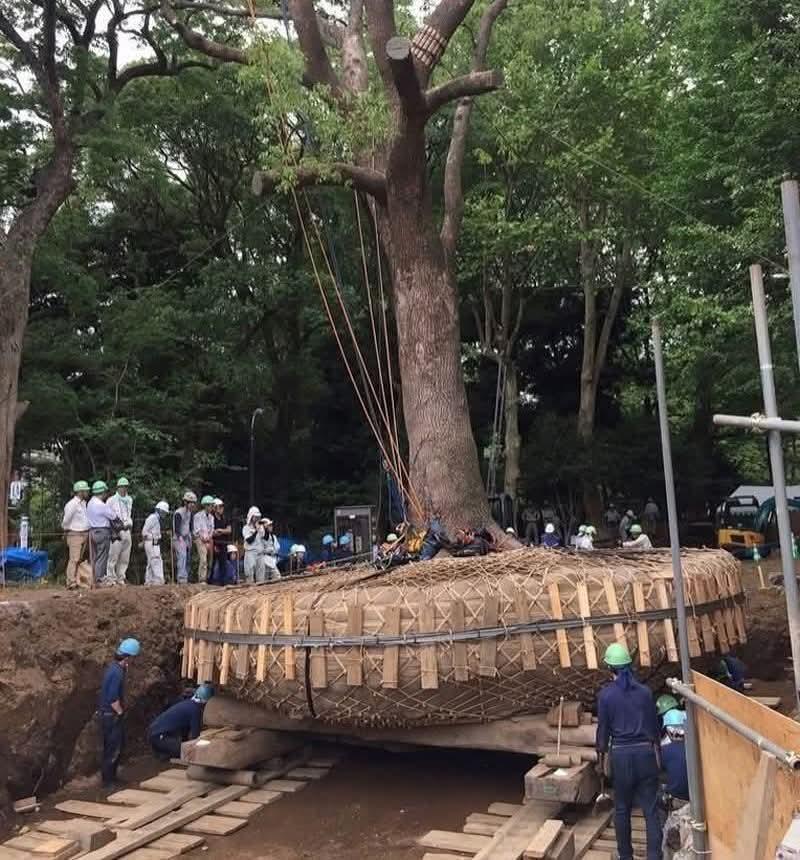
In Japan, trees in the path of urban development or road construction are often relocated rather than cut down. This reflects the country’s deep respect for nature and commitment to environmental preservation. Using specialized techniques, experts carefully bind and protect the roots before transplanting the tree to a new location. This approach ensures the preservation of greenery while allowing infrastructure projects to move forward. #archaeohistories image
Apennine Colossus (Colosso dell'Appennino), a large stone statue located in estate of Villa Demidoff in Vaglia, Tuscany, Italy. This colossal figure, 11m high, was created by Flemish sculptor Giambologna in late 1580s. It is a personification of Apennine Mountains, which are a major mountain range in Italy. The statue was originally built on grounds of Villa di Pratolino, a Renaissance villa, and later became part of Villa Demidoff estate. #archaeohistories image
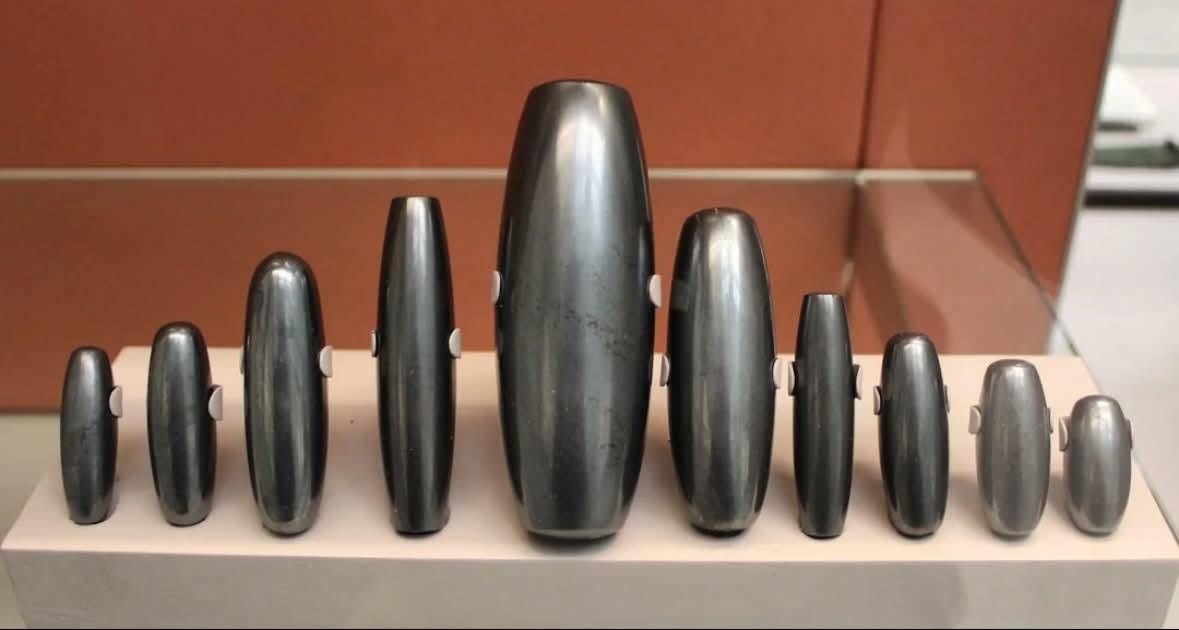
Group of Cylindrical Haematite Weights - Old Babylonian Period (2000-1600 BC), from Uruk in modern-day Iraq 🇮🇶 The biggest one in the centre weights 1 mina, 500 grms, the other are its subdivision, down to 3 shekeles (25 grms). British Museum #archaeohistories image
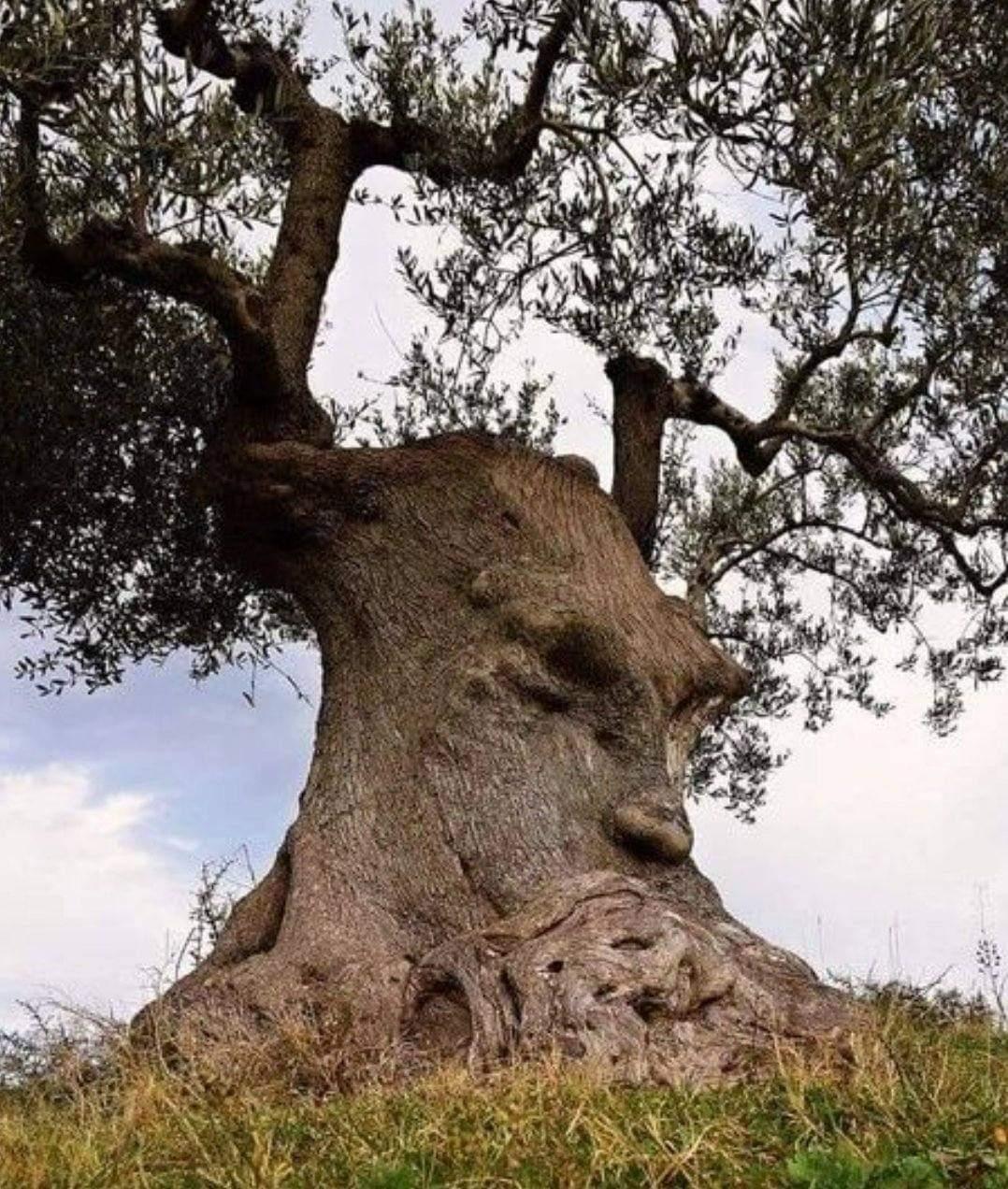
"The Thinking Tree" An ancient Olive Tree in Puglia, Italy 🇮🇹 Over 1500 years old..... #archaeohistories image
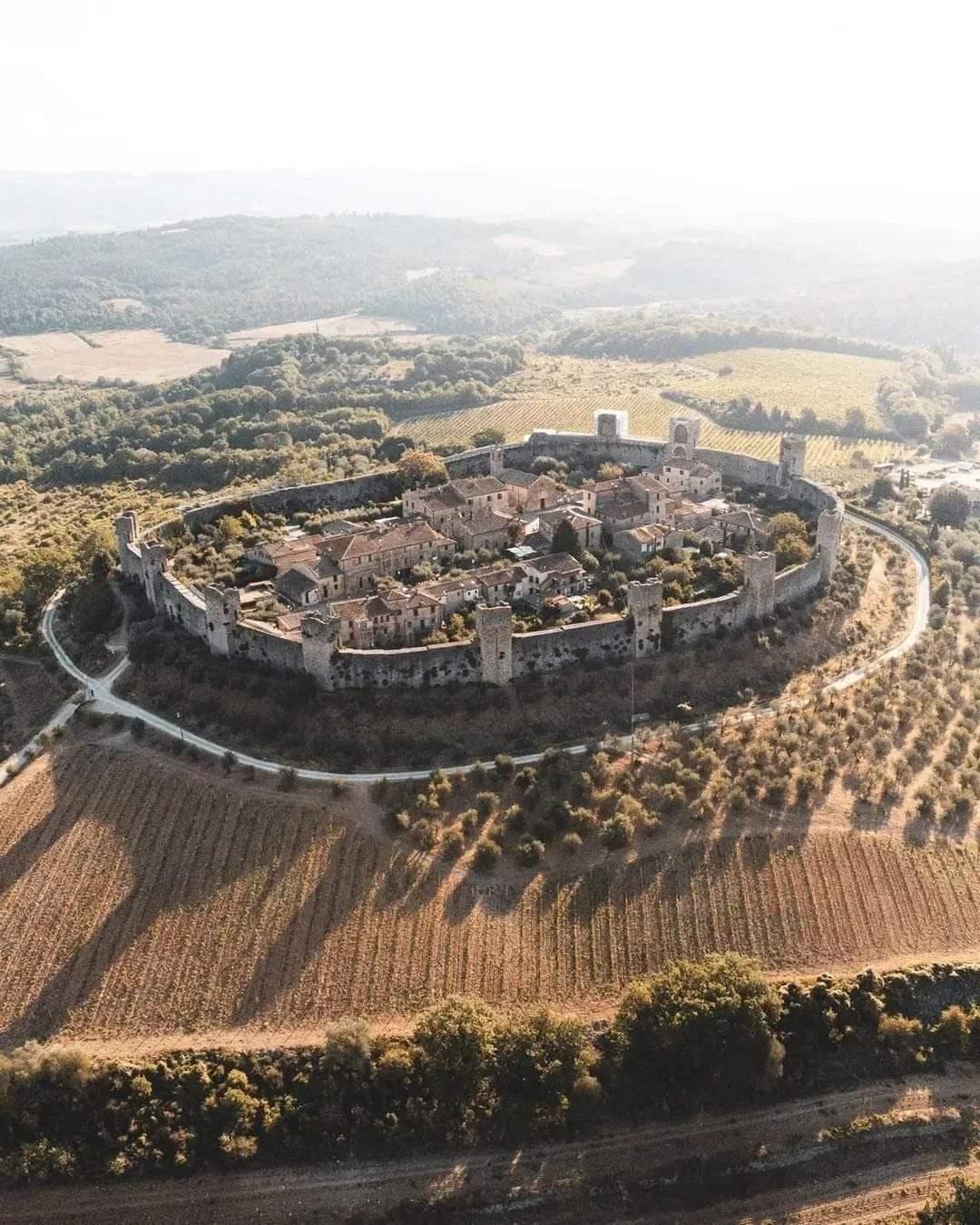
Monteriggioni is one of the best preserved walled Medieval towns in Tuscany, Italy. It's the typical fortified village that started its life as a castle in the early 13th Century AD, to protect the Sienese from their historical rivals, the Florentines. The town is architecturally and culturally significant; it hosts several piazzas, and is referenced in Dante Alighieri's "Divine Comedy". #archaeohistories image
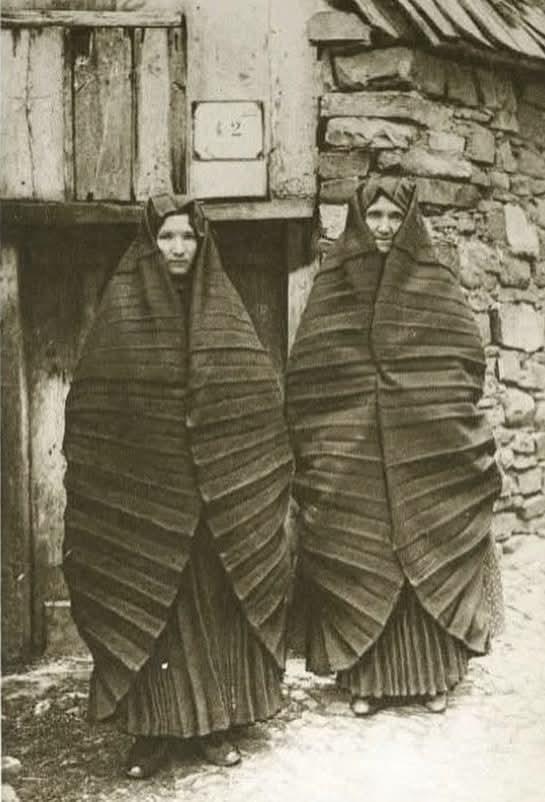
This is a traditional women’s dress of Ochagavía, a mountain town in Navarre near French border, 1900s. For centuries, Navarre was an independent kingdom. It emerged in early Middle Ages and, at its height, included lands on both sides of the Pyrenees. This independence lasted until 1512, when southern portion was conquered by Ferdinand of Aragon and integrated into Spain, while a smaller northern part remained under French influence. #archaeohistories image
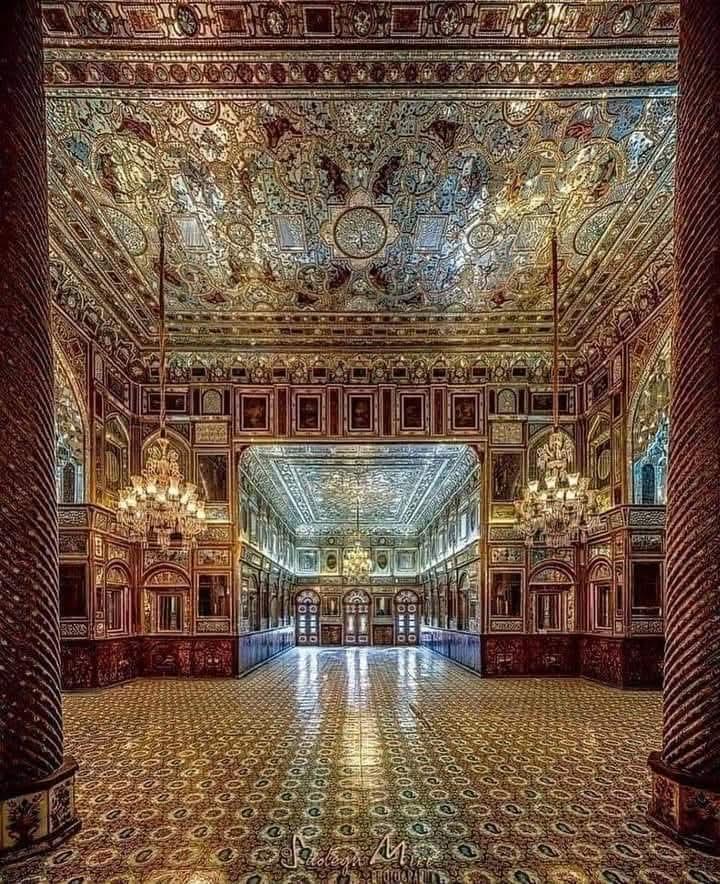
The Golestan Palace, designated as a UNESCO World Heritage Site in Iran 🇮🇷, stands as a magnificent testament to Persian architectural excellence. Once a residence for royalty, this remarkable palace features elaborate tile designs, breathtaking frescoes, and lush gardens that exemplify the rich cultural legacy of the region. It showcases a seamless fusion of traditional Persian and contemporary architectural elements, creating a captivating and visually stunning experience. #archaeohistories image
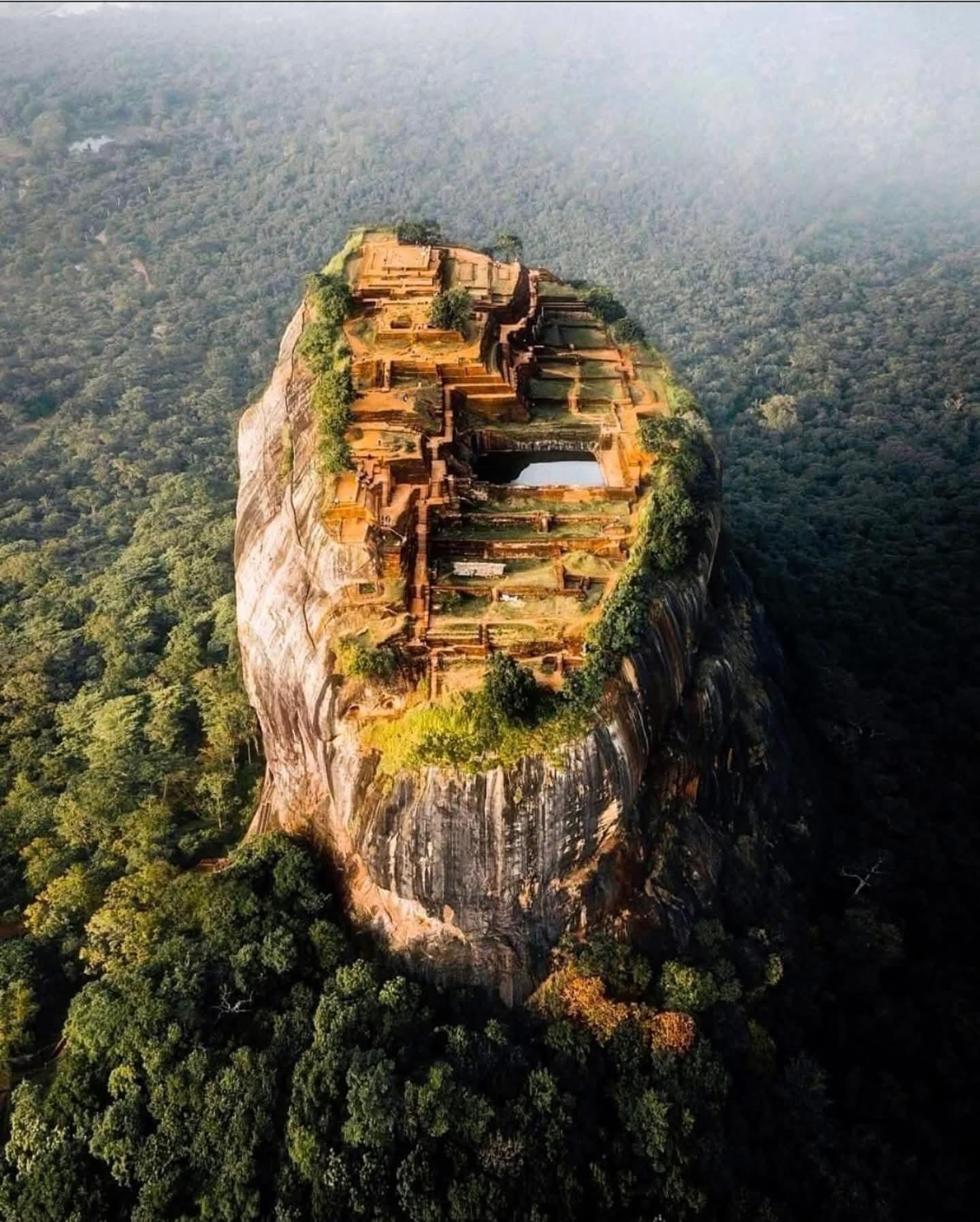
Sigiriya or Lion Rock, a 200m tall ancient fortress in central Sri Lanka, built by King Kasyapa in the 5th Century AD. Notable features include the lion’s paws entrance, frescoes of celestial maidens, and Mirror Wall with ancient graffiti. At the summit, the ruins of the king’s palace overlook advanced water and terraced gardens. Recognized as a UNESCO World Heritage Site, Sigiriya highlights ancient Sinhalese innovation and history. #archaeohistories image