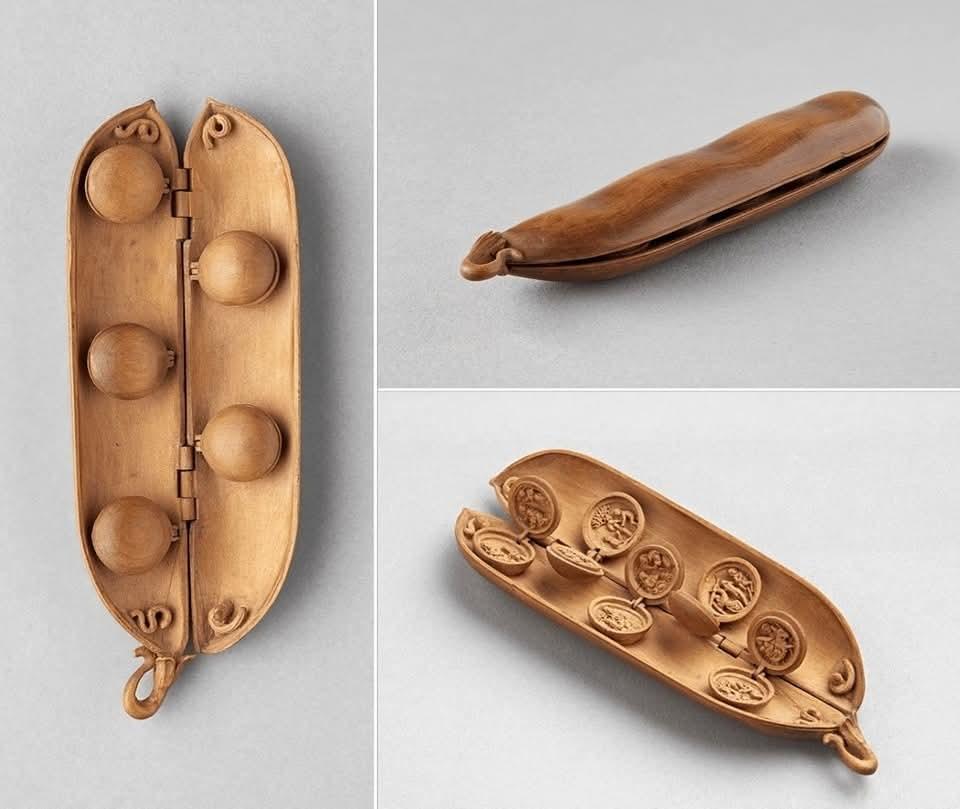
This tiny boxwood peapod (10 cm) was carved in 1500 by a North German artist. It opens to reveal little peas, and then those peas open to reveal ten little carved scenes from Genesis. Now housed at the Museum of Decorative Arts in Berlin. #archaeohistories image
A historical house in the heart of Isfahan, Iran 🇮🇷, dating back to the Safavid Empire (1501–1736 AD), now serving as a traditional Persian restaurant. #archaeohistories image
You don’t realize how big the Pyramids are until you see them in person ... #archaeohistories image
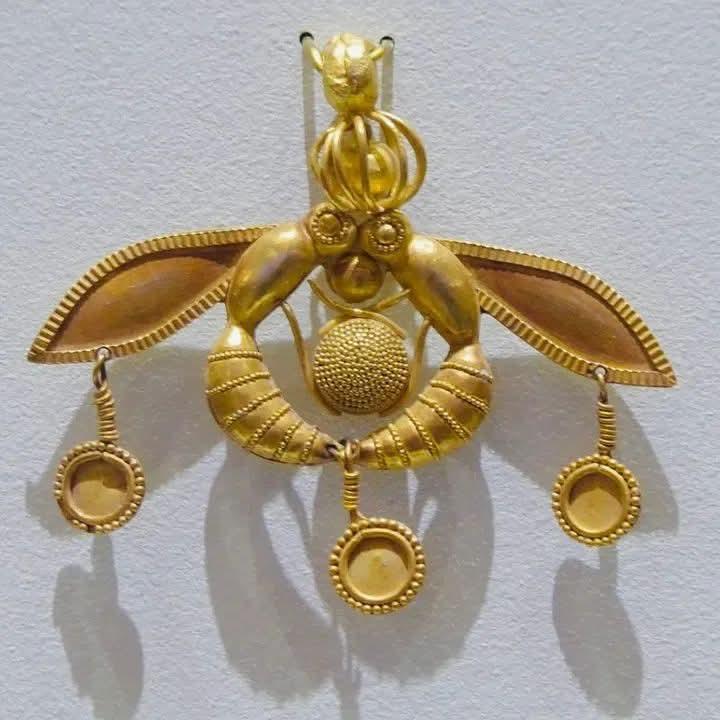
Bee-eautiful’ gold pendant from Bronze Age Malia, Crete - Greece 🇬🇷 Usually said to represent a pair of bees placing a drop of honey into a honeycomb. A delightful piece of Minoan jewellery inspired by nature 3,800 years ago. Heraklion Archaeological Museum #archaeohistories image
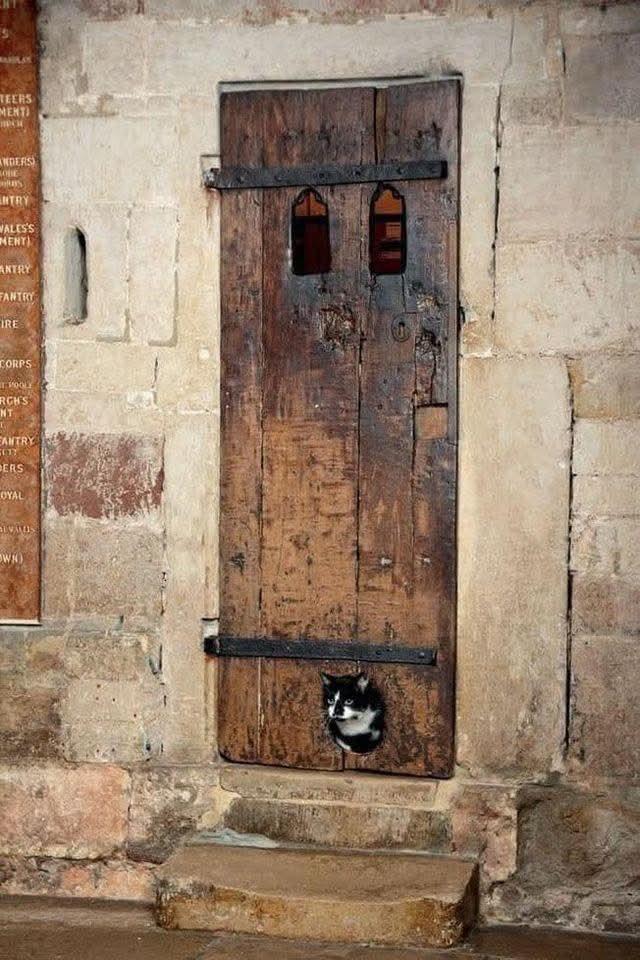
The earliest known cat door, located at Exeter Cathedral in England 🏴󠁧󠁢󠁥󠁮󠁧󠁿🇬🇧, dates from around 1598 AD. The owners of the cats were paid a penny a week as early as 1305 AD, to help control mice and protect the cathedral from pests. #archaeohistories image
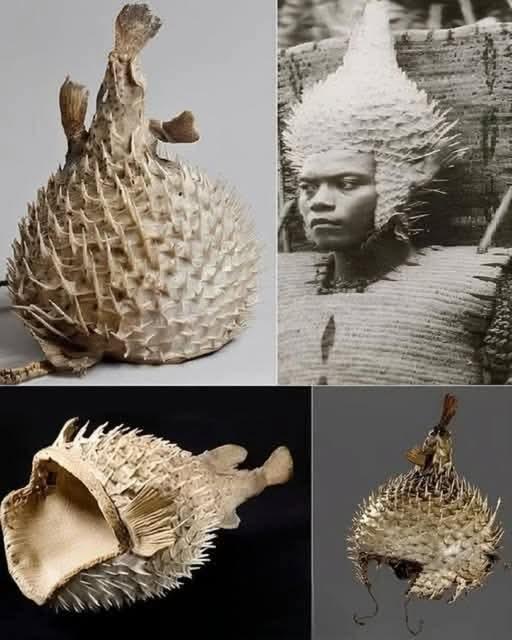
In 19th Century, the warriors of Kiribati donned an extraordinary piece of headgear known as te barantauti—helmets fashioned from the dried skins of porcupinefish. These unique puffer fish, adorned with their formidable spikes, transformed into natural armor, imbuing the helmets with both protection and a striking presence. #archaeohistories image
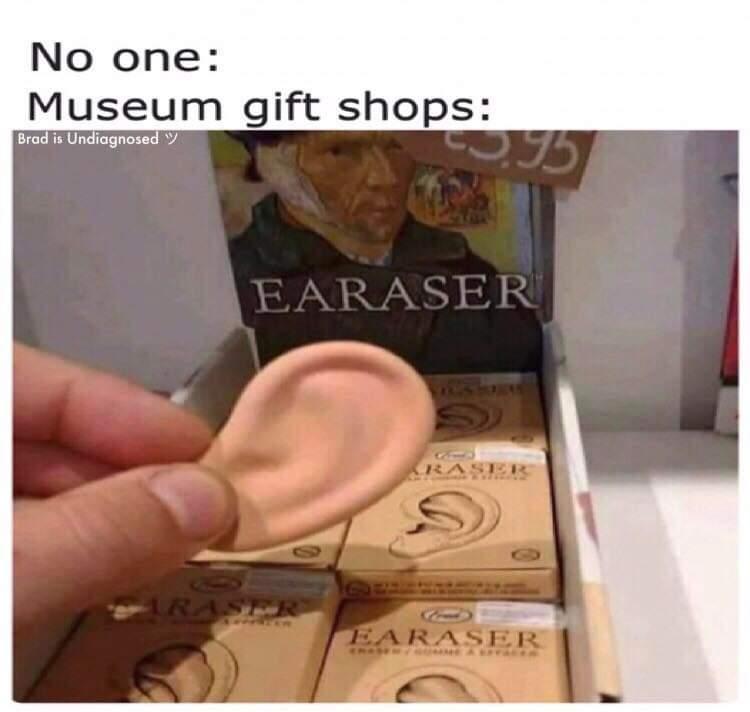
The Van Gogh Experience 😀 #archaeohistories image
One of the most beautiful ancient Greek mosaics on the floor of King Philippos II's palace, Vergina, Macedonia - northern Greece 🇬🇷, dating back to the 4th Century BC. It is located in the ancient city of Aigai, the first capital of the Kingdom of Macedonia. These beautiful floors were made of pebbles and were used to decorate the floor of the palace of Philip II, father of Alexander the Great. #archaeohistories image
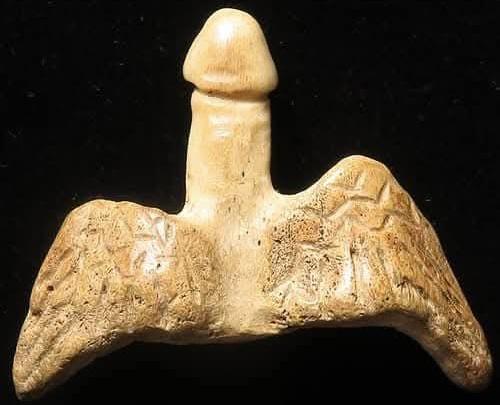
Roman Winged Phallus (1st-2nd Century AD), carved from a piece of bone, found on 1st June 2009, in field walking at Wetheringsett cum Brockford, Suffolk 🏴󠁧󠁢󠁥󠁮󠁧󠁿🇬🇧, near the old Roman Road to Caister Saint Edmunds, this type of artifact was often associated with Roman Army (40-400 AD). These are thought to be protective charms and those with suspension attactments possibly worn as a fertility charm, sold with the PAS report SF-EE7435, which includes line drawings. British Museum #archaeohistories image
This British Motorcycle from 1924 BSA 2 3/4hp Side-Valve Model L. Still uses a Carbide lamp (acetylene gas) for head and tail lights. The acetylene gas then travels through tubes to the light units where it comes out through a precisely sized orifice and burns to create light. Motorcycles gained headlamps (and taillamps) from early 1900s (process was invented in 1892), and until late 1920s gas lamps were commonplace. © Cars & Motorbikes Stars of the Golden Era #archaeohistories