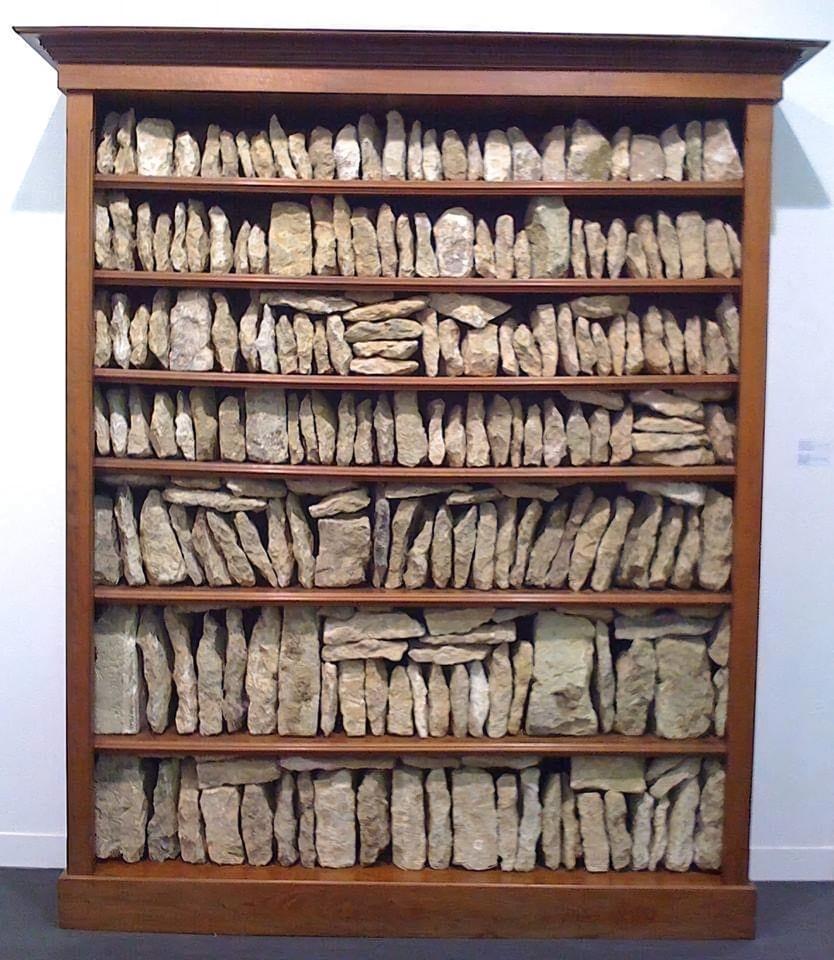
Geologists Library ๐Ÿ˜ #archaeohistories image
Hell Yeah ๐Ÿ˜€ #archaeohistories image
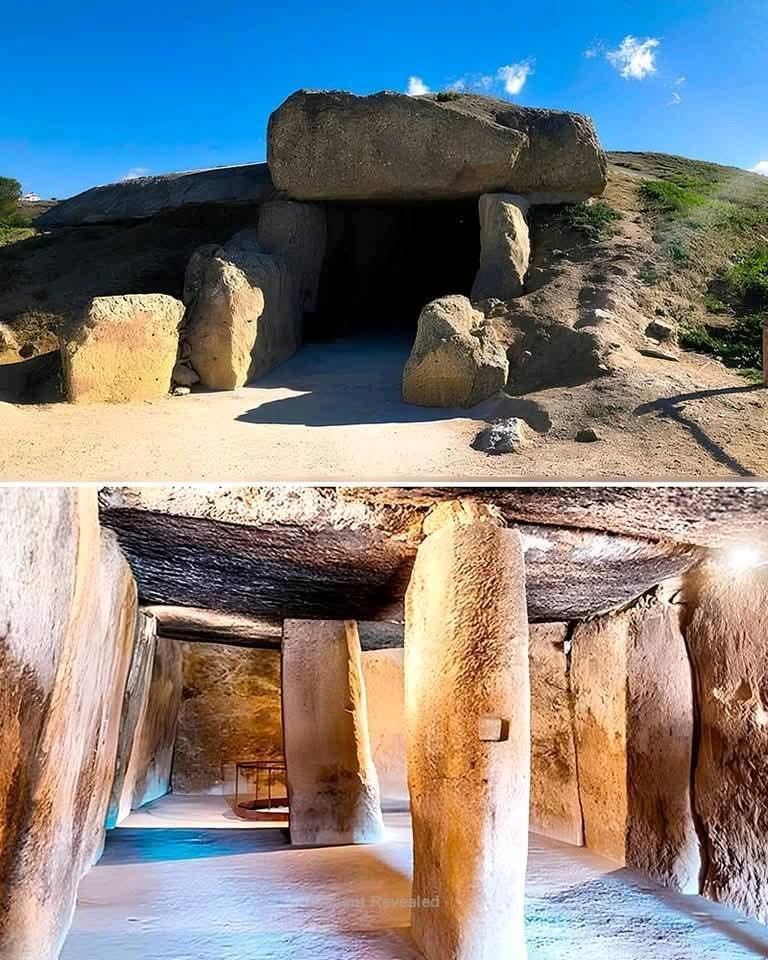
Menga Dolmen, 5500 year old prehistoric monument in Antequera, Spain ๐Ÿ‡ช๐Ÿ‡ธ Built way back in Neolithic or early Bronze Age, around 3700-3200 BC, this place is one of Europeโ€™s biggest megalithic burial sites. Whatโ€™s really amazing about it is the long corridor that leads to the burial chamber, all made from these gigantic stone slabs that can weigh up to 180 tons each. #archaeohistories image
Something has gone wrong with ..... Hooomans ๐Ÿ˜€ #archaeohistories image
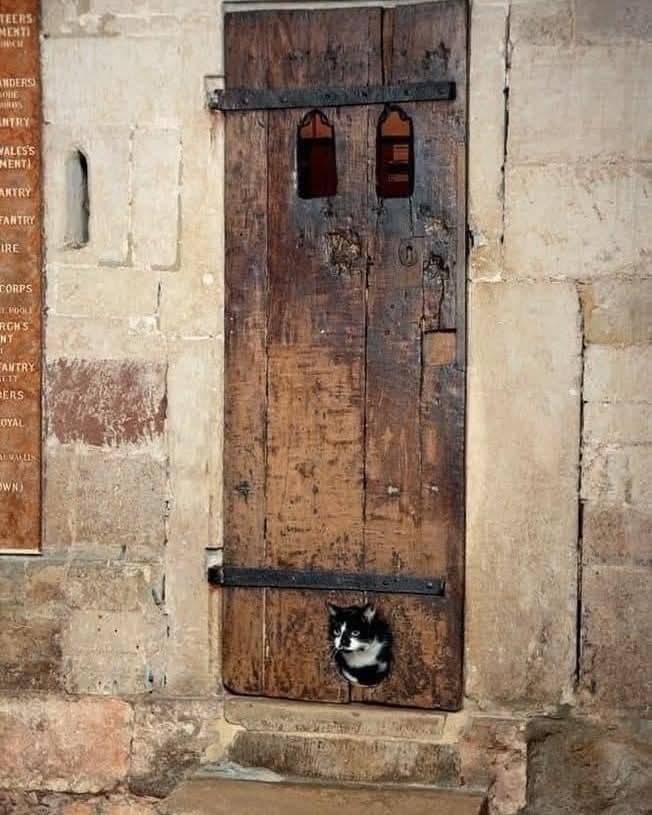
This 14th Century AD, door at Exeter Cathedral, UK ๐Ÿ‡ฌ๐Ÿ‡ง, is thought to be the oldest existing cat flap... A cat was paid a penny each week, to keep down the rats and mice in the north tower, and a cat flap was cut into the door below the astronomical clock to allow the cat to carry out its duties. Records of payments were entered in the Cathedral archives from 1305-1467 AD, the penny a week being enough to buy food to supplement a heavy diet of rodents. #archaeohistories image
Wae Rebo - Traditional Village of Flores : High in the jungle mountains of Flores Island in Indonesia at an altitude of 4200ft. is one of the last remaining ancient and isolated villages in the world. Called Wae Rebo, located in the district of Manggarai, East Nusa Tenggara, Indonesia. The village has been occupied Manggaraian people for almost 2,000 years. This village received Top Award of Excellence from UNESCO and UNESCO Asia Pacific Heritage Awards in 2012. #archaeohistories
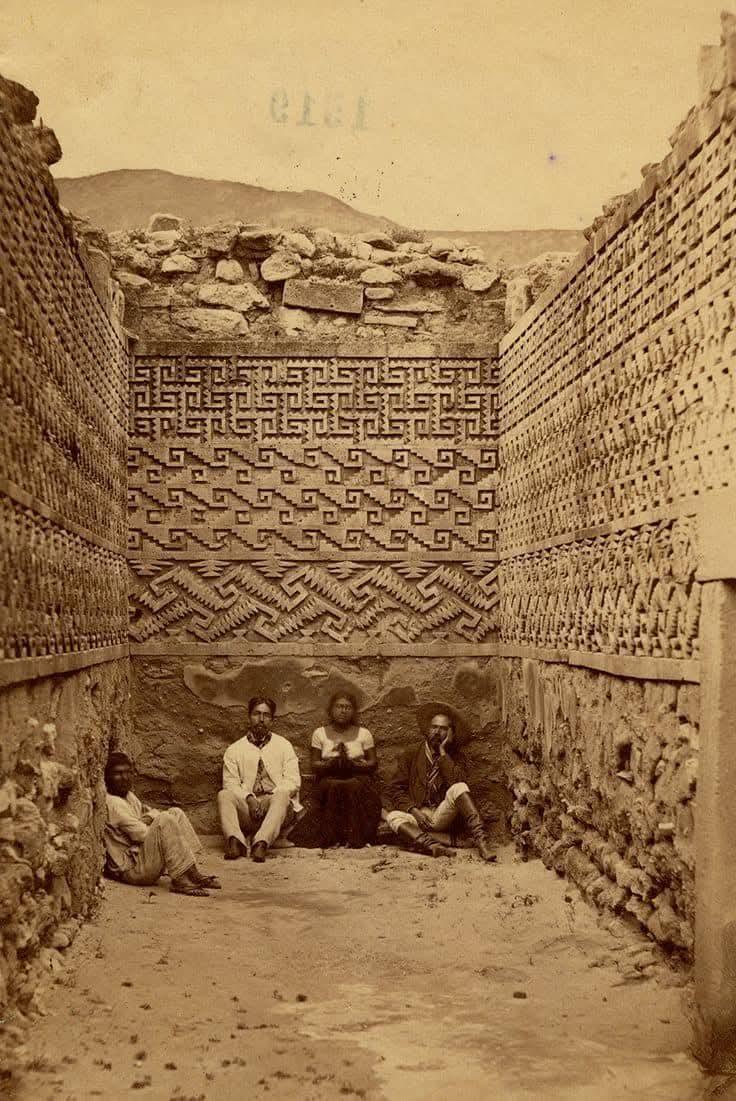
Mitla, in Mexicoโ€™s Oaxaca Valley, was a sacred center for the Zapotec and later the Mixtec, with roots dating back to at least 900 BC. Famous for its intricate geometric mosaics, it was later repurposed by the Spanish, who built churches on top of its ancient ruins in an attempt to suppress the influence of the site. #archaeohistories image
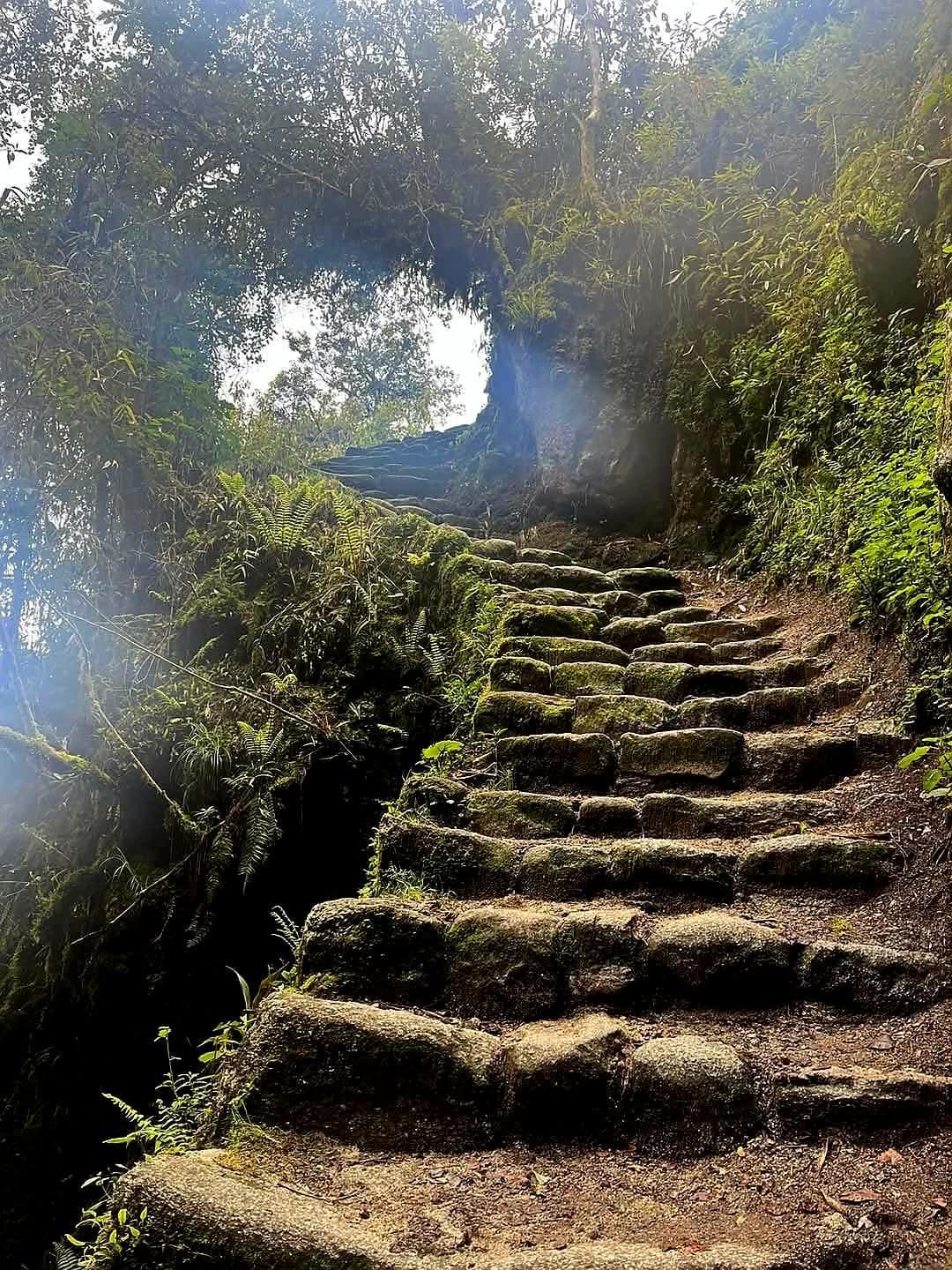
Beautiful Inca steps on the Inca road through the Andes Mountains, Peru ๐Ÿ‡ต๐Ÿ‡ช ๐Ÿ“ทยฉ Jamie Roach #archaeohistories image
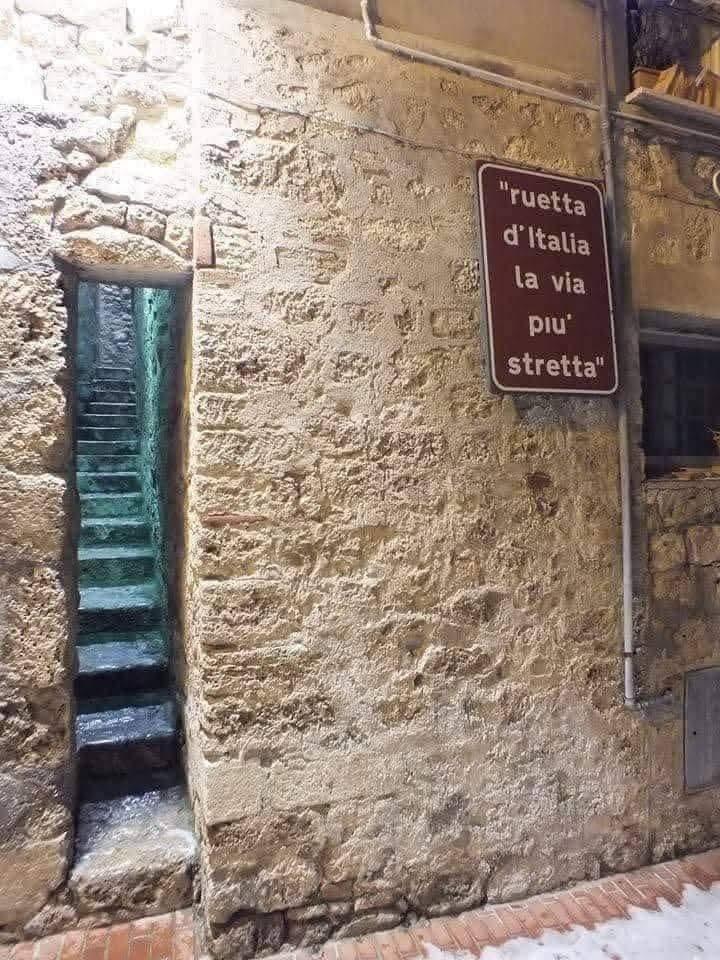
La Ruetta di Civitella - the narrowest street in Italy ๐Ÿ‡ฎ๐Ÿ‡น Near the entrance to the medieval fortress of Civitella del Tronto (Abruzzo) there is the narrowest street in Italy: the "ruetta", just 40 cm wide. In medieval times, especially in fortified cities, building narrow streets was a very common practice. The intent was they could not be traversed by the enemy, but were ideal for surprising them from behind. #archaeohistories image
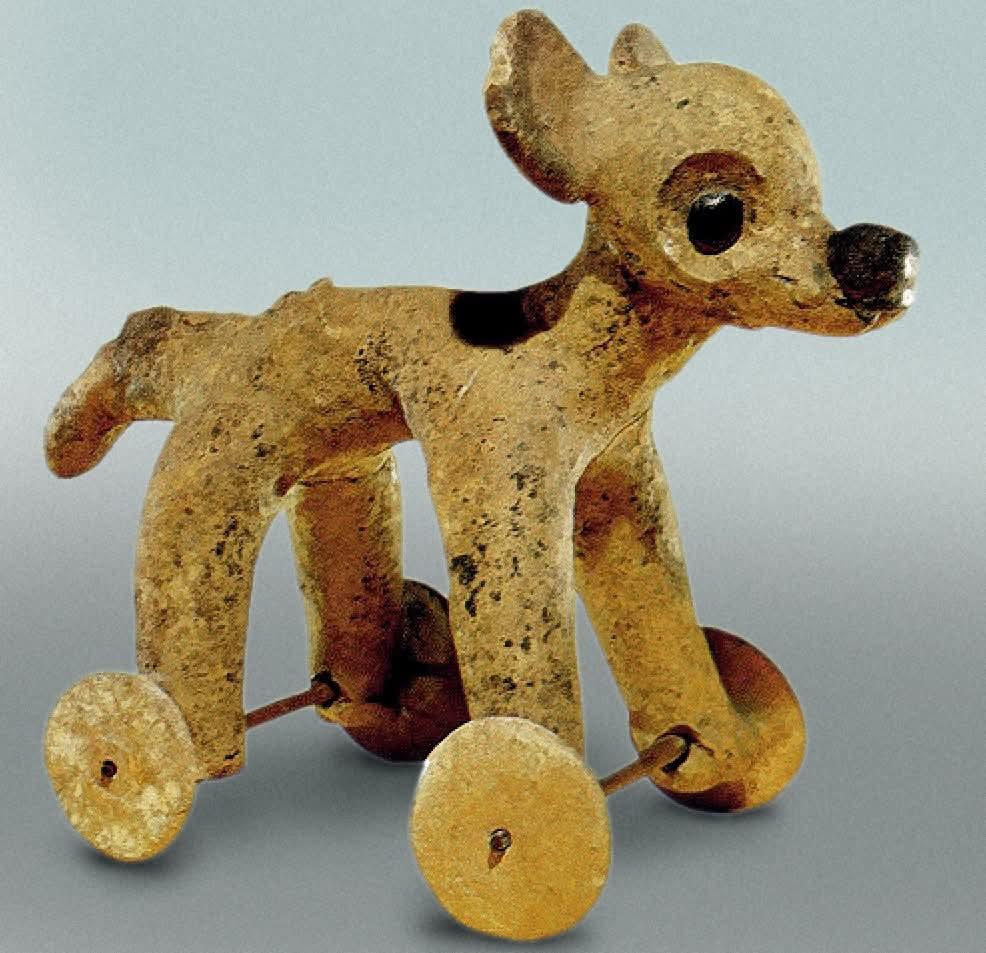
Mesamerican Wheeled Deer (made by Remojadas Culture 250-900 AD), Vera Cruz, Mexico. Even though the wheel was not used in Mesoamerica for practical purposes, small ceramic figures with wheels have been recovered from many sites. This figure also acts as a whistle and was probably a toy. MET Museum #archaeohistories image