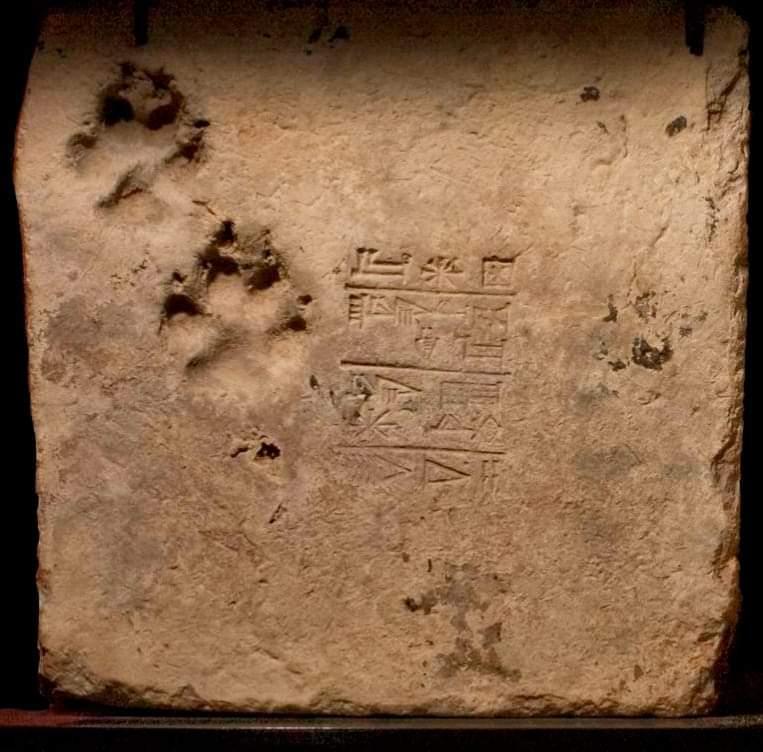
Around 4000 years ago, a dog left its pawprints in this Sumerian brick : Sumerian Clay Brick with a Dog's paw prints (2112-2000 BC), from ziggurat at Ur; Mesopotamia (modern-day Iraq). According to scholars, around 2100 BC, a dog walked across this brick as it lay drying in teh sun when it was being made. Brick is stamped with an cuneiform inscription which tells that "Ur-Nammu, king of Ur, has built his temple for Nanna, his Lord. Also built city wall of Ur for him." British Museum image
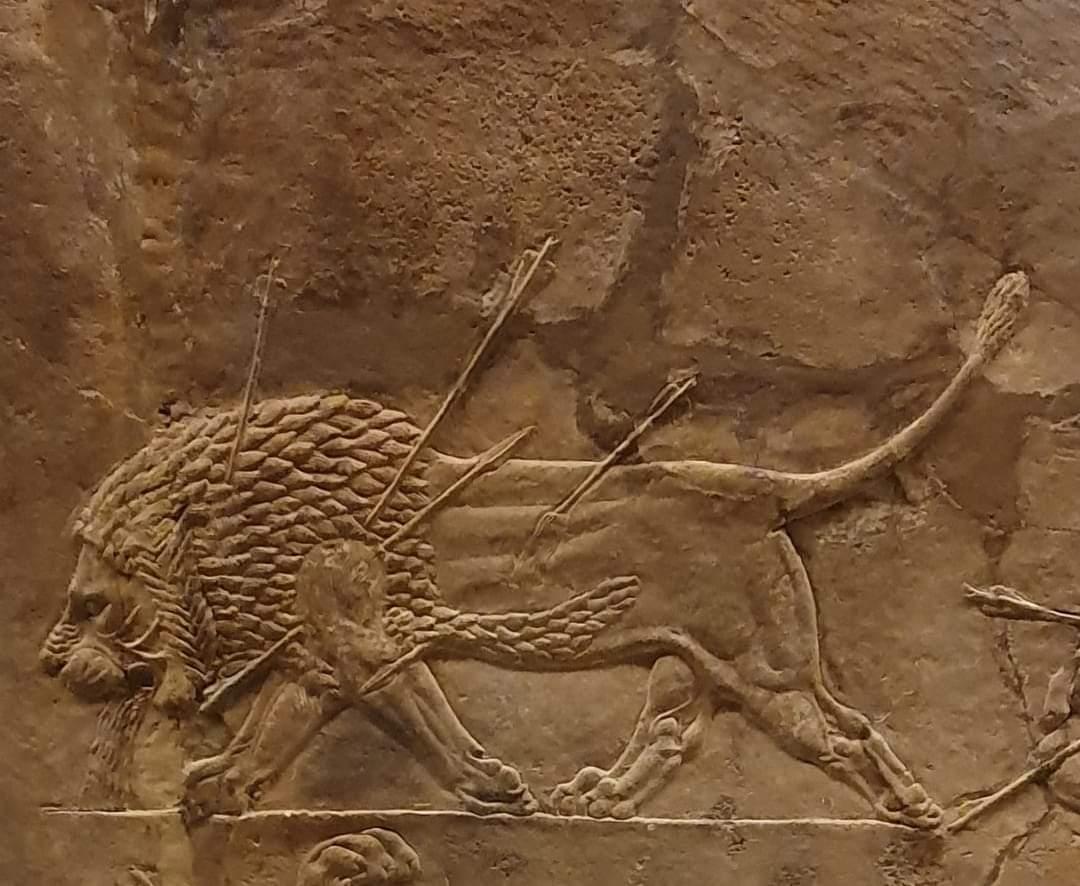
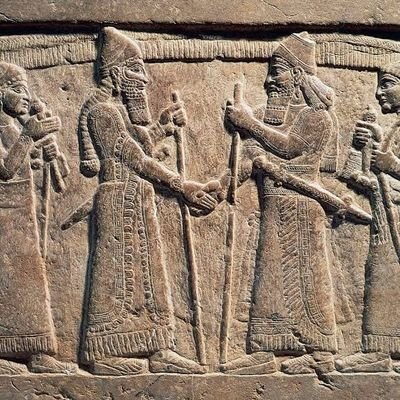
Royal Lion Hunt of Ashurbanipal (r. 669-631 BC), shown on a famous group of Assyrian palace reliefs from North Palace of Nineveh that are now displayed in room 10a of British Museum. They are widely regarded as "supreme masterpieces of Assyrian Art". 📷 : Assyrian Wall Relief, showing a lion pierced with four arrows while blood is gushing from its mouth. #archaeohistories image
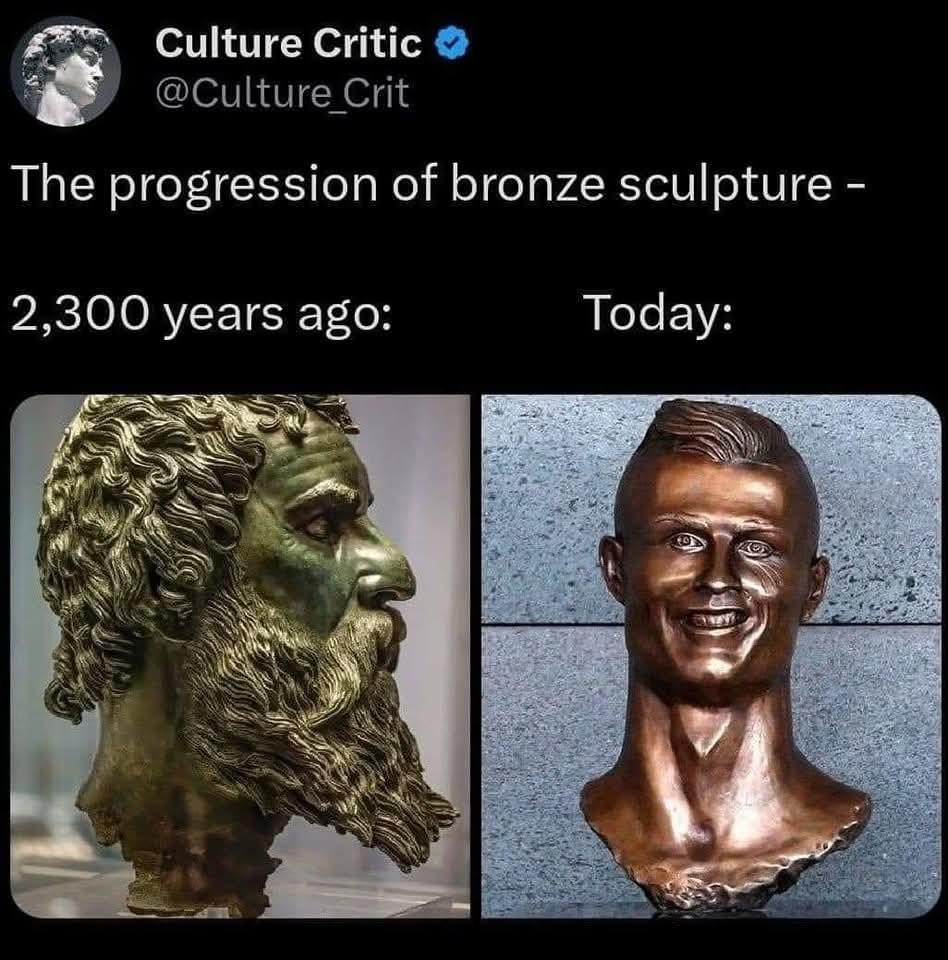
😀😀😀 #archaeohistories image
Pakistan’s Truck Art - A Beautiful Expression of Culture : Colorfully decorated trucks with artistic impressions tend to adorn roads and highways in Pakistan. For decades, these jingle trucks have acted as canvases for Pakistani artists and granted them a way to introduce the world to Pakistan’s culture, folklore, poetry and art. History of Pakistan’s truck art goes back to 1920, when Bedford trucks invaded streets of Pakistan. 🎥© Sarahhuniverse (X) #archaeohistories
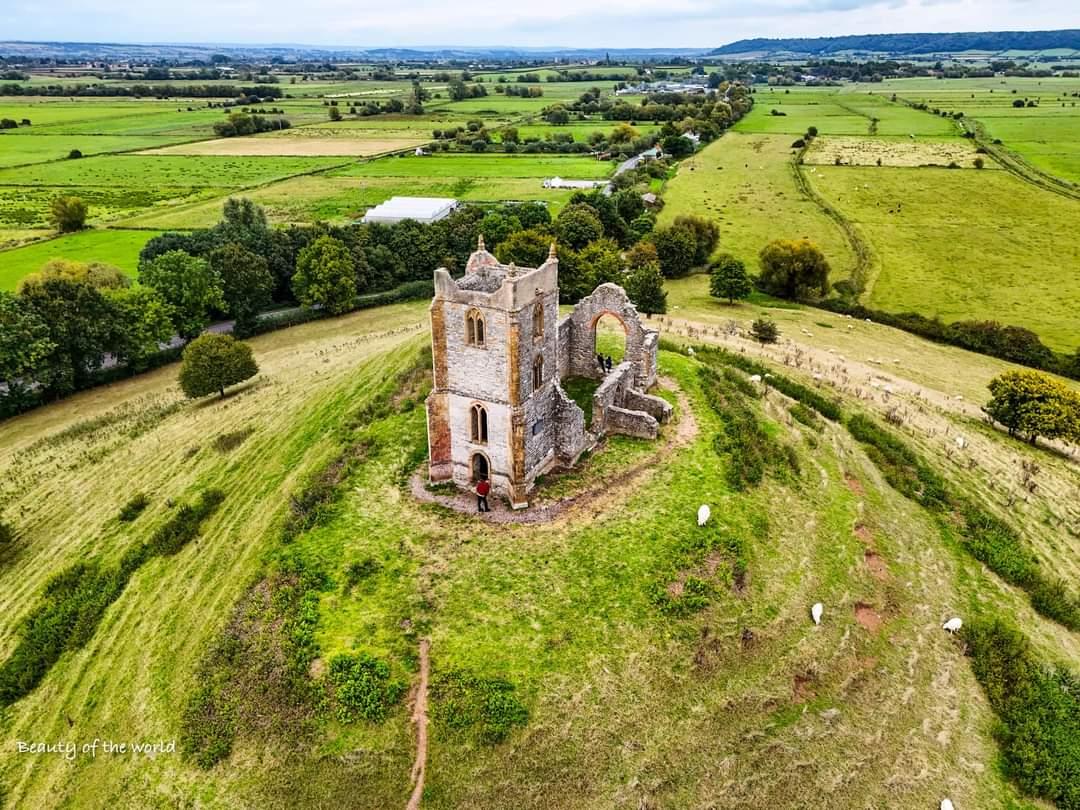
Burrow Mump is a prominent hill located in the village of Burrowbridge in Somerset, England. It is notable for the ruins of a medieval church at its summit, which are a striking feature of the Somerset Levels landscape. The hill is managed by the National Trust and offers panoramic views of the surrounding area. #archaeohistories image
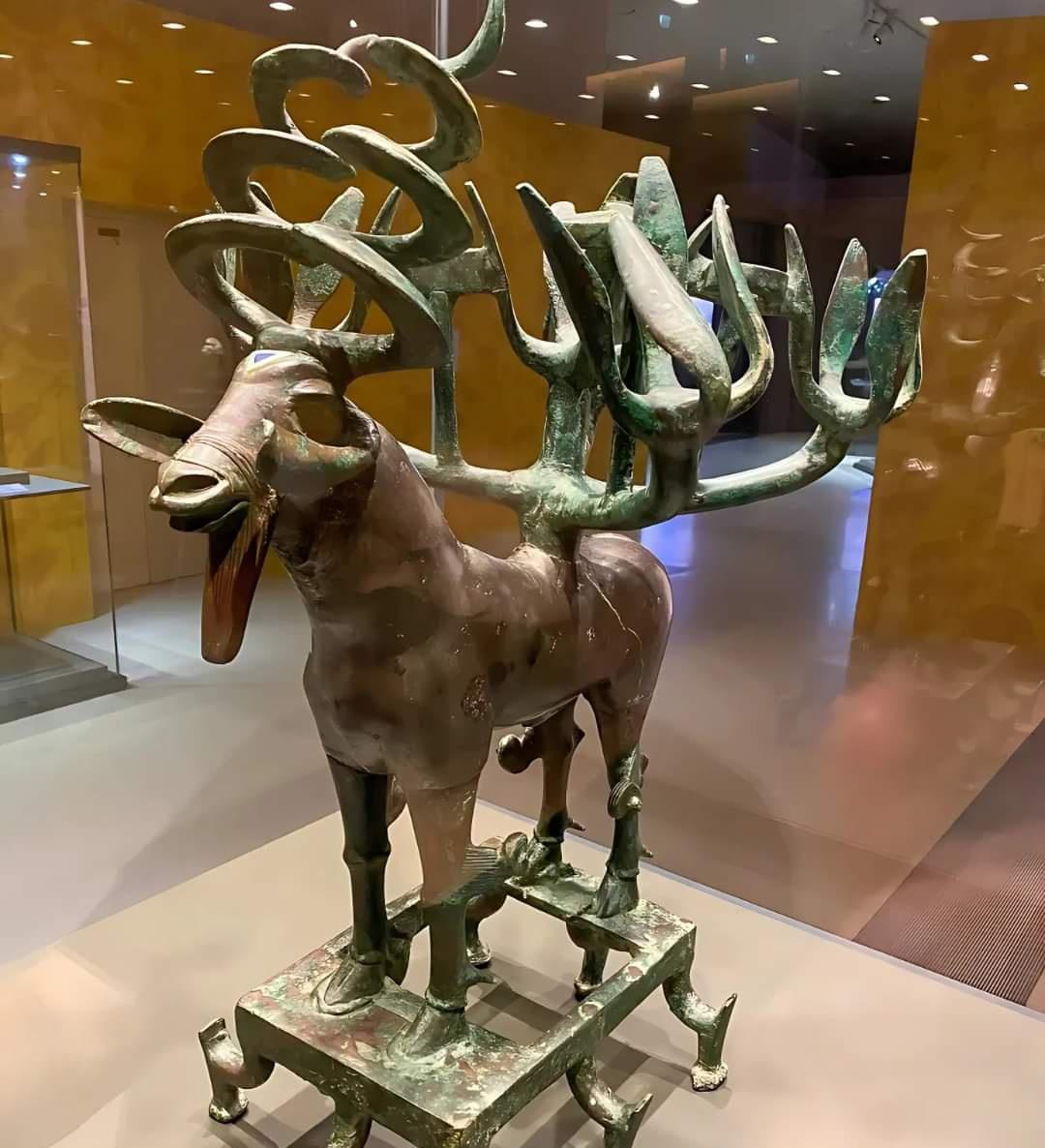
This copper alloy stand, dating from Early Dynastic I Mesopotamia (2900-2700 BC), takes the form of a Markhor goat. The intricately designed piece features a goat supporting a complex superstructure, showcasing the advanced craftsmanship of the time. The stand likely served both a functional and symbolic purpose in Mesopotamian society. MET Museum #archaeohistories image
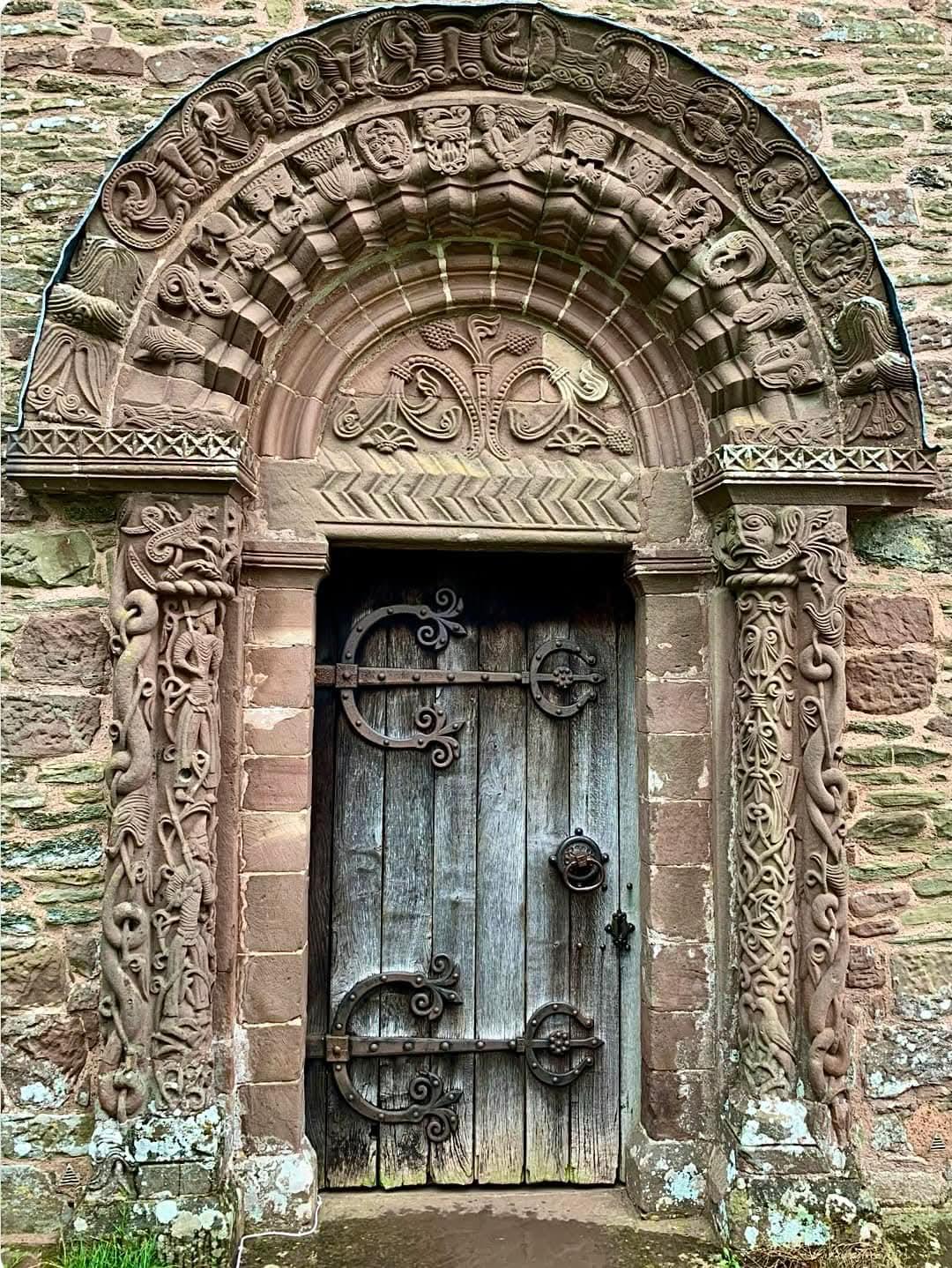
South Doorway of the Church of St. Mary and St. David, 12th Century AD, Kilpeck in Herefordshire, UK 🇬🇧 The church is a Grade I listed building. 📷© Kevin Wilbraham #archaeohistories image
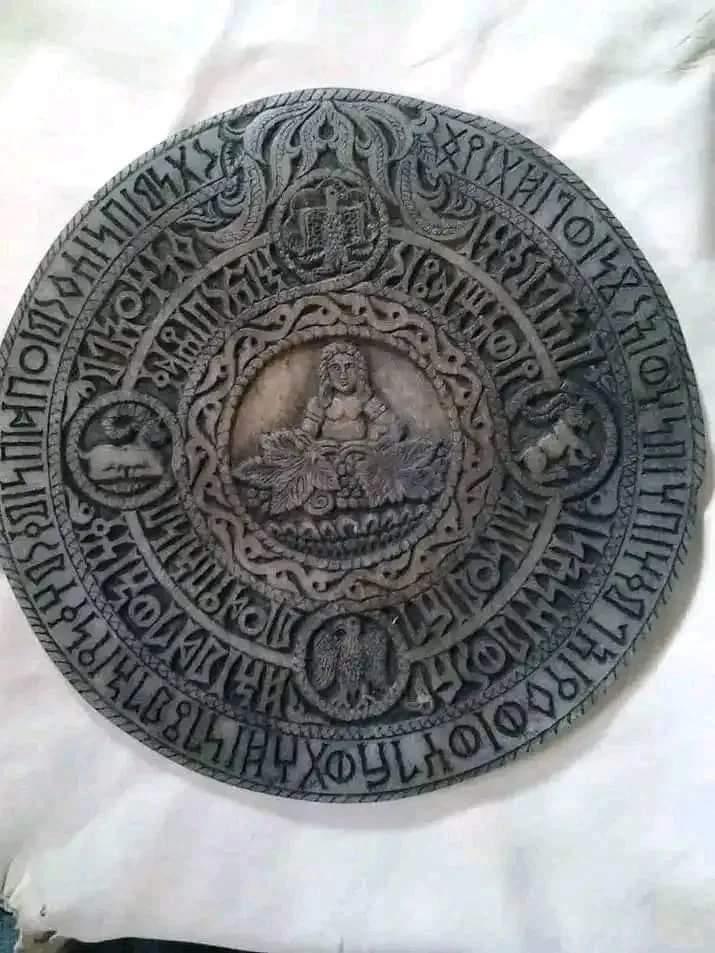
At first glance, it could easily be mistaken for a Viking relic. But it’s actually a coin from the Himyarite Kingdom, showcasing the ancient Musnad script—one of the earliest forms of Arabic writing. The resemblance between Musnad and Viking runes is astonishing, sparking curiosity about the potential visual and cultural parallels between these two distinct civilizations. #archaeohistories image
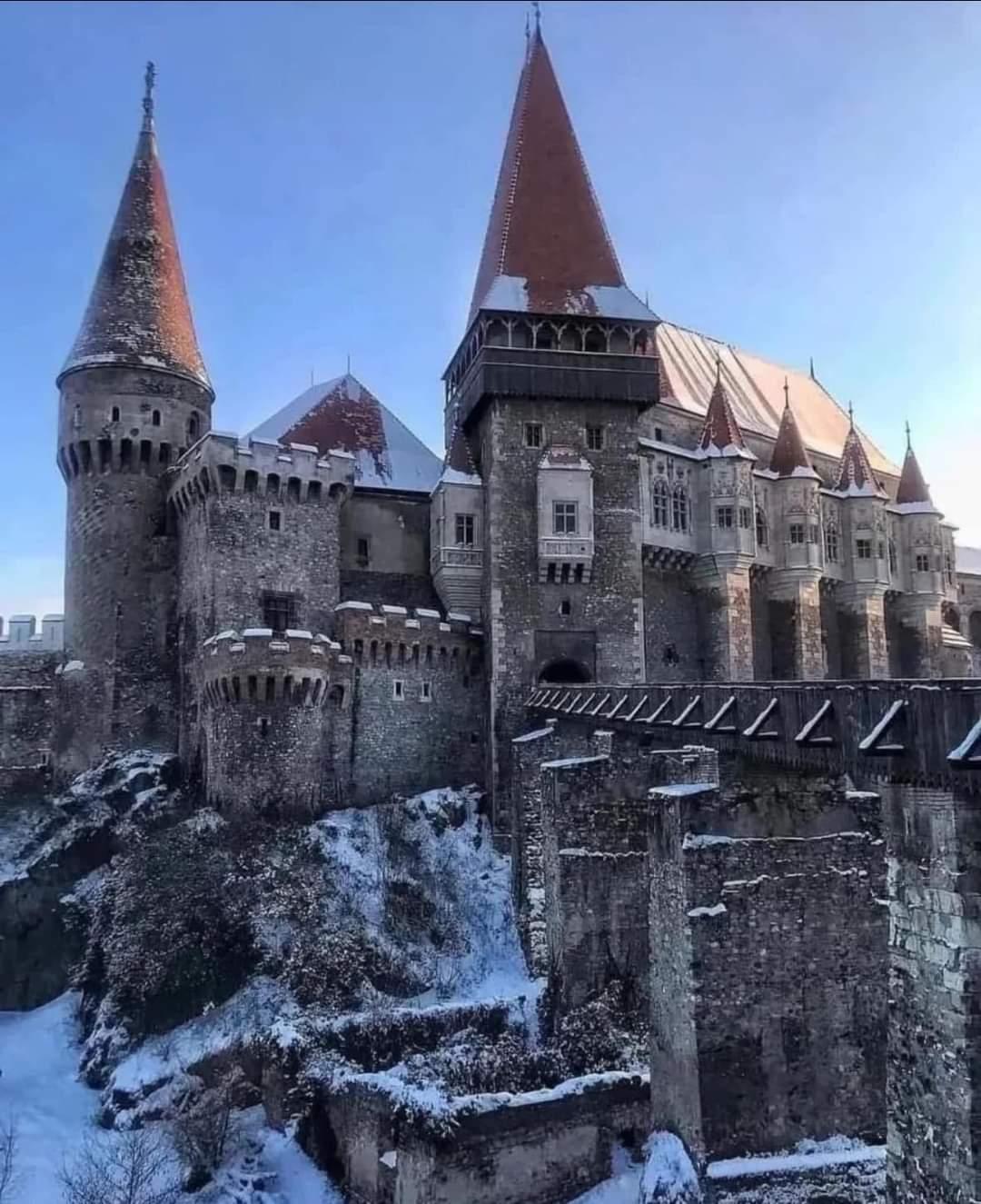
Castelul Corvinilor, also known as Corvin Castle, is a medieval gem nestled in the heart of Transylvania, Romania. This imposing fortress, with its Gothic and Renaissance architectural elements, is perched majestically on a rocky outcrop, creating a captivating silhouette against the Carpathian Mountains backdrop. #archaeohistories image
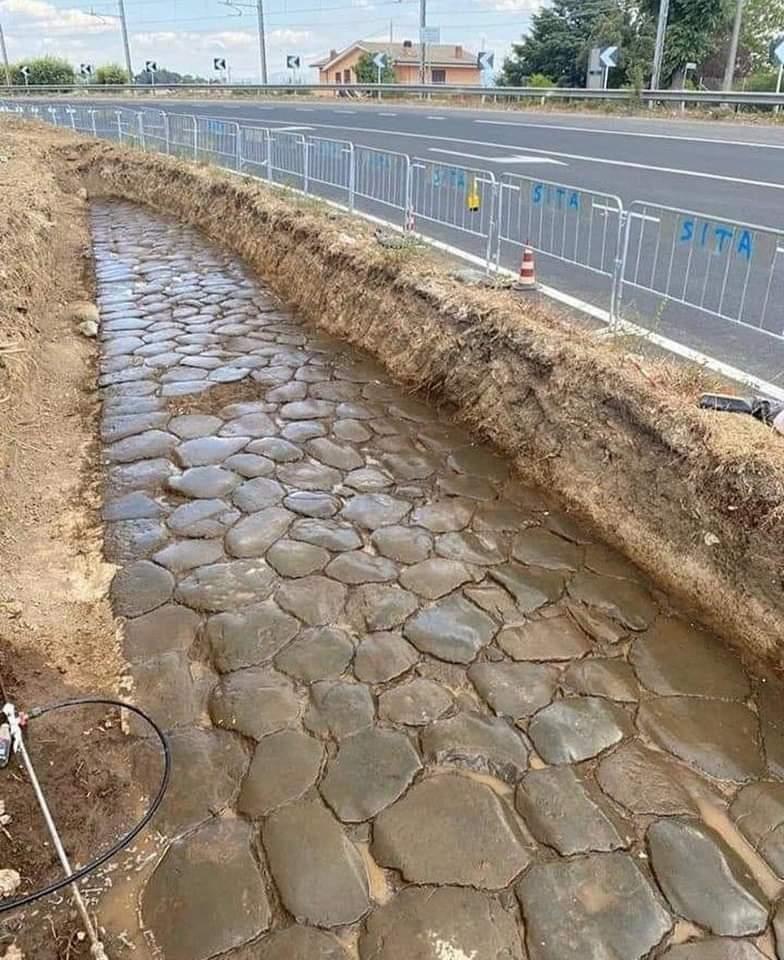
A perfectly preserved portion of the Roman road Via Flaminia has been excavated outside the city of Rome, Italy. The road was built by Gaius Flaminius in 220 BC and connected Rome to Ariminuma (Rimini) on the coast of the Adriatic Sea. #archaeohistories image