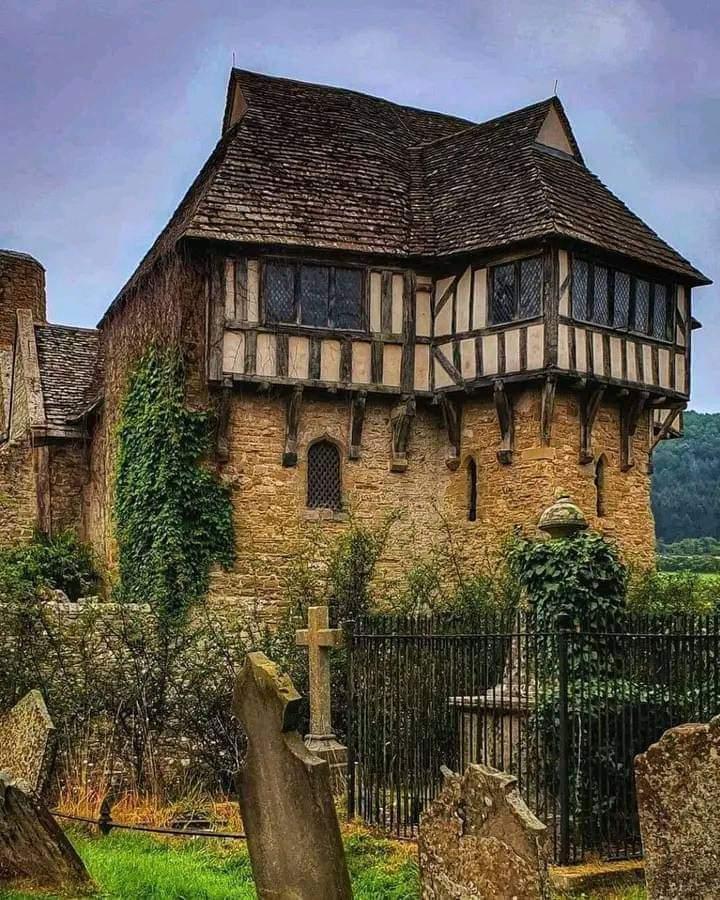
Stokesay Castle in Ludlow is the best-preserved fortified medieval manor house in England. Built in the 13th Century AD, its magnificent great hall is unchanged for more than 700 years. #archaeohistories image
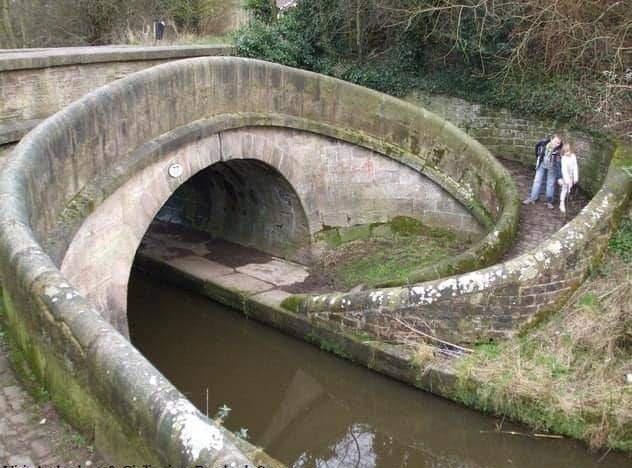
Stone-built Snake Bridge on the Macclesfield Canal in England. The β€˜Snake Bridge’ or 'Roving Bridge' is a bridge over a canal constructed to allow a horse towing a boat to cross the canal when the towpath changes sides, without having to be unhitched from the boat. #archaeohistories image
Best halloween costume ever! πŸ˜†πŸ‘»πŸ˜† #archaeohistories image
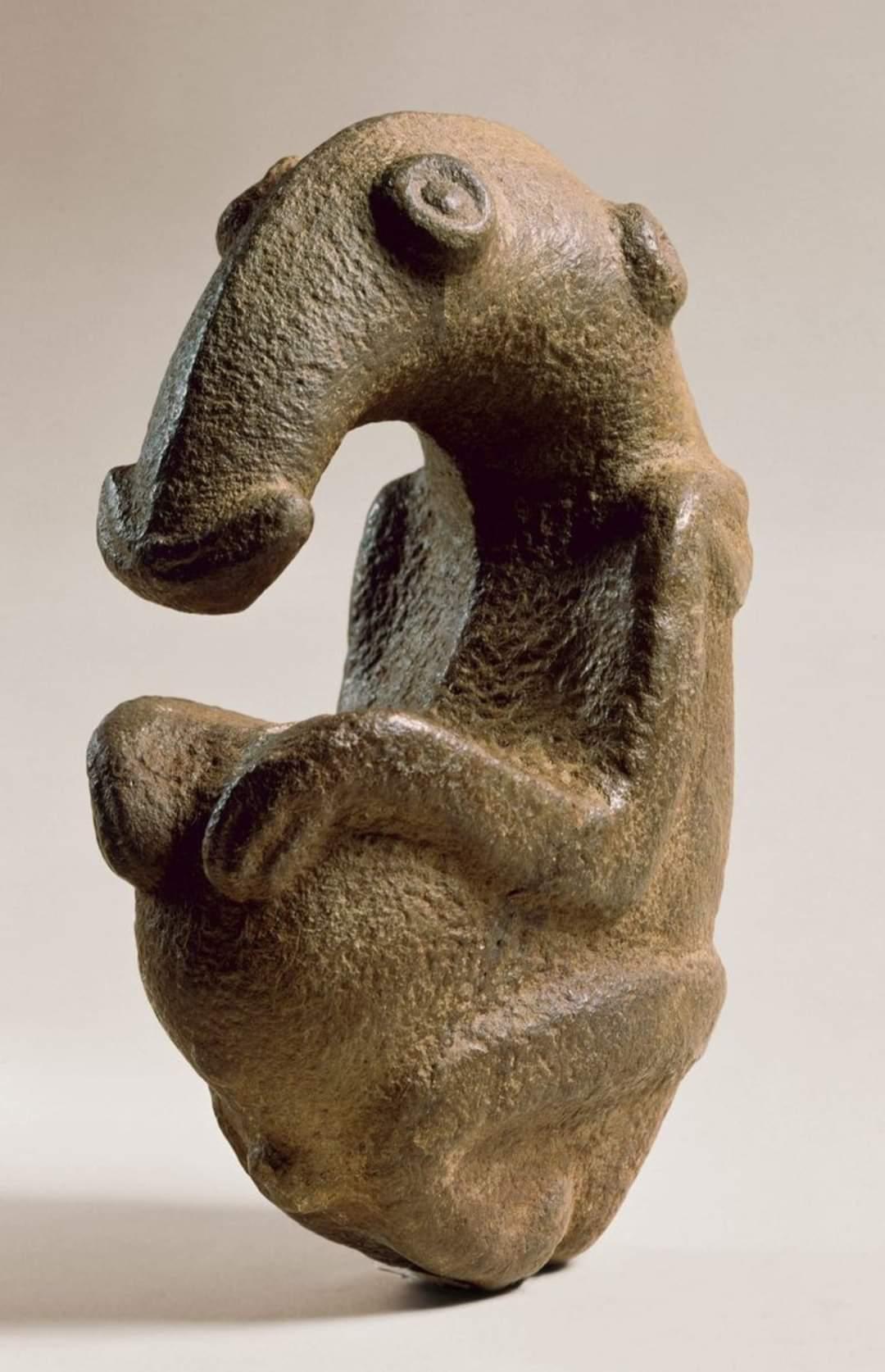
The famous Ambum stone (1500 BC) was found in the valley of the same name in New Guinea. The exact animal it's depicting is unknown, but it may be a baby echidna. Melbourne Museum #archaeohistories image
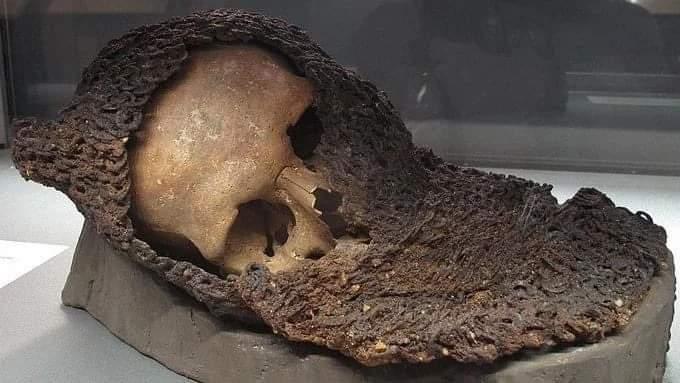
This soldier lies there forever... This is a medieval skull, covered with (chain mail). This soldier died in the Battle of Visby in 1361 CE. The dead were soon buried in a mass grave along with their equipment and armor, making this a rich archaeological site. It is now in the Gotland Museum in Sweden #archaeohistories image
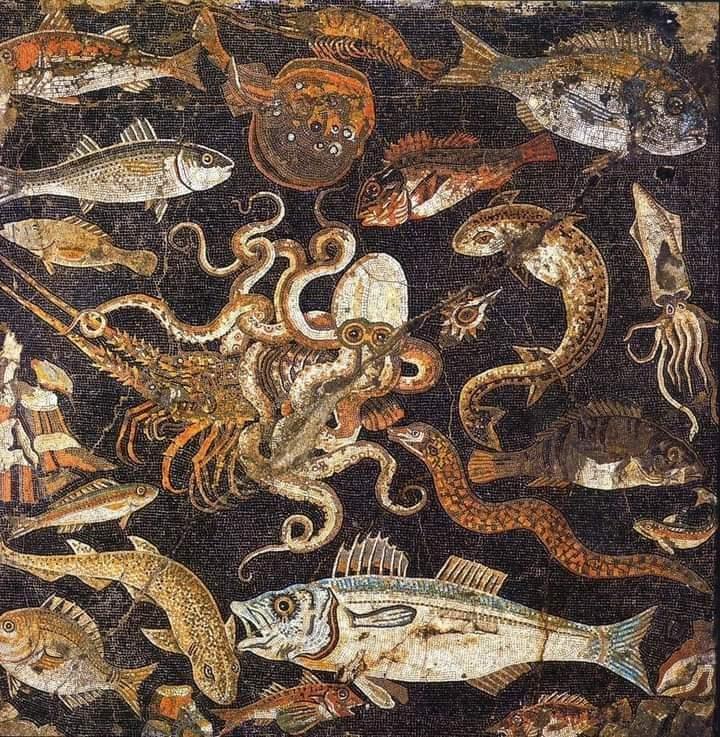
A 1st Century BC, Roman mosaic features depictions of sea creatures and originates from Pompeii, Italy. It is currently preserved at the Naples National Archaeological Museum in Naples, Italy #archaeohistories image
Maijishan Grottoes is an elaborate range of rock-cut ceremonial chambers, containing over 7200 Buddhist sculptures and 100 square metres of murals in Tianshui, northwest China. They were first constructed in Later Qin era (a state of Qiang ethnicity of 16 Kingdoms) around 384–417 AD. Grottoes are carved into soft red sandstone cliff of a hill, named Maijishan (translated as wheat stack mountain) rises 142m over Xiaolongshan forest on northern side of Qinling Mountain Range. #archaeohistories
πŸ˜†πŸ˜†πŸ˜† #archaeohistories image
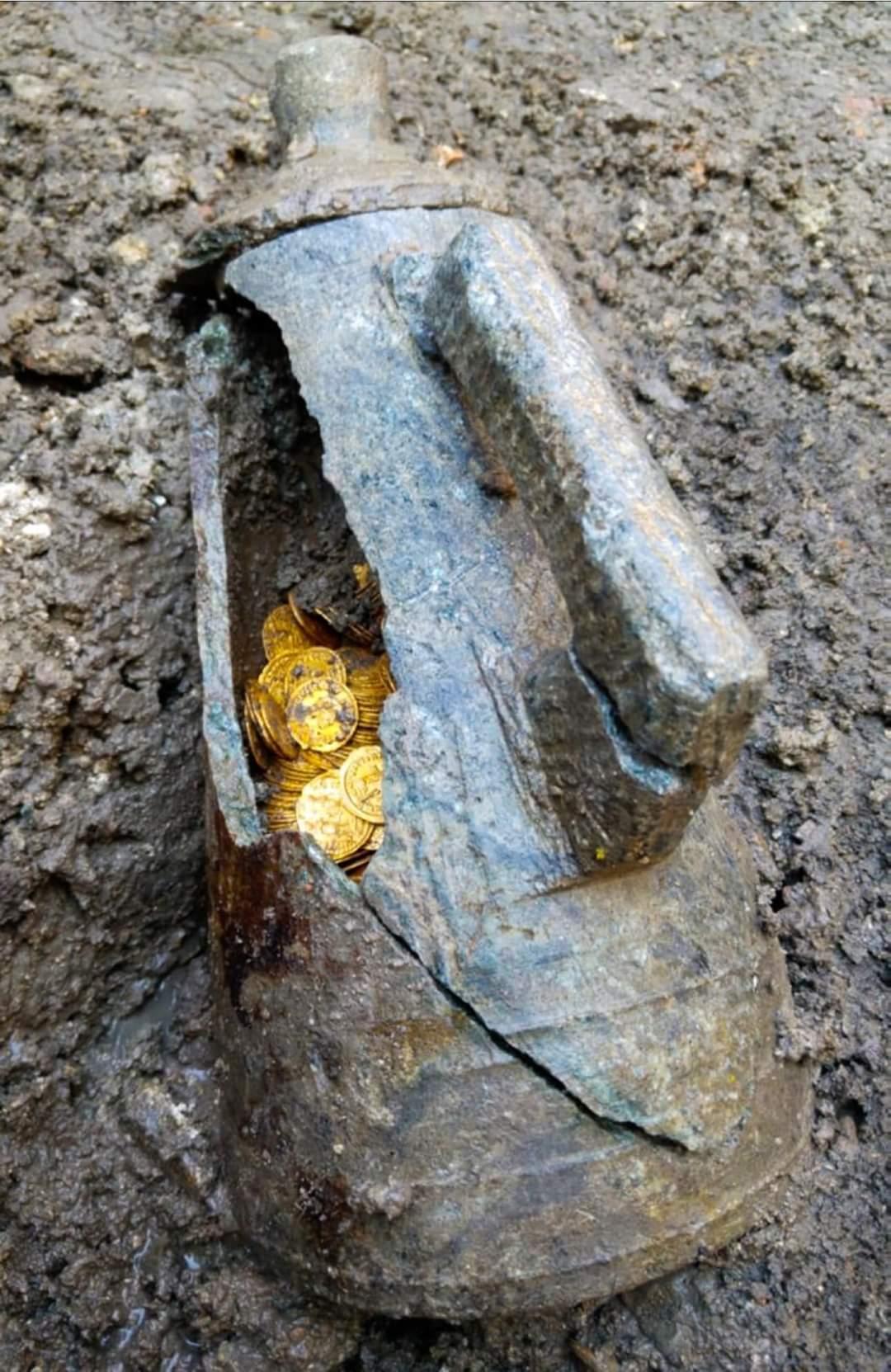
In 2018, archaeologists unearthed a soapstone vessel beneath an abandoned theater, revealing a treasure trove of hundreds of 5th Century AD gold Roman coins speculated to be worth millions of euros. Discovered during renovations of the Cressoni theater, the coins were neatly stacked in a Roman-era amphora, shedding light on a turbulent period in Italian history likely hidden during the collapse of the Western Roman Empire. #archaeohistories image
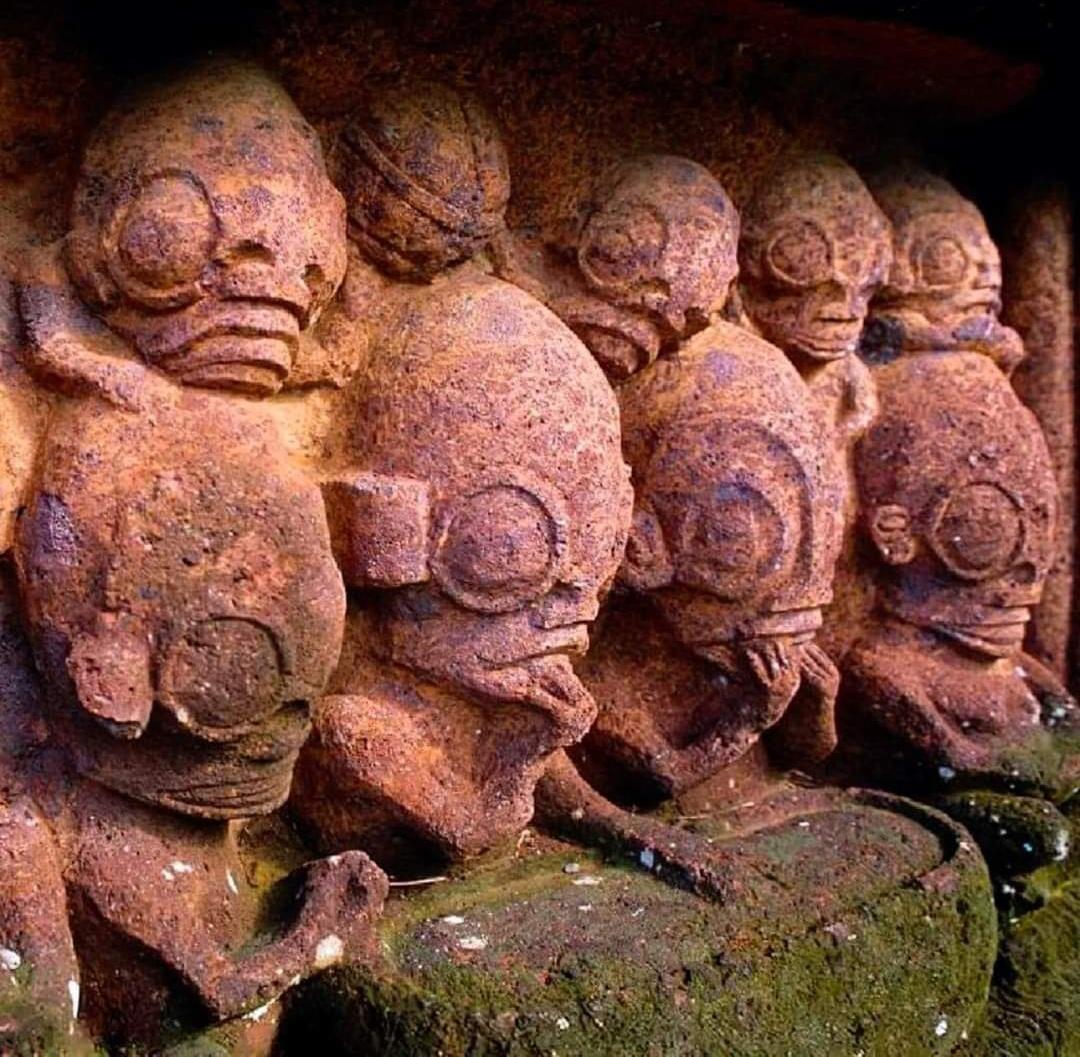
On the remote island of Nuku Hiva, located in the Marquesas Islands of French Polynesia, strange stone carvings are scattered across the rugged landscape. Dating from 11th-14th Centuries AD, these unusual figures are found in various locations, hinting at a once-important cultural context. Many aspects of their origins and purpose remain unclear, leaving their significance and the identity of their creators open to speculation. #archaeohistories image