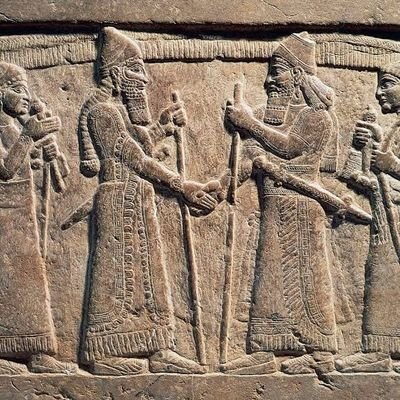
Future Archaeology 😀 #archaeohistories image
Mongolian Throat Singing - No one can say for sure when art form of throat singing began. Throat singing then appears in Chinese texts dating in 92 AD. From these accounts, we learn that northern barbarians who worshipped wolves sang with scary roaring sound when they attacked, which scared their enemies. Following a battle, these same men would sit around fire and whistle from their throats. 🎥 : Batzorig Vaanchig - Mongolian Throat Singing (🎥© Martin Rybka - YouTube) #archaeohistories
The Neolithic settlement of Skara Brae, Sandwick, Orkney, Scotland; is one of the best preserved groups of prehistoric houses in Western Europe... Neolithic village (5000 years old) of Skara Brae was discovered in winter of 1850. Wild storms ripped grass from a high dune known as Skara Brae, beside Bay of Skaill, and exposed an immense midden (refuse heap) and ruins of ancient stone buildings. 🎥© neural.pathways (IG) #archaeohistories
He's back 😄 #archaeohistories image
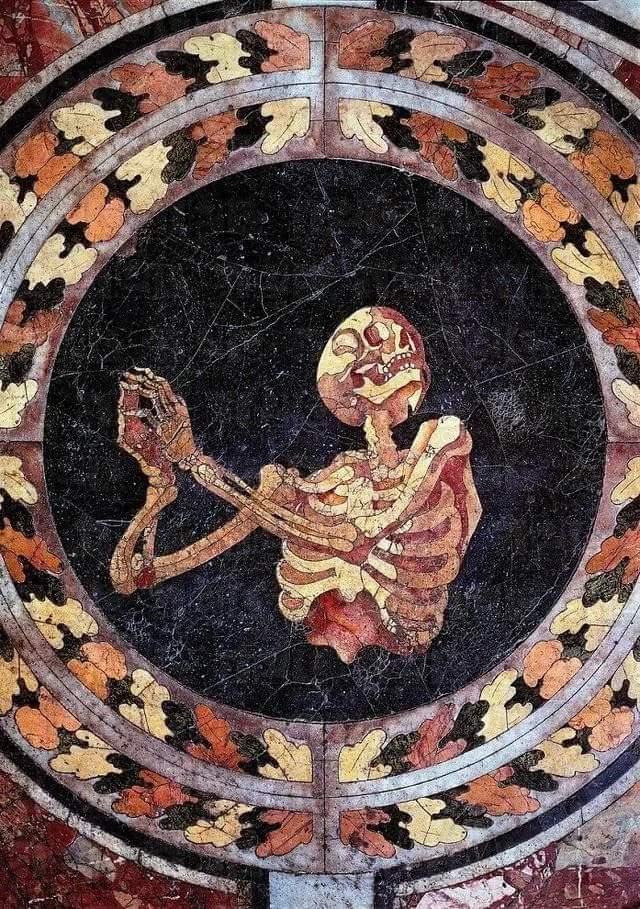
A 17th Century AD, Skeleton Praying, detail from the marble floor of Cornaro Chapel at the Church of Santa Maria della Vittoria in Rome. Italy. #archaeohistories image
How babies used to travel on airplanes in the 1950s. © Historic Photos #archaeohistories image
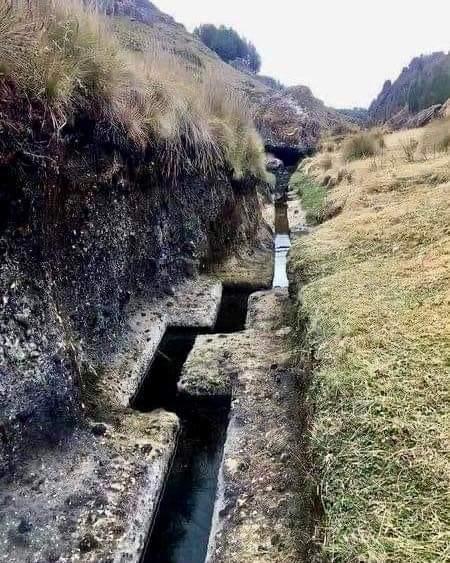
One of the most impressive hydraulic works of pre-Columbian America is located 20km from Cajamarca, in archaeological site of Cumbemayo, Peru. This thousand-year-old construction, in shape of a zigzag, extends for 9km and is carved into rock. Some sections of aqueduct measure between 35-50cm wide, with a depth that varies from 30-65cm and an approximate length of 850m. In addition, right angles were used, probably to reduce speed of water and prevent erosion of land. #archaeohistories image
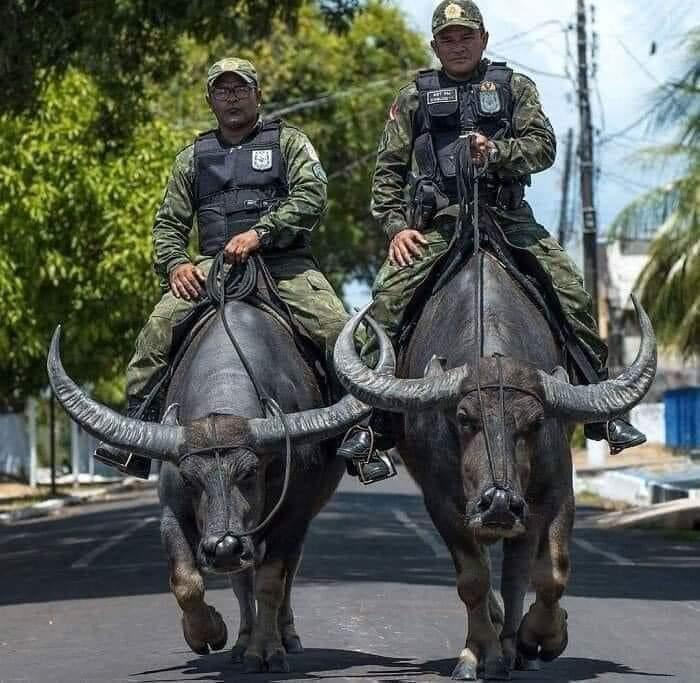
Police in Brazil use water buffalo to keep up with criminals trying to escape in rivers and swamps... As the world looks towards sustainable and eco-friendly practices, Marajó's buffalo patrols stand out as an example of how traditional methods can be adapted to modern needs. They highlight the importance of understanding local ecosystems and leveraging them in ways that benefit both the community and the natural world. #archaeohistories image
The Worm Hole, also known as “Serpent’s Lair,” is a striking natural formation on Inis Mór, part of the Aran Islands in Ireland. This nearly perfect rectangular pool carved from limestone and granite has intrigued both visitors and extreme sports enthusiasts. Located off Ireland’s west coast, the site is not only a geological marvel but also a popular location for extreme sports competitions. 🎥 : Credit to the Owner #archaeohistories
Devils Tower - iconic monolith in northeastern Wyoming juts straight into air, rising 1200ft from the grasslands near the Belle Fourche River. This geologic formation is so mesmerizing it’s no wonder that in 1906, President Teddy Roosevelt established it as nation’s first national monument. Today, it’s a mecca for hikers and rock climbers seeking to marvel at its beauty and scale its steep walls. The sacred legend of Devils Tower, however, is just as varied and fascinating as its many visitors.