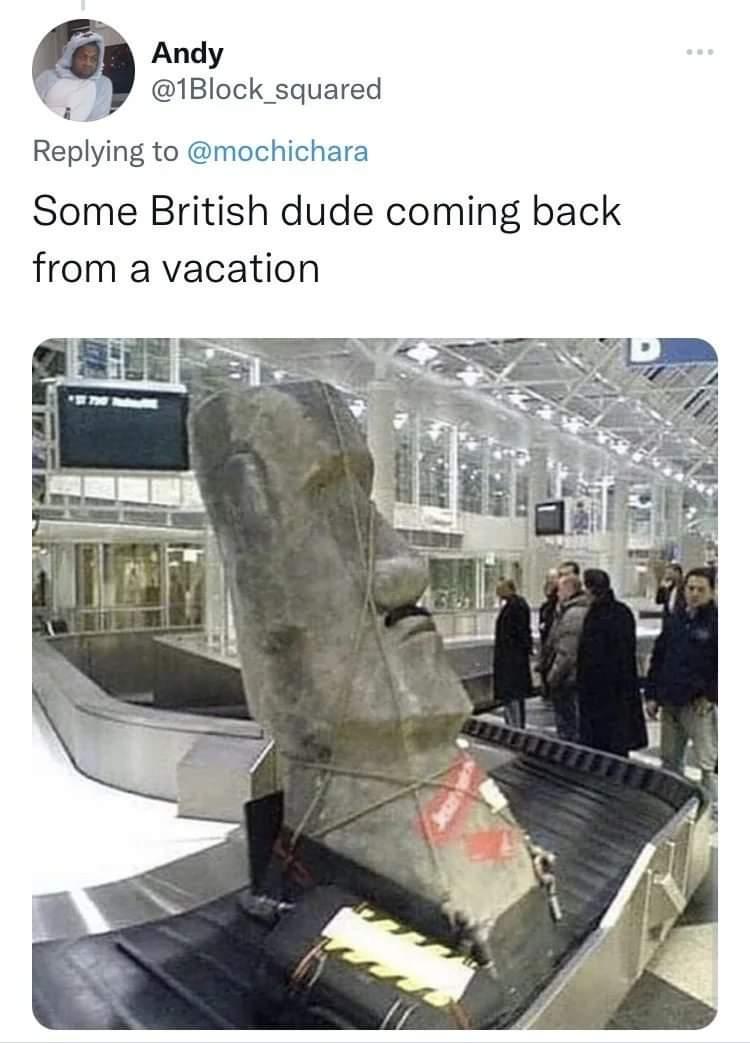
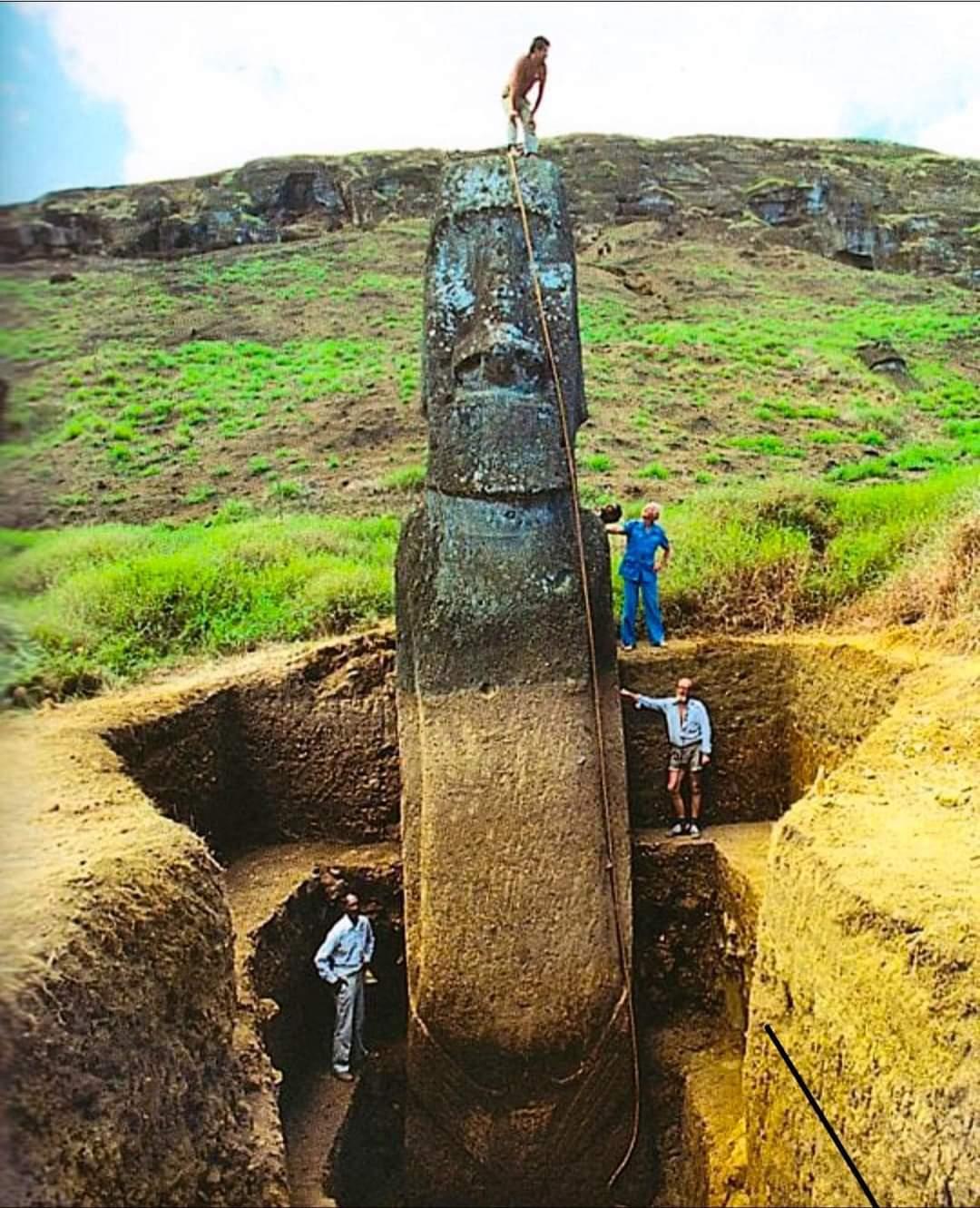
A fully unearthed Moai statue on Easter Island. Easter Island statues are iconic monolithic human figures carved by Rapa Nui people on Easter Island in eastern Polynesia between 1250-1500 AD. They are believed to represent ancestors and were placed on ceremonial platforms called Ahu. Construction and transportation of these massive statues, some weighing up to 80 tons, remain a subject of fascination and study due to island's remote location and engineering feats involved. #archaeohistories image
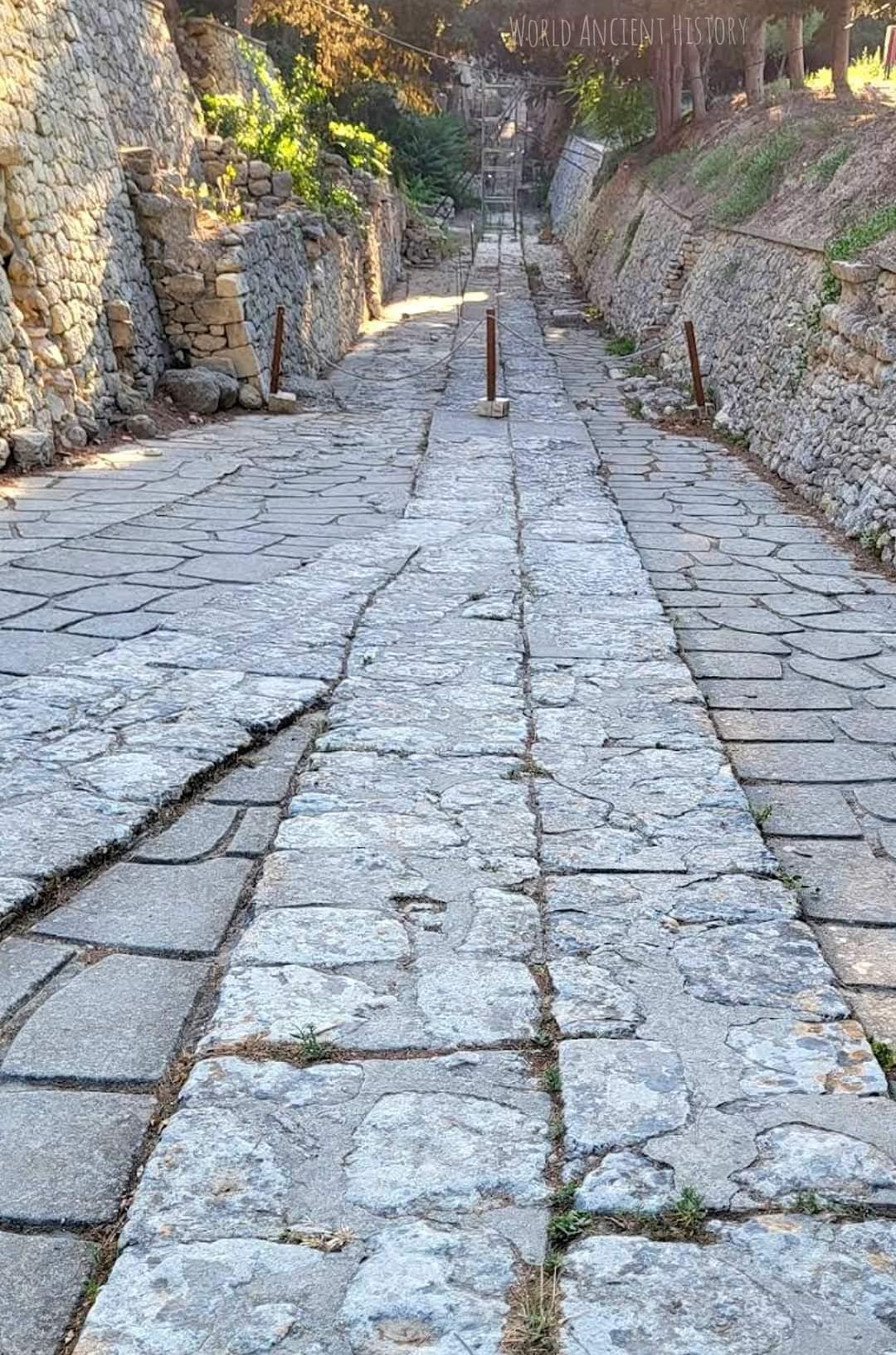
More than 3500 year old Minoan Road, the oldest road in Europe. This incredibly ancient road stretches for 50km from Knossos in Crete; Greece, through the mountains to Gortyn and Lebena. The road had side drains, a 200mm thick pavement of sandstone blocks bound with clay-gypsum mortar, covered by a layer of basaltic flagstones and had separate shoulders. #archaeohistories image
Quite True 😁 #archaeohistories image
The magnificent 'Throne Room' in 15th Century BC, Palace of Knossos in Crete at the center of Minoan civilization is believed to be the oldest such room in Europe. Minoan civilization flourished for approx. 2000 years. Knossos complex had large palace buildings, extensive workshop installations and luxurious rock-cut cave and tholos tombs. As a major center of trade and economy, Knossos maintained ties with majority of cities in Eastern Mediterranean. πŸŽ₯Β© jacquelinesalotti1754 (YouTube)
Thousands of years of historical and cultural heritage destroyed by ISIS in Mosul Museum and Syria : In 2014, Mosul (once Nineveh, largest city in 7th Century BC and capital of Assyria) fell under control of ISIS (Daesh). During its three-year reign, Islamist militants destroyed artifacts and buildings, mostly shrines β€” saying they were forms of idolatry. And to get attention, filming the destruction and sharing it in propaganda videos online. πŸŽ₯Β© bilimtuel (IG) #archaeohistories
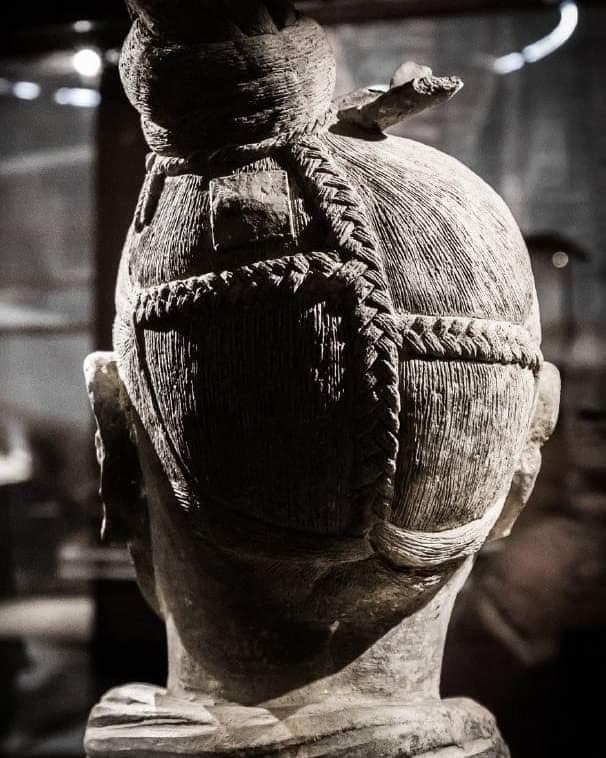
Detailed image of the hairstyle of a soldier from the famous terracotta statue army of the first Emperor of China. This soldier figure is one of a total of 8,000 statues who all had different facial features and hairstyles and clothes, according to their rank (221-206 BC). #archaeohistories image
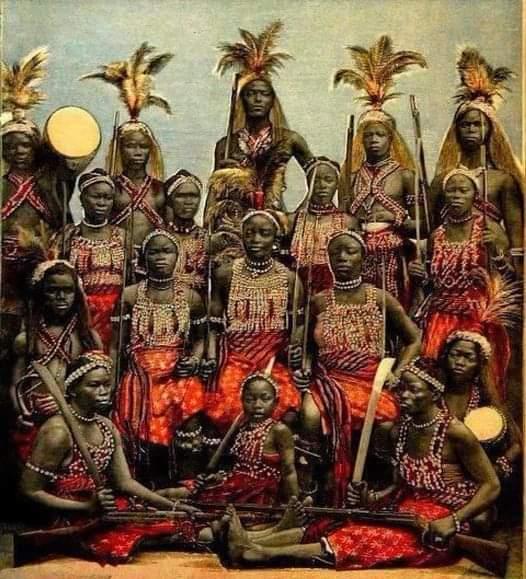
Mino, nicknamed Dahomey Amazons by Europeans, were initially elephant hunters who evolved into a formidable military force. These warriors, also called N’Nonmiton or "Our Mothers," were most feared warriors in African history – The Dahomey Amazons. Known as Mino warriors, this fierce all-female military squad from the kingdom of Dahomey, West Africa (modern-day Benin), operated from 17th-19th Centuries were revered for their unmatched combat skills and loyalty to kingdom. #archaeohistories image
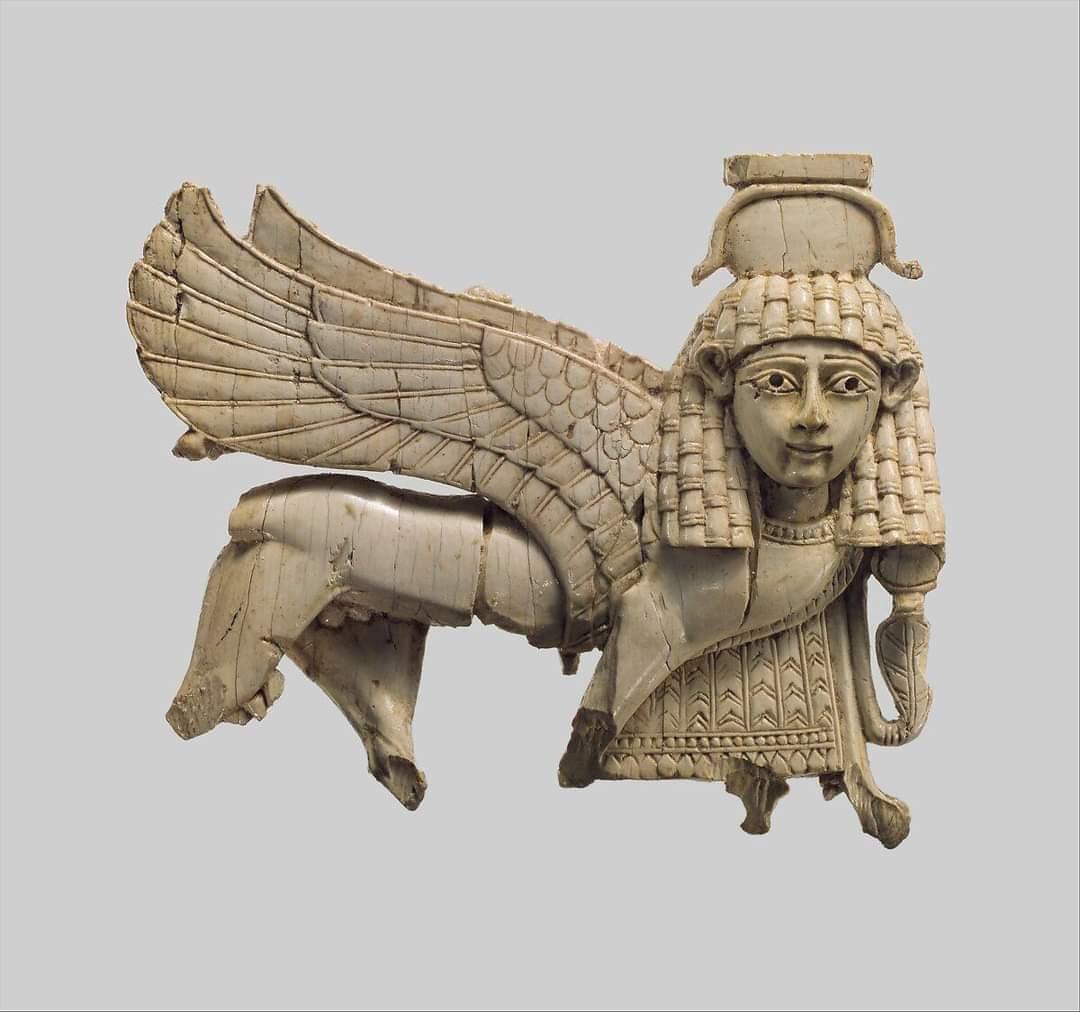
A detailed carved plaque of a striding sphinx, from ancient Nimrud, Mesopotamia. Sphinxes are creatures often depicted as having a lion's body, wings, and a human head. This artwork is carved into ivory, and measures 8.8 x 10.3 cm. Louvre Museum #archaeohistories image
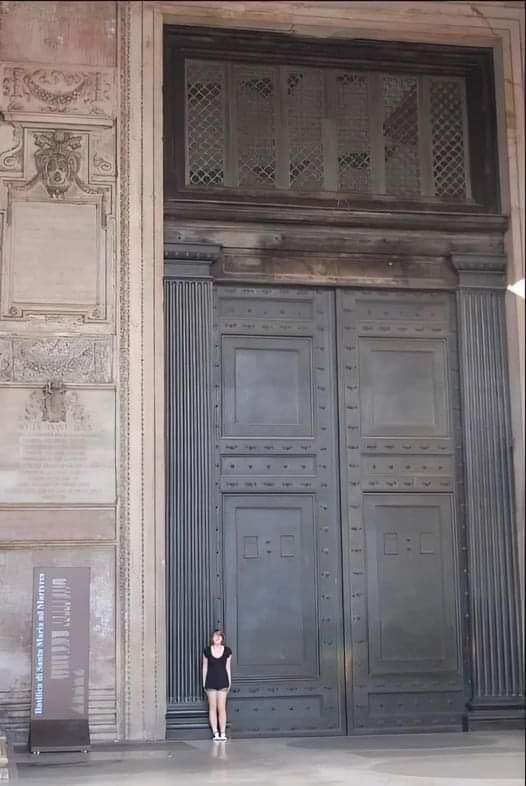
This door is one of the oldest in the world located in the Pantheon in Rome, Italy. It was built in the year 118-126 AD, during time of Emperor Hadrian. The gate consists of two wings, each made of solid bronze, weighs 8.5 tons, measures 7.6m high and 2.3m wide. Although the wings are extremely heavy, they are so balanced that a single person can easily open and close them. It is also one of few doors in the world whose lock, dating back almost 2000 years, still works #archaeohistories image