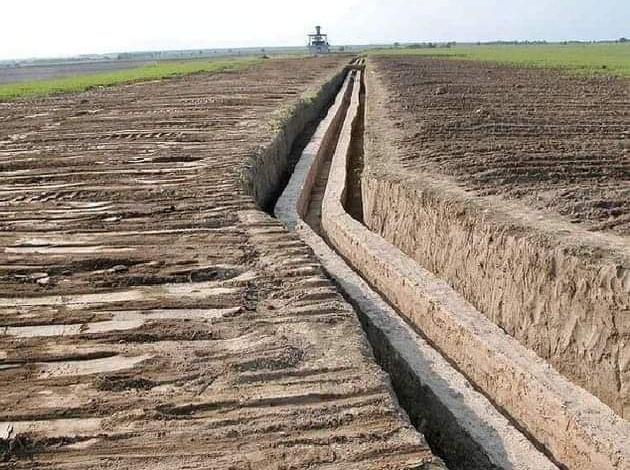
Subterranean Roman aqueduct channel, built by the Roman army to bring water to Viminacium in modern Serbia. Despite the popular image of grand aqueduct bridges, many Roman aqueducts ran almost entirely underground. #archaeohistories image
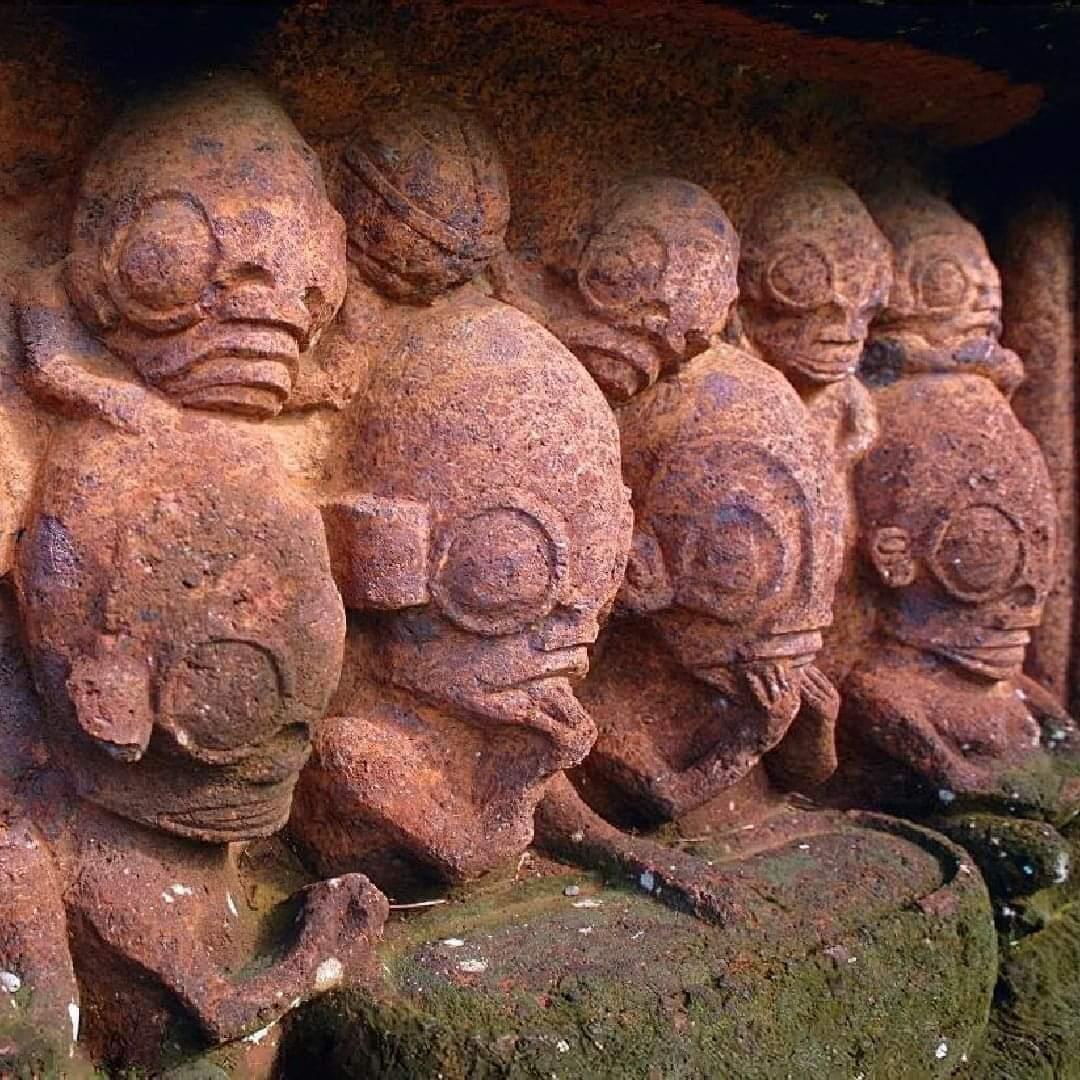
Big-eyed figures carved into a stone block on the remote Pacific island of Nuku Hiva, probably depicting ancient deities or ancestors. They are found in several different places on Marquesas Islands, French Polynesia, and are thought to date back to the 11th-14th Century AD. Strange very ancient drawings of creatures with large eyes are also found in the neighboring region of Australia. #archaeohistories image
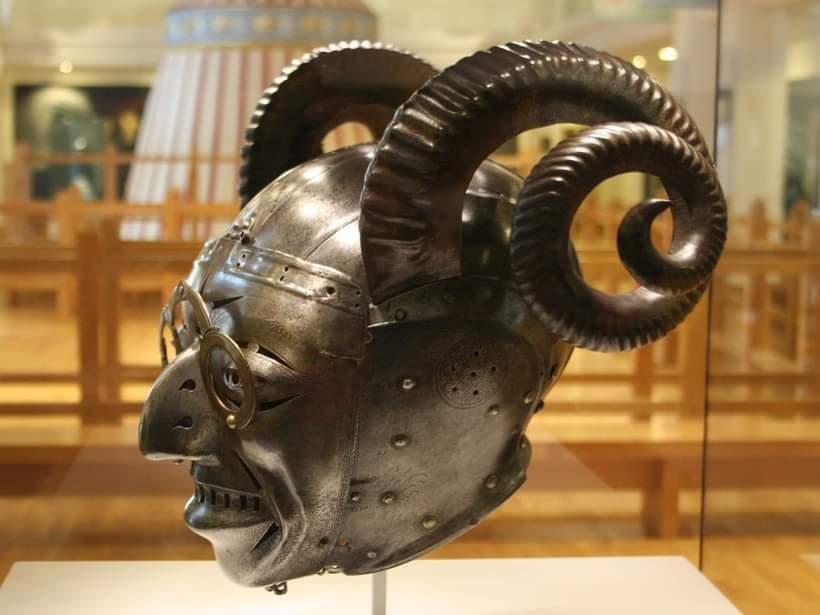
The mysterious horned helmet of Henry VIII, King of England and Scotland. Henry VIII ruled the country from 1509 to 1547. Helmet was ordered as a gift in 1511 by Holy Roman Emperor Maximilian I. They were allies. Both joined Holy League (1511–1513), an alliance formed by Pope Julius II to expel France from Apennine Peninsula. Helmet was made by Konrad Seusenhofer, one of most famous gunsmiths in medieval Europe. It was part of an armor set, but other parts of armor have been lost over time. image
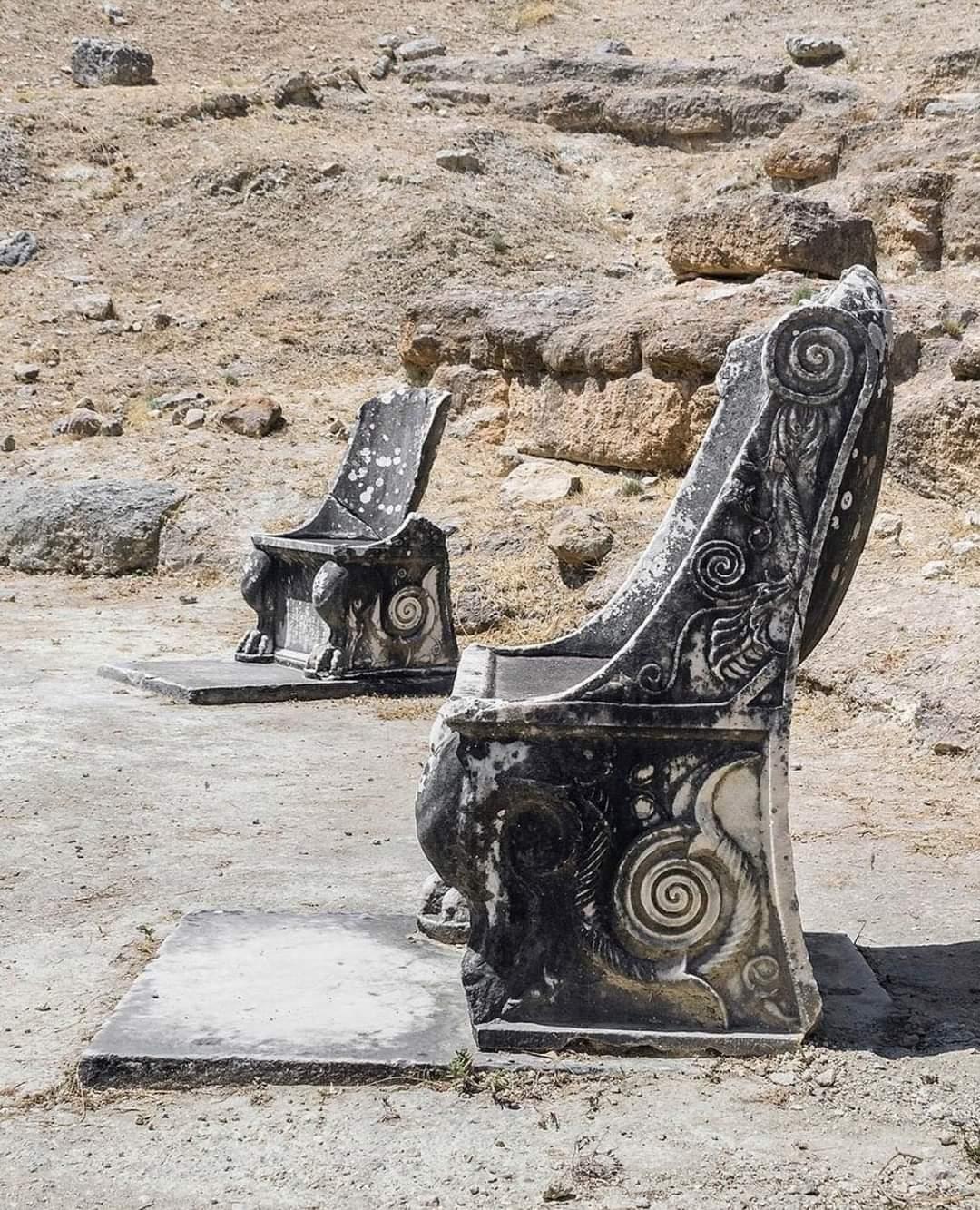
A 2000 year-old marble thrones at the ancient theatre of Amphiareion of Oropos, Greece. The Amphiareion at Oropos, sanctuary of the hero Amphiaraos, was greatly famed and frequented by pilgrims who went to seek oracular responses and healing. The largest building in the sanctuary is a stoa (mid-4th Century BC) which served as enkoimeterion for the patients. The sanctuary also contained a theatre. The theatre is dated to the 2nd Century BC, by inscriptions and the seating. #archaeohistories image