Why does health care reform keep failing? In part because the outsized power of congressional party leaders means that rank-and-file members do not have the time or interest to dedicate to meaningful problem-solving of super-complex issues, according to a public policy scholar.

Child care in Colorado is so expensive that many families spend 30-40% of their income on it. Funding shortfalls have frozen child care subsidies in parts of the state, forcing parents to miss work or quit jobs. Some counties are raising local taxes to help, but it’s just a patchwork fix to a much bigger problem.
Do research internships really need to be in person? Virtual NSF programs are expanding access to mentorship, confidence and real research experience.
Americans are still giving to charity — but far less of that money is reaching charities directly. A tax policy scholar explains how donor-advised funds and tax rules have changed philanthropy, especially for billionaires.
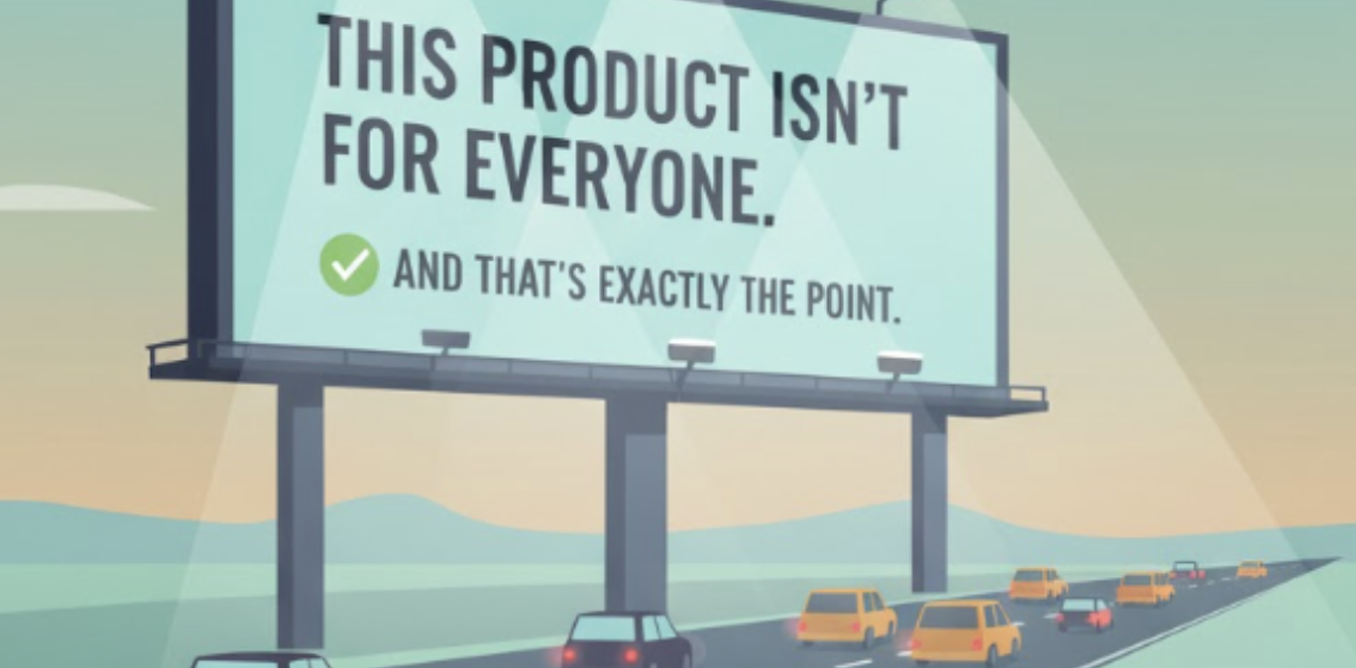
“If this isn’t for you, don’t buy it.” Counterintuitive? Yes. Effective marketing? Also yes. New research shows why ads that set boundaries can win over the right customers.
Managing wildfire risk isn’t just about regulations — it’s about neighborliness: the choices people make on their own property that help keep the people around them safe. #LAFires
The U.S. military action in Venezuela marks a turning point. An international human rights and democracy scholar warns it reflects a shift toward unilateral, autocratic power, unconstrained by law and balance of power, and using force to impose the Trump administration’s will on other nations.
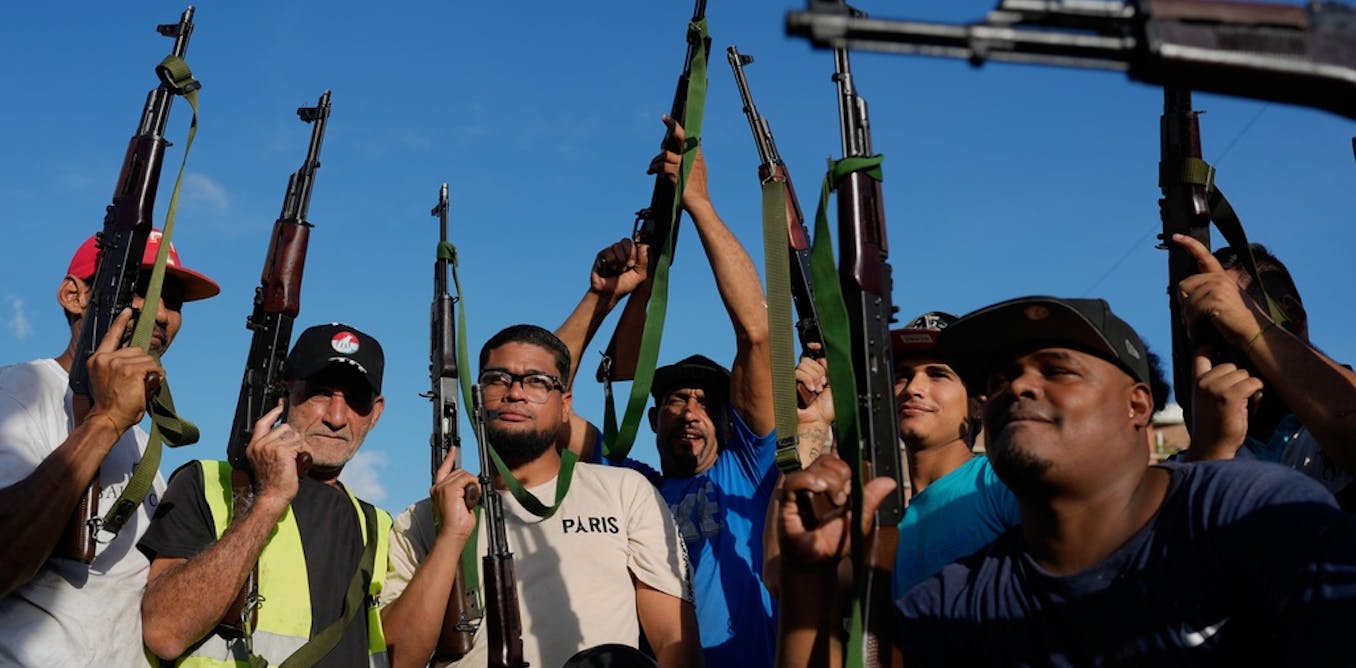
Maduro’s removal has not stabilized Venezuela. A fragile civil military alliance is under growing strain, and if it breaks, colectivos, gangs and guerrilla groups could be drawn into a chaotic conflict to control the country’s future.
Most Americans actually like wolves, no matter their politics. But when researchers reminded people of their political identities, Democrats became more friendly to wolves and Republicans far more opposed. It’s an interesting study in how politics and social identity can fuel partisan polarization.
Iranian protesters are calling on their government to prioritize lowering prices and creating jobs, instead of international issues.