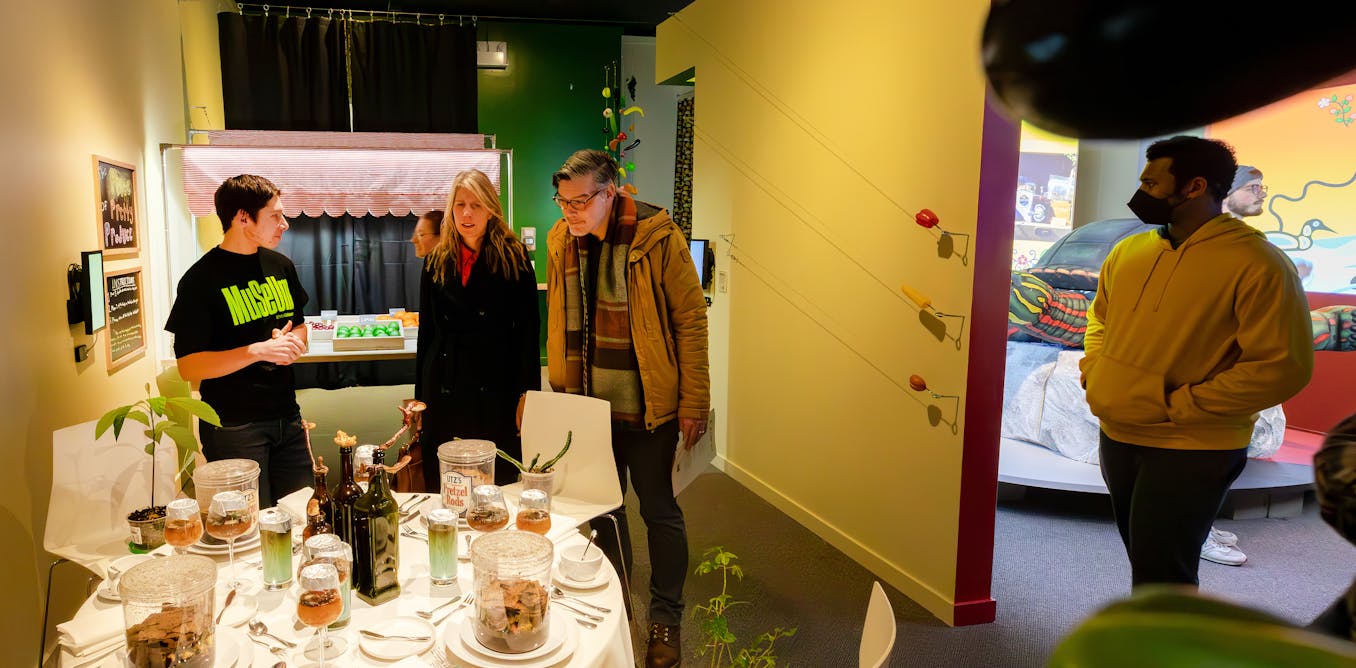
92% of adults view museums as nonpartisan sources of education. This rare level of confidence gives museums both an opportunity and a responsibility to model how people might think and listen together, explains one museum director.
“Environmental amnesia” lets critics focus on costs of laws, while forgetting why these laws were needed and the real benefits they delivered, according to an environmental law professor. The “Documerica” project shows in clear photographic evidence how dirty the U.S. used to be.
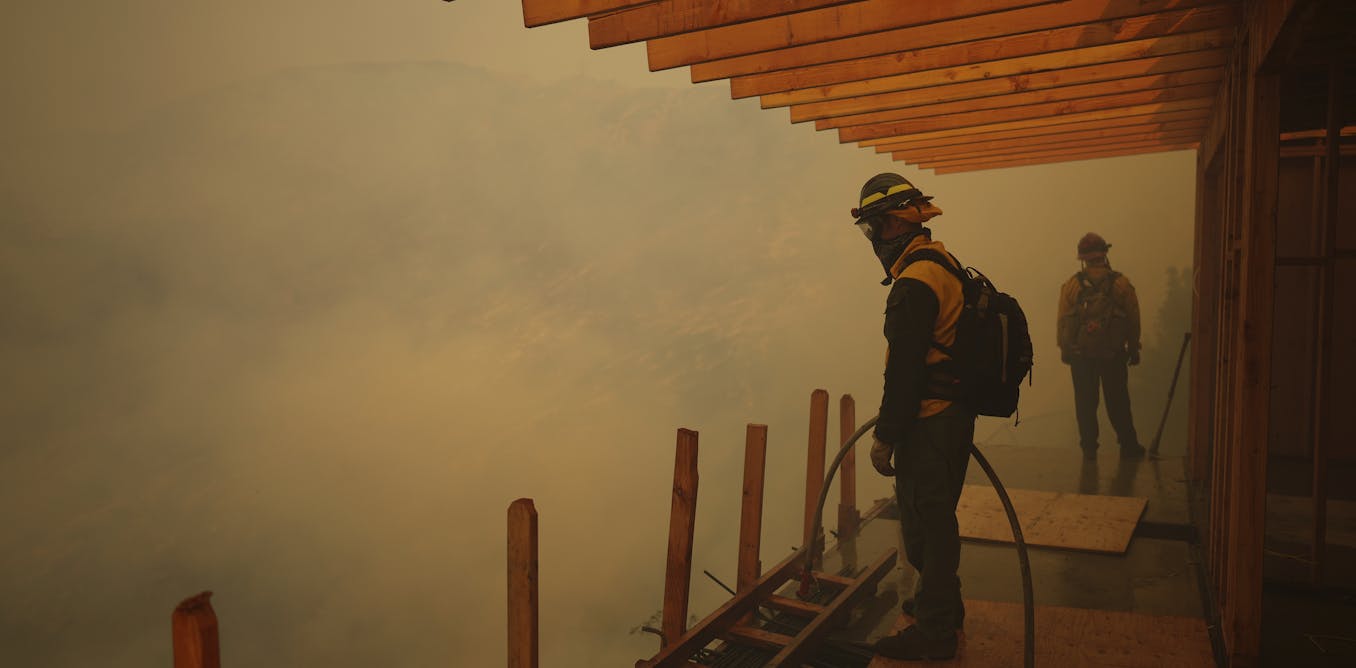
When cities burn, plastics, electronics, cleaning chemicals and more create a toxic brew. An environmental health scientist studying the #LAFires found that some chemicals can be more concentrated indoors than outside, posing real health risks.
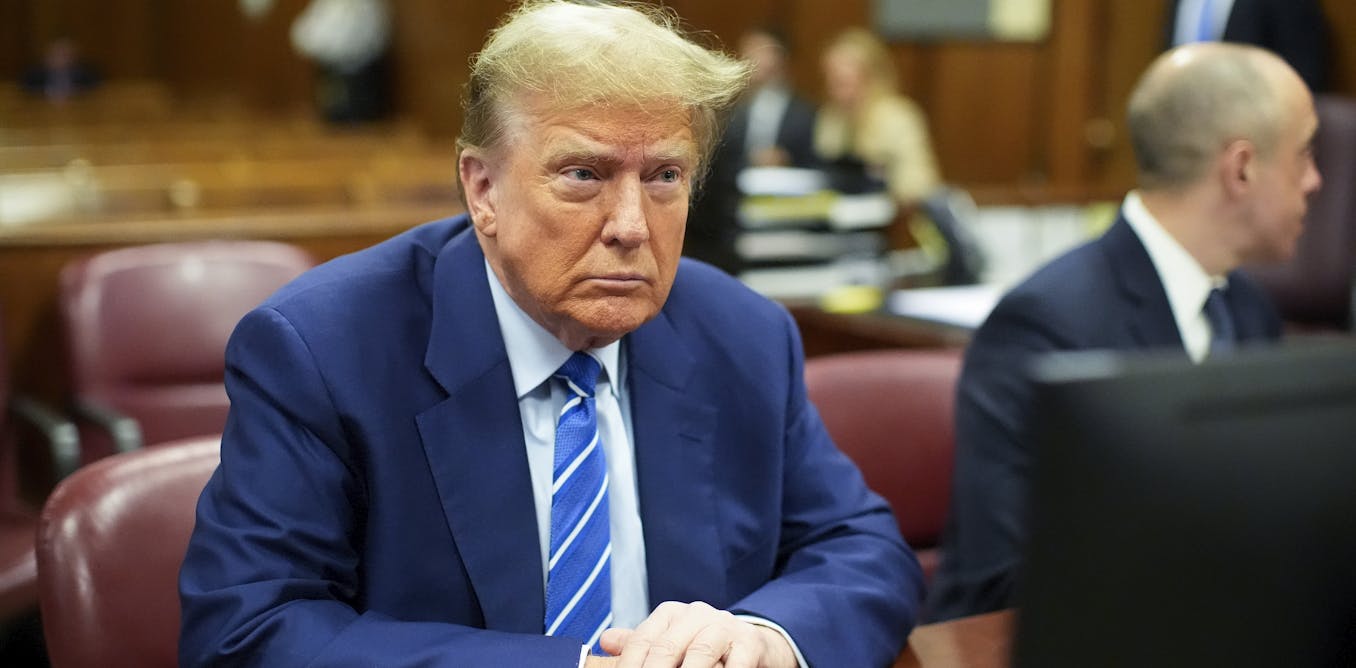
Today’s voters don’t evaluate scandal as citizens: they evaluate it as fans. Democrats and Republicans both seek to punish misdeeds by the other side but rationalize them for their own team, explains a professor who has written a book on how politicians survive scandal.
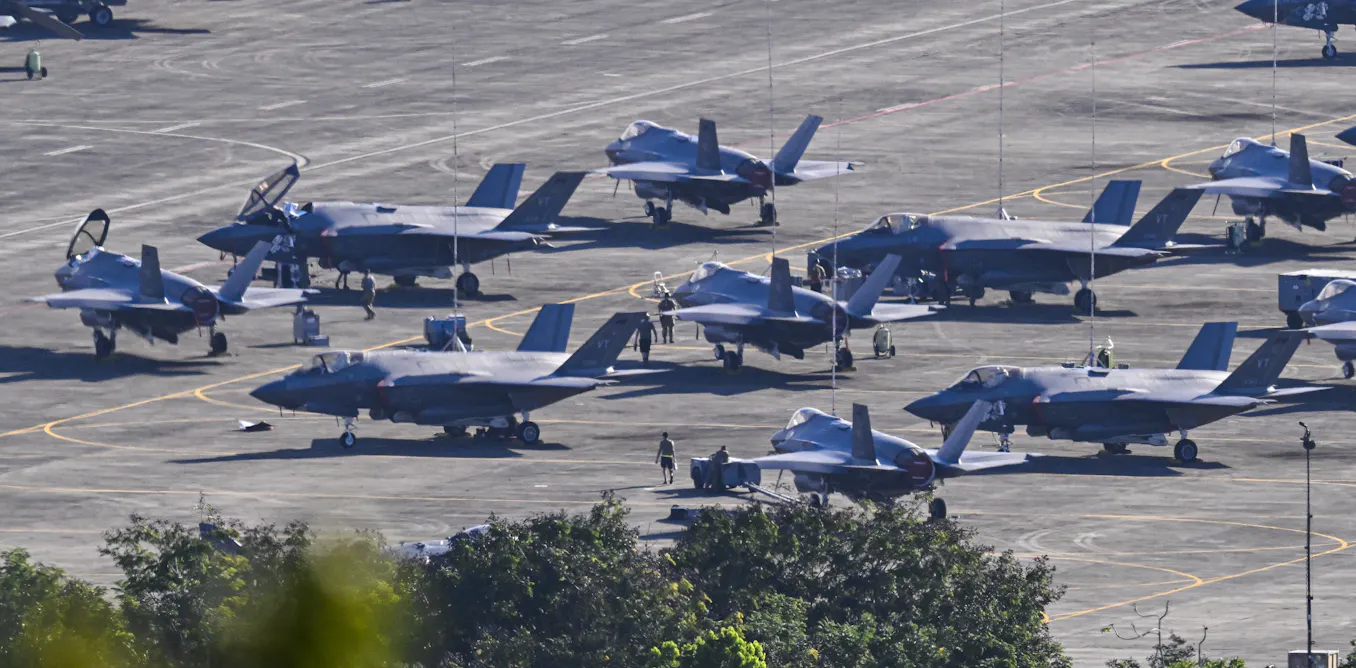
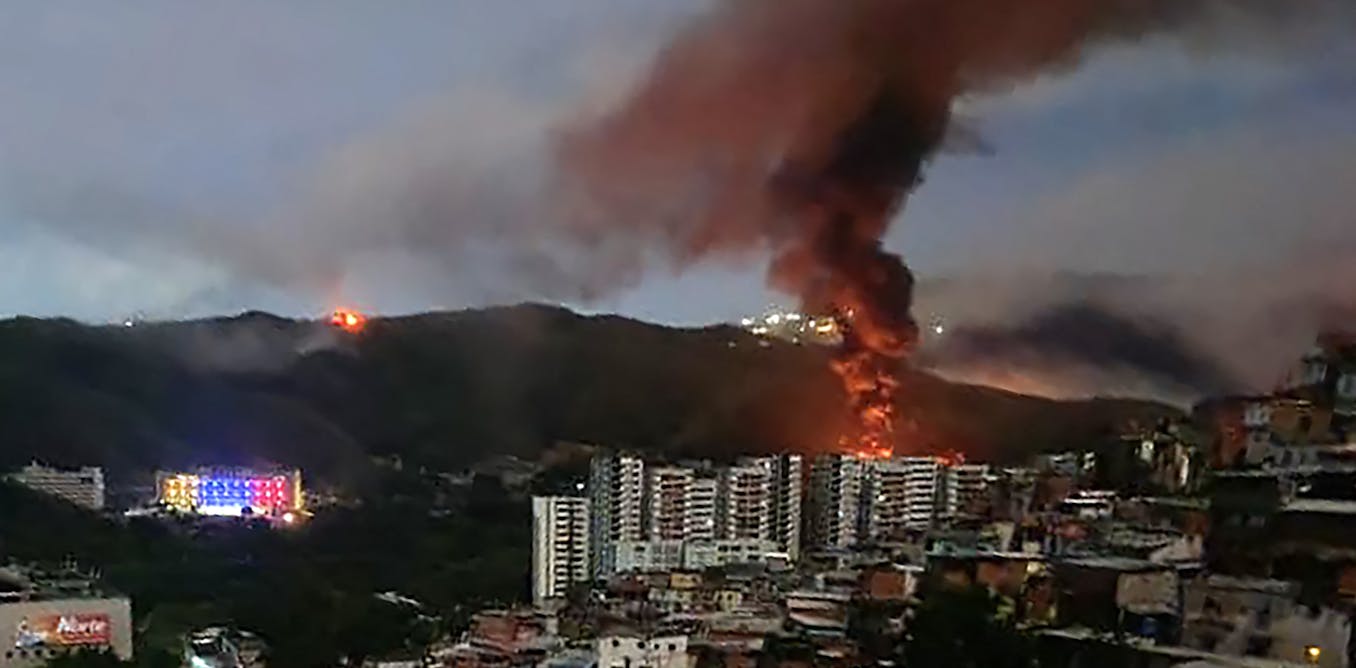
Months of preparation and intelligence gathering went into the US mission to seize Venezuela’s president. A military strategist and former Latin America policy adviser to the U.S. State Department breaks down what we know about the planning and execution:
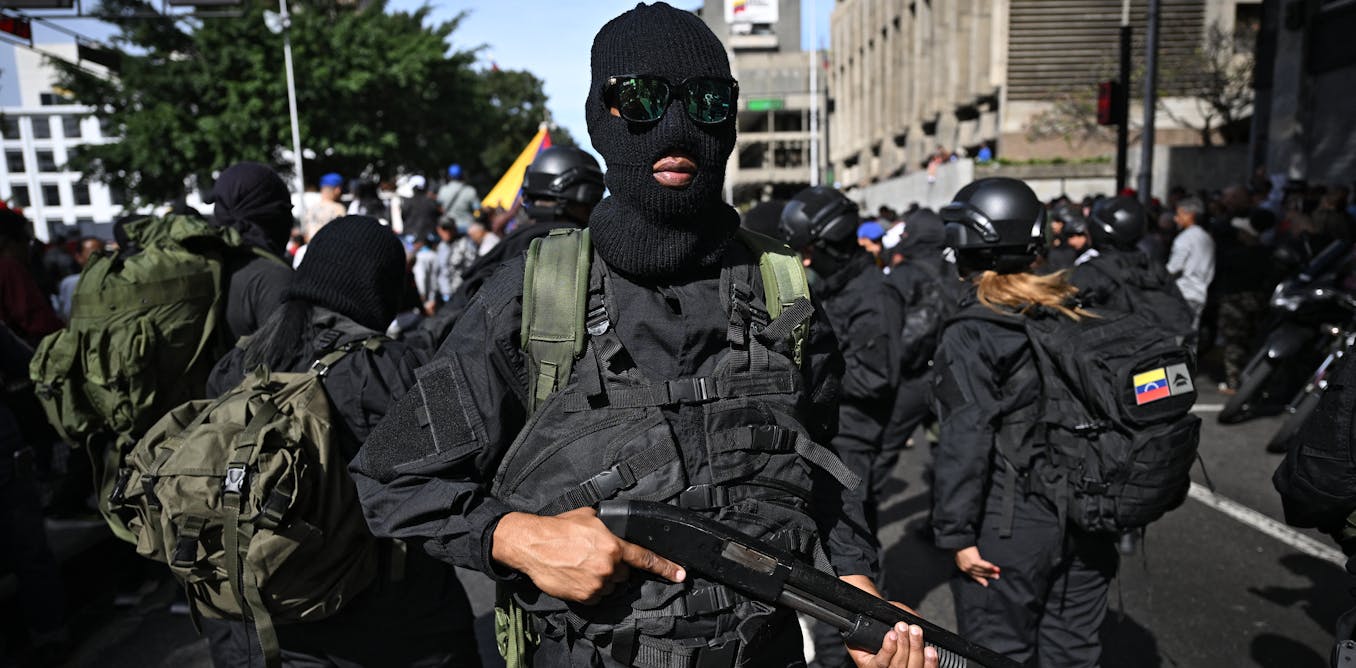
“If Washington governs by force in Venezuela, it will repeat the failures of Afghanistan, Iraq and Libya: Power can topple regimes, but it cannot create political authority. Outside rule invites resistance, not stability.” - Monica Duffy Toft, Tufts University, scholar of international security
How Maduro’s capture went down – a military strategist explains what goes into a successful special op
Can the US ‘run’ Venezuela? Military force can topple a dictator, but it cannot create political authority or legitimacy
5 scenarios for a post-Maduro Venezuela — and what they could signal to the wider region
Trump didn’t seek congressional OK before Venezuela attack. A political scientist who wrote the book on the politics of war powers explains the legality: