Our story republished in The Washington Post https://wapo.st/49uMm1P
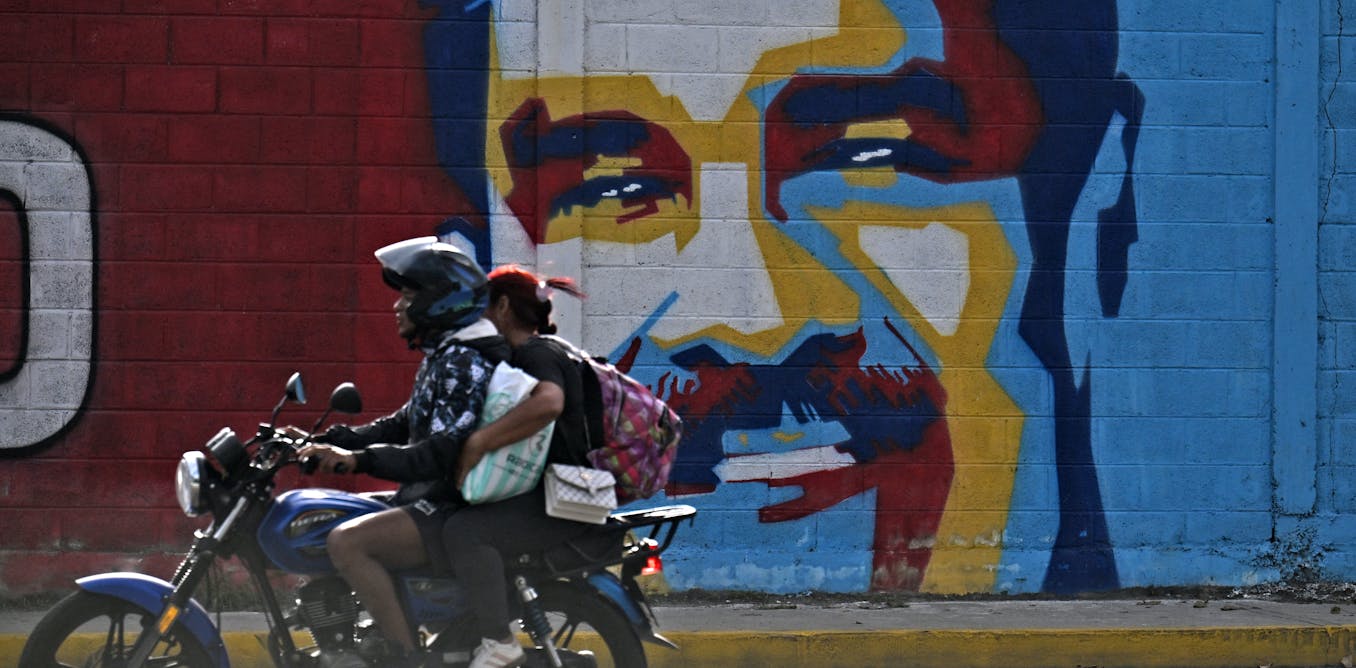
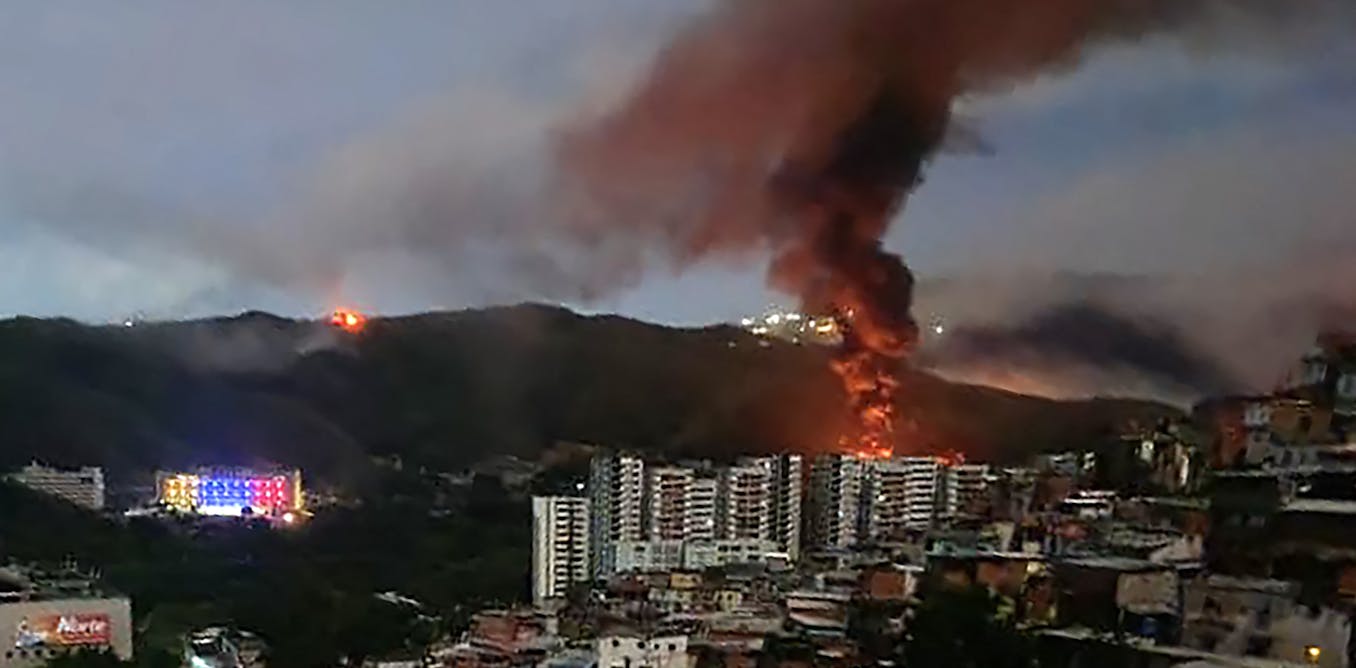
Many across the Americas woke up to the news about Venezuela with déjà vu for the US arrest of Panama’s president in 1989. An expert on U.S.-Latin American relations explains what’s different this time:
Trump did not seek congressional approval before the U.S. attack on Venezuela, raising questions about its legality. Important context from a political scientist on the struggle between Congress and U.S. presidents over authorizing military action.
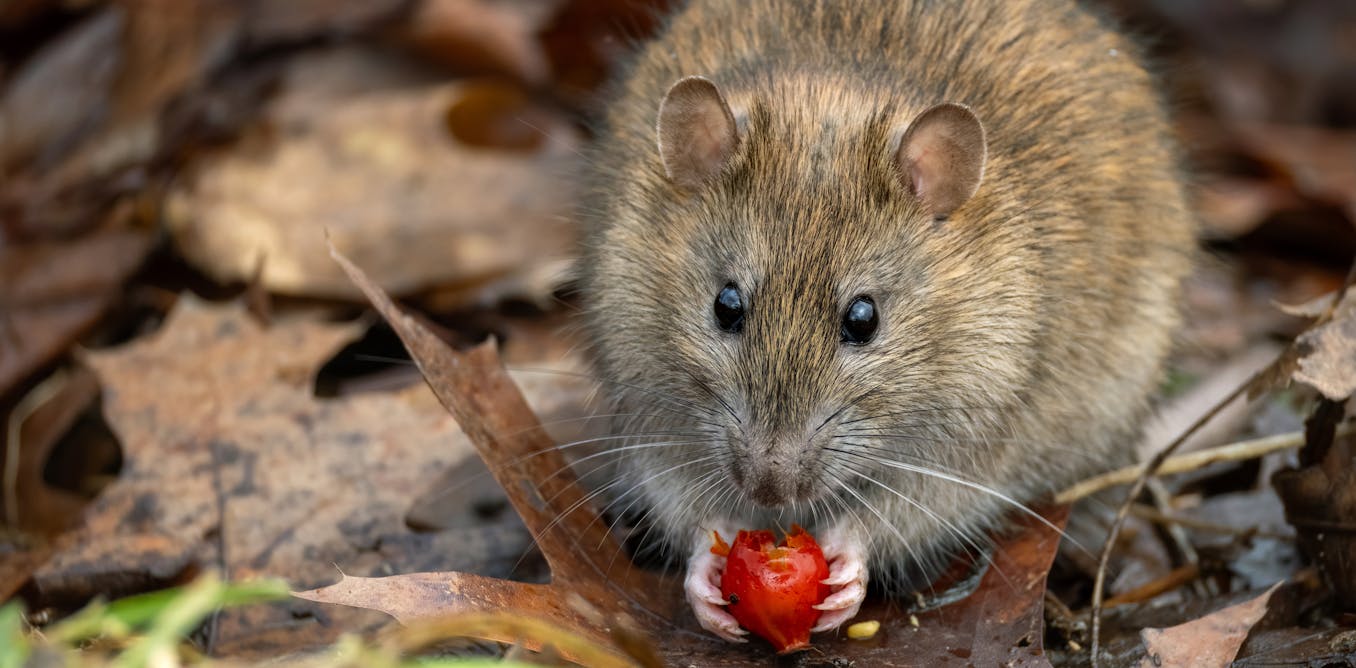
I study rat nests − here’s why rodents make great archivists
#AI systems began a major shift in 2025 from content creators and chatbots to agents capable of using other software tools and acting on their own. A computer scientist looks at what’s ahead for governance, trust, and reliability.
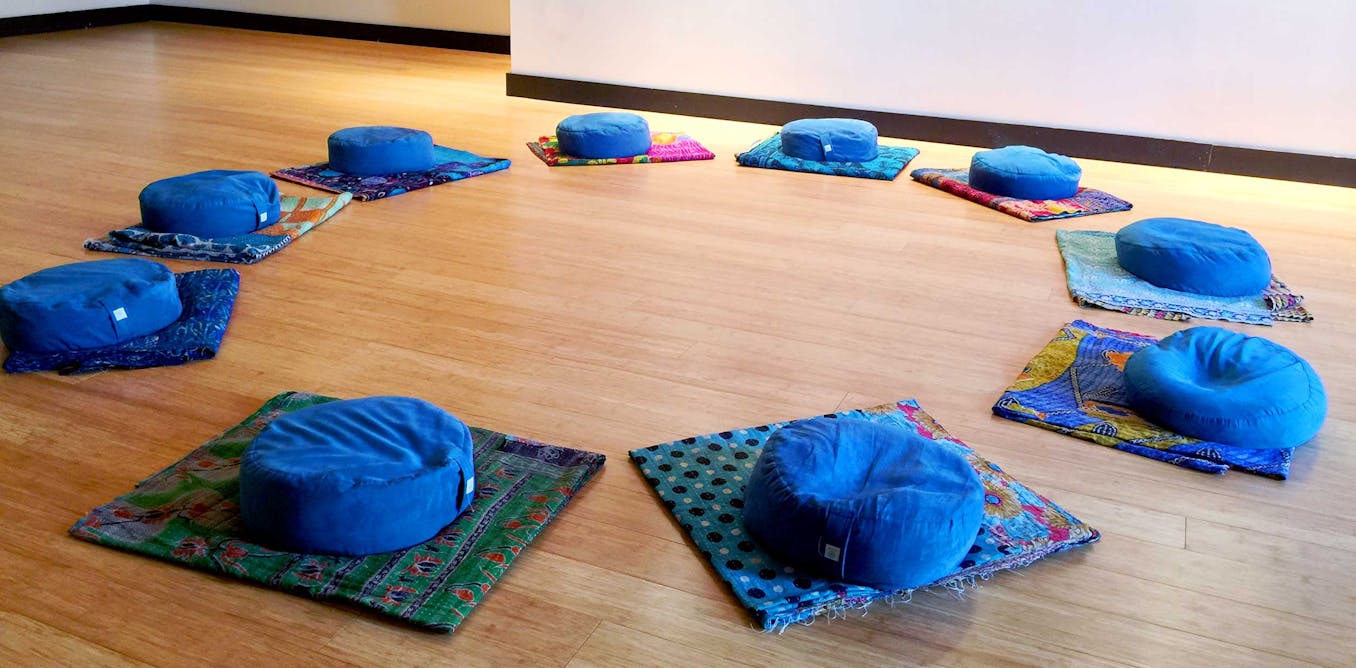
Loving-kindness meditation isn’t just personal self-care. It also benefits society, a scholar of mindfulness explains. It supports democracy by helping people work with strangers and opponents, not just those they agree with.
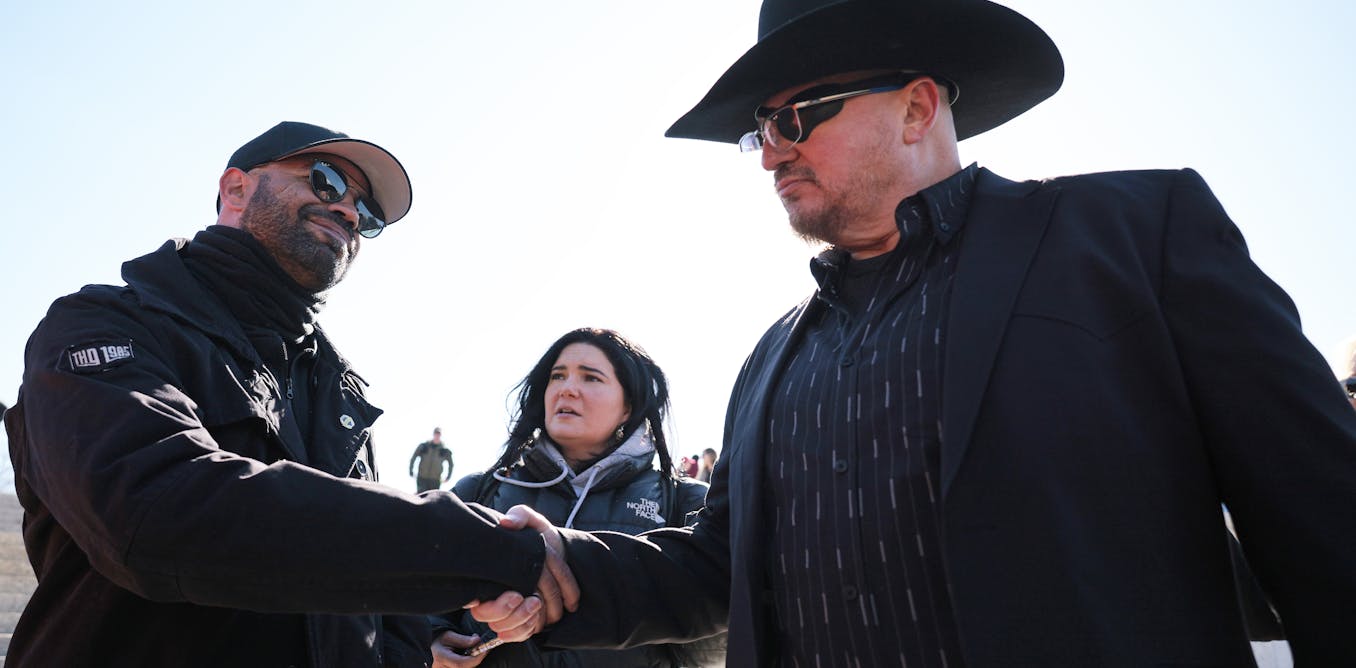
Stewart Rhodes, founder of the Oath Keepers militia group, plans to relaunch the organization after his seditious conspiracy sentence was commuted by Trump. A political anthropologist explains why the group's emphasis on the military’s oath poses a particular threat. #Jan6 #J6
Has the Fed “fixed” the economy? Inflation is down and growth is holding up, but many of us still feel uneasy about 2026 Questions about labor markets and housing costs remain front and center, according to finance professors whose 2025 and 2024 predictions held up notably well https://buff.ly/lzgl4Gr
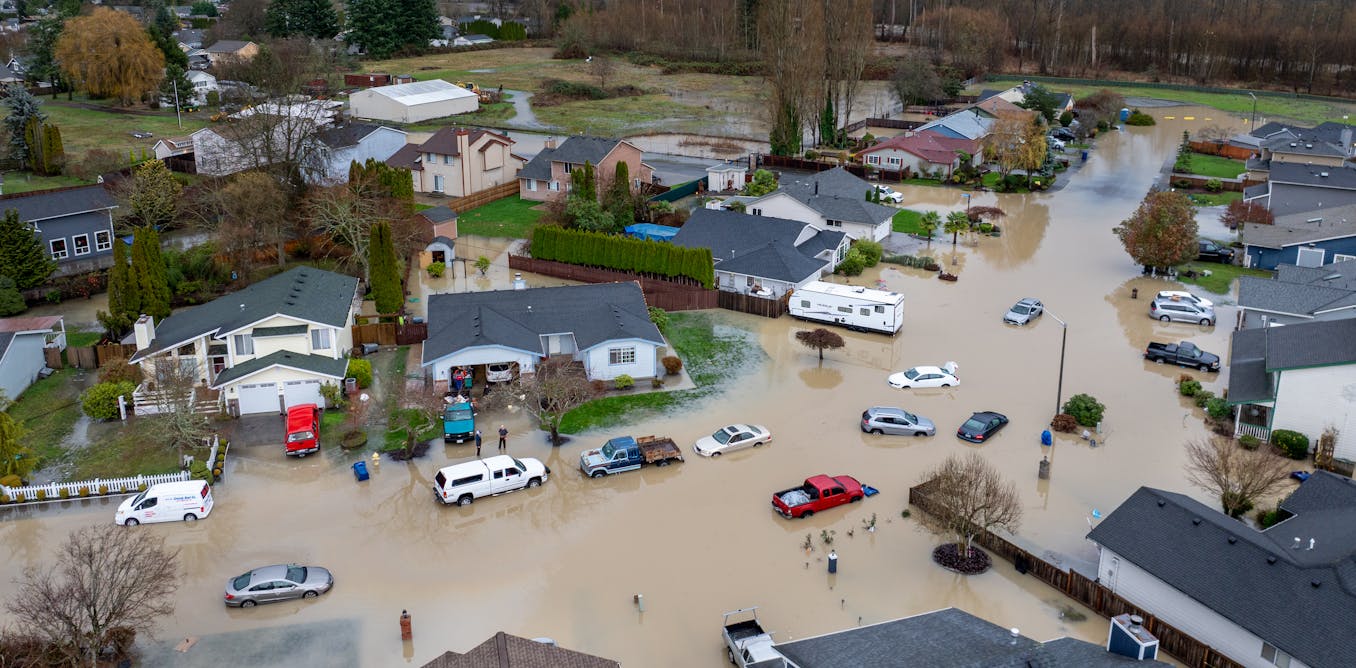
West Coast levee failures reveal a bigger problem: America’s flood defenses are old, underfunded and not built for today’s storms. A civil engineer who studies water infrastructure explains why millions are at risk:
Research says trying to be funny at work usually backfires. Except for you, of course. You’re hilarious.