Narcan appears to work almost miraculously, reversing an opioid overdose in minutes. But exactly how it does this was a mystery since the FDA approved it in 1971. Until now. Biology researchers have captured the mechanism at the molecular level.
Scientific journals are more likely to publish studies that found something rather than those that found nothing. A statistician explains how knowing this can help you interpret what you read about research.
The 1-year-old Israeli-Lebanese ceasefire looks increasingly fragile. A historian examines whether the two countries are headed back into their cycle of violence.
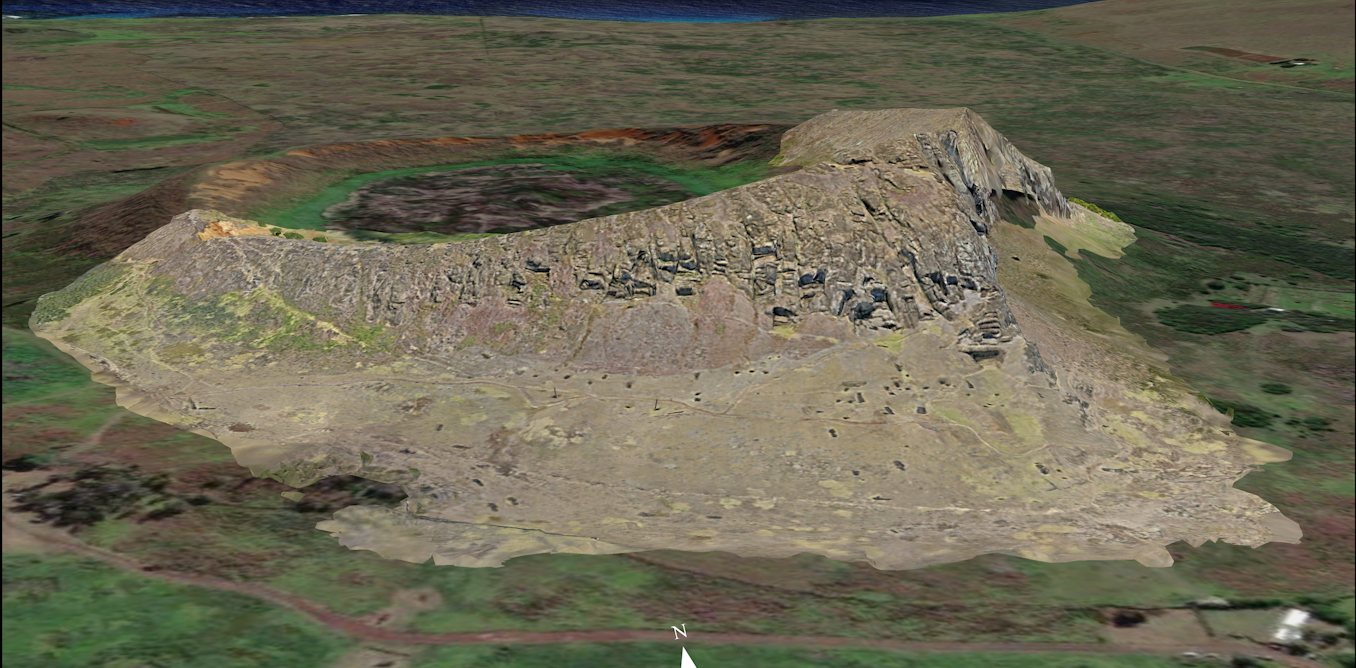
How Easter Island's giant statues were transported remained unsolved for decades. Physics, morphological analysis and a comprehensive 3D map now show the moai, or statues, were "walked" upright across the landscape using principles of lateral oscillation.
The US military is building up forces near Venezuela, giving the Trump administration many military options if it chooses to go beyond sinking boats offshore. A Latin American research professor at the US Army War College has details on the armada:
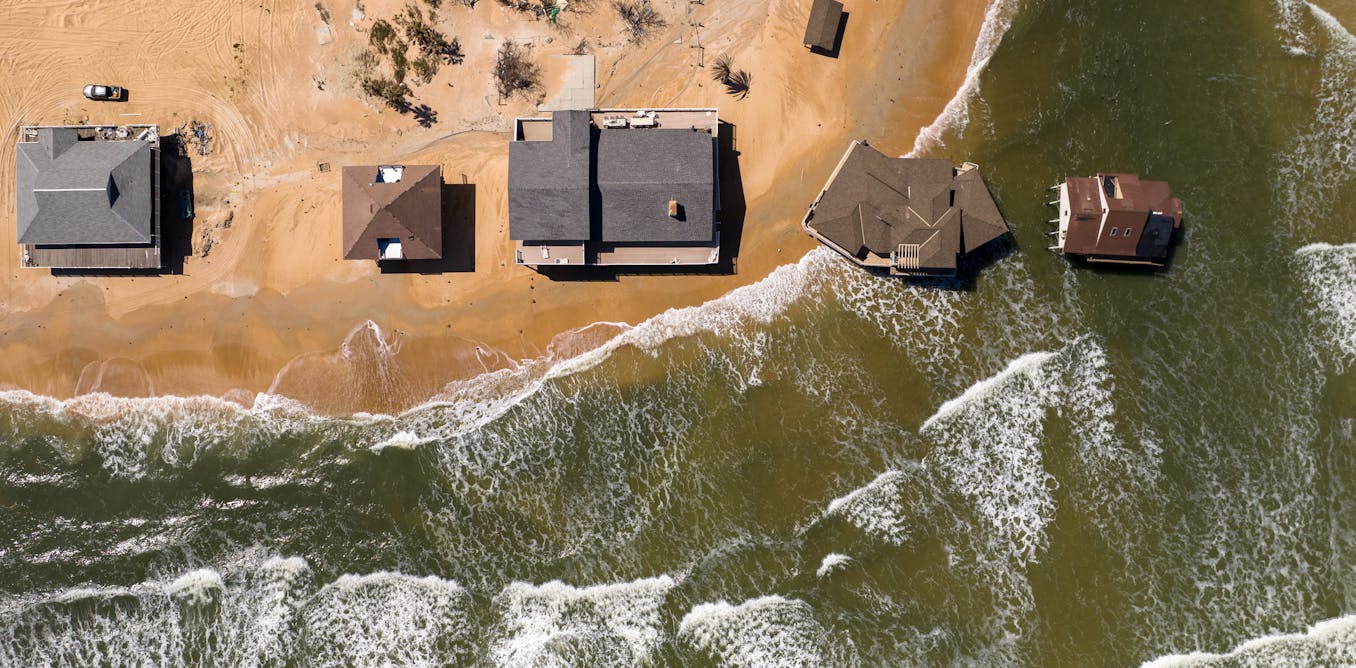
Antarctica’s melt affects everybody but won’t hit every coastline the same. New maps show where seas could rise the fastest, and why millions of coastal residents should pay attention now 🌊
Why aren’t there square trees or mammals with wheels? A new study of fern stems shows how linked traits — developmental constraints — shape the limits and possibilities of evolution.
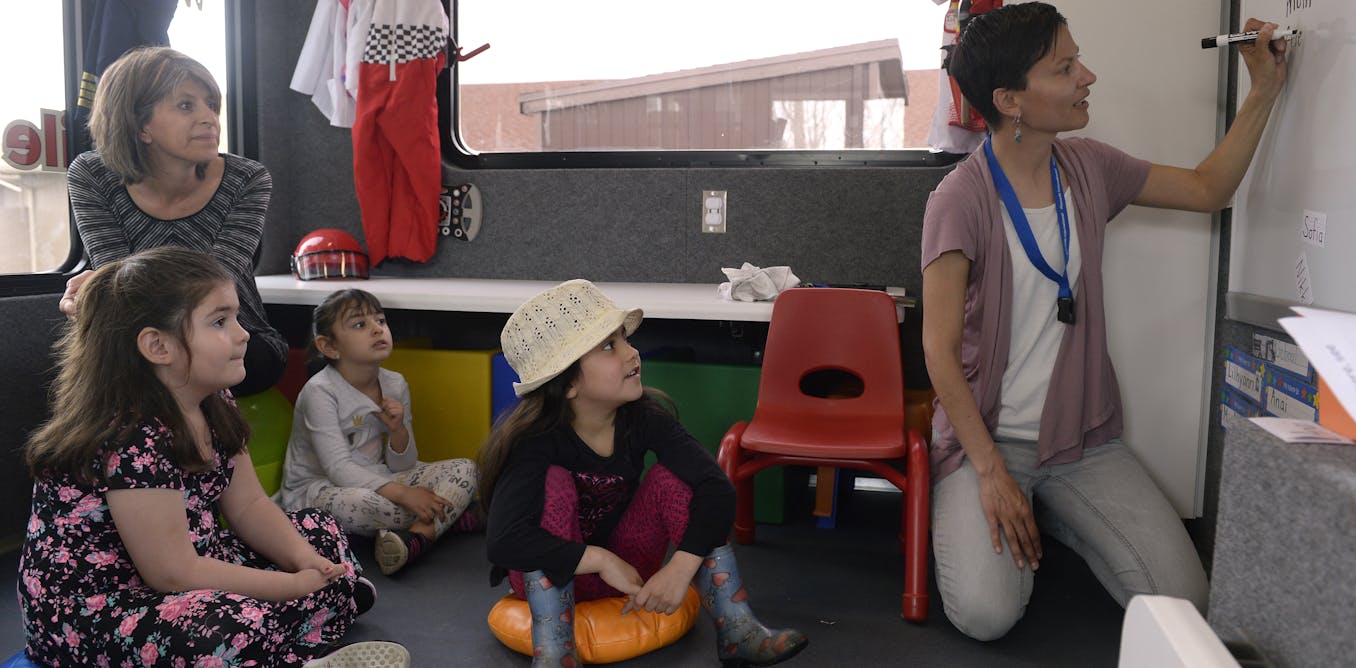
A study of 42 Head Start centers reveals widespread mistreatment among early child care staff, driving stress, depression and burnout. And that’s especially troubling because kids thrive when the people caring for them are supported and healthy.
Cities are building “digital twins” to map roads, buildings and utilities — but most still overlook the people who use them. A new study shows how faked synthetic data can add realistic human behavior to these models while protecting #privacy. #data #technology
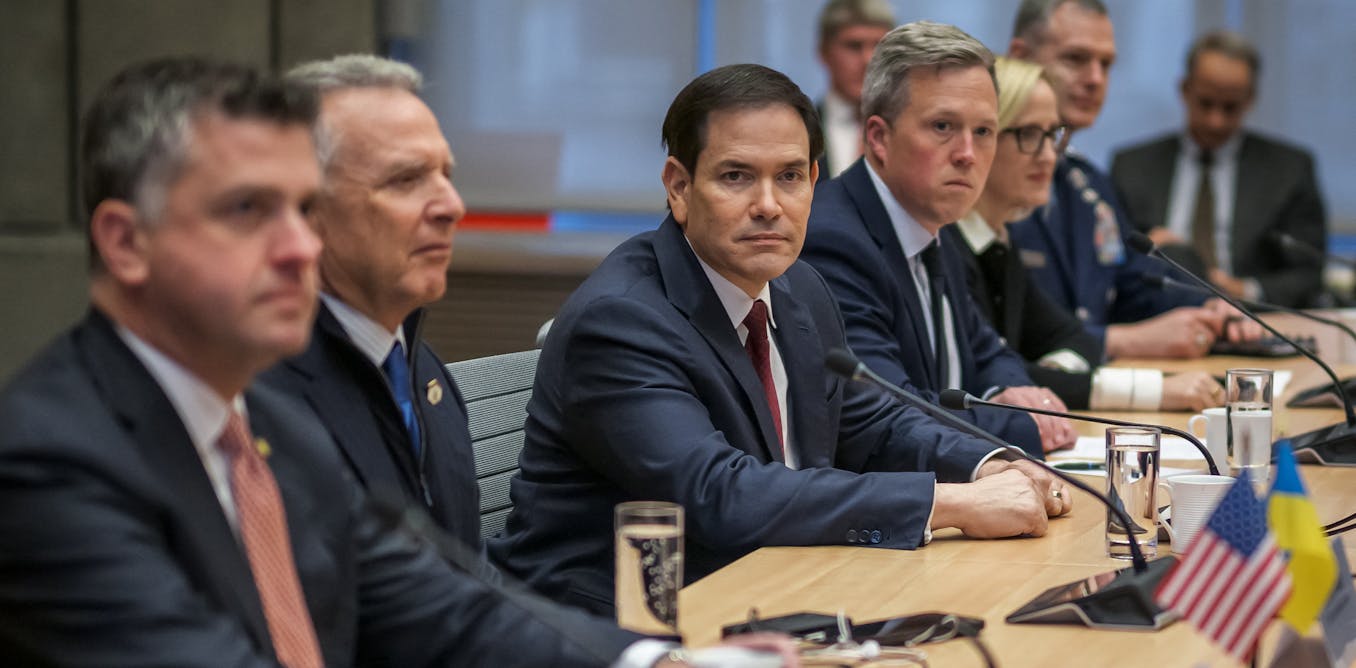
The peace plan presented by the U.S. to Ukraine reflected inexperienced, unrealistic handling of a delicate situation that calls for attention to detail and coordination with allies, according to a former U.S. ambassador.