Investment crowdfunding was meant to democratize startup investing, but many companies are ghosting their backers after raising funds. A business law expert examines this troubling trend and proposes a solution:
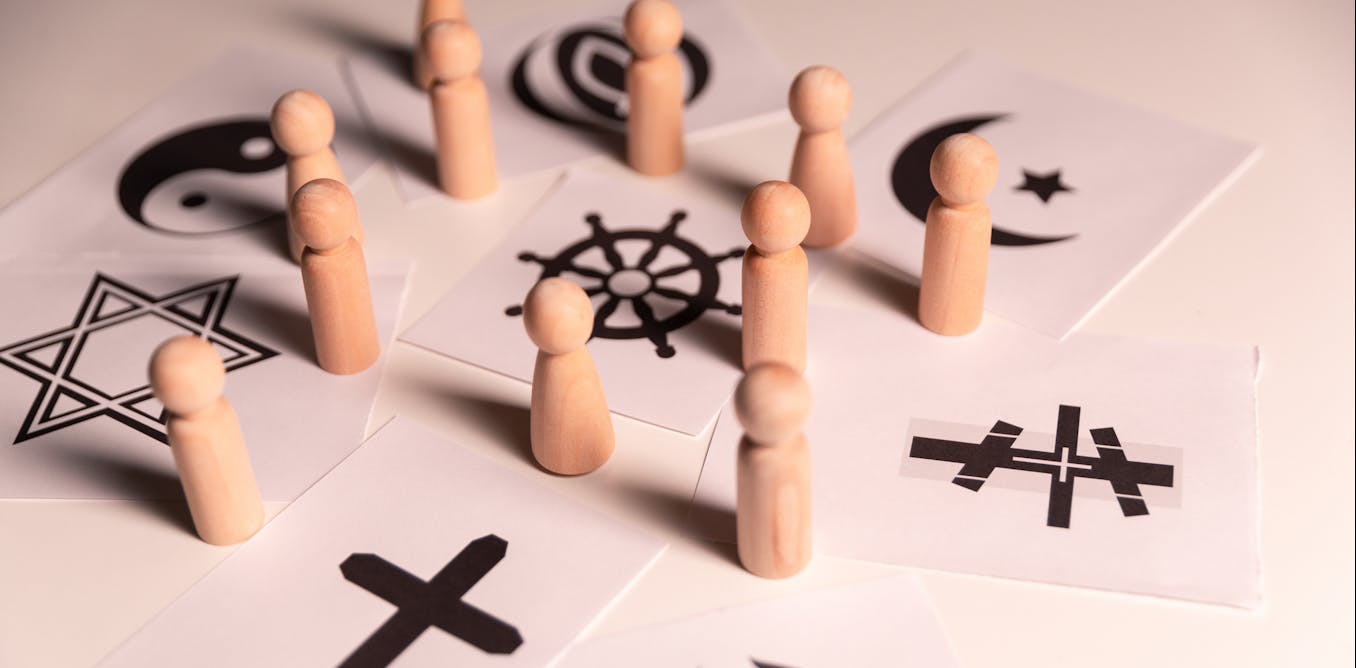
Elite college students talk the talk on respecting other religions, but don’t get much better at it over time, research finds. At less selective schools, students become more open to pluralism (and so does their participation in interfaith activities).
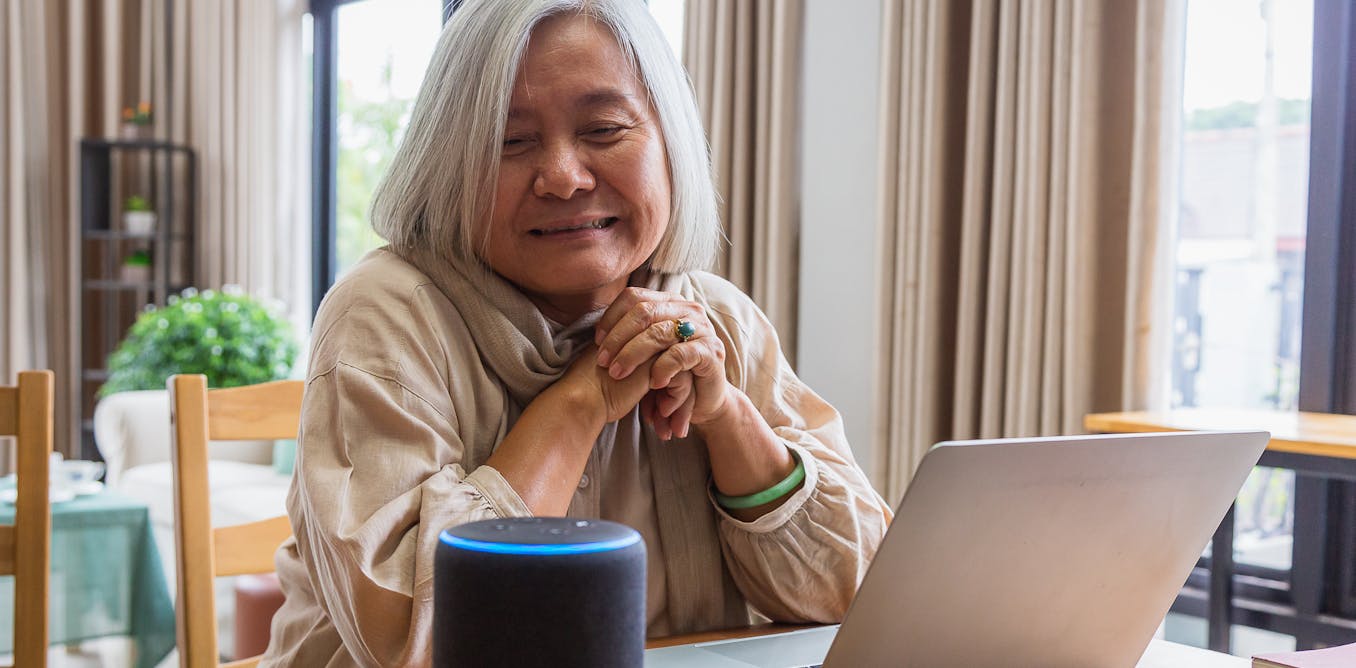
#AI-powered home security devices are making older Americans feel safer. 96% of users over 50 report these technologies as beneficial for independent living. They’re using AI assistants more than chatbots.
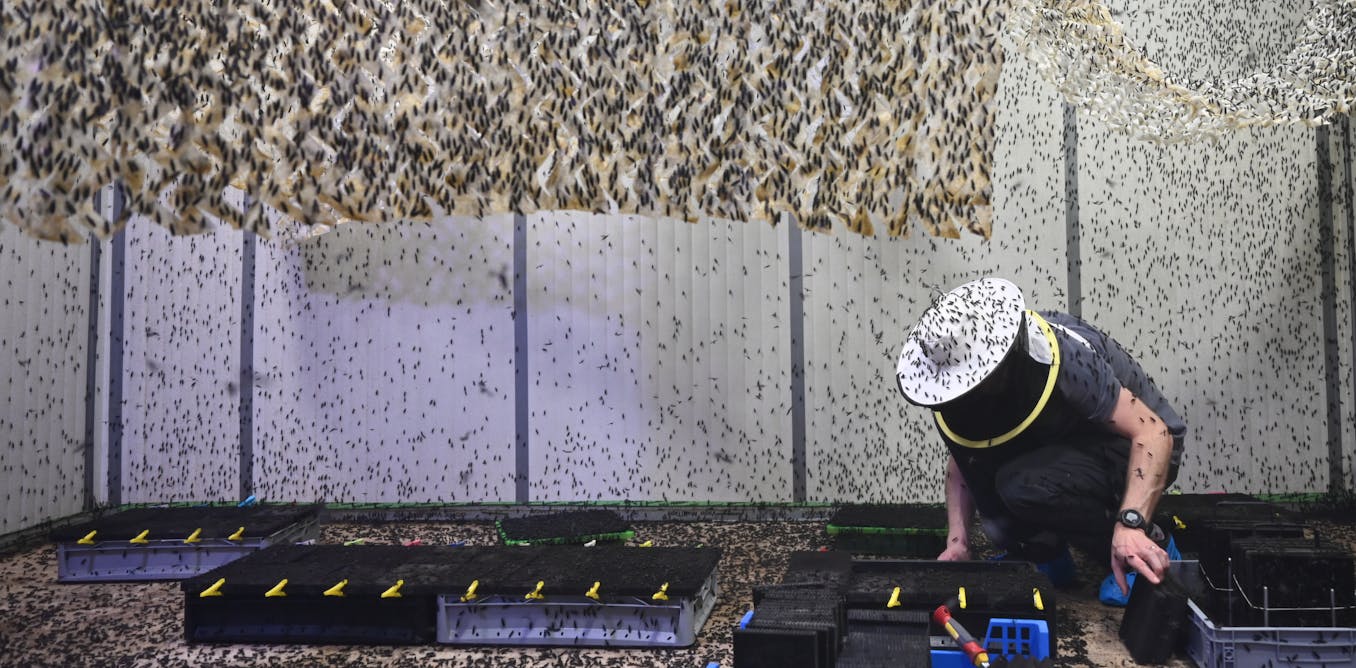
Insect farming for sustainable protein faces a lot of challenges. #Genomics tools can help avoid pitfalls of domestication, like weakened immunity and genetic homogeneity, according to researchers who study how domesticating animals changes their genes:
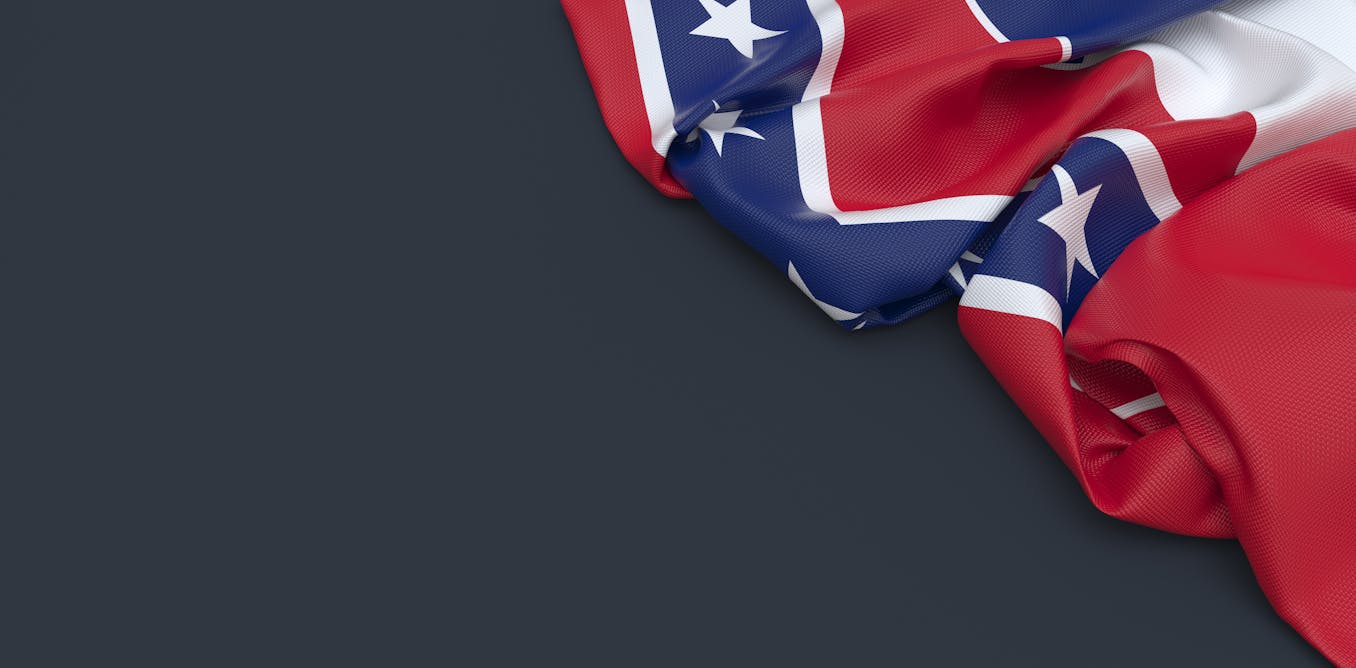
“Being white these days isn’t what it used to be.” From Jim Crow’s last gasp to Black Lives Matter, white Southerners have had a lot to process about what their racial status means in a changing South.
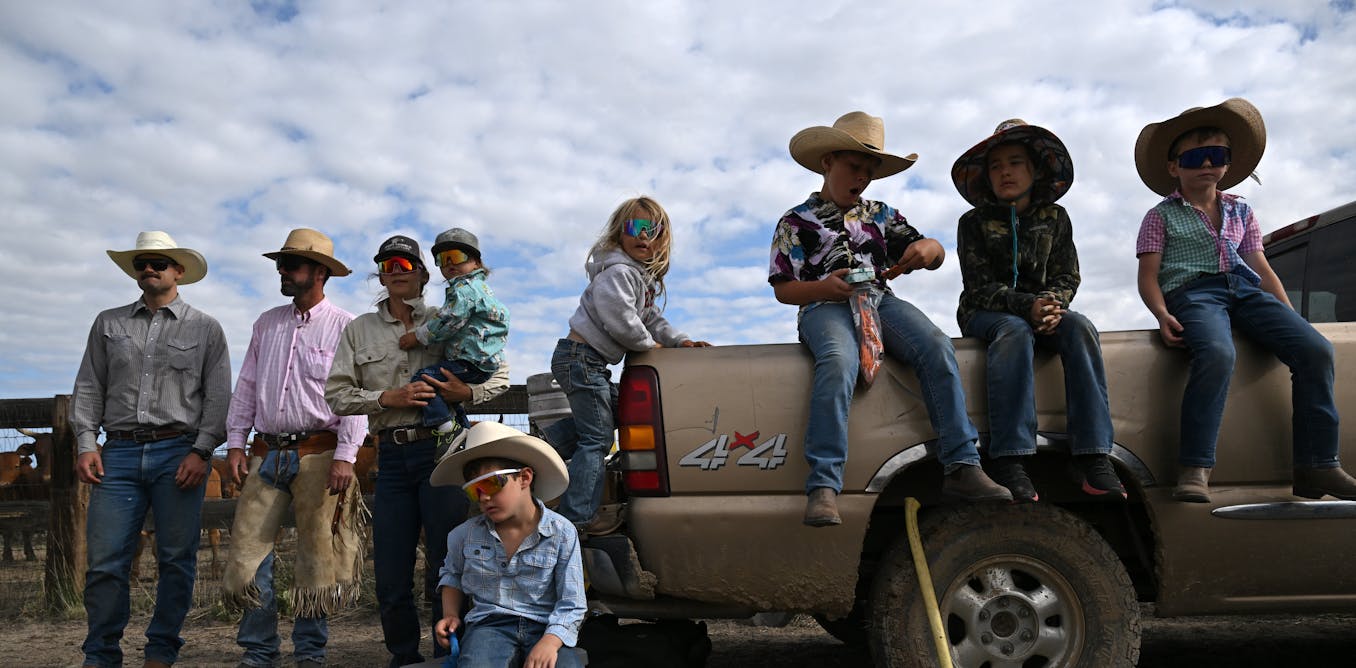
Rural Coloradans feel snubbed by urban counterparts, with one rancher saying, "It's an attitude ... we are the idiots ... we don't really matter." A native Coloradan scholar examines the growing rural-urban divide:
“Why did I keep this?” A psychologist explains that while severe hoarding can be disruptive, many people struggle with #clutter without qualifying as hoarders. https://buff.ly/VrPRxxB
#Gratitude won’t erase the hard stuff—but it can help you hold onto the good. Science says it’s one of the simplest ways to boost well-being. From quick lists to heartfelt thank-you notes, a social psychologist shares how to spot the good. Got your own gratitude habits? https://buff.ly/XJZxUtQ
Why don’t humans have fur? It’s not that we lost the genes—out bodies have just switched them off. How evolution, sweat and survival shaped our relative hairlessness. https://buff.ly/16QwdZ8
9% of U.S. troops surveyed say they would obey any order they are given, even if it is illegal. 9% say they don’t know what they’d do. 2% refused to answer. The majority understand their legal duty to disobey illegal orders, and many recognize that harming civilians would be a violation of international law even if legalized in the US.