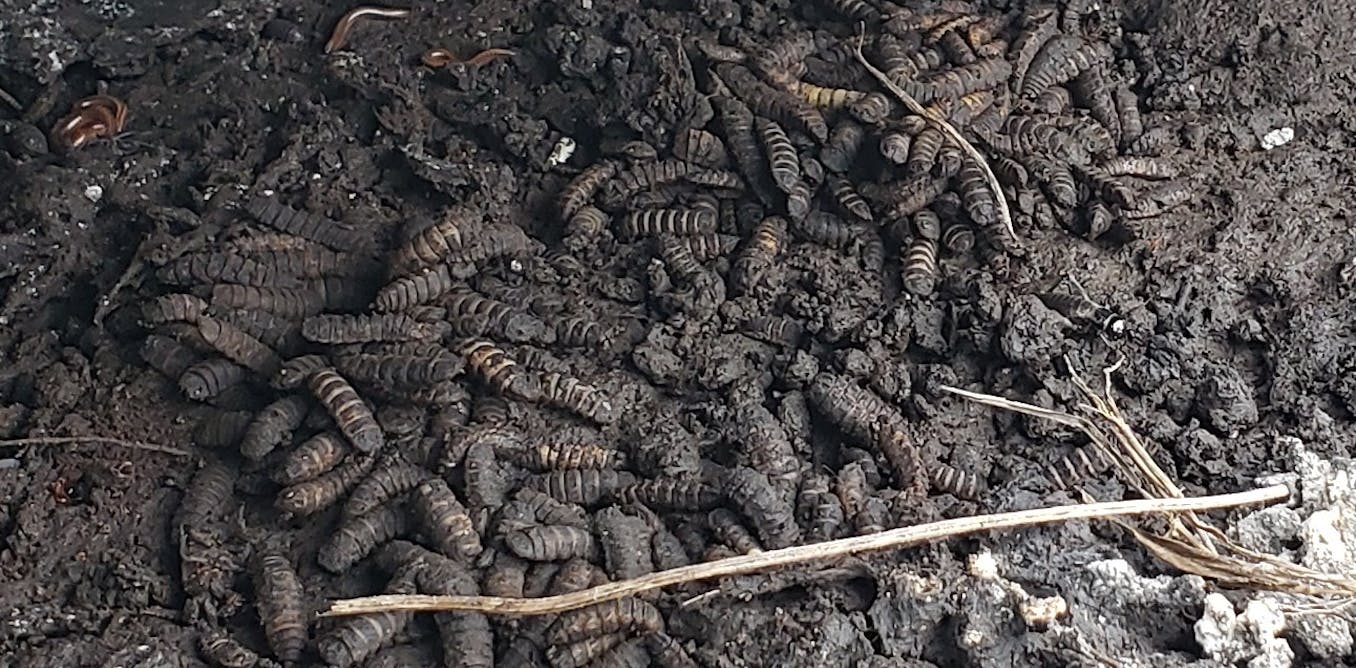
New research suggests Neanderthals may have regularly eaten maggots as part of their diet, potentially explaining the high nitrogen levels found in their remains.
Americans generate 2.7 million tons of e-waste annually, but only 15% gets recycled. New microwave technology could recover these valuable materials more efficiently – and also help address U.S. supply shortages. An engineering professor explains:
The Trump administration's tactics to suppress dissent go beyond traditional censorship. A First Amendment expert examines how the government can silence opinions it dislikes without direct bans.
The left and right sides of your brain hear language differently, with implications for understanding neurodevelopmental disorders like autism and schizophrenia.
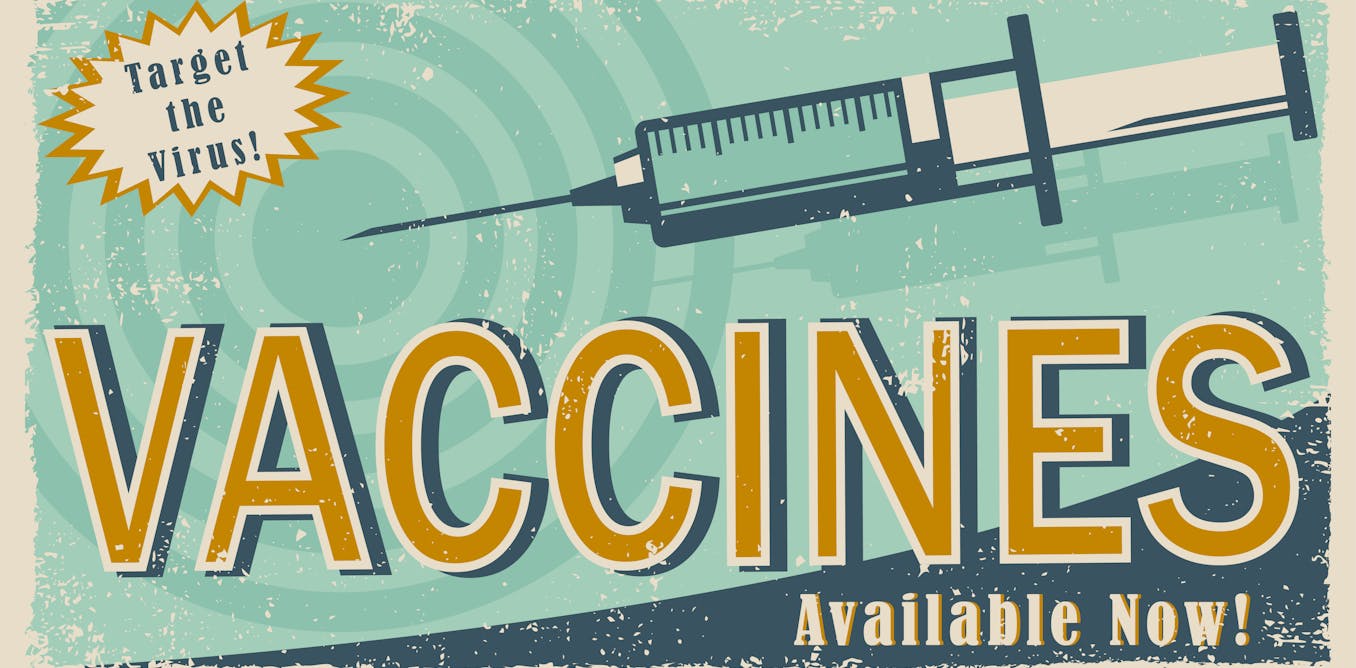
When vaccine rates drop, outbreaks rise – not just because of misinformation, but because of how people weigh personal vs. collective risk. Game theory explains why these rational choices can lead to public #health failure.
Always labeling things as good or bad? That habit might be shrinking your world. Drop the snap judgments. Choose “interesting” instead.
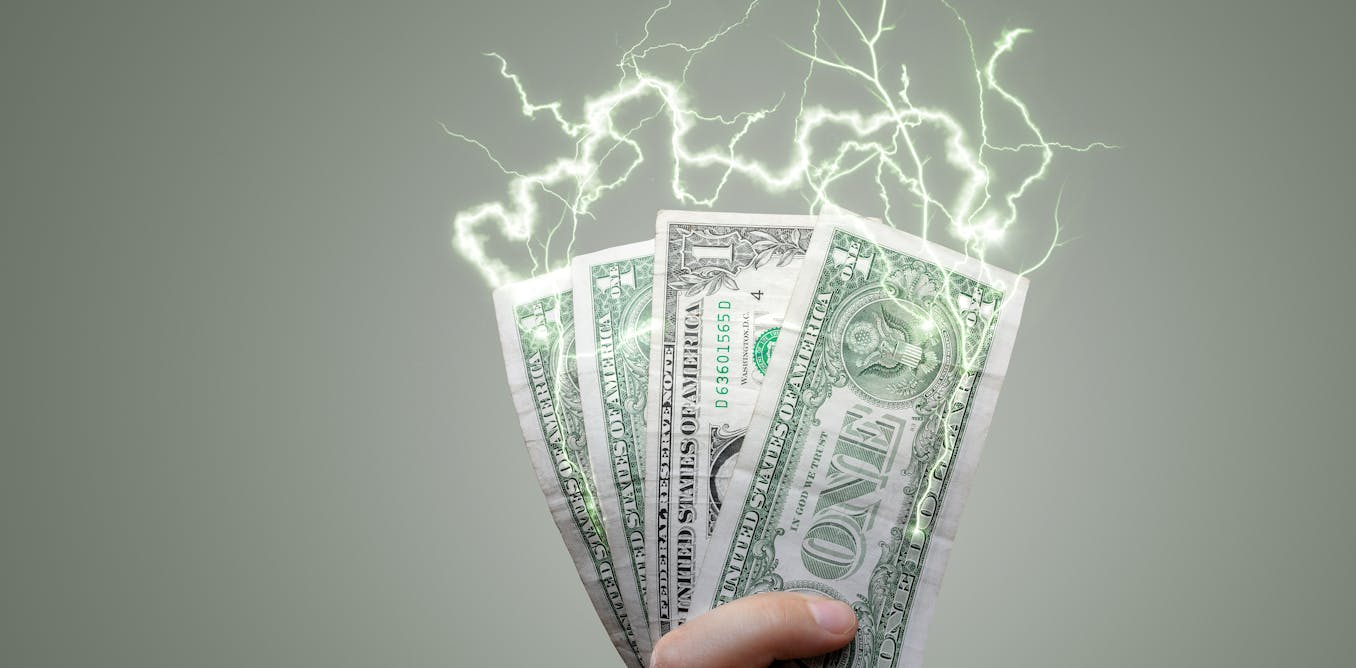
Big Tech’s #AI boom is spiking power demand – and you could be paying for it. Utilities are striking secret deals with Big Tech to power data centers, pushing billions in costs onto regular ratepayers.
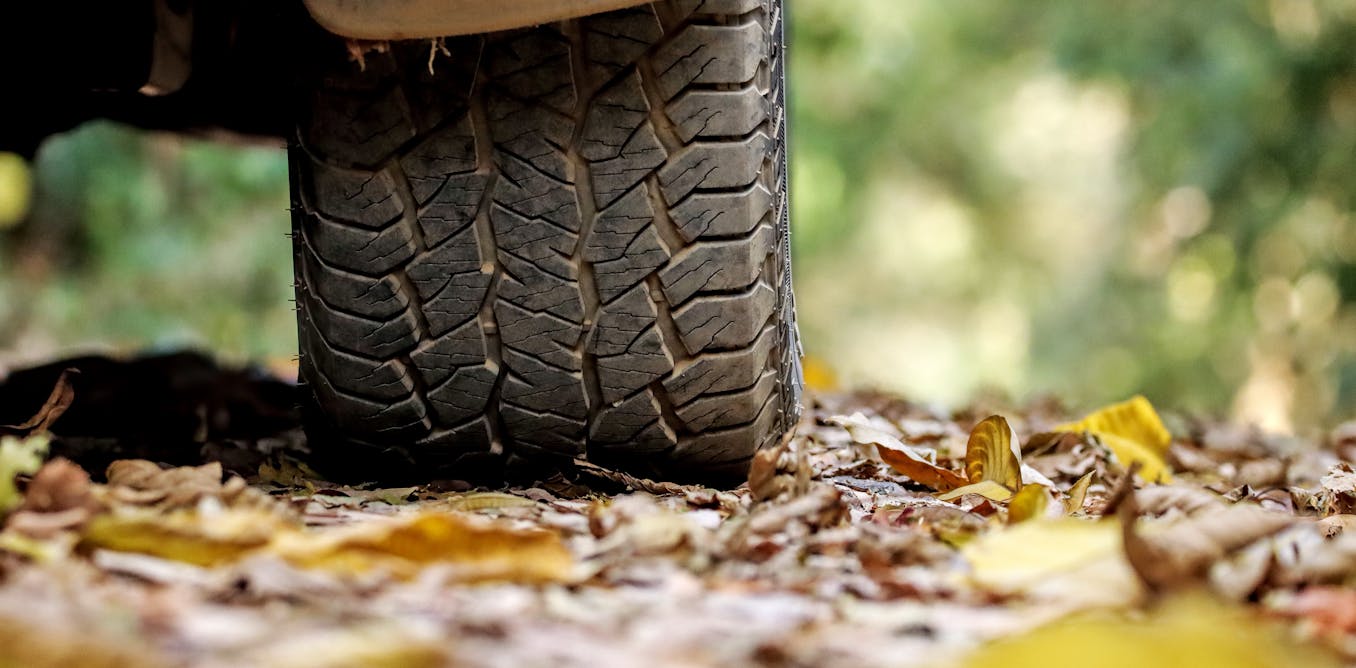
Tires (not straws) are a top source of microplastic #pollution. As they wear down, toxic particles wash from roads into waterways and harm wildlife. But scientists have found a cheap fix: biofilters made from wood chips and plant waste.
If the pool smells like chlorine ... you're not swimming in cleanliness, you're marinating in other people’s sweat and pee.
Why are so many Americans tuning out politics? They’re exhausted. A neuroscientist explains: #USPolitics