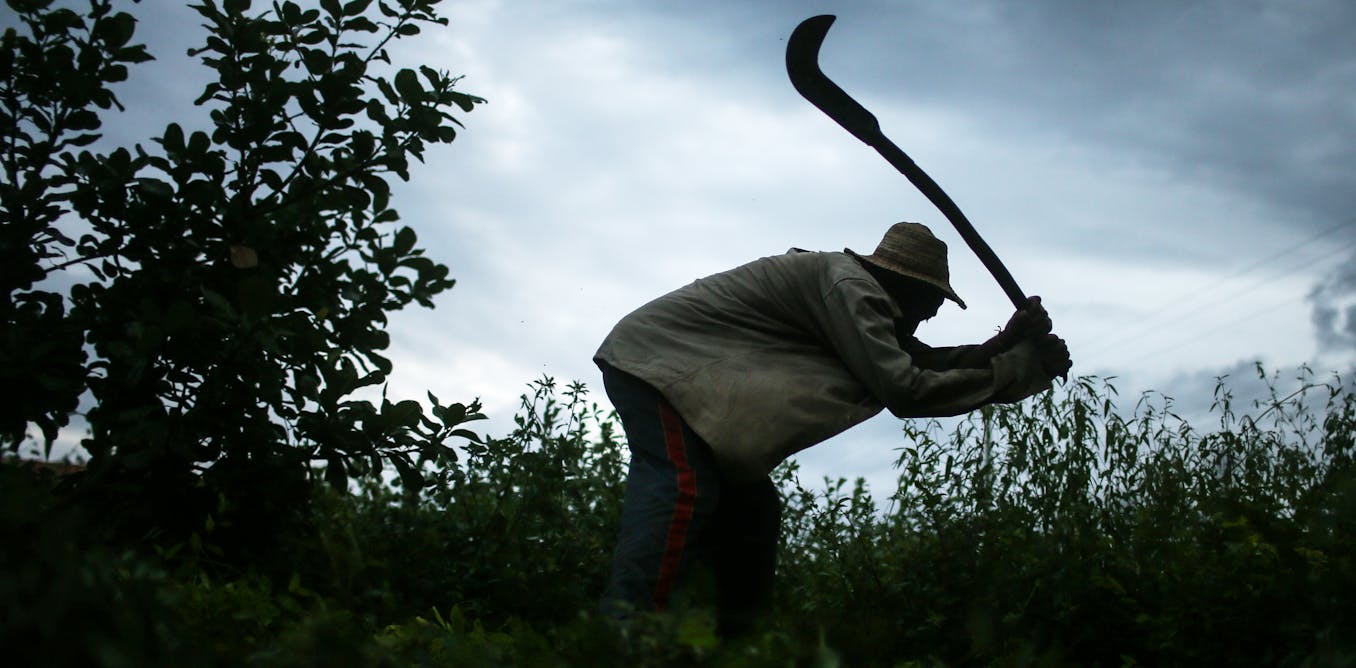
Slavery persists globally, including in the U.S. where 197,000 human trafficking victims have been identified since 2007. A political scientist examines the psychology of modern-day enslavers:
Today’s special: Meat with a side of maggots. 🪰 New research suggests Neanderthals may have eaten fermented, maggot-rich meat, not just for survival, but as a routine (and nutritious) part of their diet. Turns out, they had quite the acquired taste. #science #anthropology
🚨 Wildfire smoke is back on the East Coast, but not all plumes pose the same risk. New satellite tech can now map smoke in 3D, showing which neighborhoods are actually breathing in harmful particles – and which are just seeing haze from above.
It’s not just the heat, it’s the humidity. New research shows that muggy air can push the human body past safe limits faster than we realized. Even healthy people can overheat in conditions we used to think were fine.
Do deportation efforts even work? Despite efforts by four American presidents to reduce the undocumented immigrant population, numbers have remained around 11 million since 2005. An immigration law scholar looks at deportation tactics and their limited impact, under Republican and Democrat leadership alike:
Heat stroke can occur within 15 minutes of intense outdoor activity in extreme temperatures. An expert on heat-related illnesses shares critical safety tips for athletes and outdoor enthusiasts ⬇️ Stay safe out there! ☀️
Heat and humidity become dangerous for humans at lower temperatures than previously thought. The "wet bulb" temperature threshold for health risks is 88°F (31°C).
As #climatechange intensifies, heat-related deaths are on the rise. Know the signs of heat exhaustion and heat stroke: #summer #heatwave #health
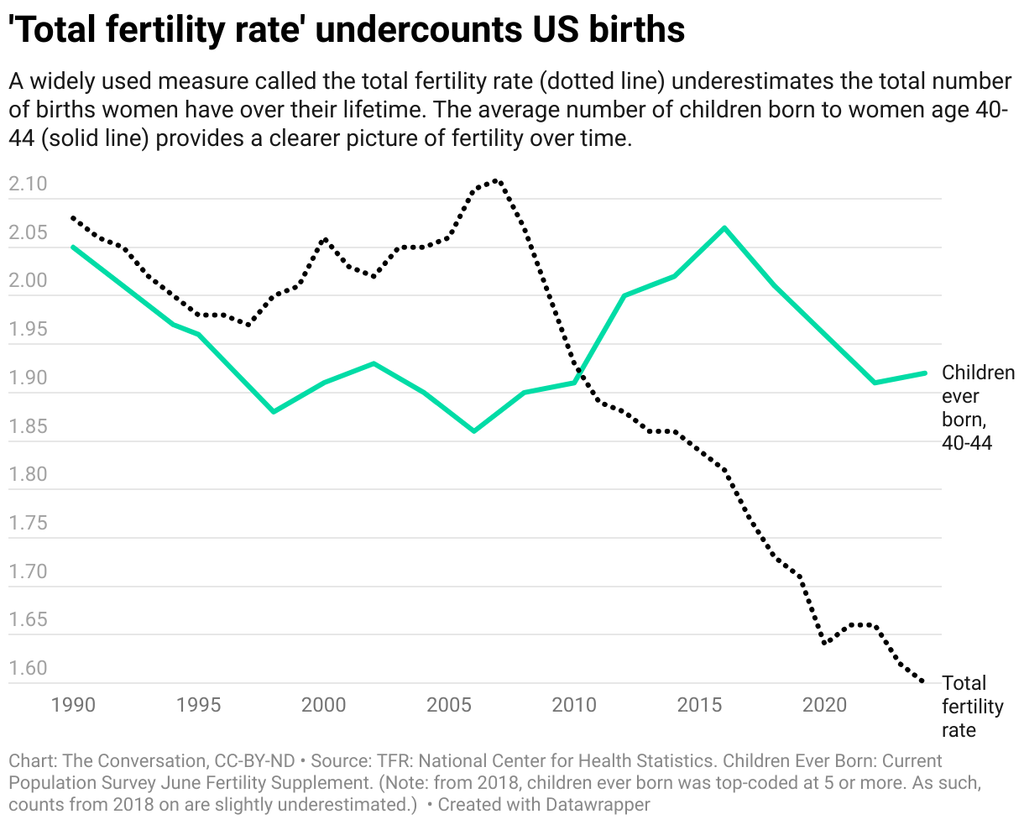
Population decline isn't imminent or inevitable, according to demographers who study fertility. Despite low birth rates, the U.S. population is expected to grow by 22.6 million by 2050. #Immigration plays a key role in population growth. image
Loss of a pet often falls into "disenfranchised grief,” meaning it’s pain that's minimized or discounted. A psychologist who studies attachment, loss and the human-animal bond explains why pet grief matters and how to support someone experiencing it.