Can mushrooms teach us about economics? An Amherst College course on "Music, Sound and Research with Non-Humans" draws unexpected connections between biology, spirituality, and global markets. https://buff.ly/XQDjG2w
The 2026 FIFA World Cup could produce more than 9 million metric tons of CO₂ equivalent, nearly twice the average emissions of the past four tournaments. More teams and more host cities means a lot more airplane flights.
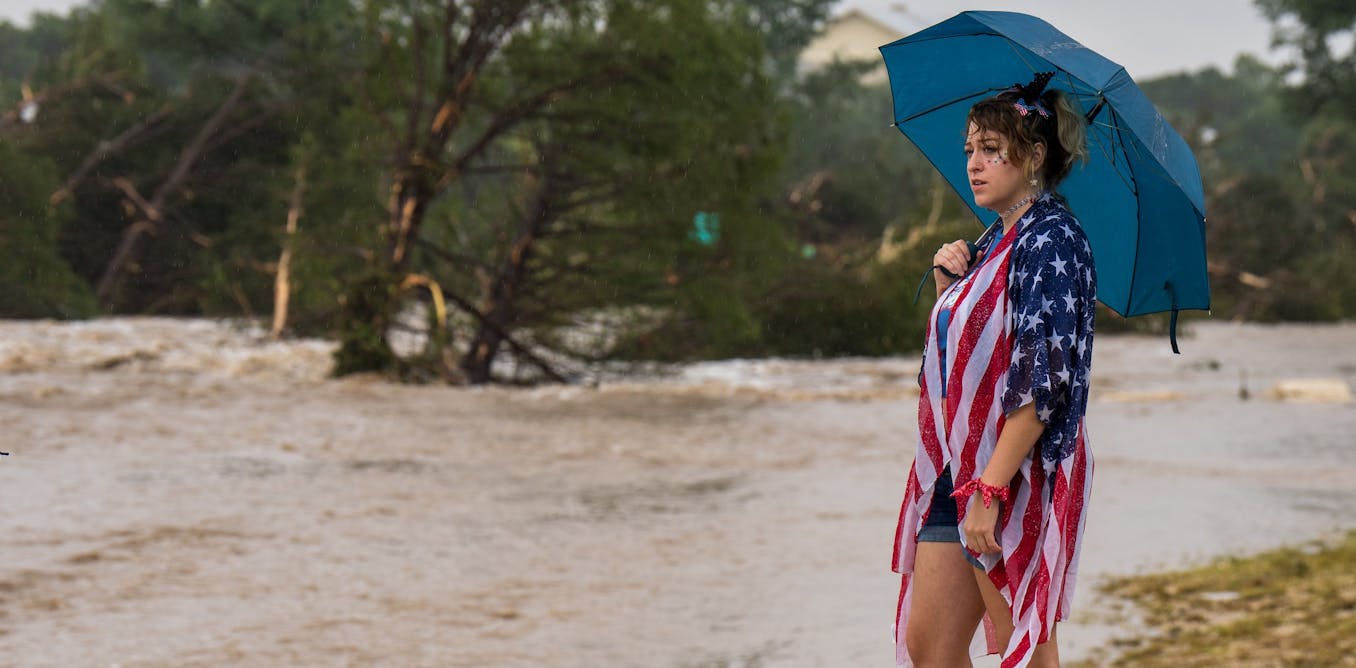
The mental health toll of disasters like the Texas floods often lingers long after headlines fade, explains an educator who explores the intersection of disaster recovery and mental health.
A new study shows Texans who faced multiple disasters in 5 years had significantly poorer #mentalhealth outcomes:
Pirates have been around since ancient Egyptians first built boats 6,000 years ago, according to a political scientist who studies modern-day commerce raiding.
Pharaohs left records complaining about widespread pillaging on the Nile River.
Trump announces 50% tariff on Brazilian exports, citing former Brazilian President Jair Bolsonaro's trial as the main grievance. The move is more about political allegiance than real economic concerns, according to an expert in U.S.-Latin American relations.
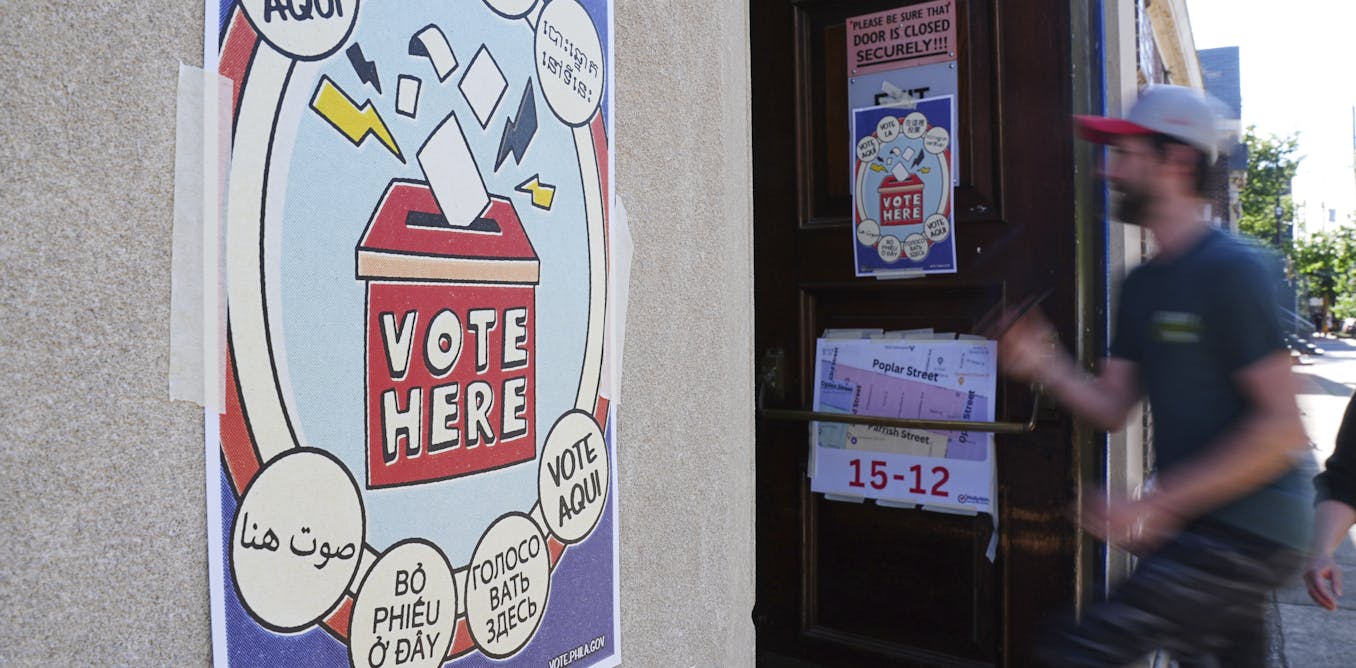
State judicial elections are growing in political importance. Wisconsin's 2025 supreme court race saw $100 million in spending. Now, PA faces a pivotal vote in 2025 that could break the 5-2 Democratic majority on the state Supreme Court:
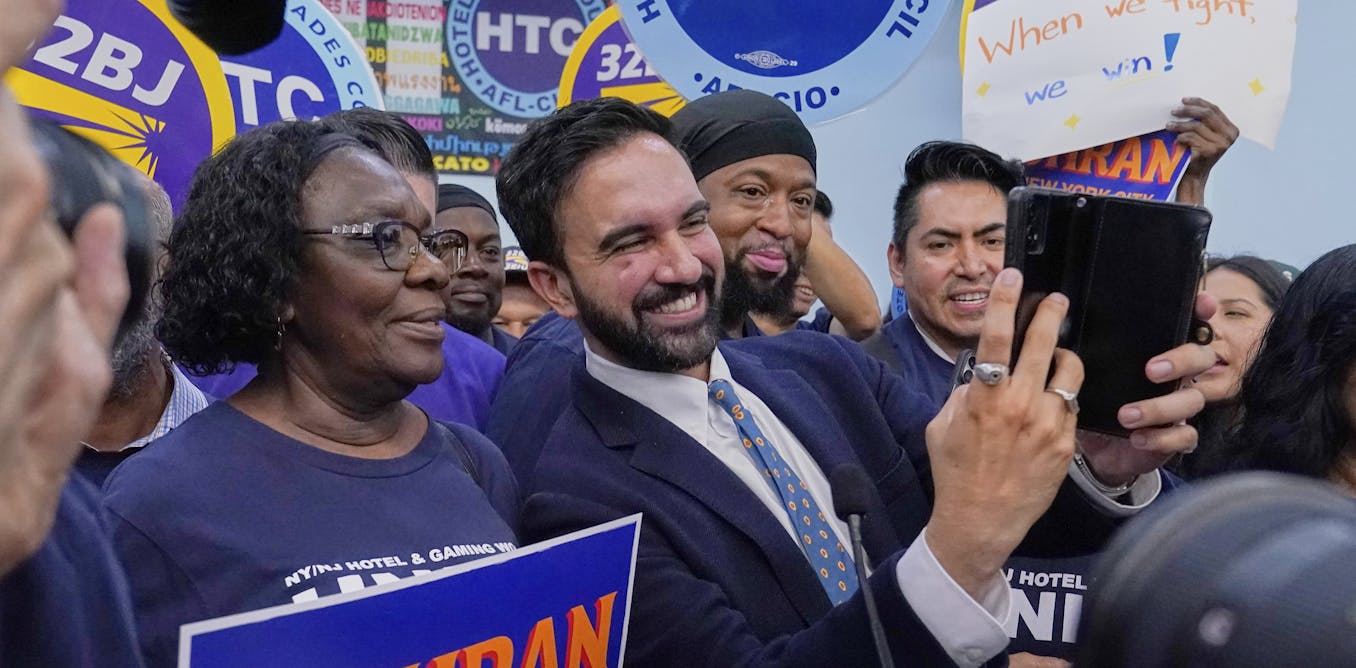
New York mayoral candidate Zohran Mamdani's family history includes exile from Uganda and return, reflecting the complex relationship between South Asian communities and East African countries. A religious studies professor offers insight into cross-cultural resilience:
The ability to meet and interact with others online as fully realized, three-dimensional human beings would go a long way toward creating a more empathetic, cooperative internet, according to a sociologist