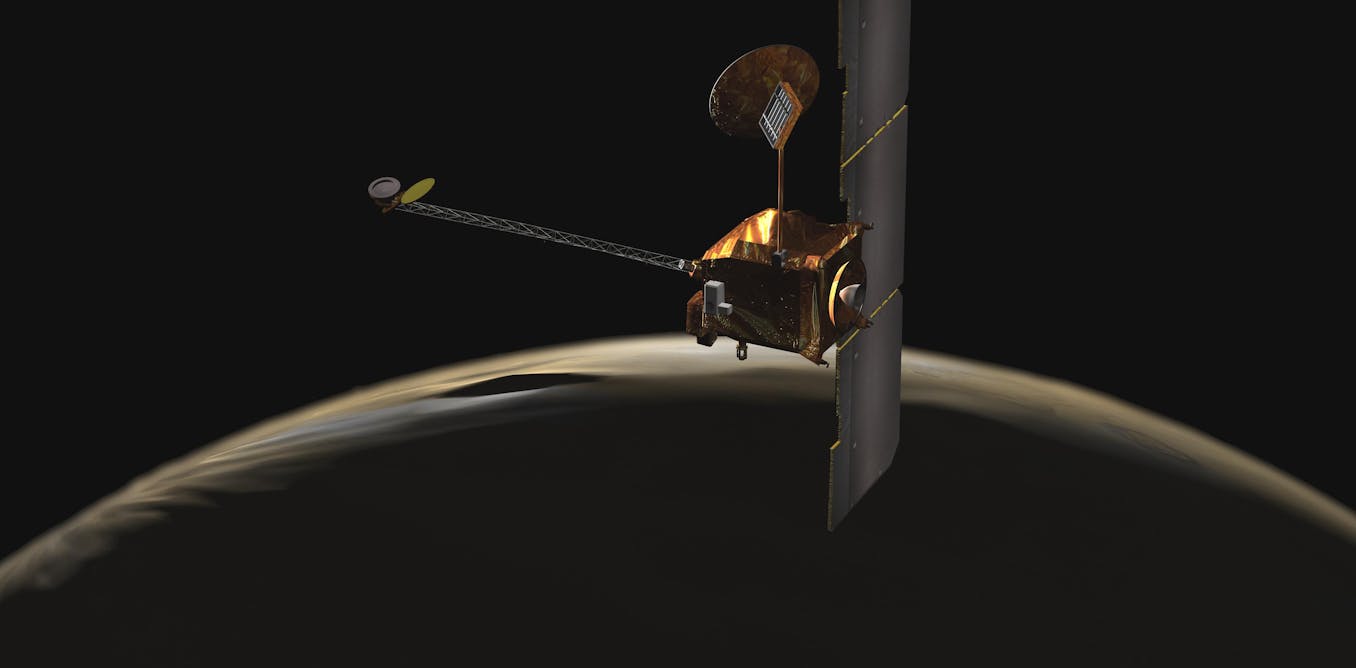
What do sticking your hand out a car window & landing a spacecraft on Mars have in common? Drag. Aerospace engineers are using aerobraking — slowing spacecraft with thin atmosphere instead of fuel — to orbit planets, save propellant, and reduce #space junk.
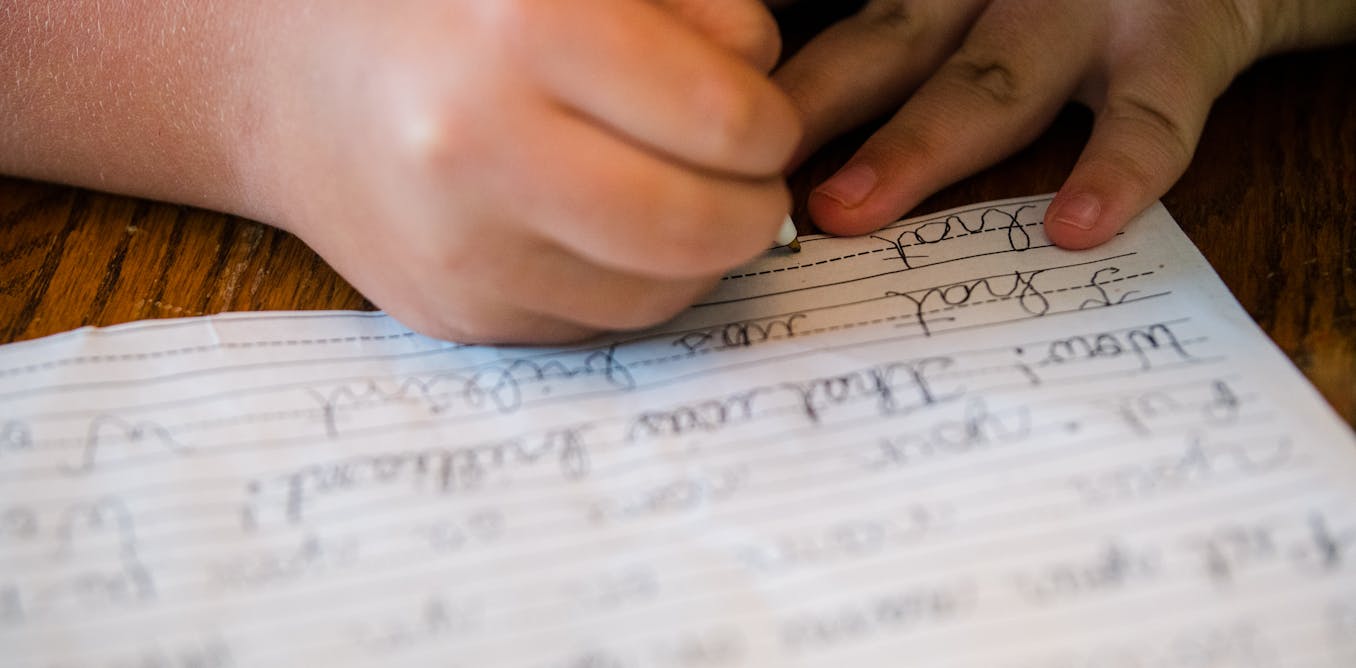
Cursive was dropped from most schools after Common Core in 2010—but now states like California, Iowa, and Oklahoma are bringing it back. Why? Research links it to stronger reading, spelling and storytelling.
Worsening #allergies aren’t your imagination. A forestry professor explains #climatechange is extending pollen seasons by an average of 20 days and increasing pollen concentrations by 21% across North America:
Have you ever wondered how millions of people can watch the same video at the same time without overwhelming the internet? A computer scientist explains the technology behind streaming:
Modern algebra can help solve a scrambled Rubik's cube. It's not just about equations, but studying objects and how they behave when combined in different ways. #Mathstodon
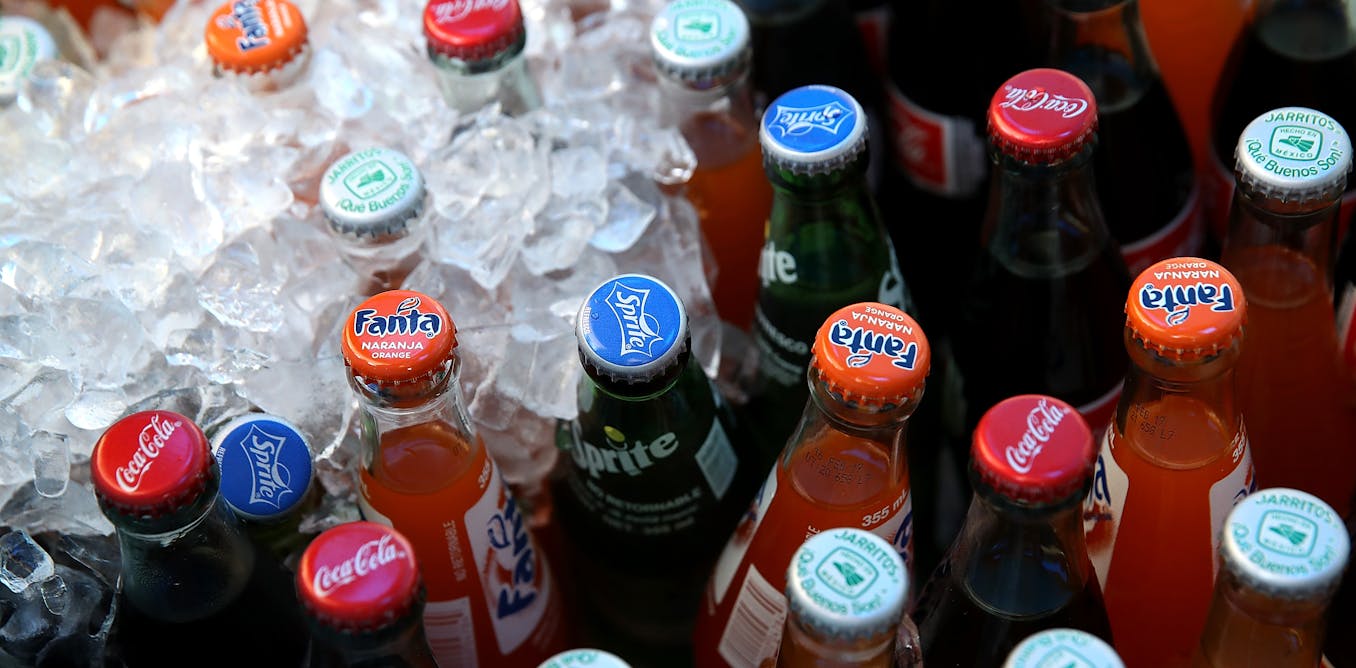
Why some people say pop, others say soda, and Southerners just ask for a coke (even if what they’re drinking isn’t Coke):
“Manu jumping” is all about the biggest, loudest splash. The sport originated in the Māori community, where manu jumpers leap from bridges, wharves and diving platforms to make giant splashes.
Most students are using AI to write, but not necessarily to cheat. They’re brainstorming, revising and thinking critically with tools like ChatGPT. A writing professor says this isn’t a threat – it’s an opportunity, rather than a loss.
In the past 2 decades, the U.S. has lost over 20% of its butterfly population. Other insects are declining too – bees, moths, dragonflies and more.
Fake #health information – whether shared unknowingly and innocently, or deliberately to mislead or cause harm – can be far more captivating than accurate information.