#BillyJoel's recent diagnosis with normal pressure hydrocephalus has spotlighted a little-known brain condition. It mimics dementia, but can be treated. buff.ly/7NWcBER
#health #medsky
In 1918, the US government became the nation's largest housing developer, building 80+ communities in just 2 years. These weren't barracks, but thoughtfully designed neighborhoods of single-family homes with parks, schools, and sewer systems.
An urban planning scholar explains:
Wildfire smoke kills more than the flames.
Stay safe: check air quality, stay indoors, use HEPA filters, wear an N95 if outside.
https://buff.ly/byCQJys
#WildfireSmoke #Health
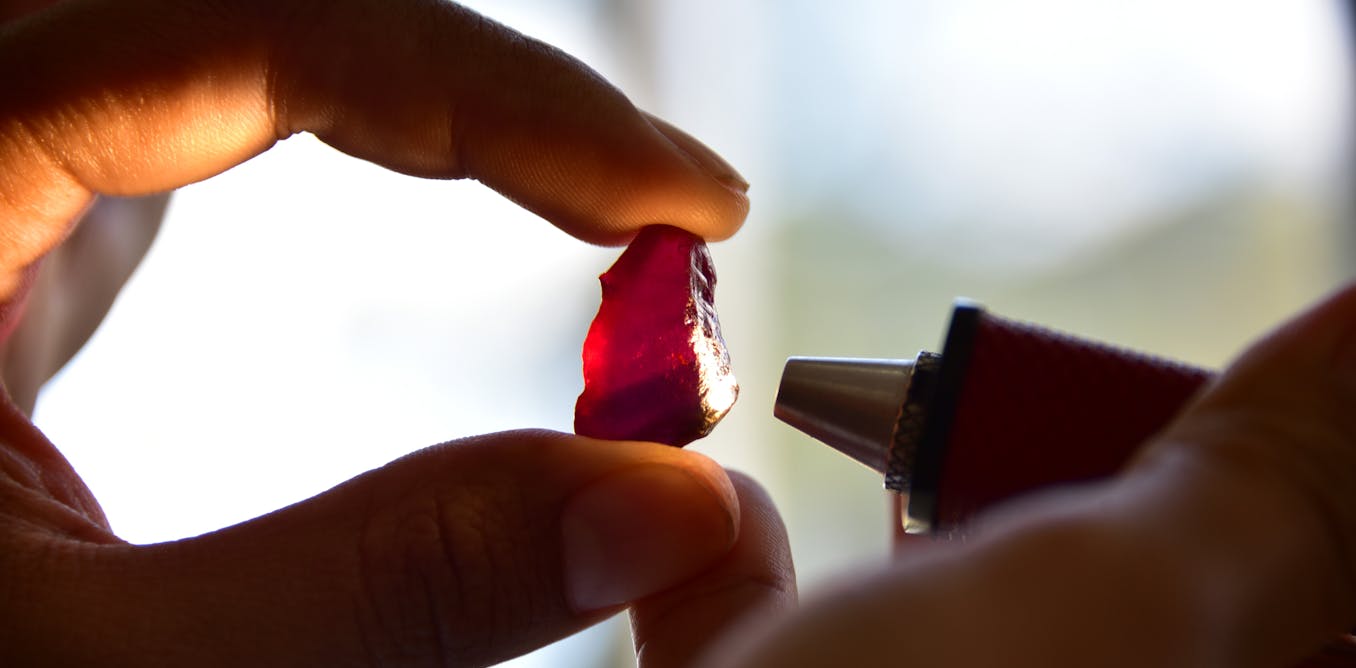
Why are rubies red and emeralds green?
Rubies and emeralds owe their vibrant colors to the same element: chromium. The crystal structure determines whether it appears red or green. A chemist explains:
100 years ago, a young Edwin Hubble settled astronomy’s “Great Debate.”
“In the century since Hubble’s pioneering work, astronomers like me have learned that the universe is vast and contains trillions of galaxies.”
The key ingredients in sports drinks – water, sodium, potassium and sugar – work together to rehydrate and refuel the body. But be cautious about using them for stomach bugs.
A registered dietitian explains why:
Tech billionaires like Bezos and Brin are investing heavily in life extension. But is living forever a moral good?
A professor of medical humanities explores how the ancient philosopher #Cicero argued that quality of life matters more than sheer longevity. https://buff.ly/4gUXp4W
#philosophy #wellness #ethics
"The USA today is not the USA I fought and came close to dying for," says 100-year-old Frank Hartzell, who helped liberate the Nazi concentration camp Mauthausen.
His experience offers a warning about the dangers of political extremism:
“While it may seem like fighting words to an Italian, the first pasta that modern eaters would recognize probably came from China and could have been made out of a variety of starchy foods besides wheat, including rice, mung beans, tapioca and sweet potatoes.”