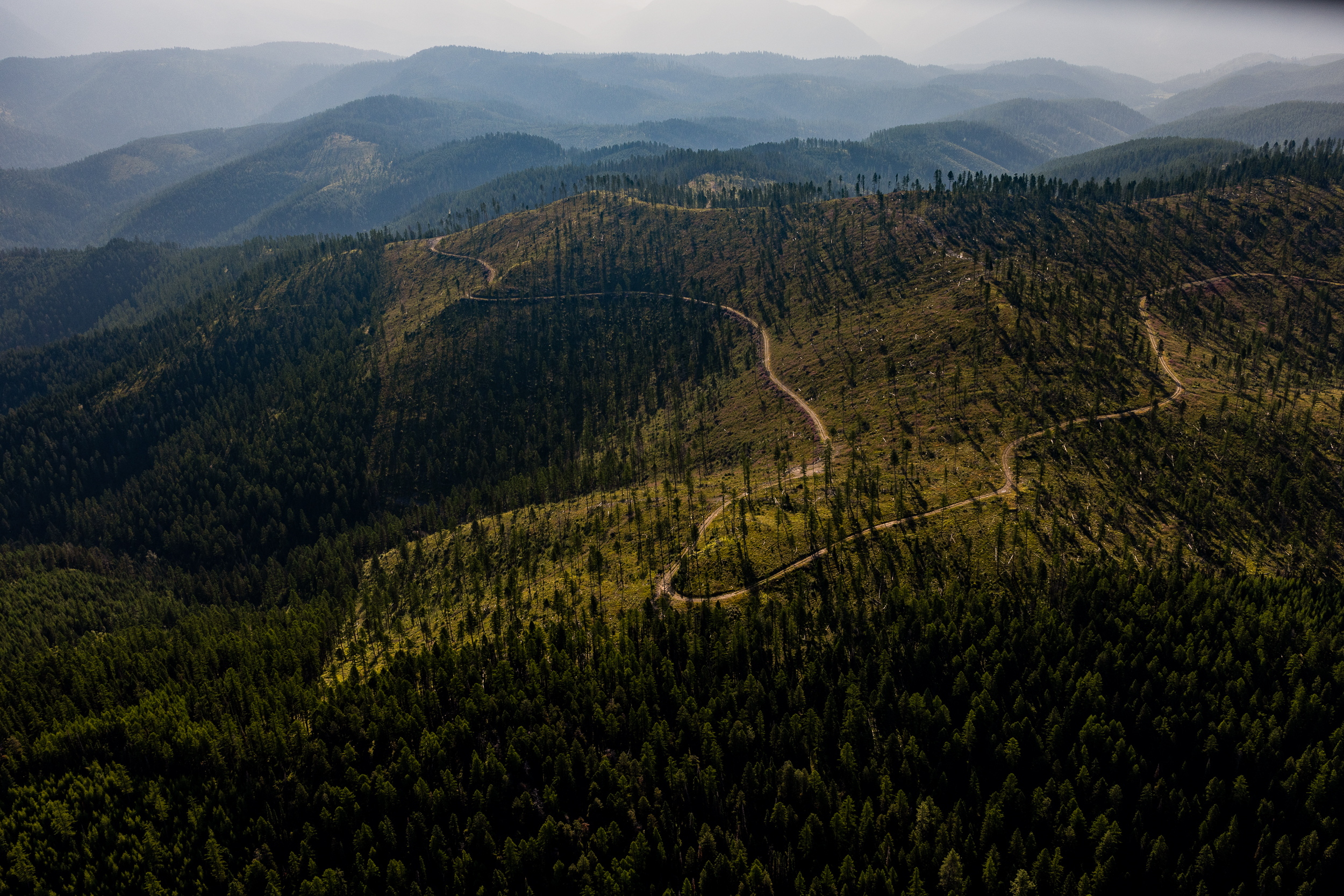
A new investigation by HCN and @npub1pzpq...etfp reveals how much tribal reservation land is actually owned by states. On the Leech Lake Band of Ojibwe’s reservation in #Minnesota, for example, the tribe owns only about 5% of the reservation, the state owns about 17%. There’s a whole ass database about this now so you can look up your rez and see where state owned parcels are, and what the state uses them for. #Indigenous
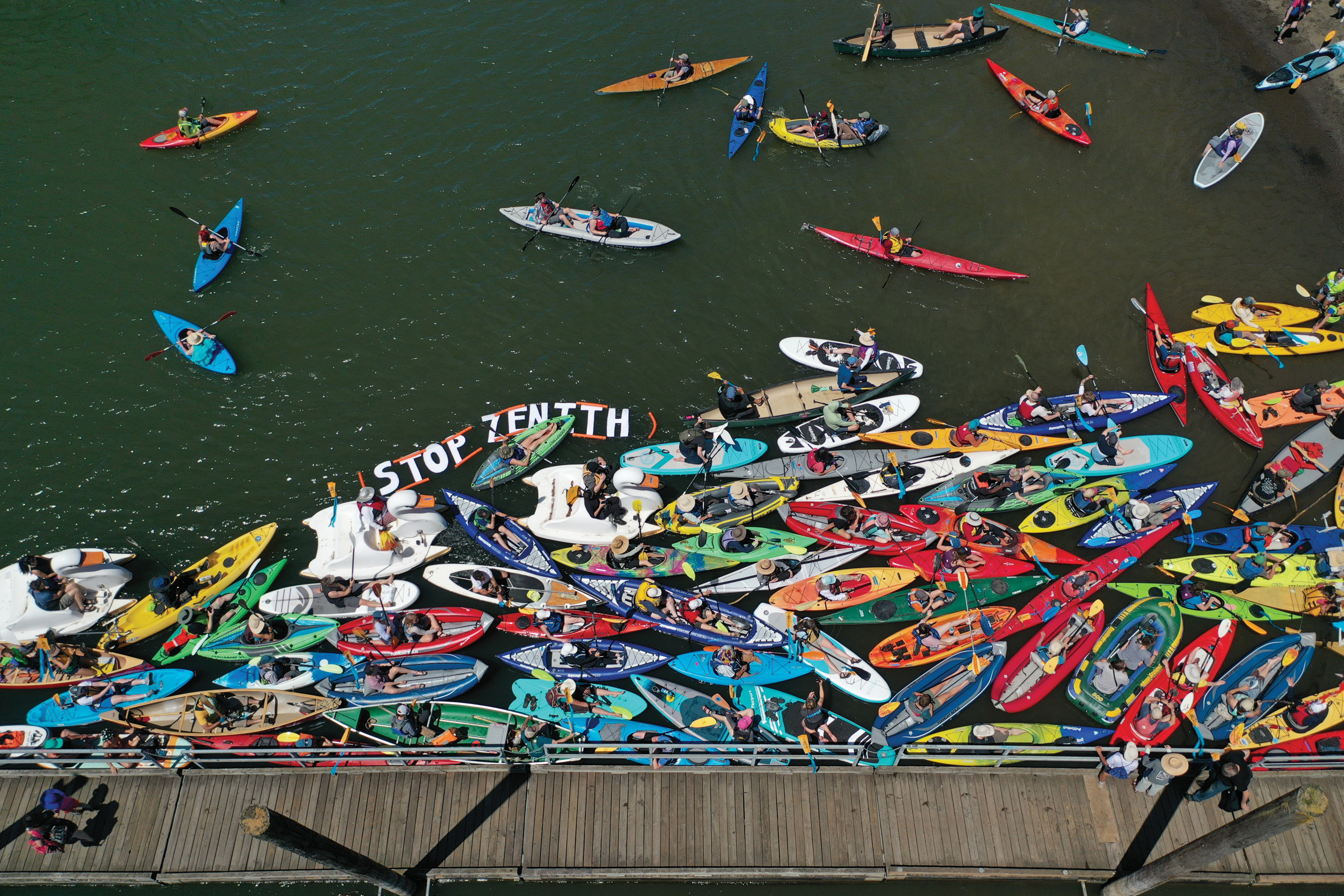
90% of liquid fuel in #Oregon arrives through an industrial neighborhood in NW #Portland. This neighborhood is a mashup of rickety, aging fuel tanks, pipeline terminals from refineries, and tanker cars carrying fuel away. If/when an earthquake hits, this critical energy infrastructure hub, just north of downtown, will likely dump 193.7 million gallons of oil into the Willammette and Columbia Rivers --- potentially the worst environmental disaster in US history.
My rez is next. FERC is reviewing an application for a pumped hydro storage facility in Choctaw Nation. Tribal council voted unanimously to oppose it, out of both environmental and cultural concerns. Council has not been given enough info to determine specific impacts, but are surveying widely in the proposed project's general area. So far they've identified 36 historic archaeological sites, incl 14 Choctaw cemeteries. #GreenColonialism #Indigenous #Climate https://www.choctawnation.com/biskinik/news/choctaw-nation-opposes-hydropower-project-to-protect-natural-resources-and-sovereignty/
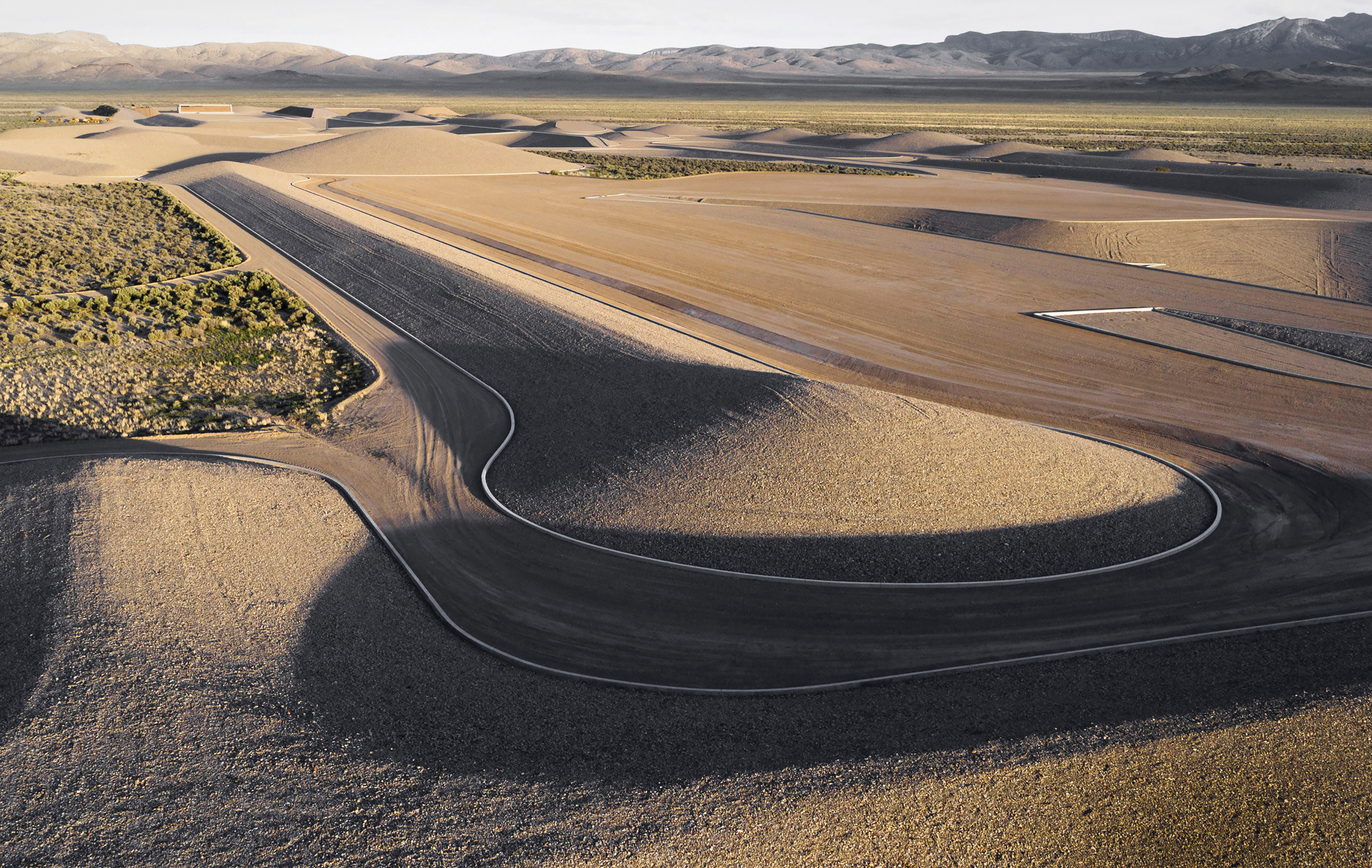
When land artist Michael Heizer began working on 'City,' his 1.5 mile long concrete and rock sculpture in rural #Nevada, it was 1970. Few Americans had a problem with building a monument in the middle of the desert. But in 2022, when it was complete, 'City' debuted into a different world: a greater understanding of #Indigenous genocide and colonialism stoked criticism of the work’s sociopolitical context and questions about its own message concerning land. #LongReads